
Brandenburg Gate (Brandenburger Tor)
At dusk, the Brandenburg Gate turns amber in the fading light, and the crowd around it becomes quietly extraordinary — tour groups from every continent, newlyweds taking photographs, teenagers skateboarding past without a glance, elderly Berliners who remember when this exact ground was a death strip dividing their city. The gate has outlasted empires, survived two world wars, and witnessed the most photographed moment in modern European history. Standing before it now, when all the barriers are gone, feels like standing in the physical proof that history can change.
History of the Brandenburg Gate
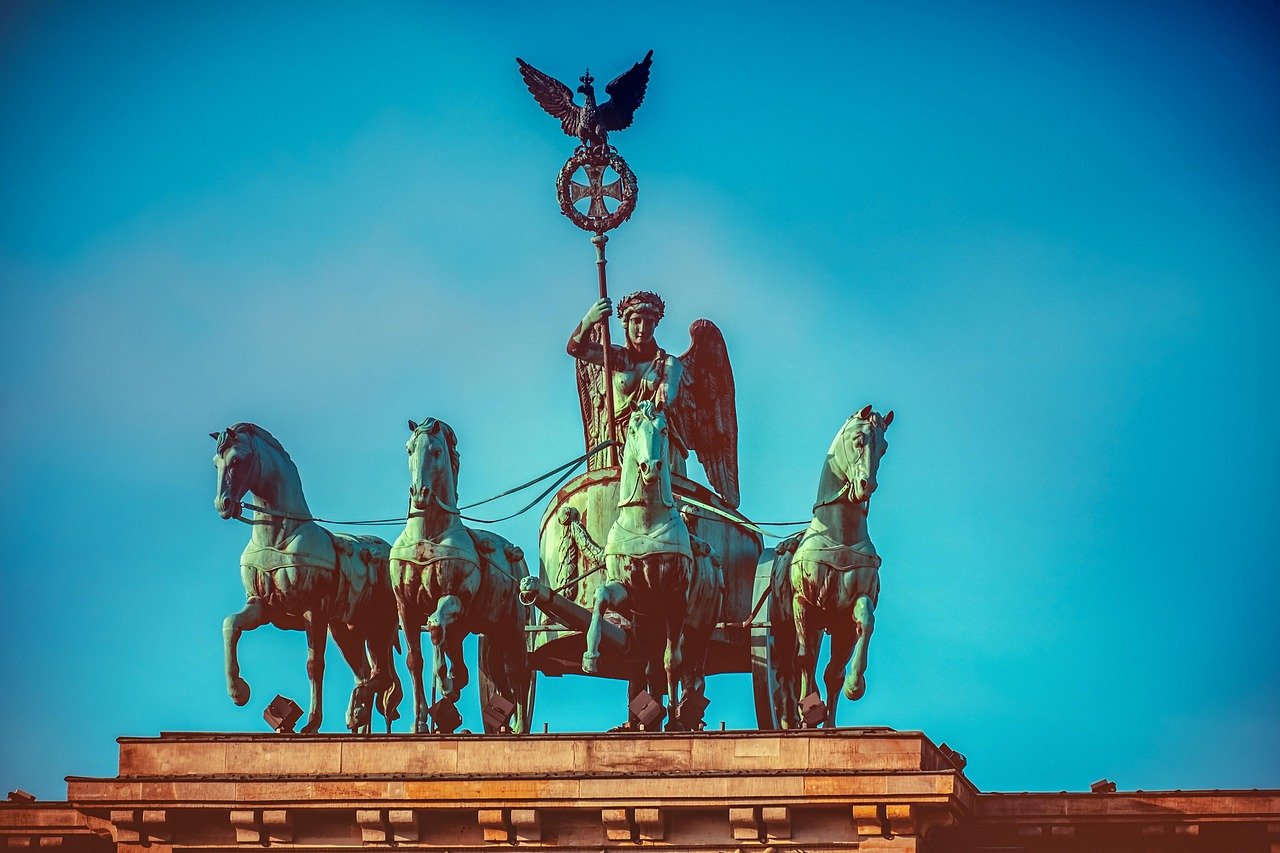
The Brandenburg Gate was commissioned by Prussian King Frederick William II and built between 1788 and 1791, designed by Carl Gotthard Langhans in a Neoclassical style modelled on the Propylaea gateway of the Athenian Acropolis. The quadriga — the sculpture of the goddess of victory driving a four-horse chariot — was added in 1793 and became immediately symbolic of Prussian military ambition. Napoleon removed it to Paris after his 1806 victory; it was returned in 1814 after his defeat. The episode established the gate’s identity as a barometer of German national fortune.
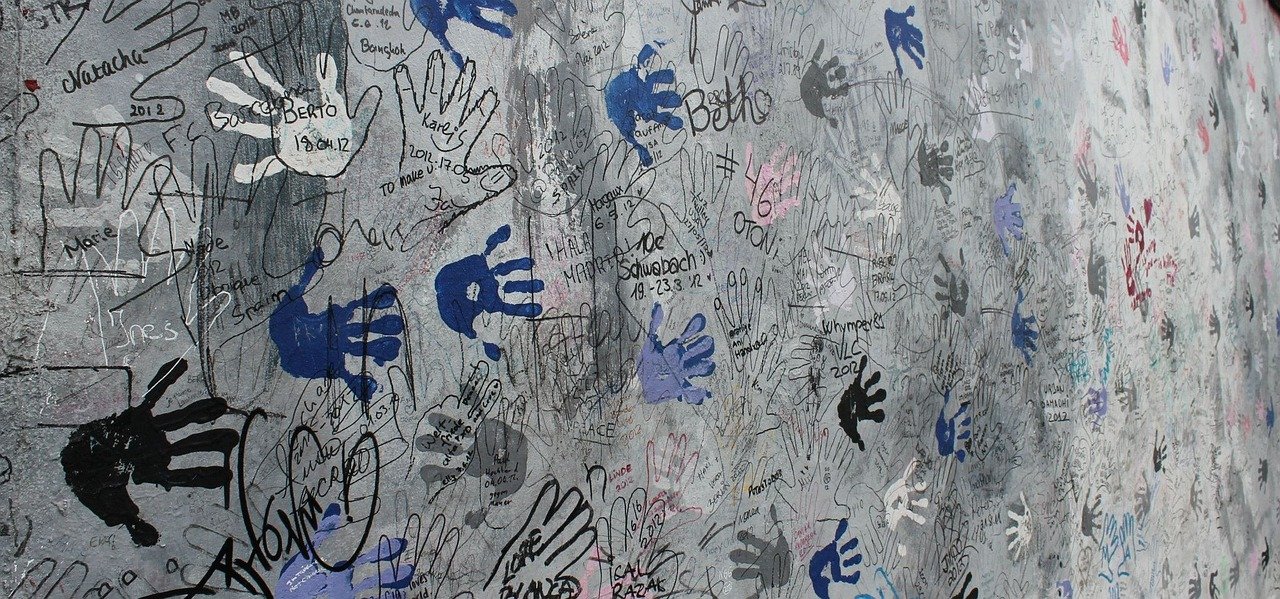
The 20th century gave the gate its most dramatic significance. During the Nazi period it was used for torch-lit marches and political theatre. World War II bombing damaged it significantly. When Berlin was divided by the Wall in 1961, the gate stood precisely at the division point — sealed off, accessible to neither East nor West Berliners, visible to both sides as a symbol of everything the Wall represented. When the Wall fell on November 9–10, 1989, crowds gathered on both sides and eventually surged through the gate together for the first time in 28 years. The Brandenburg Gate became in that single night the symbol of reunification it has been ever since.
What to See at the Brandenburg Gate
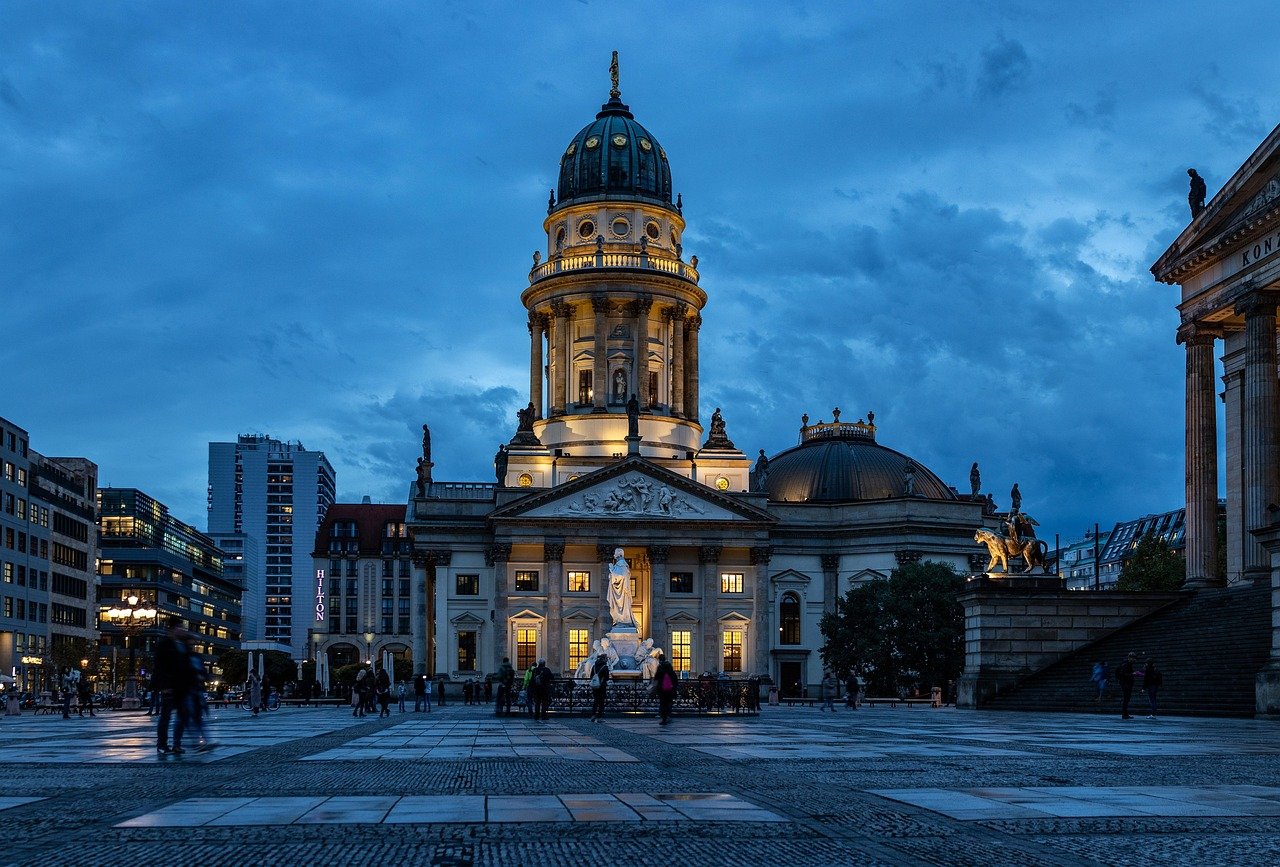
The gate itself is the primary attraction — 26 metres high, 65 metres wide, with five passages (the central one historically reserved for royalty and now closed to traffic), and the restored quadriga on top. The Room of Silence in the north wing offers a space for quiet reflection. The surrounding Pariser Platz has been beautifully restored after wartime destruction and reunification-era reconstruction — embassies, luxury hotels, and the Academy of Arts ring the square in an architectural conversation between the historic and the contemporary.
The immediate surroundings are equally significant. The Memorial to the Murdered Jews of Europe (Holocaust Memorial) is a two-minute walk south — 2,711 concrete stelae of varying heights on an undulating underground grid that visitors walk through at eye level, experiencing the disorienting effect designed by architect Peter Eisenman. The Tiergarten stretches west from the gate, Berlin’s great urban forest and park. The Reichstag building with its glass dome by Norman Foster is a five-minute walk north. The entire Mitte district extends east — museums, galleries, government buildings, and the reconstructed Humboldt Forum.
The Quadriga and Architecture
The six Doric columns of the gate’s main structure and its two flanking buildings create a classical harmony that has remained structurally intact despite the extraordinary pressures of twentieth-century history. The gate narrowly escaped total destruction in World War II — damaged significantly, it remained standing while almost everything around it was levelled. It stood in the no-man’s land of divided Berlin for 28 years, neither maintained nor accessible, before reunification allowed a comprehensive restoration completed in 2002.
The quadriga’s current version is a post-war cast from pre-war moulds preserved in West Berlin, reinstated in 1990 in a ceremony that carried enormous symbolic weight. The Iron Cross on the goddess’s laurel wreath and the Prussian eagle added in 1814 to celebrate Napoleon’s defeat remain — historical details that most visitors walk beneath without noticing, but which connect the gate’s classical aesthetics to very specific moments of European history.
Practical Information
- Tickets: Free to visit. Room of Silence inside the gate: free.
- Opening hours: Outdoor monument accessible at all hours. Room of Silence: daily 10:00–18:00
- Best time to visit: Early morning (07:00–09:00) for minimal crowds and beautiful light; or dusk for golden illumination. Avoid major public events and New Year celebrations when the square becomes extraordinarily crowded.
- Duration: 30–60 min at the gate; half-day including Holocaust Memorial, Reichstag, and Tiergarten
- Booking: No booking required for the gate. Reichstag dome visit requires advance booking (free) at bundestag.de
Local Insights
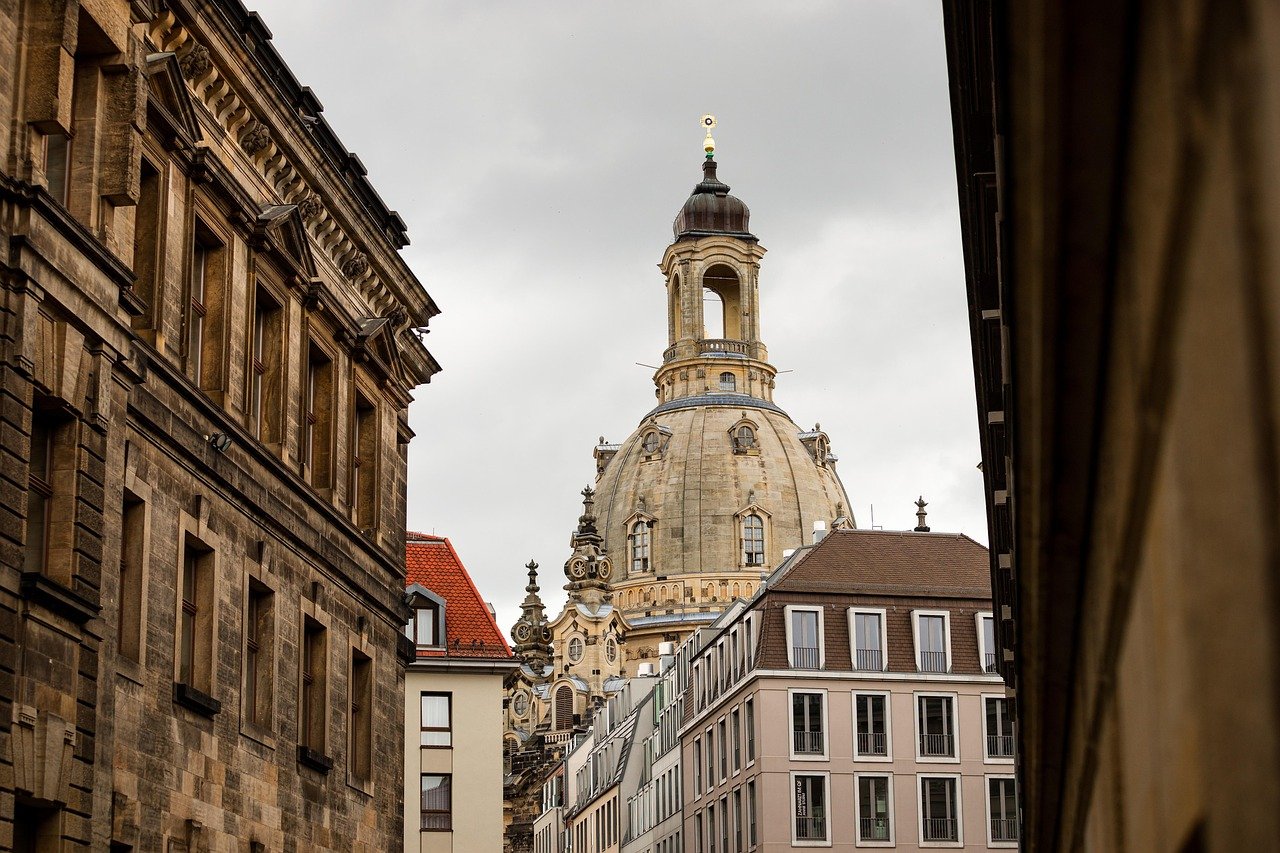
What locals know that guidebooks don’t always tell you:
- The Holocaust Memorial is most powerful experienced slowly and alone — enter and walk toward the centre where the stelae are tallest and the sky disappears. Avoid it on weekend afternoons when children treat it as a playground, which understandably happens but changes the atmosphere entirely.
- The Reichstag glass dome rooftop is free but requires online booking weeks in advance for weekend slots. Weekday morning slots (08:00–09:00) are the quietest and most available.
- The Brandenburg Gate New Year’s celebration (Silvester) is one of Europe’s largest outdoor parties — over one million people in the avenue. Extraordinary once; arrive very early and expect to leave very late.
- The small exhibition inside the gate (free) includes historical photographs of the gate in wartime and divided-city conditions that bring its significance into vivid focus.
- Walking from the gate east along Unter den Linden boulevard is the essential Berlin historical walk — past the state opera, the Humboldt University, Bebelplatz, and the Humboldt Forum to Museum Island, all in 25 minutes on foot.
Getting There
- U-Bahn/S-Bahn: S1, S2, S25 → Brandenburger Tor station (adjacent); U55 → Brandenburger Tor
- Bus: 100, 200 → Brandenburger Tor stop
- On foot: 15 min from Checkpoint Charlie; 20 min from Museum Island; 5 min from Holocaust Memorial
- Cycling: Extensive cycle paths through the Tiergarten and along Unter den Linden; bike hire widely available
Frequently asked questions
Can I walk through the Brandenburg Gate?
Yes. The five passages are open to pedestrians at all times. The central passage is the most historically significant — previously reserved for royalty. No vehicles can pass through the gate directly; the road runs around it.
Is there an entrance fee?
No. The Brandenburg Gate and all its public areas are completely free to visit at any time. The Room of Silence inside is also free. The nearby Holocaust Memorial is also free to enter.
When is the best time of day for photographs?
Early morning (07:00–09:00) offers the best light from the east, illuminating the gate’s western face during the golden hour. The gate is also dramatically lit after dark. Midday in summer is the most crowded and least flattering photographically.
What is the Room of Silence?
A small room inside the north wing of the gate designated for quiet reflection, regardless of religious belief or national background. Open daily 10:00–18:00, free of charge.
What other landmarks are near the Brandenburg Gate?
Holocaust Memorial (2 min south), Tiergarten park (directly west), Reichstag (5 min north), Potsdamer Platz (10 min south-east), Unter den Linden boulevard (begins at the gate’s eastern side).