
Bodegas Salentein 💎 Hidden Gem
The drive from Mendoza into the Uco Valley feels like a slow revelation — vineyards spread across a high desert plain, the snow-capped Andes rising closer and closer until they fill the windshield. Then, around a bend in the road, the chapel appears: a perfectly proportioned stone cross-plan building set into the slope of a hill, its geometry so clean it looks drawn. This is Bodegas Salentein, where Dutch investment, Andean terroir, and a genuine passion for both wine and art have produced one of South America’s most architecturally striking wineries.
History of Bodegas Salentein
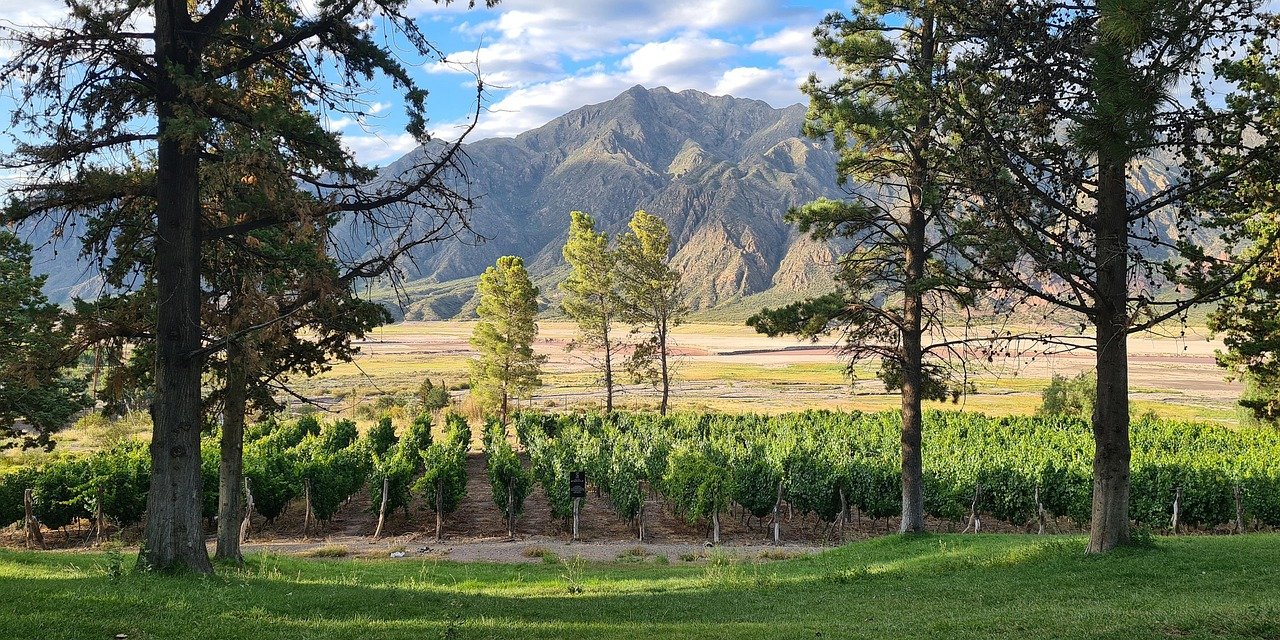
Bodegas Salentein was founded in 1992 when Dutch businessman Mijndert Pon began acquiring land in the Uco Valley — a sub-region of Mendoza situated at elevations between 1,050 and 1,700 meters above sea level. The location was not accidental: Pon had identified the valley’s combination of intense sunshine, cold nights, alluvial soils, and snowmelt irrigation as ideal for producing premium wines. He commissioned the construction of a winery designed by Argentine architect Roberto Mignone, who created a cruciform building with four separate wings radiating from a central point — a form that both maximizes temperature control and creates a striking visual landmark in the flat valley.
The name Salentein comes from a Dutch estate that Pon owned in the Netherlands, lending the operation a European quality ethos from the outset. The winery expanded progressively through the 1990s and 2000s, acquiring more vineyard blocks and building the Killka cultural center — a gallery and performance space that hosts international and Argentine artists — signaling that this would be as much a cultural destination as a wine producer. Today Salentein is one of the most exported Argentine wineries, with its Malbec, Pinot Noir, and Chardonnay reaching more than 40 countries.
What to See and Taste
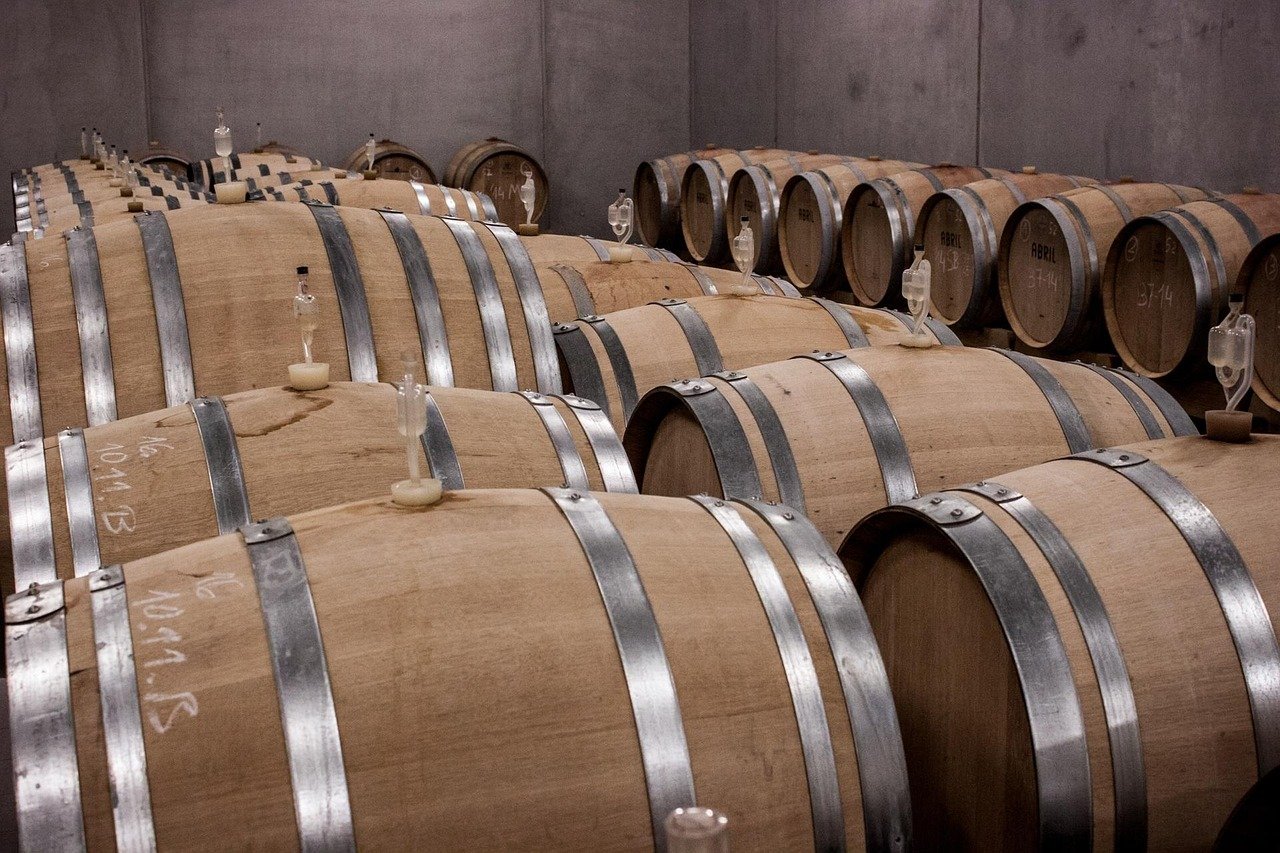
The winery tour begins in the vineyards themselves, where guides explain the altitude viticulture that gives Uco Valley wines their distinctive profile — high UV exposure accelerates polyphenol development while cold nights slow sugar accumulation, resulting in wines with deep color, fresh acidity, and powerful structure. Inside the cruciform building, visitors descend into the barrel cellar, where thousands of oak barrels are arranged in semicircular rows beneath the central dome. The acoustics in this space are remarkable, and Salentein regularly uses it for classical music concerts.
The tasting room offers flights of three to six wines, with options ranging from the entry-level Portillo range to the flagship Numina and Single Vineyard expressions. The Killka restaurant serves regional Argentine cuisine paired with Salentein wines, with floor-to-ceiling windows framing the Andes. The adjacent Killka art gallery changes exhibitions regularly and has hosted works by internationally recognized Argentine and international artists. A separate cultural program includes concerts, photography exhibitions, and viticulture workshops.
The Architecture and Art
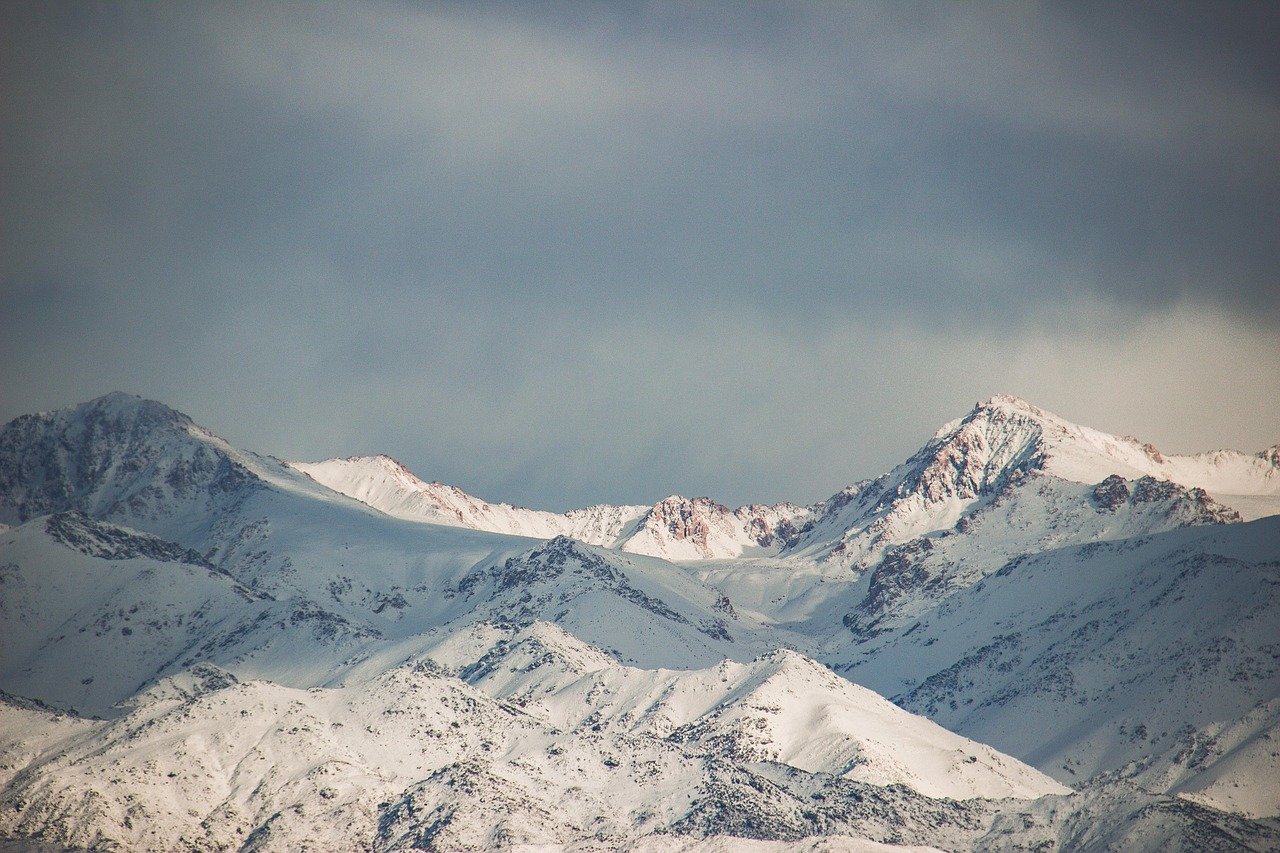
The cruciform layout of the main winery building is not merely aesthetic — each wing faces a cardinal direction, and the building is partially buried in the hillside, using the earth as insulation to maintain the constant 14-16 degree temperature required for barrel aging. The central dome provides natural light through a glass oculus while maintaining the necessary darkness for wine development. Stone sourced locally from the Andes gives the building a weight and permanence that blends it into the mountain landscape rather than imposing on it.
The Killka cultural space, housed in a separate building just steps from the winery, was designed with the same philosophy: large glass surfaces frame the Andes while interior walls display rotating art collections. The gallery has become a genuine cultural institution in Mendoza, hosting works by major Argentine artists like Nicola Costantino alongside international shows. For visitors who care about architecture and design as much as wine, the Salentein complex stands as one of the most thoughtfully conceived winery destinations in the southern hemisphere.
Practical Information
- Tickets: Guided tours with tasting from USD 20-35 per person; gourmet lunch experiences from USD 60+. Book directly on the Salentein website.
- Opening hours: Tuesday to Sunday, 10:00-17:00; tours depart at set times, advance booking recommended.
- Best time to visit: March-April for harvest season when the vineyards are at their most colorful; September-October for spring bloom.
- Duration: 2-3 hours for tour and tasting; half a day if including lunch at Killka restaurant.
- Booking: Reserve online at bodegasalentein.com; some tour slots fill weeks in advance in peak season.
Local Insights
What locals know that guidebooks do not always tell you:
- Book the Portillo tasting if you want to try the everyday wines — the flagship Numina range is exceptional but the Portillo Malbec at a fraction of the price is one of the best value wines in Argentina.
- The drive from Mendoza city takes about 90 minutes — rent a car or book a dedicated wine tour rather than relying on public transport, which does not reach the Uco Valley well.
- The barrel cellar acoustics are genuinely extraordinary; ask your guide if any concerts are scheduled during your visit — they are ticketed separately but worth it.
- The Killka gallery is free to enter and often less crowded than the main winery — go there first to orient yourself and check the current exhibition before joining the tour.
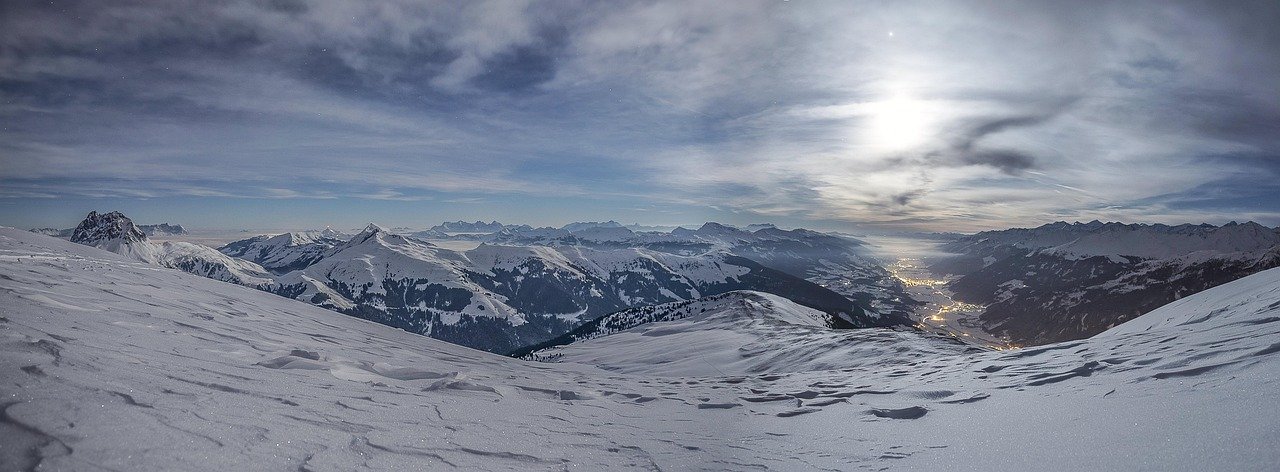
- Mornings tend to have clearer Andean views; afternoon clouds often obscure the peaks, so time your vineyard photos for the first hours of opening.
Getting There
- By car: Follow Ruta Nacional 40 south from Mendoza city, then Ruta 89 into Los Arboles — about 90 km and 90 minutes.
- Organized tour: Most Mendoza wine tour operators include Salentein in Uco Valley day itineraries; highly recommended as drivers can taste too.
- Taxi: Remis (licensed taxis) from Mendoza city to the winery run about ARS 15,000-25,000 each way; confirm price before departure.
- Bus: No direct bus service exists to the winery; the nearest town (Tunuyan) is served by regional buses from Mendoza but a taxi is still needed for the final stretch.
Frequently asked questions
Do I need to book in advance at Bodegas Salentein?
Yes, advance booking is strongly recommended. The cruciform winery has limited tour capacity and the Killka restaurant fills up quickly, particularly on weekends and during harvest season in March and April.
Can I visit Bodegas Salentein without a tour?
The Killka art gallery can generally be visited independently, but the winery, barrel cellars, and vineyards require a guided tour. Drop-in visitors may be accommodated if space allows but this cannot be guaranteed.
What wines should I try at Salentein?
The Malbec from the Single Vineyard series showcases what high-altitude Uco Valley terroir can achieve. The Pinot Noir is also exceptional for Argentina. If you are looking for a white wine, the Chardonnay is barrel-fermented and competes with premium Burgundy expressions.
Is Bodegas Salentein child-friendly?
Yes — the vineyard grounds and Killka gallery are suitable for families. Children are welcome on the winery tour and can taste freshly pressed grape juice during harvest season. Non-alcoholic beverages are available at the restaurant.
Are there other wineries nearby?
The Uco Valley has a cluster of premium wineries within 30 minutes of Salentein, including Achaval Ferrer, Clos de los Siete, and Zuccardi Valle de Uco. A dedicated Uco Valley wine day can easily incorporate two or three properties with advance planning.