
Bo-Kaap 💎 Hidden Gem
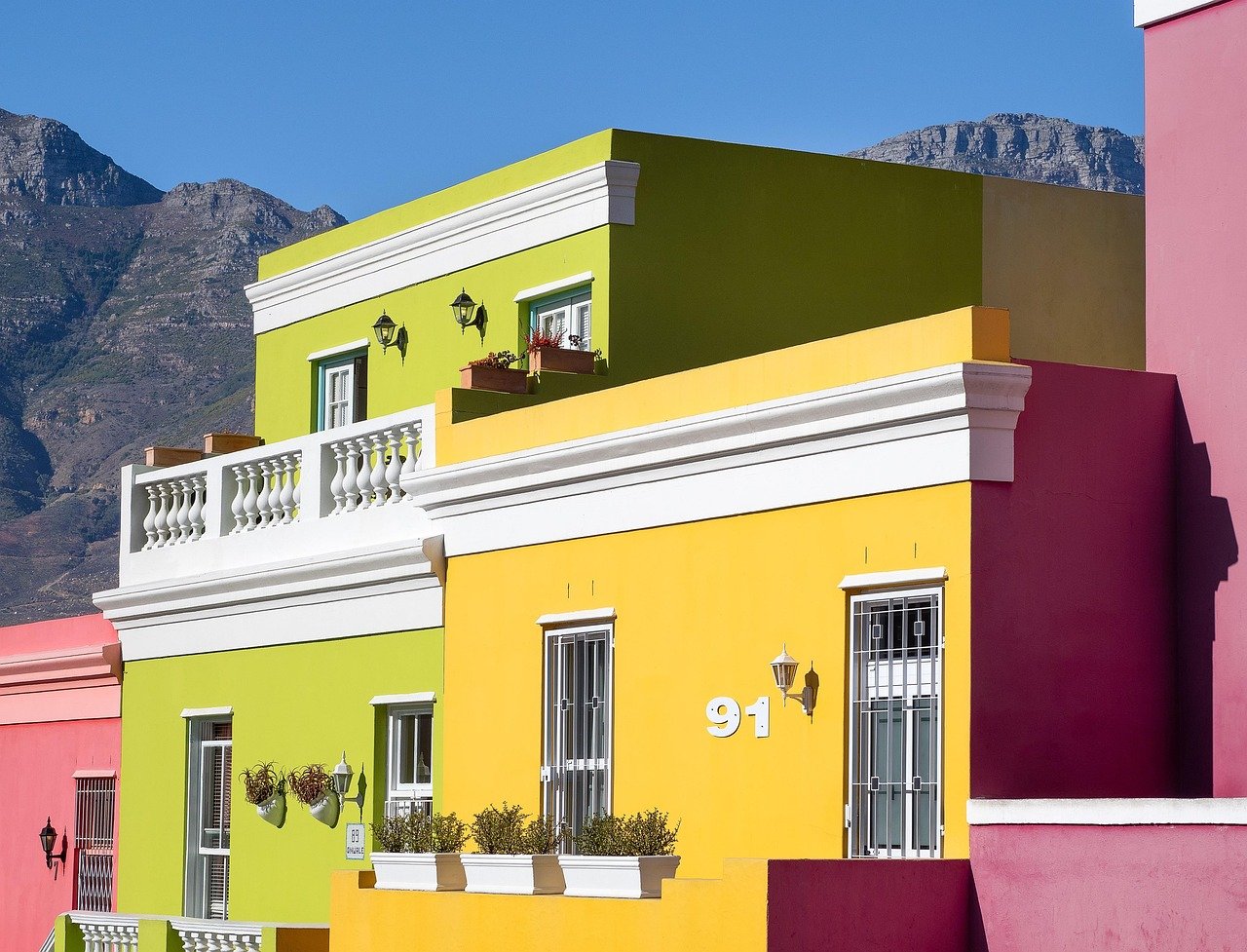
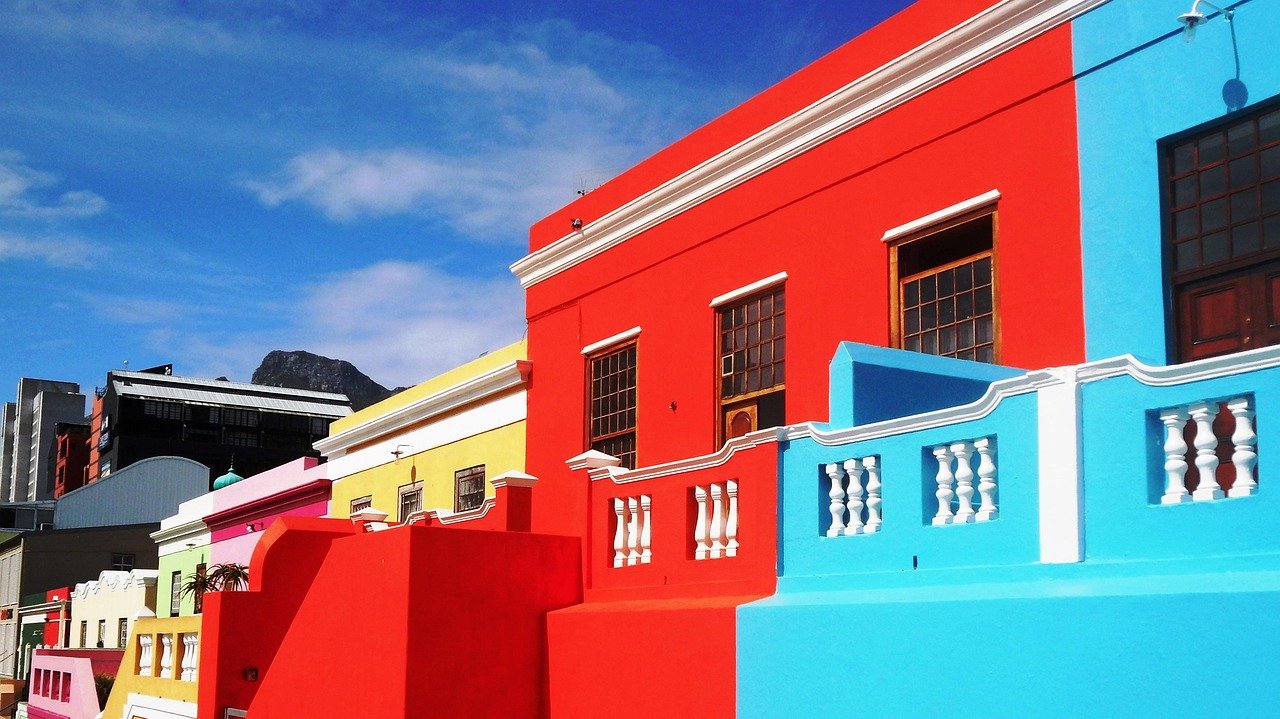
Bo-Kaap is one of Cape Town most visually striking and historically significant neighbourhoods. Perched on the slopes of Signal Hill just above the city centre, this compact quarter of brightly painted houses in vivid shades of yellow, pink, blue, and green has become one of South Africa’s most photographed urban scenes. But beyond its photogenic streets, Bo-Kaap is a living community with deep roots in Cape Malay culture, one of Cape Town’s oldest and most distinctive cultural traditions.
History and Heritage
Bo-Kaap means Above the Cape in Afrikaans, and the neighbourhood was established in the 18th century as a settlement for slaves and freed slaves brought to the Cape Colony from Malaysia, Indonesia, India, and East Africa. These communities developed a unique culture that blended Islamic faith, Malay cooking traditions, and Cape Dutch architecture. The neighbourhood retains its Muslim character today, with several mosques including the Auwal Mosque, South Africa’s oldest, founded in 1794. The community narrowly survived demolition under apartheid forced removals and has been fighting for heritage protection ever since.
The Painted Houses
The houses of Bo-Kaap were painted in their vivid colours after the end of apartheid, when residents celebrated freedom by expressing their identity through colour. Visitors are free to walk the cobblestone streets at any time, admiring the architectural variety that ranges from Malay-style single-storey cottages to grander Georgian terraces. Photography from the streets is welcomed, though the neighbourhood remains a residential community and visitors should be respectful of private spaces. The hill also offers excellent views over the city centre and across to Table Mountain.

Cape Malay Culture and Food
Bo-Kaap is the heartland of Cape Malay cuisine, one of the distinctive food traditions of the Western Cape. Spiced curries, fragrant biryani, koeksisters (braided deep-fried dough) and koesisters (coconut-dusted Malay pastries) are local specialities. The Bo-Kaap Museum on Wale Street preserves the history and culture of this community, while cooking classes and guided walking tours offer visitors deeper engagement with the neighbourhood heritage. Several community-run eateries offer authentic Cape Malay meals in a welcoming atmosphere.
Practical Tips
- Photography is welcome on public streets; avoid photographing people without permission
- Dress modestly when visiting during Friday prayers at the mosques
- The neighbourhood is safe for daytime visits but be aware at night
- Guided walking tours provide historical context and community access
- Combine with the nearby V&A Waterfront and Company Garden
Getting There
Bo-Kaap is within walking distance of central Cape Town, situated on the lower slopes of Signal Hill above the city centre. From the CBD, walk up Buitenkant Street to Wale Street, then continue into the neighbourhood. MyCiTi bus routes connect the area with the V&A Waterfront and central Cape Town. Most hotels in the CBD are within 15-20 minutes walk. Uber and taxis are also readily available.