
Berlin Underground Museum (Berliner Unterwelten)
Beneath Berlin’s busy streets lies an entirely different world — a labyrinth of tunnels, bunkers, and wartime shelters that witnessed some of the twentieth century’s most dramatic events. Berliner Unterwelten, the organisation dedicated to exploring these forgotten spaces, has spent decades uncovering what lies below the German capital. Visiting their guided tours is not merely sightseeing; it is stepping into living history, where the smell of cold concrete and the hum of deep silence transport you to eras most people only read about in textbooks. Whether you are fascinated by the Cold War, World War II, or the technical ingenuity of underground construction, Berlin’s subterranean world delivers an experience that stays with you long after you return to the surface.
History of the Berlin Underground Museum (Berliner Unterwelten)
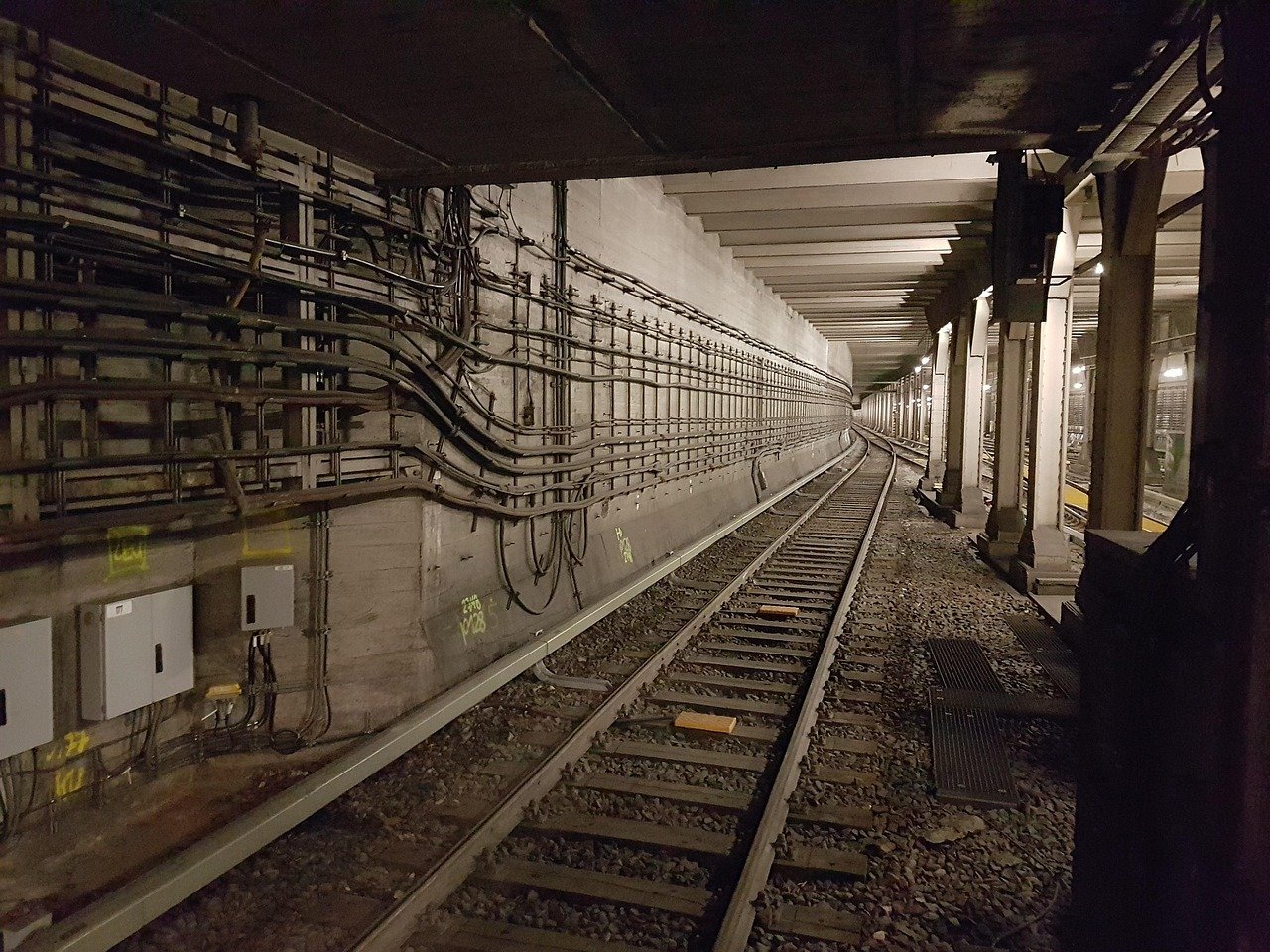
The organisation known as Berliner Unterwelten — literally “Berlin Underworlds” — was founded in 1997 by a group of history enthusiasts determined to document and preserve Berlin’s hidden infrastructure. At its heart is a network of tunnels built during the Second World War to shelter civilians from Allied bombing raids. The most iconic of these are the large public bunkers constructed beneath U-Bahn stations, capable of housing thousands of people during air raids that devastated the city in 1943 and 1944. Unlike many European cities that filled or demolished their wartime shelters, Berlin retained large sections largely intact, creating a remarkable time capsule of mid-twentieth-century civil engineering.
After the war, the tunnels took on new significance during the Cold War division of Berlin. Some passages were exploited by the East German state for surveillance purposes, while others became conduits for daring escape attempts by citizens trying to flee to the West. Berliner Unterwelten has meticulously catalogued these stories, interviewing survivors and collecting artefacts to build one of the most comprehensive oral and material records of Berlin’s underground history. Today the organisation manages access to multiple sites across the city, running guided tours that reveal this hidden layer of Berlin’s biography to visitors from around the world. Their work has been internationally recognised as a model of community-led historical preservation, combining rigorous scholarship with genuinely gripping storytelling.
What to See at the Berlin Underground Museum
Tour 1: Dark Worlds — WWII Air Raid Shelters
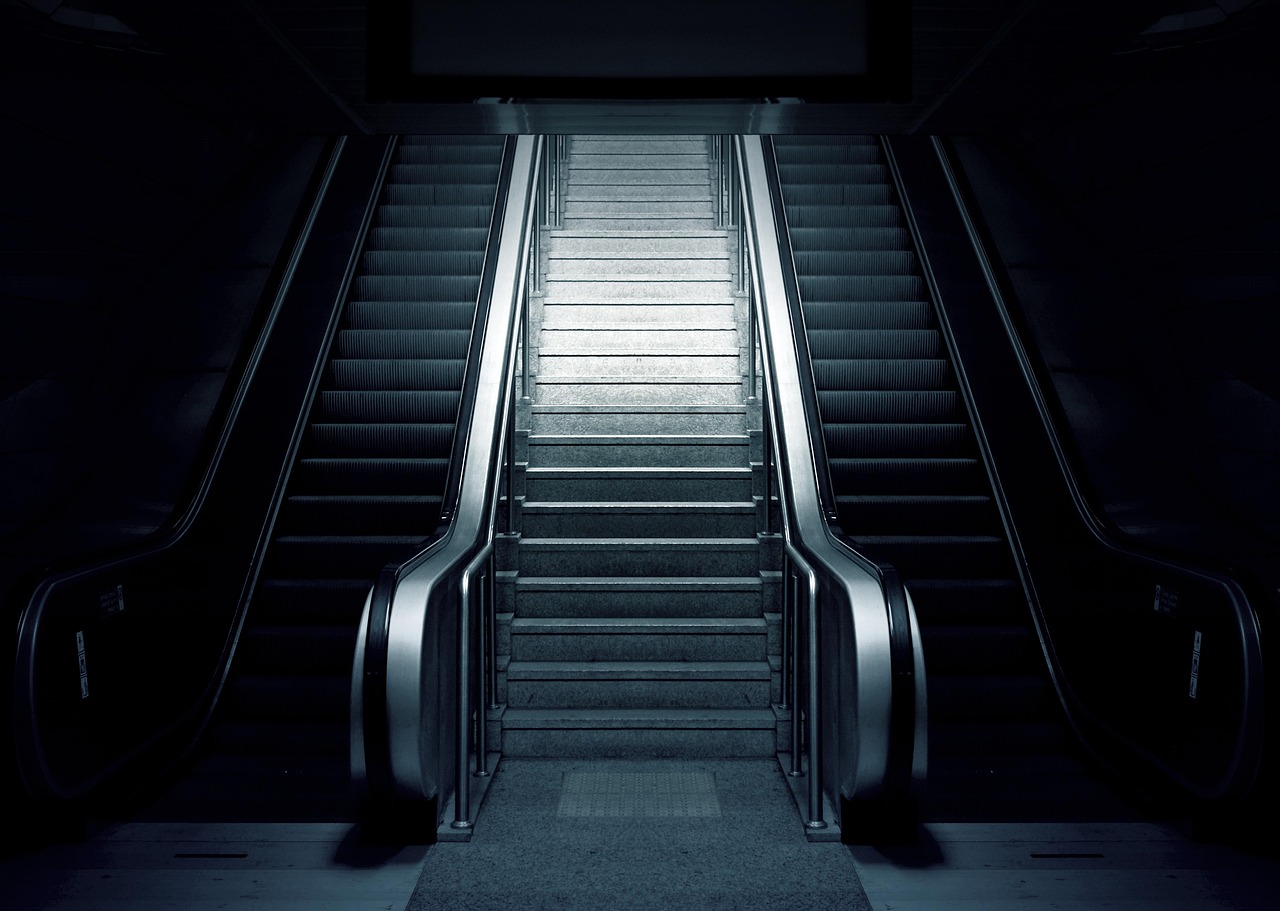
The most popular tour Berliner Unterwelten offers is called “Dark Worlds,” and it takes visitors into the air raid shelters built beneath Gesundbrunnen U-Bahn station in the early 1940s. Walking through the low, arched concrete corridors, you encounter original wartime fittings: wooden bunk boards, emergency lighting systems, ventilation equipment, and medical station remnants that speak to the desperate conditions civilians endured during heavy bombing. The guide brings these spaces to life with accounts of real Berliners who sheltered here, describing nights of thunderous explosions above while thousands huddled below. The temperature drops noticeably as you descend, lending the tour a visceral sense of displacement from the modern city above. Artefacts excavated from these tunnels — including military equipment, personal belongings, and industrial machinery — are displayed along the route to provide context. This tour runs year-round and lasts approximately ninety minutes, making it the ideal introduction to the underground network for first-time visitors.
Tour 3: From Flak Tower to Swimming Pool
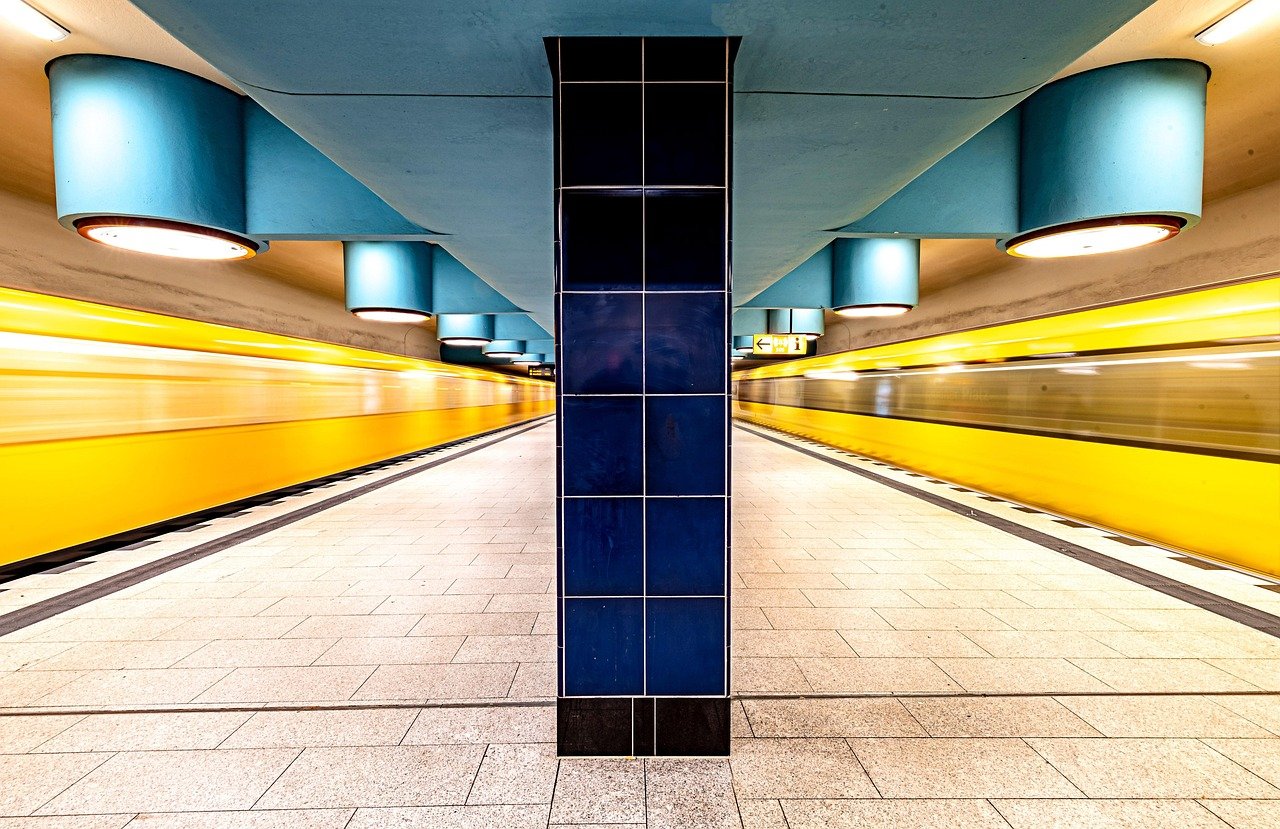
Tour 3 examines a fascinating aspect of Berlin’s postwar history: how the city repurposed its wartime infrastructure for civilian use. This tour explores the Humboldthain flak tower complex — enormous reinforced concrete anti-aircraft platforms built by the Nazis — and traces their transformation over the decades. Part of the bunker system was converted into cold storage, swimming facilities, and even a wine cellar during the West German era, reflecting a pragmatic approach to structures too massive to demolish. The tour also ventures into tunnel sections used during the Cold War, where visitors learn how both East and West Berlin maintained extensive underground infrastructure for emergency scenarios. Guides are expert at weaving together the military, political, and social threads of this story, ensuring visitors leave with a rounded understanding of how Berlin repeatedly reinvented itself — above and below ground — across the turbulent decades of the twentieth century.
Special Tours and Seasonal Events
Beyond the regular tours, Berliner Unterwelten runs a rotating programme of special events that probe deeper into specific aspects of underground history. Summer sessions sometimes venture into normally closed sections of tunnel, while Halloween and winter events use the atmospheric underground settings to dramatic effect. Photography tours are periodically scheduled for visitors who want extended time to document the spaces with cameras. The organisation also offers tours conducted entirely in English, making the experience fully accessible to international visitors. A small exhibition space at the Gesundbrunnen entrance displays rotating selections from Berliner Unterwelten’s extensive archive of maps, photographs, and artefacts, providing additional context before or after the guided portion of the visit. Checking the website well in advance is advisable, as popular seasonal tours sell out weeks ahead.
Local Insights
Make the most of your underground Berlin experience with these insider tips from regular visitors and local history enthusiasts.
- Book well in advance, especially for weekends: Berliner Unterwelten tours have a strict capacity limit — often around 30 to 40 people — and English-language slots on Saturdays and Sundays regularly sell out two to three weeks ahead. Midweek slots are easier to book and tend to have smaller groups, making the experience feel more intimate and personal.
- Wear warm layers even in summer: The underground temperature inside the tunnels stays around 10°C (50°F) year-round regardless of the weather above. Even on a hot Berlin summer day you will feel genuinely cold within minutes of descending. A light jacket or a hoodie stuffed in a day bag is the single most important piece of kit to bring.
- Combine with the Wedding neighbourhood above: The Gesundbrunnen entrance sits in the Wedding district, one of Berlin’s most underrated neighbourhoods. After the tour, explore the excellent street food markets and independent cafés nearby, or visit the Borsig park — a former industrial site turned green space — just a short walk from the station.
- Photography is permitted and actively encouraged: Unlike many historically sensitive sites, Berliner Unterwelten welcomes photography throughout most of their tunnels. Bring a camera with a wide-aperture lens or a phone with good low-light capability, as the artificially lit corridors offer dramatic, eerie compositions. A small torch or head torch can also be useful during certain tour sections.
- Children above ten tend to engage well: The content covers warfare, death, and suffering with historical honesty rather than sensationalism, so younger children may find the material disturbing or difficult to contextualise. Teenagers and adults tend to find the tours profoundly compelling. The organisation recommends minimum ages for certain tours, so check before booking with a family group.
Planning Your Visit
- Tickets: Adults €15, concessions (students, seniors) €9. Children under 14 accompanied by an adult €6. Prices may vary for special tours — check the Berliner Unterwelten website for current pricing and any seasonal premium events.
- Opening hours: Tours run Thursday to Sunday, typically starting between 11:00 and 17:00. Exact start times depend on the tour type and season. The organisation does not operate a permanent walk-in visitor centre; all access is by pre-booked guided tour only.
- Best time: Late spring and early autumn offer mild weather for the neighbourhood, and tour availability is generally better than peak summer. If you want a quieter experience, Tuesday or Wednesday special tours (when offered) are the least crowded.
- Duration: Standard tours last 75 to 90 minutes. Special tours and combination events can run up to 2.5 hours. Allow extra time to browse the exhibition space at the entrance before your tour begins.
- Booking: Advance booking is strongly recommended and can be done through the Berliner Unterwelten official website (berliner-unterwelten.de). Walk-up tickets may occasionally be available on the day but cannot be guaranteed.
Getting There
- U-Bahn: Take the U8 line to Gesundbrunnen station. The Berliner Unterwelten entrance is located directly in the station concourse on the northern side — look for the signage near platform level. The journey from Alexanderplatz takes approximately 10 minutes.
- S-Bahn: Gesundbrunnen is also a major S-Bahn hub served by the S1, S2, S25, S26, and S85 lines, making it easily reachable from most parts of Berlin including Hauptbahnhof (central station) in around 5 minutes.
- By car: Parking is limited in this residential district. Paid street parking is available on Badstraße and surrounding streets. Driving is not recommended; public transport access is far more convenient given the station’s central location in the tour complex.
- On foot: From Humboldthain Park, walk south on Behmstraße for approximately 8 minutes to reach Gesundbrunnen station. The park itself was once the site of a WWII flak tower, making the walk itself a mini history lesson.
- Taxi/ride-share: Request drop-off at “Gesundbrunnen Bahnhof” — most Uber and Bolt drivers in Berlin know the station well. The entrance is a 2-minute walk from the main station exit on the northern side.
Frequently asked questions
Is the Berlin Underground Museum suitable for people with claustrophobia?
Some visitors with mild claustrophobia find the tunnels manageable, particularly during the Dark Worlds tour where the main passages are relatively wide. However, certain sections involve low ceilings, narrow corridors, and confined spaces that can be challenging if you have a significant sensitivity to enclosed environments. Berliner Unterwelten guides are experienced in reassuring anxious visitors and will always point out where passages become tighter. If you have any serious concerns, it is worth contacting the organisation directly before booking to discuss which tours might be most suitable for your comfort level.
Can I visit Berliner Unterwelten independently without a guide?
No — all access to the underground tunnels is strictly by guided tour only, and for good reason. The tunnel network is extensive, in some places structurally complex, and the historical content requires proper contextualisation to be meaningful. Berliner Unterwelten’s guides are deeply knowledgeable historians and are trained in first aid and emergency procedures. Independent entry is not permitted under any circumstances. The organisation does run tours in multiple languages including English, German, and occasionally French, so language access is generally not a barrier to participation for international visitors.
What is the difference between the various tour options offered?
Berliner Unterwelten operates several distinct tour routes, each focusing on different aspects of Berlin’s underground history. Tour 1 (Dark Worlds) concentrates on WWII air raid shelters. Tour 3 examines the postwar repurposing of bunker infrastructure including flak towers. Tour 4 explores Cold War-era escape tunnels built by East Berliners attempting to flee to the West — a particularly emotional and gripping tour. Special and seasonal tours venture into less frequently visited sections of the network. It is worth checking the full programme on the organisation’s website to select the tour that best matches your historical interests, as each offers a genuinely different experience of the underground city.
Are there any physical requirements for the tours?
Most standard tours require the ability to walk for 75 to 90 minutes on uneven ground and to manage occasional low-clearance sections where you may need to duck. Sturdy, closed-toe shoes are recommended as tunnel floors can be damp and slippery in places. The tours are not wheelchair accessible, and the organisation advises visitors with significant mobility limitations to contact them directly to discuss options. Pregnant visitors are advised to consult their physician before booking. Importantly, the tunnels contain no natural light during the tour; guides carry torches and the passages have installed lighting, but visitors should be comfortable in low-light environments.
The Escape Tunnels of Cold War Berlin
One of the most emotionally charged aspects of the Berliner Unterwelten programme is its documentation of the escape tunnels dug by West Berliners to help friends and family members flee the East after the Berlin Wall was erected in August 1961. These tunnels — some stretching nearly 150 metres — were dug by hand by groups of students and volunteers, working in secret under constant threat of discovery by the Stasi, East Germany’s feared secret police. The most famous, Tunnel 57, was completed in 1964 and allowed 57 people to escape to the West before it was discovered and its operators barely evaded capture. Berliner Unterwelten has meticulously researched and documented these operations, conducting interviews with survivors and tunnel diggers while preserving original maps, tools, and correspondence in their archive. Certain tours include this dimension of underground Berlin history, making the experience not only a journey through military infrastructure but also a deeply human story of courage, ingenuity, and the desperate desire for freedom that defined life in a divided city. The accounts of what people risked and endured to reunite with loved ones on the other side of a wall — often just a few hundred metres away — remain among the most powerful testimonies of the Cold War era.