
Beagle Channel 💎 Hidden Gem
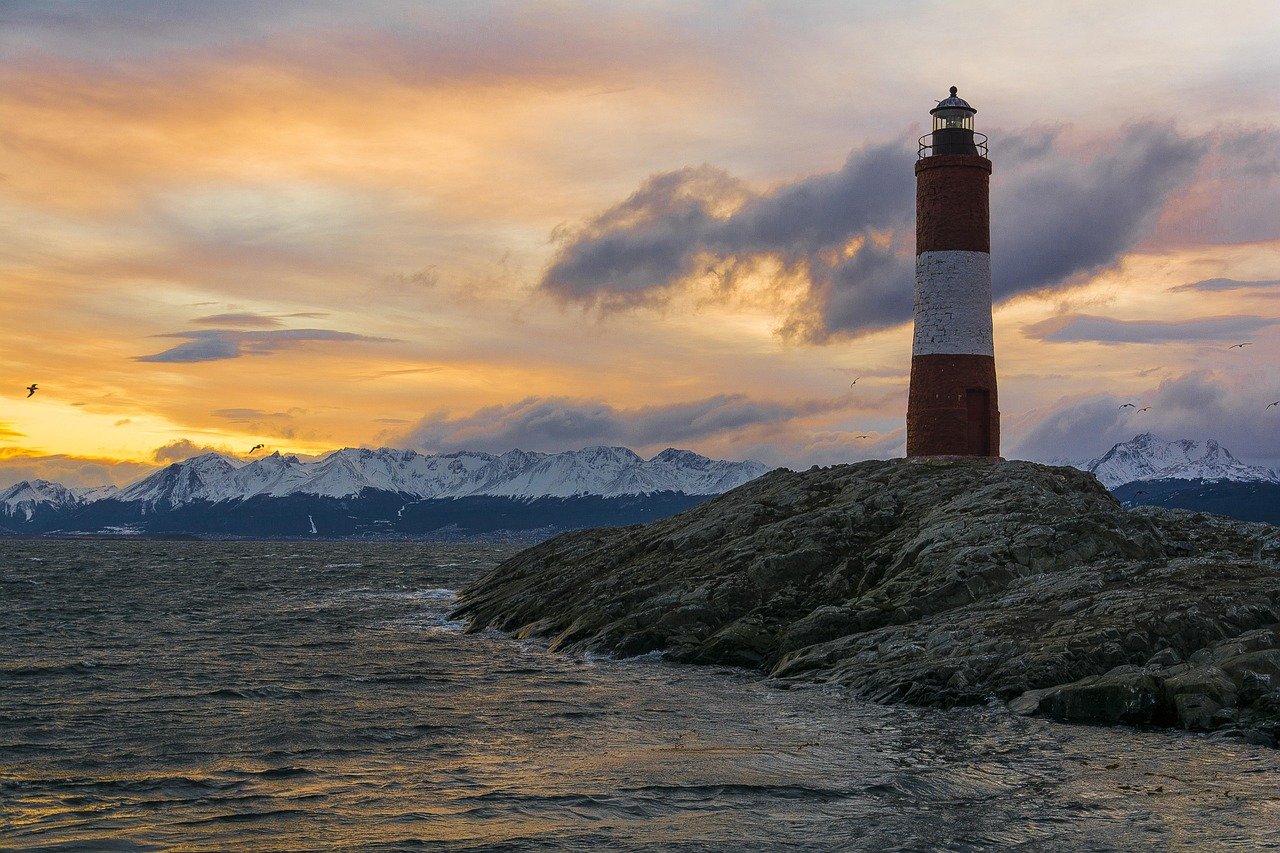
The catamaran glides out of Ushuaia’s harbor and within minutes the city disappears behind a curtain of snow-dusted mountains. Ahead, the Beagle Channel stretches to the horizon — a 240-kilometer-long seaway connecting the Atlantic and Pacific Oceans at the southernmost tip of South America. Sea lions bark from rocky outcrops, Magellanic penguins waddle along shorelines, and the iconic Les Éclaireurs Lighthouse stands sentinel on a tiny island, its red-and-white tower reflected in ink-dark water. This is the end of the world, and it is breathtakingly alive.
History of the Beagle Channel
The channel was named after HMS Beagle, the Royal Navy survey ship that charted these waters in two expeditions (1826–1836). The second voyage became famous for carrying a young naturalist named Charles Darwin, who spent five years aboard the Beagle and developed key insights that would eventually shape his theory of evolution. Darwin was transfixed by the indigenous Yaghan people he encountered here — among the most southerly-dwelling humans on Earth — who survived the brutal Fuegian climate by living in bark canoes and coating their bodies in seal fat rather than wearing clothes.
The channel forms the modern border between Argentina (to the north) and Chile (to the south), a division that was the source of border disputes well into the 20th century. The 1984 Treaty of Peace and Friendship finally resolved territorial tensions, and today the waters are shared peacefully by both nations. The Yaghan people, whose ancestors navigated these channels for over 6,000 years, have been reduced to just one surviving full-blooded member — Cristina Calderón — though cultural revitalization efforts continue among descendants in Puerto Williams, Chile.
What to See
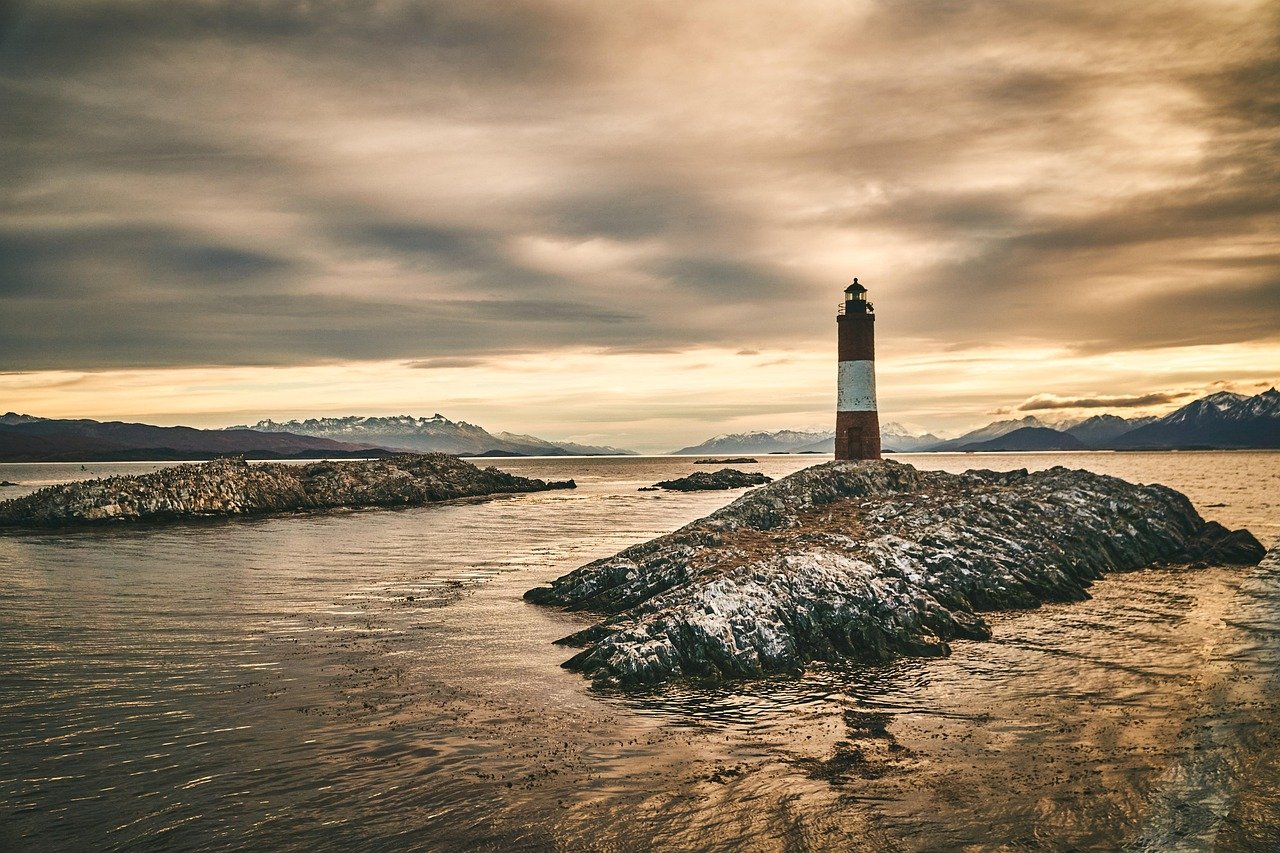
Every boat tour of the Beagle Channel passes the Isla de los Lobos (Sea Lion Island), where hundreds of South American sea lions haul out on rocks — growling, jostling, and occasionally launching themselves into the water with surprising grace. The Isla de los Pájaros (Bird Island) hosts cormorants, albatrosses, and kelp geese nesting among ancient algae formations. The centerpiece of most tours is the Les Éclaireurs Lighthouse, often (incorrectly) called the “Lighthouse at the End of the World” after Jules Verne’s novel — though that fictional lighthouse was actually modeled on the San Juan de Salvamento lighthouse on Isla de los Estados.
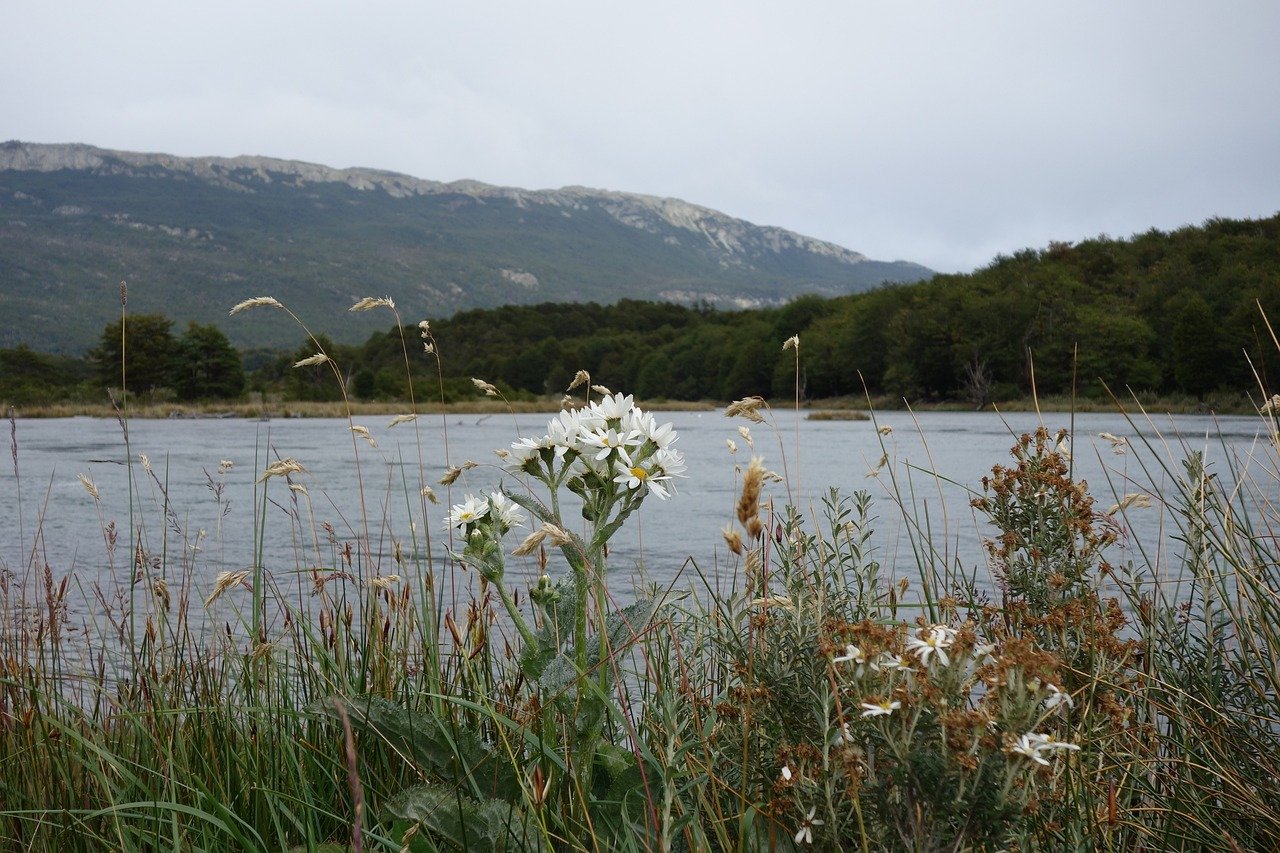
Longer tours extend to Estancia Harberton, the oldest estancia (ranch) in Tierra del Fuego, founded in 1886 by English missionary Thomas Bridges. From there, boats continue to Isla Martillo, where a small Magellanic and Gentoo penguin colony allows remarkably close observation between October and March. The landscape throughout is dramatic — steep forested slopes descend to the water’s edge, and on clear days the Darwin Range’s snowy peaks reflect in the glassy channel surface.
Wildlife of the Beagle Channel
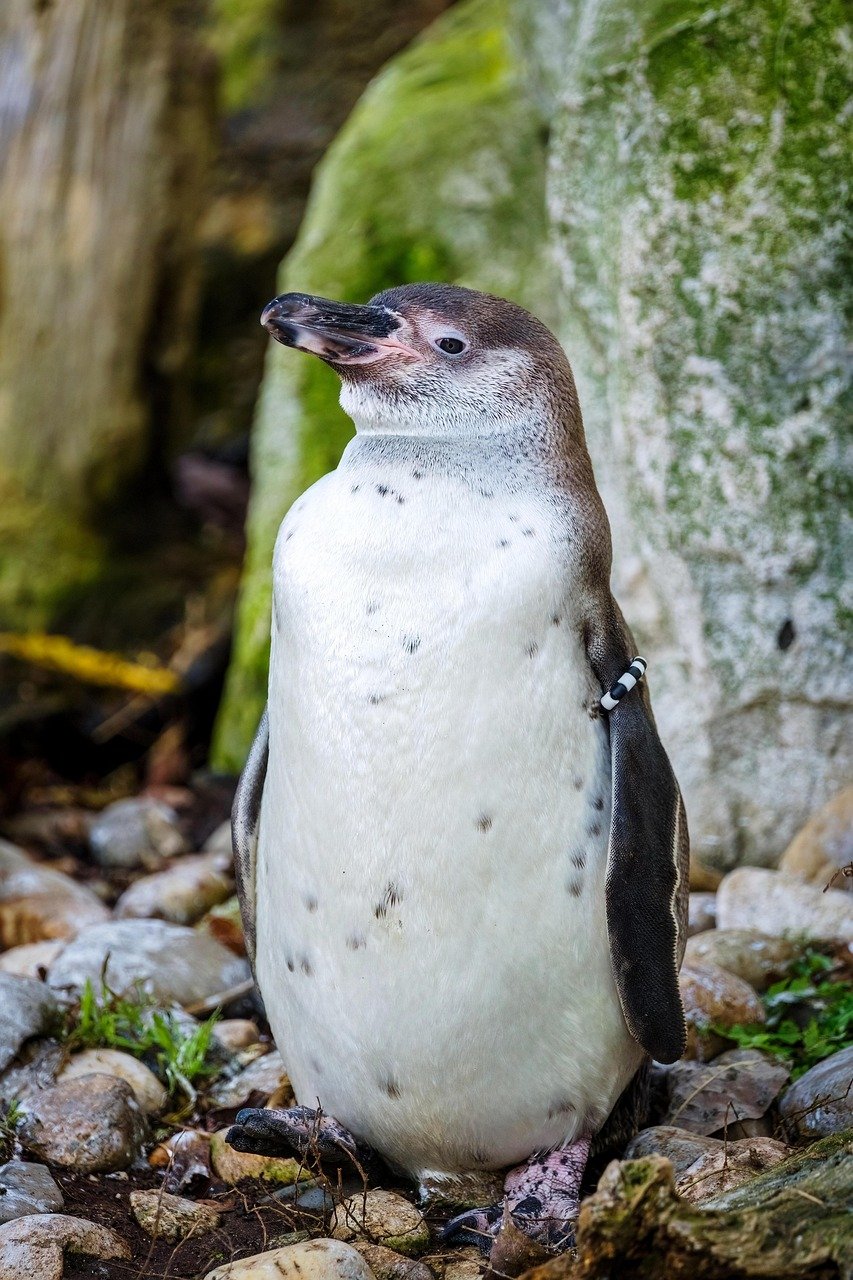
The Beagle Channel’s cold, nutrient-rich waters support an extraordinary food chain. Commerson’s dolphins — small black-and-white cetaceans — often ride the bow waves of boats, and orca sightings are not uncommon. The kelp forests that grow along the shoreline shelter fish that in turn attract cormorants and other seabirds. Imperial shags (cormorants with bright orange facial skin) roost in vast colonies that darken entire cliff faces. Steamer ducks — a flightless species unique to Tierra del Fuego — paddle furiously across the water’s surface, their wings beating the waves like paddlewheel steamers.
Spring and early summer (October to December) bring the most wildlife activity: penguin colonies are establishing nests, sea lion pups are nursing, and migratory seabirds arrive in numbers. Even in winter, the channel offers stark beauty — snowcapped mountains, icebergs calving from glaciers further west, and the eerie green glow of the aurora australis (southern lights) on cloudless nights between April and August.
Practical Information
- Tickets: Standard 3-4 hour catamaran tours from USD 70–130 per person; penguin colony tours (with Estancia Harberton) from USD 130–200; book through operators at the Muelle Turístico (Tourist Port)
- Opening hours: Boat tours depart year-round; typical departure times 10:00am and 3:00pm; penguin colony tours seasonal (Oct–Mar only)
- Best time to visit: October to March for penguins and warmest weather; April–August for aurora australis sightings and dramatic winter scenery
- Duration: Standard channel tour 3–4 hours; penguin tour with Estancia Harberton 6–7 hours
- Booking: Purchase tickets at the pier the morning of your tour, or book online through tour operators for peak season; arriving 30–45 minutes before departure is recommended
Local Insights
What locals know that guidebooks don’t always tell you:
- The morning tour (10am) tends to have calmer winds and better lighting for photography; afternoon tours can be significantly windier as the Patagonian winds build through the day.
- Smaller zodiac or yacht tours cost more but get you closer to wildlife and can access spots the large catamarans can’t reach — worth the premium for serious wildlife photographers.
- If you want to actually walk among penguins on Isla Martillo, book specifically a “walking tour” — most standard tours only view the colony from the boat.
- The pier area restaurants sell excellent centolla (king crab) — a Beagle Channel delicacy. The crab is caught locally and is far fresher and cheaper here than anywhere else in Argentina.
- Ushuaia’s airport (USH) is one of the world’s most scenic landings — if you have a window seat on approach from the north, the channel views are spectacular and a preview of what awaits on the water.
Getting There
- By air: Fly to Ushuaia Malvinas Argentinas International Airport (USH) from Buenos Aires (Aerolineas Argentinas, LATAM); daily direct flights take about 3.5 hours
- By foot: The Muelle Turístico (Tourist Port) is a 15-minute walk east along the waterfront from central Ushuaia; all boat tour operators depart from here
- By taxi: Taxis from the airport to downtown cost about ARS 2,000–3,000 (roughly USD 5–8)
- Organized tours: Most Ushuaia hotels can arrange Beagle Channel tours directly; the pier front is lined with tour operator kiosks open from 9am
Frequently asked questions
Is the Beagle Channel the same as the Strait of Magellan?
No — these are two different waterways. The Beagle Channel is further south (approximately 55°S latitude) and forms the border between Argentina and Chile at the southern tip of the main island of Tierra del Fuego. The Strait of Magellan lies further north (approximately 52–53°S) and separates the Tierra del Fuego archipelago from mainland South America. Both are historically significant maritime routes, but the Beagle Channel is more closely associated with Darwin’s voyages and the Yaghan people.
Can I see penguins on every Beagle Channel tour?
Not on every tour. Standard 3–4 hour catamaran tours visit the sea lion island and Les Éclaireurs Lighthouse, and may pass areas where Magellanic penguins swim in the water. To actually see a penguin colony on land and walk among the birds, you need to book the longer tour specifically going to Isla Martillo via Estancia Harberton, available October through March only.
Is the Beagle Channel tour suitable for children?
Yes — most operators welcome children, and wildlife sightings tend to captivate young visitors. The channel can be choppy, so those prone to motion sickness should take appropriate precautions. Large catamarans are more stable than smaller vessels. The enclosed cabin areas provide warmth, which is important as the channel is cold even in summer.
Can I photograph the wildlife during the tour?
Absolutely — photography is encouraged throughout the tour. A telephoto lens (200mm or more) significantly improves wildlife shots from the boat. At the sea lion islands, boats come within 20–30 meters of the rocks. For penguin colony walking tours on Isla Martillo, there are strict distance rules to protect the birds, but guides allow ample time for photography.
What other attractions are near the Beagle Channel?
Tierra del Fuego National Park begins just 11km west of Ushuaia and offers easy day hikes through native lenga beech forests, beaver-dammed lakes, and the southern terminus of Route 3 — the famous highway that runs from Alaska to Ushuaia. The End of the World Museum (Museo del Fin del Mundo) in Ushuaia tells the story of the region’s Yaghan inhabitants, early explorers, and the notorious penal colony that once occupied the town.