
Barra da Tijuca
Barra da Tijuca is Rio de Janeiro stunning western riviera, a sprawling coastal neighbourhood that stretches 18 kilometres of white-sand beach along the Atlantic Ocean. Unlike the famous beaches of Ipanema and Copacabana, Barra da Tijuca retains a more open, windswept character with a backdrop of dramatic mountains and lagoons. The neighbourhood has become Rio most dynamic and modern district, with vast shopping centres, upscale restaurants, and the 2016 Olympic Park, yet the beach itself remains the centre of life here.
History of Barra da Tijuca
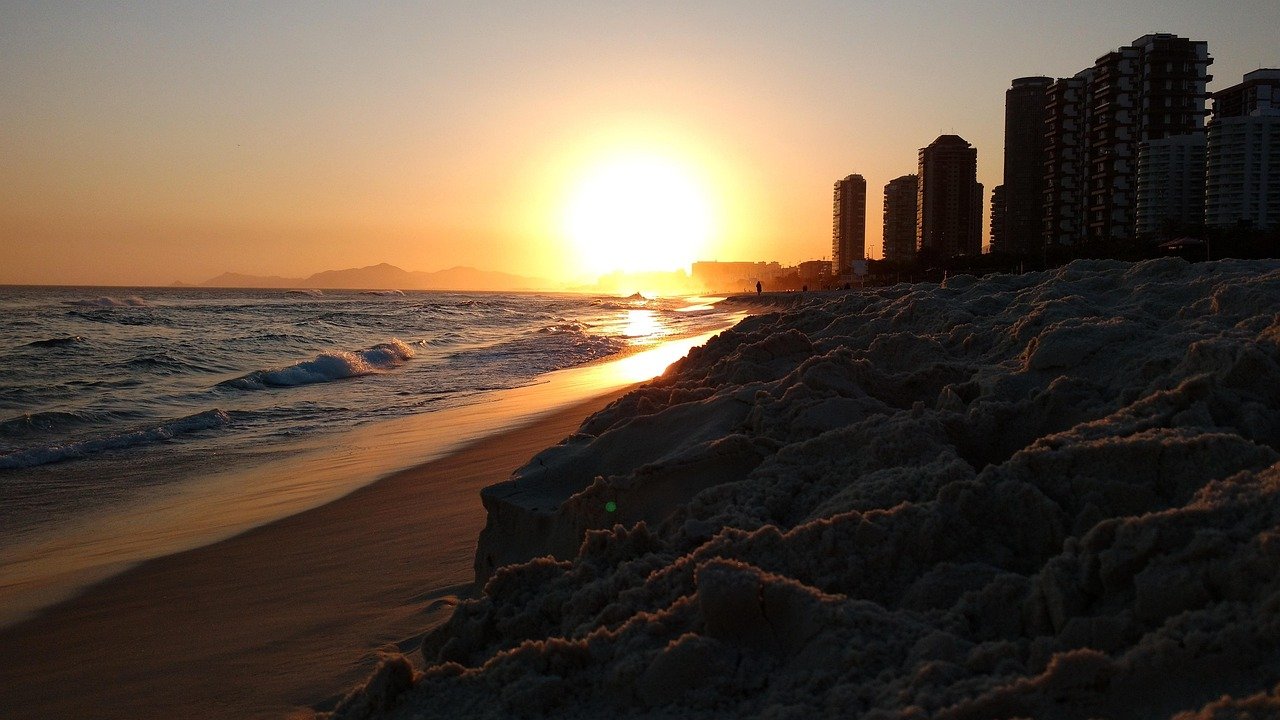
Barra da Tijuca remained largely undeveloped until the 1960s and 1970s when urban planner Lucio Costa created a master plan for the area inspired by American suburban models. The neighbourhood grew rapidly during the 1980s and 1990s as Rio middle class sought more space and modernity away from the crowded traditional districts. Today it is Rio fastest-growing neighbourhood and home to over 300,000 people.
The 2016 Olympic Games brought significant infrastructure to Barra da Tijuca, with the Olympic Park hosting numerous events and new BRT rapid transit lines that improved connections to the rest of Rio. The Olympic Village, converted to housing after the Games, and the Aquatics Centre remain active facilities.
What to See and Do in Barra da Tijuca
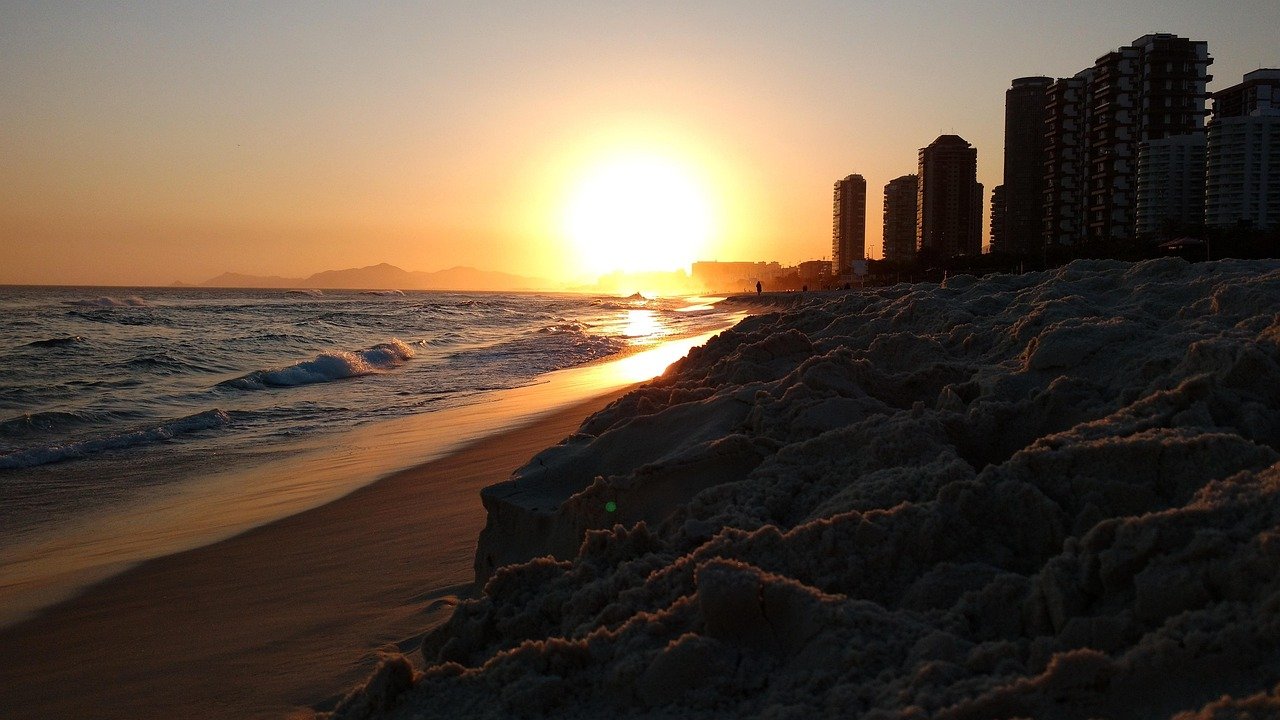
The beach is the primary attraction, a seemingly endless strip of white sand backed by kiosks serving fresh coconut water, grilled seafood, and caipirinhas. The waves here are more powerful than at Ipanema and Copacabana, making Barra a popular surfing destination. The western end near Recreio dos Bandeirantes is particularly wild and beautiful, backed by cliffs and visited by humpback whales during winter migration.
The Olympic Park remains open to visitors and contains the Aquatics Centre where extraordinary world records were set, as well as cycling velodromes, tennis courts, and exhibition spaces. The Sitio Roberto Burle Marx nearby is a UNESCO World Heritage site – the stunning garden estate of the legendary Brazilian landscape architect containing one of the most remarkable plant collections in the world.
Shopping and Nightlife
Barra Shopping is one of the largest shopping centres in Latin America, containing hundreds of stores, restaurants, a cinema complex, and an indoor amusement park. VillageMall next door focuses on luxury brands and international designers. The neighbourhood also has a thriving restaurant and nightlife scene centred around the Village Mall area and the Barra Garden district.
The Praia Brava bar and restaurant scene along the beach road comes alive on weekend afternoons and evenings, with cariocas gathering for cold beer, music, and spectacular sunsets over the mountains. The neighbourhood has fewer tourists than Ipanema and Copacabana, giving it a more authentically local character that many visitors find refreshing.
Practical Information
- Tickets: The beach and most outdoor areas are free; Olympic Park has modest entry charges for specific venues
- Opening hours: The beach is always accessible; kiosks typically open 7am-10pm
- Best time to visit: October to March for swimming weather; June to September for surfing and whale watching
- Duration: Half to full day for a proper beach visit; a full day or more if combining Olympic Park and Sitio Burle Marx
- Booking: No booking required for the beach; the Sitio Roberto Burle Marx requires advance booking for guided visits
Local Insights
What local Barra residents always recommend to visitors:
- Head to the western end near Recreio for the most beautiful and least crowded stretches of sand
- The kiosks along the beach serve some of the best fresh grilled fish in Rio – try the caldinho de peixe soup
- Visit the Sitio Roberto Burle Marx in the morning when the light is best and the heat most bearable
- The BRT TransCarioca bus from downtown is now the most convenient public transport option to Barra
- Avoid Barra Shopping on weekend afternoons when parking becomes impossible and the crowds are overwhelming
Getting There
- BRT: TransOeste and TransCarioca BRT lines connect Barra da Tijuca to the city centre and the international airport
- Bus: Lines 175 and 179 from Botafogo and Flamengo reach the main beach area in approximately 45-60 minutes
- Taxi or Uber: Approximately 30-45 minutes from Ipanema depending on traffic
- Car: The most convenient option given the neighbourhood size; parking is generally available at beach kiosks
Frequently asked questions
Is Barra da Tijuca beach safe for swimming?
The beach is generally safe for swimming, but the waves are stronger than at Ipanema and Copacabana and there can be significant rip currents. Swim between the flags where lifeguards are on duty and exercise caution in strong surf conditions.
How do I get from Ipanema to Barra da Tijuca?
By bus, the journey takes approximately 45-60 minutes on lines 175 or 179. By taxi or Uber, allow about 25-40 minutes depending on traffic.
Is the Olympic Park worth visiting in Barra da Tijuca?
Yes – the Olympic Park offers an interesting insight into the 2016 Games and the architecture of the venue complex. The Aquatics Centre and Velodrome are open to visitors, and several venues host ongoing sports competitions.
What is the Sitio Roberto Burle Marx?
The Sitio Roberto Burle Marx is a UNESCO World Heritage garden estate created by the legendary Brazilian landscape architect, containing one of the most extraordinary private plant collections in the world. It requires advance booking for guided visits.
Is Barra da Tijuca better than Ipanema for tourists?
Ipanema and Copacabana have more conventional tourist appeal and are closer to the city centre, while Barra offers more beach space, fewer crowds, and a more modern, local atmosphere. For a different side of Rio away from the tourist circuit, Barra is excellent.