
Bangkok Chinatown (Yaowarat)
After dark, Yaowarat Road ignites. Street vendors fire their woks under clouds of fragrant smoke, the neon signs above Chinese shophouses glow in red and gold, and the crowds press shoulder-to-shoulder down the pavement past stalls of roasted duck, grilled seafood, mango sticky rice, and every conceivable preparation of noodle. Bangkok’s Chinatown — established over 200 years ago by Chinese merchants who came to trade with the young capital — remains the city’s most viscerally exciting neighborhood: ancient, layered, and unapologetically alive. Somewhere between the gold shops, the Taoist temples, the river warehouses, and the street-food empires run by fourth-generation cooks, Bangkok Chinatown resists every attempt to polish or curate it. It is magnificent.
History of Bangkok Chinatown (Yaowarat)
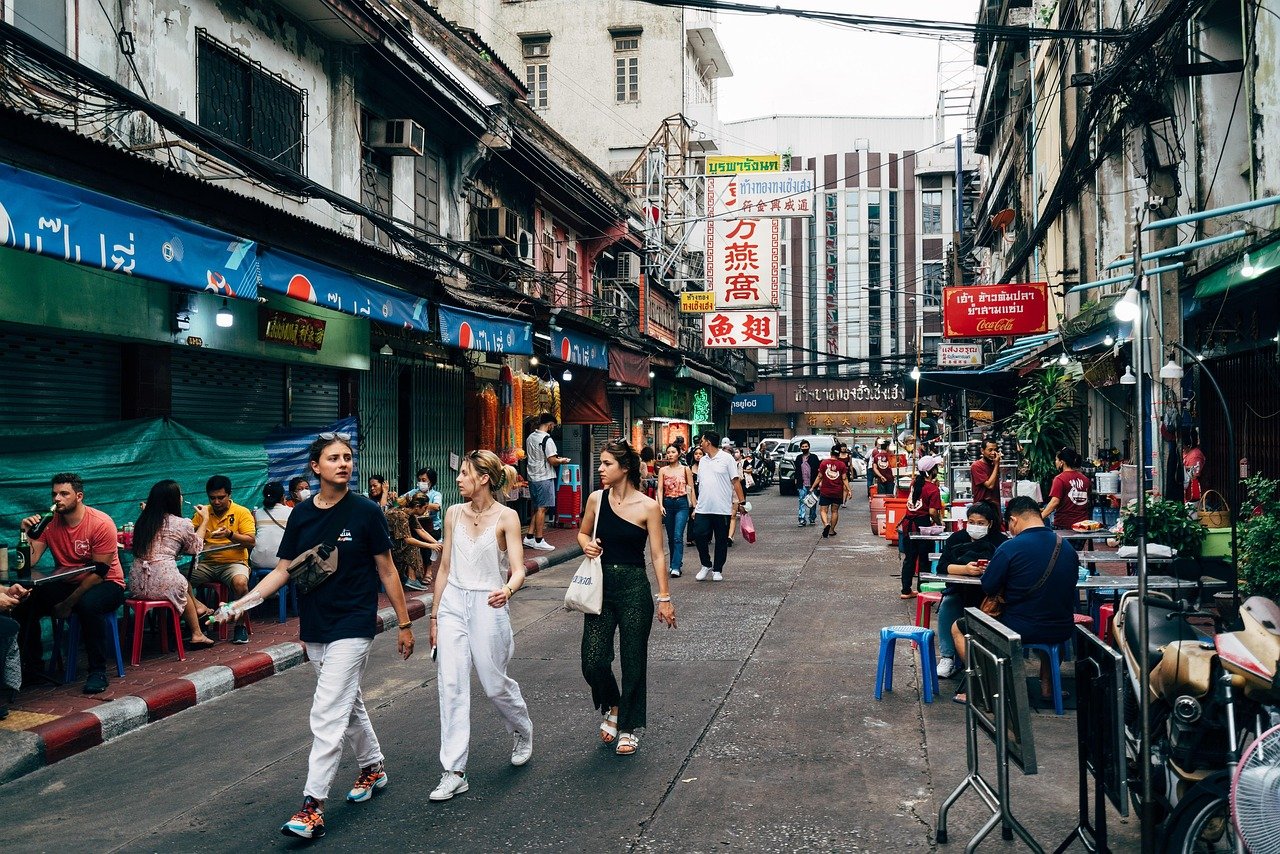
Chinese migrants began settling along the Chao Phraya River in what is now Bangkok even before King Rama I moved the capital to the eastern bank in 1782. The new royal city required a vast labor force for construction, and Chinese workers — initially brought from the merchant community that had flourished near Ayutthaya — were settled in the area south of the new palace on land known as Samphanthawong. The first Chinese residents were Teochew-speaking migrants from the Chaoshan region of Guangdong province, and Teochew remains the dominant Chinese dialect in Bangkok Chinatown today.
Through the 19th and early 20th centuries, Yaowarat became one of the wealthiest commercial districts in Southeast Asia. Chinese trading houses dominated rice milling, tin smelting, sugar refining, and general commerce. The great shophouse architecture of the neighborhood — two or three-story buildings with continuous first-floor arcades — dates largely from the 1880s to 1930s, and many are still owned by the same Chinese-Thai families that built them. The main drag, Yaowarat Road, was laid out in 1891 and named after the royal title of Crown Prince Vajiravudh. Today, Yaowarat is home to one of the largest concentrations of gold shops in Asia.
What to See
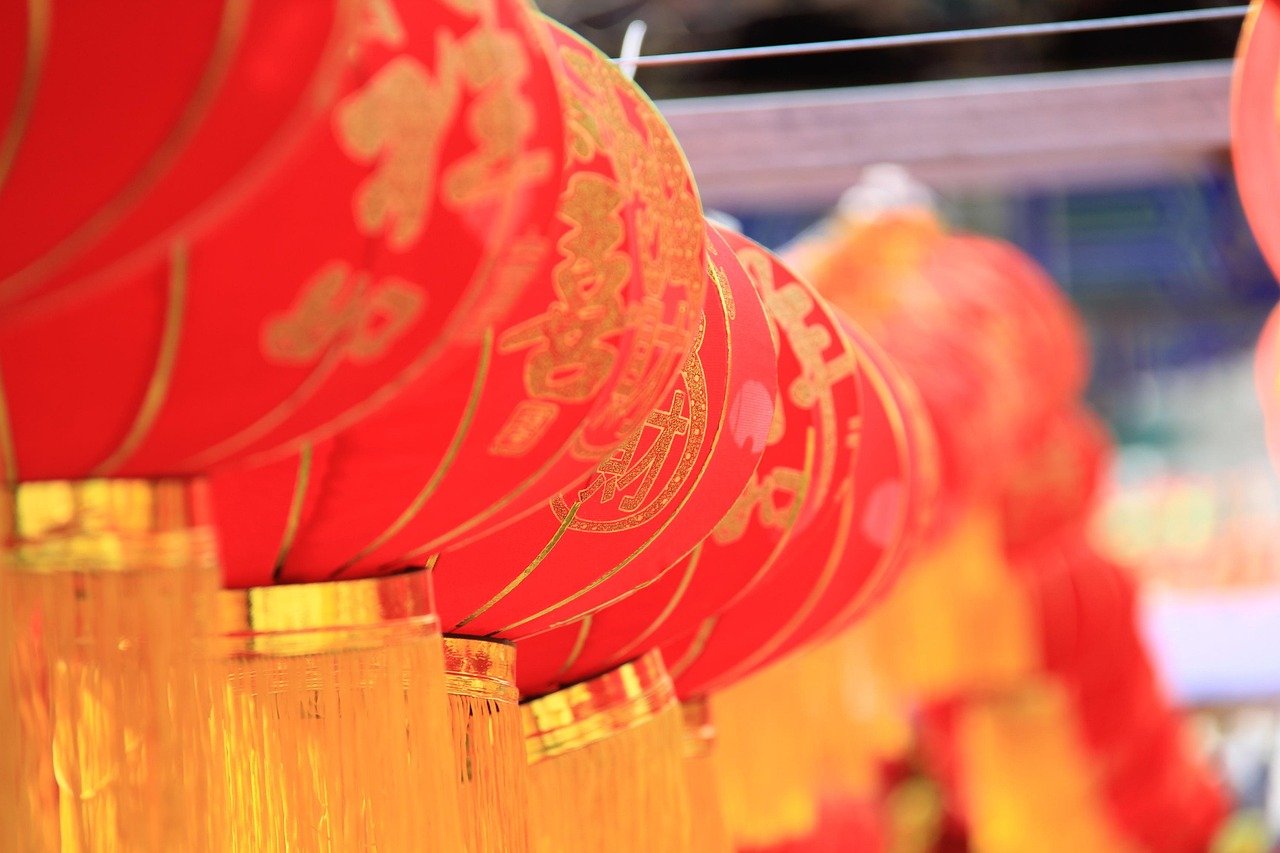
Wat Mangkon Kamalawat (Dragon Lotus Temple) is the largest and most important Chinese Buddhist temple in Bangkok, built in 1871. The temple compound is always busy with worshippers burning incense and paper offerings — it is a working religious site, not a tourist attraction, and the atmosphere of genuine devotion is palpable. Nearby, Wat Traimit (Temple of the Golden Buddha) houses the world’s largest solid gold Buddha statue, a 3-meter, 5.5-ton image accidentally discovered in 1955 when a plaster coating cracked during a move to reveal pure gold beneath. The Talad Noi neighborhood south of Yaowarat is the most atmospheric part of old Chinatown — narrow lanes between colonial-era warehouses, ancient shophouses, and community shrines that have survived unchanged for a century.
The gold shops that line Yaowarat Road are themselves a spectacle: hundreds of them, display windows glittering with 99.9% pure gold chains, ornaments, and bars traded at market price. The gold trade is central to Chinese-Thai culture as a savings and wealth-preservation mechanism, and the volume of gold transacted daily along this stretch is staggering. Wander the alleyways off Yaowarat — Soi Wanit 1 and the markets behind the main road — for the full sensory experience of Chinese Bangkok: herbalists, dried goods merchants, spirit houses, and the aroma of star anise and five spice permeating everything.
The Street Food Scene
Yaowarat’s street food scene is among the most celebrated in Asia. The stretch of road between Odeon Circle and the river transforms every evening from around 6pm onward as stalls materialize from nothing and the cooks who have been serving the same dishes for decades — sometimes generations — begin their nightly theater. T&K Seafood (established 1962) grills prawns and crab over charcoal at the corner of Yaowarat and Phat Sai road; nearby, Nai Ek Roll Noodle has served pork noodle soup from the same spot since the 1960s. Hoo Chalarm across the road is famous for its Hong Kong-style stir-fried noodles and char siu (barbecue pork).
Beyond the noodles and seafood, Chinatown is the place to eat shark fin soup (still served here despite international controversy, in smaller portions than before), bird’s nest desserts, and the Chinese-Thai dessert specialty khao niao mamuang (mango sticky rice). The narrow lane of Soi Texas is famous for its seafood restaurants where tanks of live fish, crab, and lobster line the pavement — you choose your dinner alive and specify the cooking method. At the quieter end of the food spectrum, the old tea houses of Talad Noi offer Chinese teas and dim sum in an atmosphere unchanged since the 1930s.
Practical Information
- Tickets: Free to explore; Wat Traimit (Golden Buddha) approx. THB 40 entry; no charge for Wat Mangkon Kamalawat
- Opening hours: Neighborhood accessible 24 hours; street food stalls typically 6pm–midnight; gold shops and markets 9am–6pm; temples 8am–6pm
- Best time to visit: Evenings from 6–10pm for the full street food and neon atmosphere; Chinese New Year (January/February) for extraordinary festival celebrations; avoid Sunday afternoons when it becomes extremely crowded
- Duration: 2–4 hours for a focused visit; half or full day to explore thoroughly including temples, side alleys, and a meal
- Booking: No advance booking needed for exploration; popular restaurants like T&K Seafood don’t take reservations — arrive early or expect a wait
Local Insights
What locals know that guidebooks don’t always tell you:
- Come hungry and eat in stages — the best approach to Yaowarat is to graze multiple stalls rather than sitting down at one restaurant. Walk, sample, move on. The street food is designed for this.
- The Talad Noi neighborhood (5 minutes’ walk south of the main Yaowarat strip) is Chinatown’s most atmospheric and photogenic area — ancient wooden shophouses, riverside warehouses, and community shrines with almost no tourist infrastructure.
- Chinese New Year (the Lunar New Year, falling in January or February) transforms Yaowarat into Bangkok’s most spectacular festival — lion dances, dragon processions, fireworks, and incredible crowds. Book accommodation in the area months ahead.
- The gold shops are open to non-buyers — browsing is normal and expected, and the 24-karat Thai gold jewellery is genuinely beautiful even if you’re not in the market. Prices are fixed at the daily gold rate posted in every window.
- Charoenkrung Road, the older parallel street running alongside Yaowarat, has the best survival of old shophouse architecture and is quieter — ideal for photography without the main-road crowds.
Getting There
- MRT (Metro): Hua Lamphong station (Blue Line) — 10-minute walk to Yaowarat Road; Sam Yot station is closer to the temple area
- Boat: Chao Phraya Express Boat to Ratchawong Pier (N5) — steps from the heart of Chinatown; a scenic approach recommended
- Tuk-tuk/taxi: Drop off on Yaowarat Road; tell the driver “Chinatown” or “Yaowarat” — both are universally understood
- On foot: About 25 minutes walk from Khao San Road; 20 minutes from the Grand Palace via the riverside walkway
Frequently asked questions
What is the best food to eat in Bangkok Chinatown?
The signature dishes of Yaowarat are: pad see ew (wide rice noodles stir-fried with egg and Chinese broccoli), pad Thai (the definitive version is often found here), roasted duck on rice, prawn and seafood from charcoal grill stalls, and khao tom (rice congee with preserved egg and pork) at late-night stalls that open after 11pm. For dessert, mango sticky rice, Chinese sesame balls (khanom bua loi), and taro custard from dedicated dessert shops are excellent.
Is Bangkok Chinatown safe at night?
Yes — Yaowarat is one of Bangkok’s most active and well-policed areas at night. The evening street market creates natural safety through constant foot traffic and activity. Standard precautions apply: be aware of pickpockets in very dense crowds, keep valuables secure, and use licensed taxis or the app-based Grab service rather than unmarked vehicles. The neighborhood is exceptionally safe by any urban standard.
What is the Golden Buddha and how do I visit?
The world’s largest solid-gold Buddha statue is housed in Wat Traimit (Temple of the Golden Buddha), located at the junction of Yaowarat and Charoen Krung roads. The statue weighs 5.5 tons and is made of 99.9% pure gold, valued in the billions of dollars. It was discovered in 1955 when a plaster coating cracked to reveal the gold beneath. Entry costs approximately THB 40. Dress modestly (shoulders and knees covered) and remove shoes before entering the temple hall.
When is Chinese New Year in Yaowarat?
Chinese New Year (Thai: Trut Jeen) falls on a different Gregorian date each year, following the lunar calendar — typically in January or February. The celebration in Yaowarat lasts about three days, with the main festivities concentrated on New Year’s Eve and Day. Lion and dragon dances weave through the crowds, firecrackers sound at midnight, and every restaurant and stall runs at full capacity. It is one of Bangkok’s most spectacular annual events but also the most crowded — plan accordingly.
Are there good coffee shops or cafes in Chinatown?
Yes — the Talad Noi neighborhood immediately south of main Yaowarat has developed a cluster of creative cafes in renovated shophouses over the past decade. These blend the neighborhood’s industrial heritage (former Chinese trading warehouses) with third-wave coffee culture. The area around the Chao Phraya River and the old Odeon Circle also has several atmospheric old-style Chinese coffee shops serving traditional kopi (strong drip coffee) with condensed milk, a legacy of the region’s Hainan Chinese community.