
Amazon River
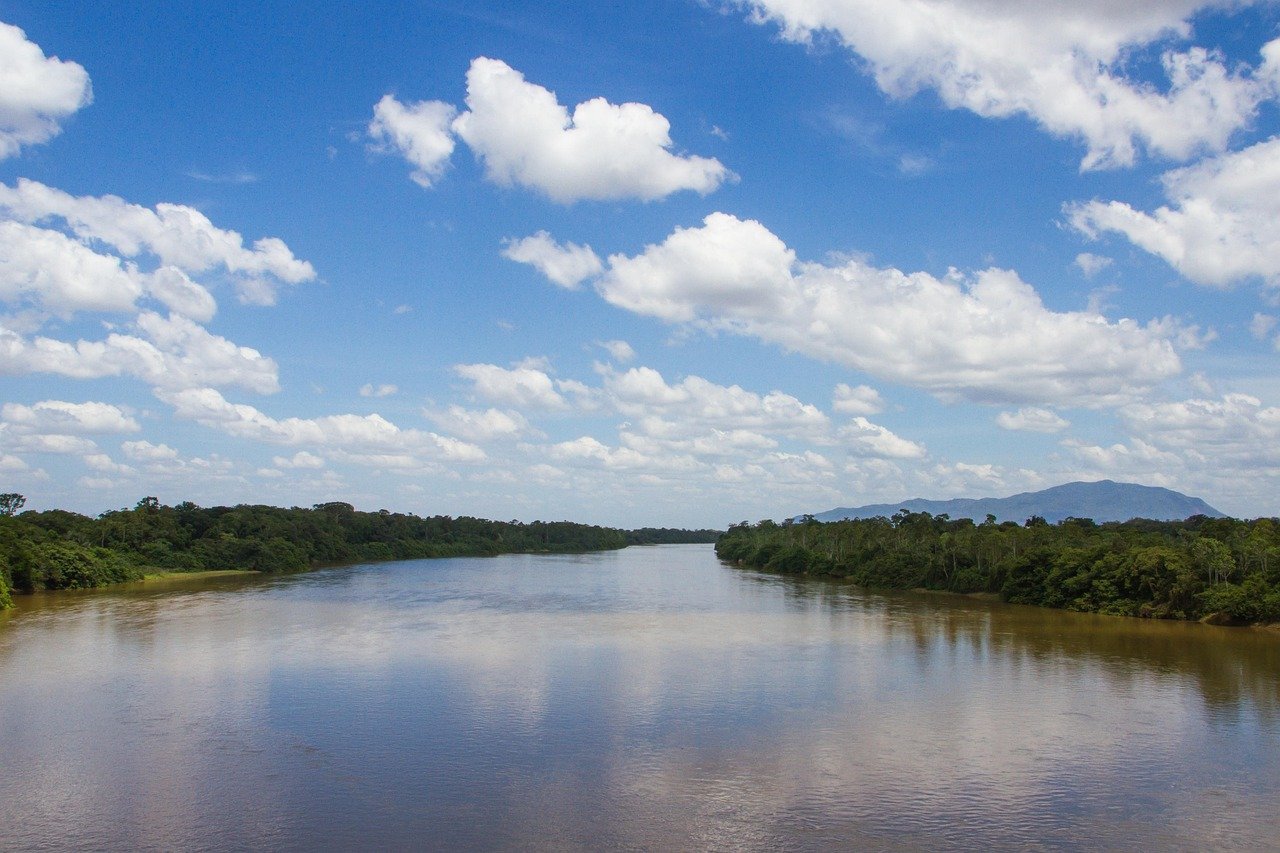
The Amazon River is the greatest river on Earth by volume, a colossal waterway that carries more water than the next seven largest rivers combined. Stretching over 6,400 kilometres from its Andean headwaters to the Atlantic coast of Brazil, the Amazon drains a basin covering nearly 40 percent of South America. For travellers, experiencing the Amazon means immersing yourself in one of the most biodiverse ecosystems on the planet, teeming with jaguars, anacondas, pink dolphins, and an estimated 10 percent of all species on Earth.
Biodiversity and Wildlife
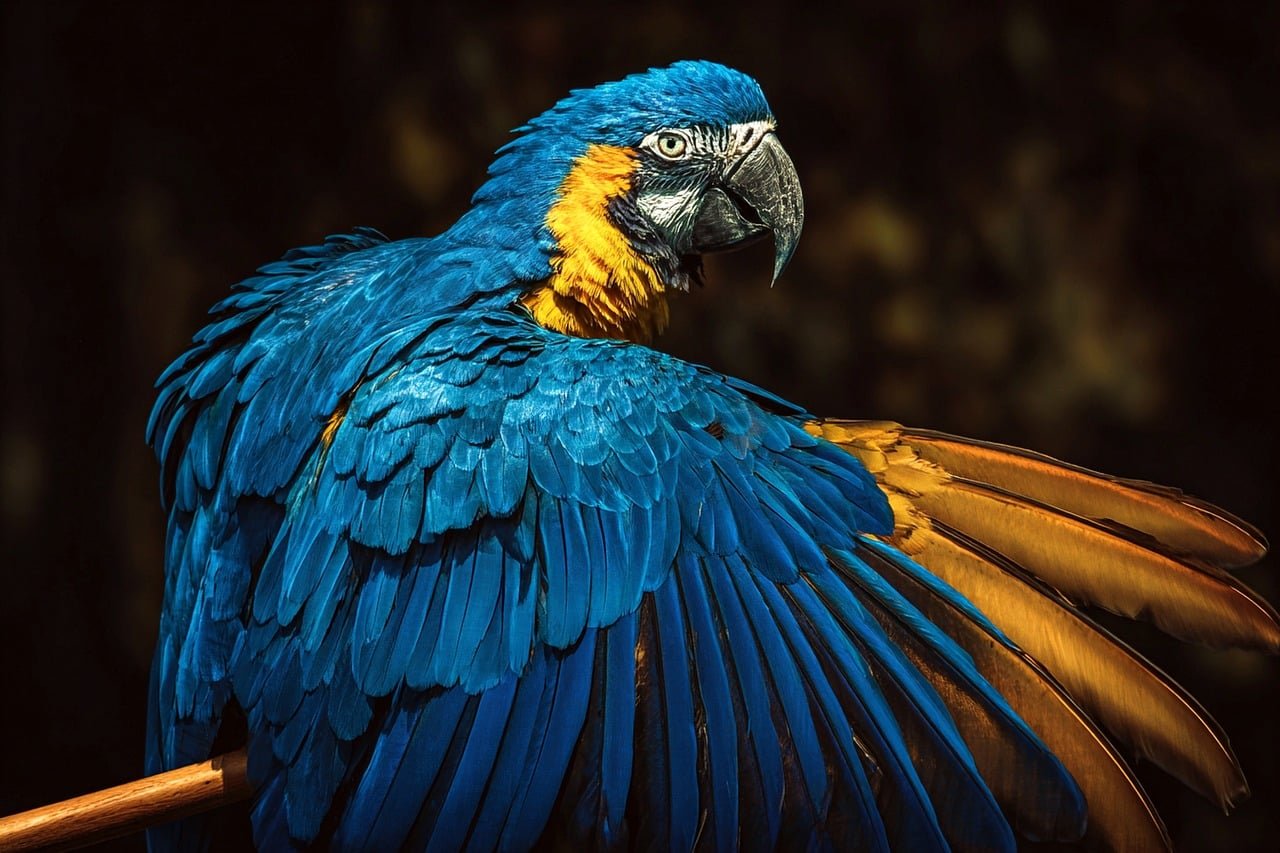
The Amazon rainforest is home to an extraordinary array of wildlife. River dolphins — both the pink boto and the grey tucuxi — are unique to Amazonian waters and can often be spotted from boats and riverbanks. Caimans lurk along muddy shores, while giant river otters hunt in family groups along forest streams. The jungle canopy rings with the calls of macaws, toucans, and hundreds of parrot species. Below the river surface, piranhas, electric eels, and the enormous arapaima — one of the world’s largest freshwater fish — share the waters with over 3,000 other fish species.
Amazon River Cruises
The most rewarding way to experience the Amazon is by river cruise or expedition boat. Departing from Manaus in the Brazilian Amazon, cruise ships range from luxury vessels with air-conditioned cabins to simple wooden riverboats where hammocks serve as beds. Expedition cruises venture into tributaries inaccessible to larger vessels, offering guided rainforest walks, night-time wildlife spotting, and piranha fishing. The Meeting of the Waters near Manaus, where the dark Rio Negro meets the sandy-coloured Amazon in parallel streams for many kilometres, is one of the river’s most spectacular sights.
Communities and Culture
The Amazon basin is home to hundreds of Indigenous communities, many of whom have maintained traditional ways of life for centuries. Responsible tourism operators offer visits to communities willing to receive guests, providing insight into traditional medicine, fishing techniques, and forest knowledge accumulated over generations. The riverside city of Manaus, once the rubber boom capital of Brazil, is also worth visiting for its extraordinary opera house and colonial architecture.
Planning Your Visit
- The dry season (June to November) offers easier wildlife spotting as vegetation recedes
- The wet season (December to May) allows access to flooded forest areas by canoe
- Manaus in Brazil is the primary gateway for Amazon expeditions
- Iquitos in Peru offers an alternative entry point to the western Amazon
- Budget at least 3-4 days to properly experience the rainforest ecosystem
Getting There
Manaus, the main gateway to the Brazilian Amazon, is served by direct flights from Sao Paulo, Rio de Janeiro, and other major Brazilian cities, as well as some international routes. From Manaus, tour operators arrange transfers to lodges and cruise departures. The Peruvian Amazon is accessible from Lima via Iquitos, which has no road connection to the rest of Peru and is reached only by air or river.