
Amazon Rainforest
The Amazon Rainforest is the largest tropical rainforest on Earth, a living cathedral of biodiversity that covers over 5.5 million square kilometres across nine countries, with the vast majority in Brazil. From above, the canopy is an unbroken sea of green that stretches to every horizon; from within, it is a world of perpetual shade, extraordinary noise — the shrieking of macaws, the howling of monkeys, the chorus of ten thousand insect species — and biological complexity that science has barely begun to document. To stand on a riverbank at dusk as the Amazon turns gold and the forest erupts with its evening chorus is to understand, in the most visceral way, why this ecosystem is called the lungs of the Earth.
History and Significance of the Amazon Rainforest
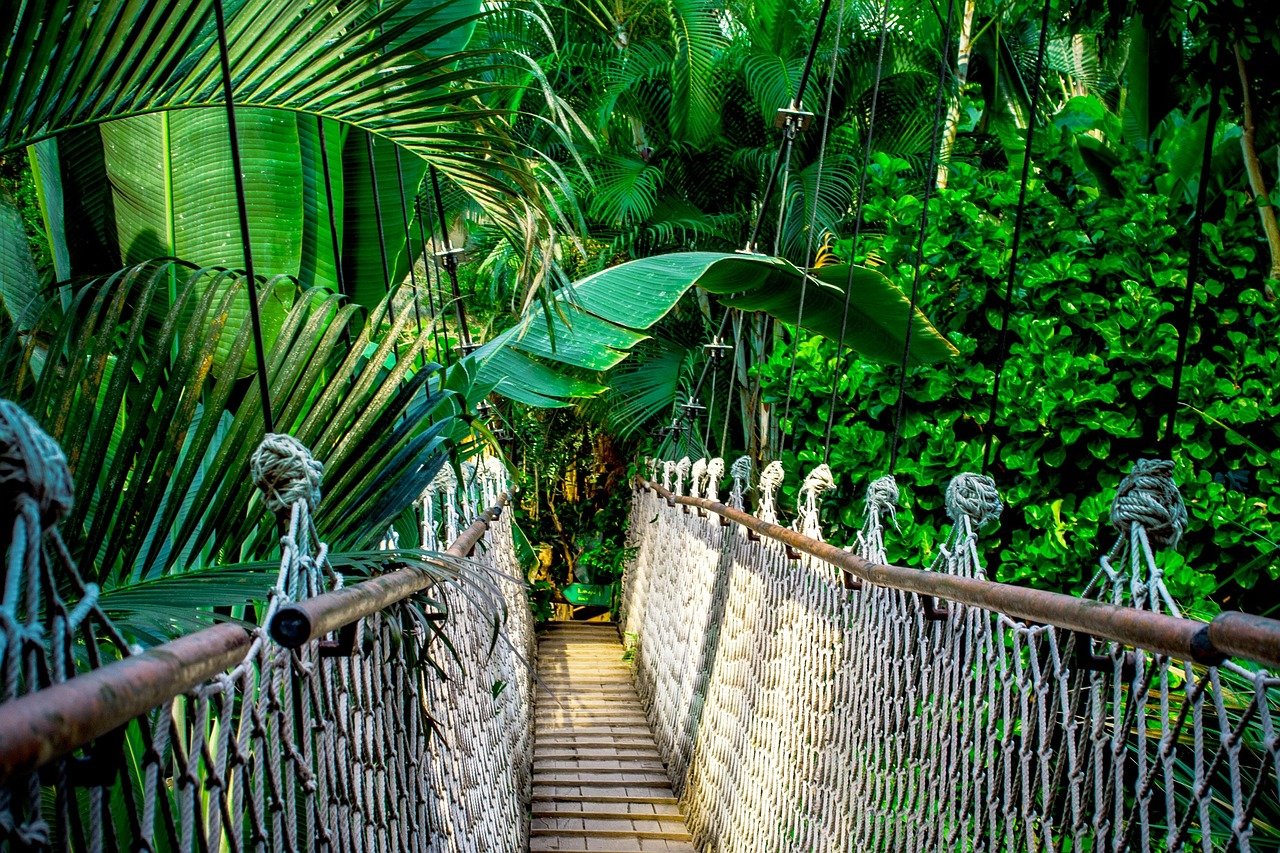
The Amazon basin has been continuously inhabited by human communities for at least 11,000 years, and possibly much longer. Pre-Columbian civilisations developed sophisticated agricultural techniques, including the production of terra preta (dark earth) — an engineered soil so fertile that it continues to nourish crops in areas that have been farmed for millennia. European contact beginning in the 16th century brought catastrophic population collapse through disease, and the rubber boom of the late 19th and early 20th centuries brought a second wave of devastation. Today approximately 400 distinct indigenous groups live in the Amazon, some in voluntary isolation, maintaining languages, ecological knowledge and ways of life found nowhere else on Earth.
The Amazon River itself is the world largest river by volume, discharging approximately 20 percent of all freshwater entering the world oceans. The rainforest generates its own rainfall through a phenomenon scientists call “flying rivers” — vast aerial streams of water vapour released by the trees that produce rainfall thousands of kilometres away in central and southern Brazil. The ecological loss caused by deforestation — which has already removed around 17 percent of the original Amazon — extends far beyond the local: climate scientists warn that continued clearing could push the ecosystem past a tipping point, converting large sections of rainforest into savannah.
What to See and Experience
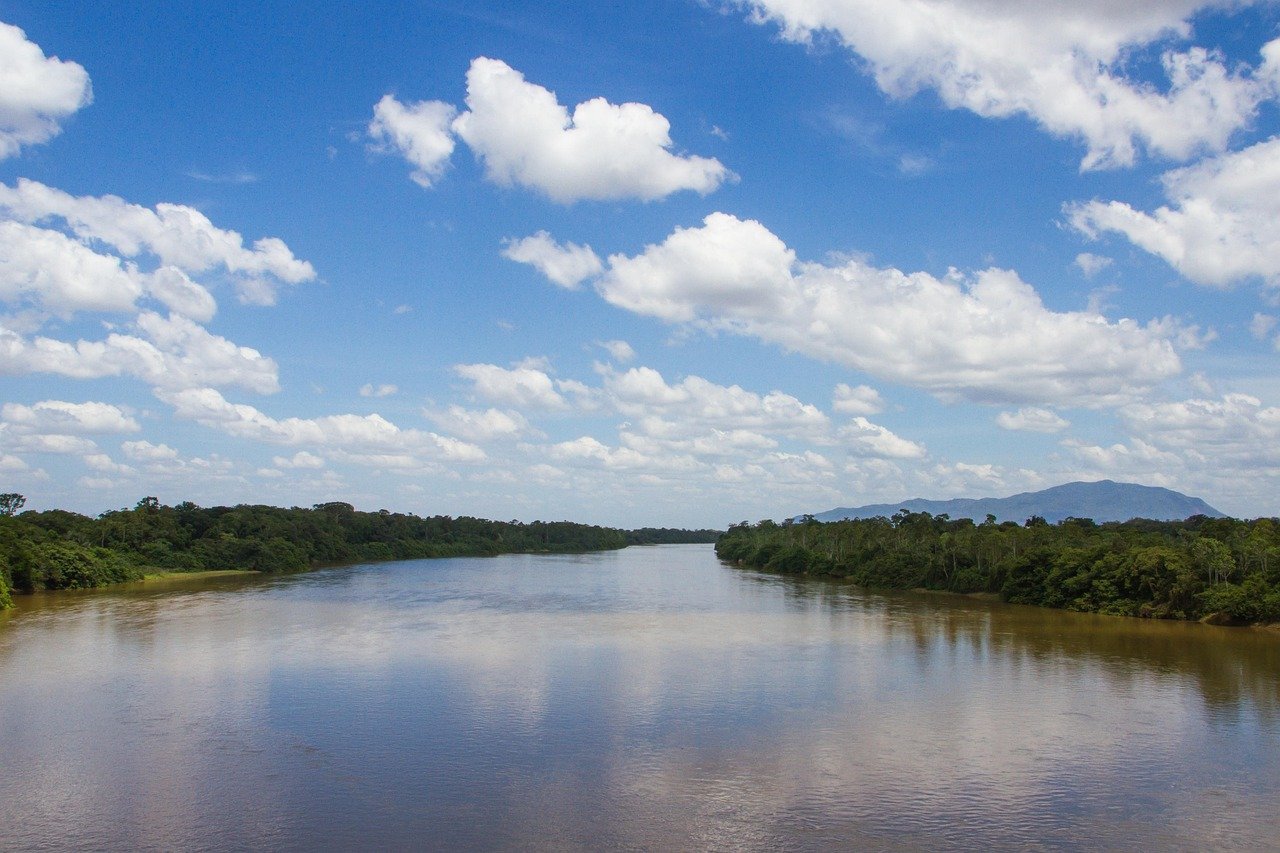
The most accessible gateway to the Amazon for international visitors is Manaus, the sprawling city of two million people deep in the Brazilian Amazon, connected to the outside world primarily by river and air. From Manaus, lodges and tour operators offer everything from day trips on the Rio Negro to week-long expeditions deep into primary forest. The meeting of the waters — where the dark, tannin-rich Rio Negro meets the lighter, silt-heavy Amazon — is one of the most extraordinary natural spectacles in South America: the two rivers flow side by side for kilometres without mixing, their contrasting colours drawing a vivid line across the water.
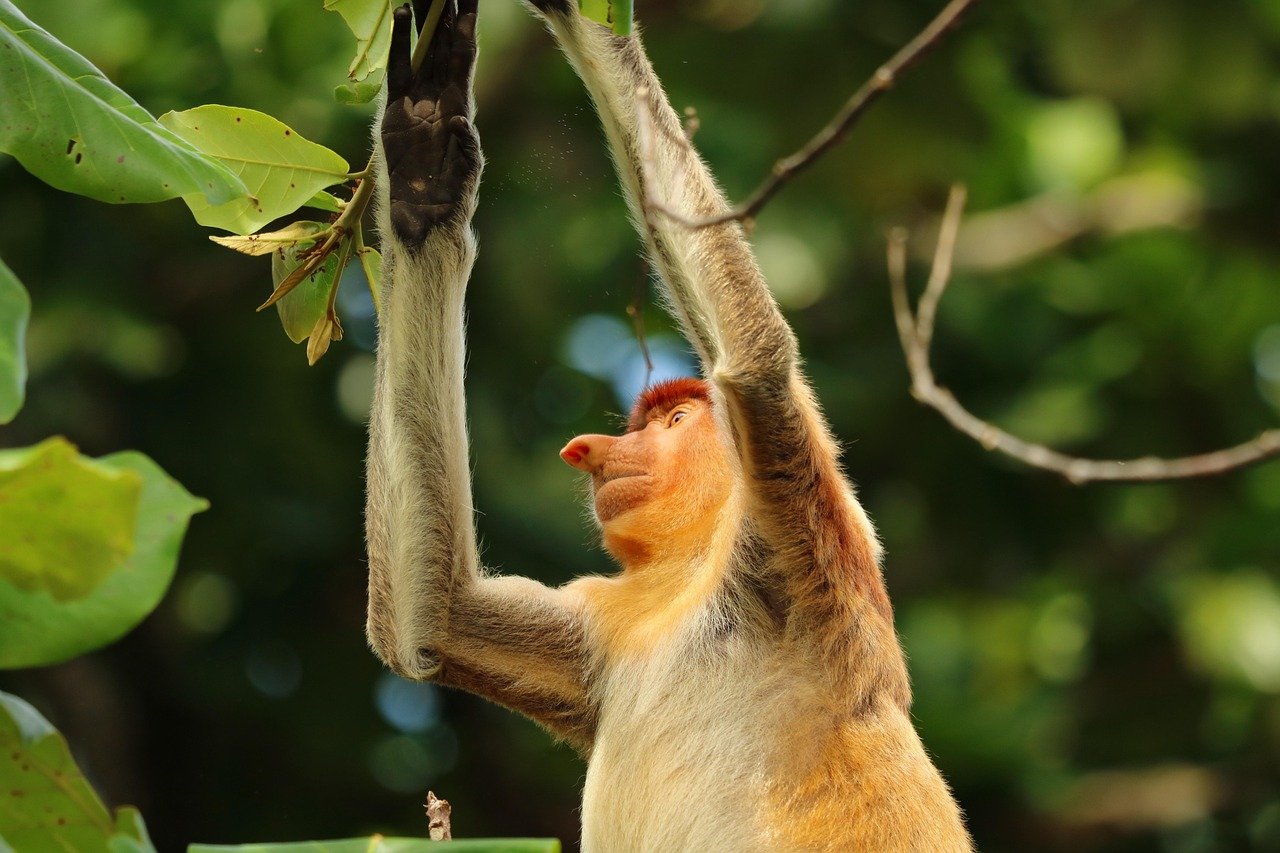
Wildlife viewing is the primary draw for most visitors. The Amazon basin is home to over 40,000 plant species, 3,000 types of freshwater fish, more than 1,300 bird species (roughly 10 percent of the world total) and untold numbers of insects. Iconic species include pink river dolphins (boto), giant river otters, anacondas, jaguars, tapirs, poison dart frogs and dozens of species of monkey. Night canoe trips are particularly productive for wildlife sightings — caimans are almost guaranteed, and the sounds of the forest after dark are deeply memorable.
Indigenous Culture and Sustainable Tourism
Some of the most meaningful Amazon experiences involve visits to indigenous communities that have chosen to share aspects of their culture and ecological knowledge with visitors. These community-based tourism initiatives — when properly organised and directly benefiting the communities involved — offer an insight into forest life that no conventional jungle lodge can match: the identification of medicinal plants, traditional fishing techniques, navigation by the movement of animals, and the extraordinary depth of knowledge that comes from living in intimate relationship with a particular ecosystem for generations.
The ethics of Amazonian tourism matter enormously. Look for lodges and tour operators that are certified by ABETA (the Brazilian Ecotourism and Adventure Travel Association) or that work directly with specific indigenous communities. Avoid any operation that offers “authentic” indigenous encounters that have not been established with community consent. The most responsible lodges generate conservation funds directly tied to the number of visitors, making tourism a genuine economic alternative to logging and agriculture.
Practical Information
- Tickets: Varies widely by tour and lodge; budget day trips from Manaus from ~USD 50; multi-day lodge packages from ~USD 200 to 800+ per person per night
- Getting there: International flights to Manaus (Eduardo Gomes International Airport); internal Amazon boat trips 3 to 7 days from Belem or Porto Velho
- Best time to visit: June to November (dry season) for wildlife concentrations at waterholes and easier trekking; February to May for high water and spectacular river scenes
- Duration: Minimum 3 days recommended; 5 to 7 days for a meaningful experience
- Booking: Book lodge accommodation and tours well in advance, particularly for July to September peak season
Local Insights

Experienced Amazon guides know that the best wildlife sightings come not from rushing but from patience — sitting quietly in a canoe for an hour at a river bend at dawn will often produce encounters that a rushed group tour never will.
- Bring high-SPF sunscreen, strong insect repellent (DEET-based), and waterproof clothing for afternoon rains
- Request a naturalist-trained guide rather than just a boatman — the quality of your experience depends entirely on your guide
- The Meeting of the Waters (Encontro das Aguas) near Manaus can be visited as a half-day boat trip and should not be missed
- Try locally caught tambaqui fish at a riverside restaurant in Manaus for an authentic taste of Amazonian cuisine
- Respect wildlife viewing distances — getting too close stresses animals and disrupts the natural behaviour you came to witness
Getting There
- By air: Fly into Manaus (MAO) from Sao Paulo (GRU), Rio de Janeiro (GIG) or direct from international hubs; journey 4 to 5 hours from Sao Paulo
- By river: Slow boats from Belem travel the Amazon River to Manaus in approximately 5 to 7 days, a classic South American adventure
- From Manaus: Lodges typically provide boat transfers from the city; day trips depart from the port area
- Border crossings: The Amazon can also be accessed from Peru (Iquitos), Ecuador and Colombia for those on overland routes
Frequently asked questions
Is the Amazon dangerous to visit?
With a reputable guide and responsible operator, the Amazon is a safe destination. Common-sense precautions include using insect repellent, not swimming in areas with piranhas or caimans without guidance, and keeping to marked trails. The greatest risk for most visitors is sunburn and dehydration.
What is the best base for an Amazon visit?
Manaus is the most practical base for Brazilian Amazon visits, with the best flight connections, lodge infrastructure and day-trip options. For more remote and less visited forest, consider bases in the states of Pará or Amazonas away from Manaus.
Can I see jaguars in the Amazon?
Jaguars live throughout the Amazon but are extremely elusive. Sightings are rare and unpredictable. The Pantanal wetlands (Bolivia and Brazil) offer considerably better chances of jaguar sightings if this is a priority.
What vaccinations do I need before visiting?
Yellow fever vaccination is strongly recommended and may be required for entry into certain Amazon regions or upon entry into other countries after leaving Brazil. Consult a travel medicine clinic 4 to 6 weeks before departure for personalised advice.
What is the minimum time needed for a meaningful Amazon visit?
Three days allows a reasonable introduction to the forest and river ecosystems. Five to seven days gives enough time for wildlife rhythms to become apparent and for longer boat and trekking excursions into primary forest.