
Ahumada Boulevard (Paseo Ahumada)
Step off the metro at Universidad de Chile and emerge onto Paseo Ahumada: four blocks of pure Santiago street theatre. Vendors hawk roasted nuts beside impromptu evangelical preachers; business suits hurry past buskers playing cueca; a thousand conversations overlap in the warm midday air. This pedestrian boulevard in the heart of Santiago is not a polished tourist attraction but something more honest — the pulsing, messy, wonderful artery of a Latin American capital going about its day.
History of Paseo Ahumada
The street takes its name from the Ahumada family, whose house on this block was one of the few buildings to survive the devastating earthquake that struck Santiago in 1647. As the colonial city rebuilt around this landmark, the street became known as Calle de Ahumada. Through the 18th and 19th centuries it evolved into one of Santiago’s most fashionable commercial addresses, lined with large shop windows and bookshops carrying the latest works from Europe. The Banco de Chile building dating from 1926, still standing at its corner position, is a magnificent example of Beaux-Arts architecture with classical columns that speak to the street’s former grandeur.
The transformation into a pedestrian mall came in 1977, when the city converted the four-block stretch from Plaza de Armas to Alameda into a car-free zone. This created the lively street culture that exists today: an open-air stage where two and a half million people pass each year, making it one of the most trafficked pedestrian streets in South America.
What to See
The street connects two of Santiago’s most important public spaces. Plaza de Armas at the northern end is the historic heart of the city, surrounded by the Cathedral Metropolitana, the Correo Central (the colonial-era post office), and the Palacio de la Real Audiencia (now the National History Museum). At the southern end, Alameda — the city’s main avenue — brings you to the La Moneda Palace, Chile’s presidential seat. The walk between these two landmarks along Paseo Ahumada is a crash course in Santiago’s layers of history.
Along the boulevard itself, the mix of architecture is striking: Art Deco facades from the 1920s and 30s sit beside glass towers from the 1990s and 2000s. Street musicians perform at regular intervals, and the central section is often given over to organized cultural events, markets, and seasonal decorations. The Mercado de Artesanias nearby on Plaza de Armas sells Chilean crafts, leather goods, and lapis lazuli jewellery — the blue semi-precious stone found in Chile’s Atacama Desert is a distinctive local souvenir.
Street Life and Culture
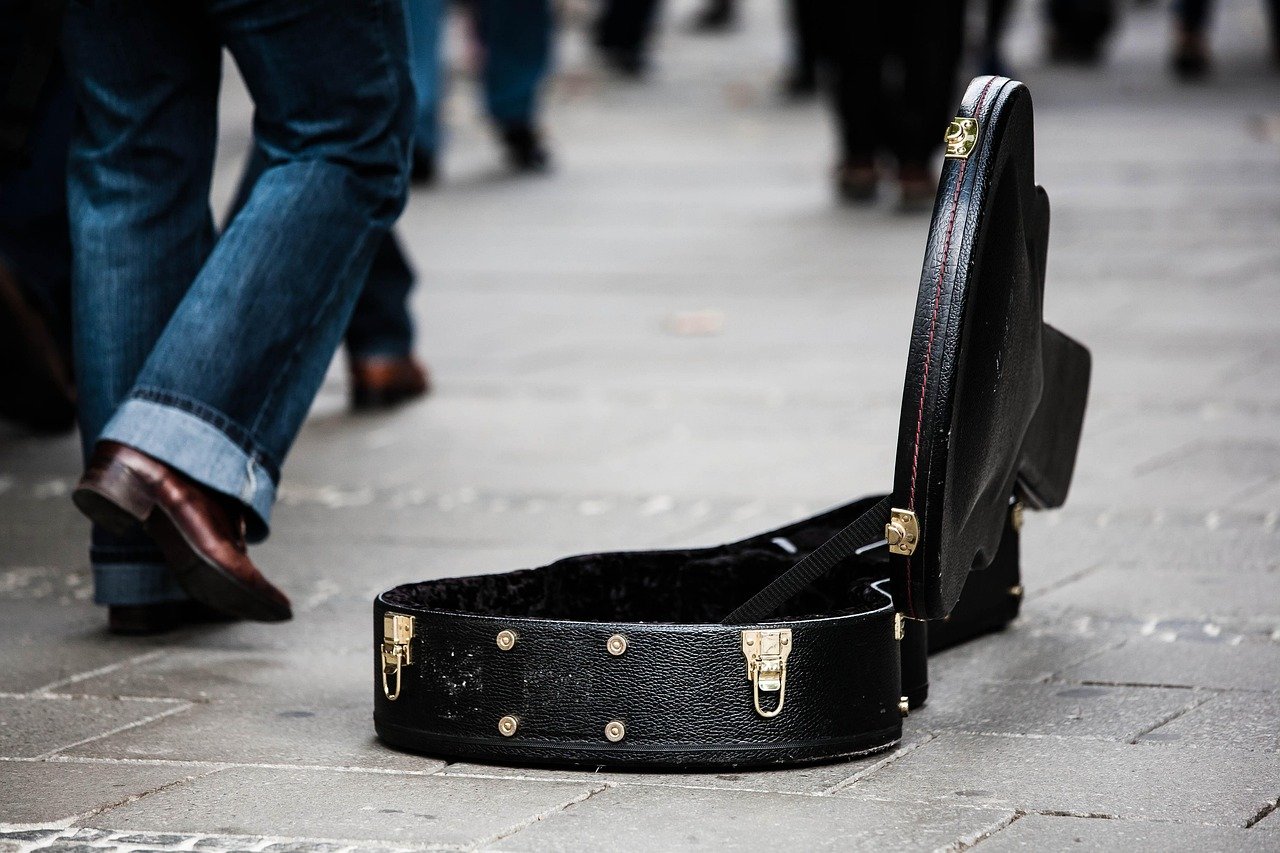
Paseo Ahumada is at its most vibrant on weekday lunchtimes, when the office workers of central Santiago pour out of their buildings and the street becomes a moving spectacle of humanity. Street performers include ballroom dancers demonstrating the cueca, Chile’s national dance; evangelical preachers with portable amplifiers; alternative musicians ranging from classical violinists to heavy metal acoustic guitarists; and the inevitable chess players who set up boards and invite passersby to challenge them. This chaotic mix is entirely authentic and makes for compelling people-watching.
The adjacent streets Huerfanos and Agustinas, which run parallel to Ahumada and are also pedestrianised in sections, are worth exploring for their street food: sopaipillas (fried dough discs) with pebre sauce, chorrillanas (a loaded chips dish), and completos (Chilean hot dogs loaded with avocado, tomato, and mayonnaise in a ratio that defies belief). This is where Santiago workers eat rather than tourists, and the quality is excellent.
Practical Information
- Entry: Free; open public space
- Hours: Accessible at all times; shops and vendors operate approximately 9:00-20:00 on weekdays
- Best time to visit: Weekday lunchtimes (12:00-14:00) for maximum street life; weekend mornings are quieter
- Duration: 30 minutes to walk through; 1-2 hours if exploring adjacent plazas and markets
- Safety: Exercise normal urban caution; pickpockets operate in crowds — keep valuables secured
Local Insights
What locals know that guidebooks don’t always tell you:
- The best view of the Andes — which appear dramatically behind the city on clear days — is from the southern end of Ahumada looking east along Alameda; the snow-capped peaks frame the modern city beautifully.
- Avoid carrying expensive cameras or showing smartphones on crowded sections of Ahumada during peak hours; petty theft is a real issue in the busiest crowds.
- The Correo Central building on Plaza de Armas has a magnificent interior courtyard open to the public; walk through the post office entrance to see it.
- Local lunch spots on the side streets (not on Ahumada itself) serve set lunches (colaciones) for very reasonable prices — typically soup, main course, and dessert for around USD 5-7.
- Tuesday through Thursday are the best days for visiting the adjacent Mercado Artesanal; Friday afternoons see tour groups and higher prices.
Getting There
- Metro: Line 1 to Universidad de Chile station (southern end) or to Plaza de Armas station (northern end); both are on the Red Line
- Bus: Multiple Transantiago bus routes stop on Alameda adjacent to the southern end
- On foot: From Barrio Italia or Lastarria, a 10-15 minute walk along Alameda or through the historic centre
- By taxi: Ask for Paseo Ahumada con Alameda (the intersection with the main avenue) as your drop-off point
Frequently asked questions
Is Paseo Ahumada safe for tourists?
Generally yes during daylight hours, though pick-pocketing in crowds is a concern. Evening hours are fine on the main boulevard but side streets can be less well-lit. Use standard urban caution: keep bags secured, avoid displaying expensive items, and be aware of your surroundings.
What is the best thing to buy near Paseo Ahumada?
Lapis lazuli jewellery and objects are uniquely Chilean — Chile holds most of the world’s lapis lazuli reserves and the deep blue stone is crafted into rings, necklaces, and decorative items at the artisan market on Plaza de Armas. Quality varies; compare several vendors before buying.
Can I visit La Moneda Palace near Paseo Ahumada?
The exterior and courtyard of La Moneda are accessible for guided tours on weekdays; the changing of the guard ceremony takes place at noon on even-numbered days. Book palace tours through the official government website in advance.
What is the best time of year to visit Santiago?
Spring (September-November) and autumn (March-May) offer the most pleasant temperatures. Summer (December-February) can be hot and smoggy; winter (June-August) brings cool temperatures but clear skies and good views of the Andes.
Are there good restaurants near Paseo Ahumada?
The Mercado Central, a short walk away, is Santiago’s famous seafood market with excellent (though tourist-priced) ceviche and cazuela. For more local options, explore the side streets between Ahumada and the Barrio Paris-Londres historic area.