
Colosseum
Standing in the heart of Rome, the Colosseum is more than a ruin — it is the most visceral surviving monument of the ancient world. Nearly two thousand years after the first gladiator set foot on its sand, this elliptical giant still radiates raw power. Its worn stone arches have witnessed the full sweep of Roman ambition: engineering genius, mass spectacle, brutal violence, and the slow passage of centuries. No photograph, no textbook, no film prepares you for the moment you walk through its vaulted corridors and feel the sheer scale of what human hands built here in less than a decade. The Colosseum is the reason Rome is called the Eternal City.
History of the Colosseum
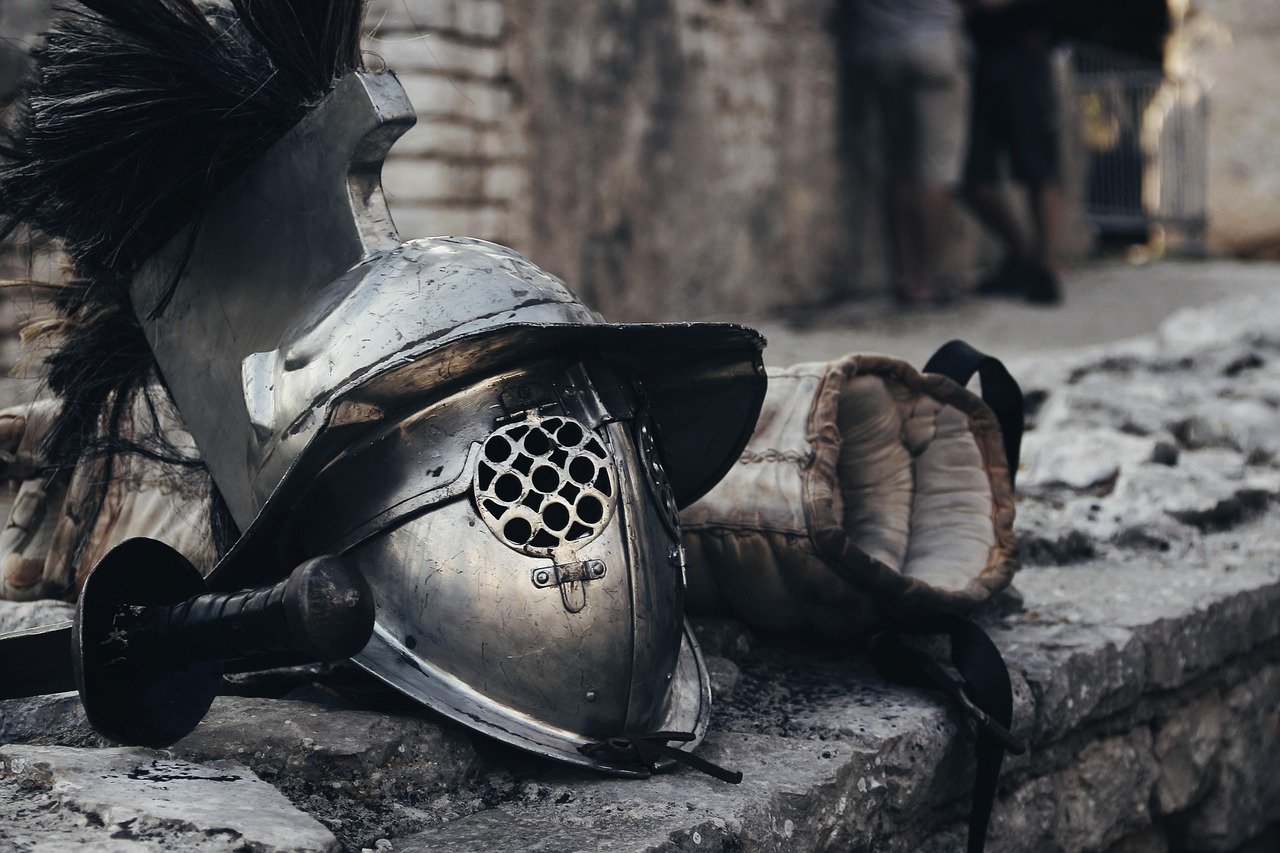
Construction of the Colosseum began around AD 70–72 under Emperor Vespasian, the first ruler of the Flavian dynasty. Vespasian had a calculated purpose: the site chosen was the former ornamental lake of Nero’s despised private palace, the Domus Aurea, and reclaiming it for public entertainment was a deliberate political statement — a gift to the Roman people at the tyrant’s expense. Funding came largely from the spoils looted after the destruction of the Second Temple in Jerusalem in AD 70. Vespasian died before seeing the amphitheatre completed; it was inaugurated in AD 80 by his son and successor, Titus, with one hundred days of games that reportedly killed over 9,000 animals and thousands of gladiators. Further modifications were made under Domitian (AD 81–96), who added the hypogeum — the underground network of tunnels and chambers — and the uppermost tier. The three emperors together give the monument its formal name: the Flavian Amphitheatre.
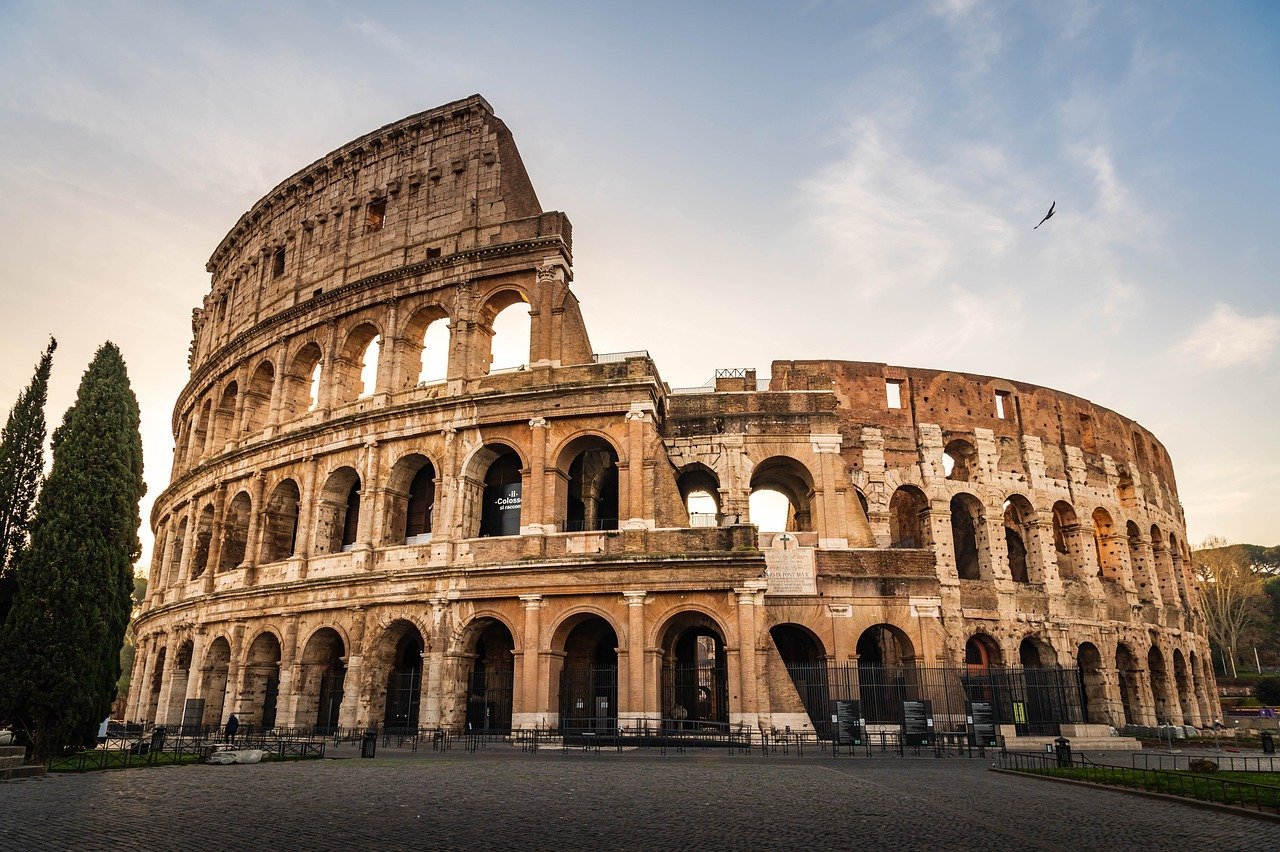
The Colosseum is an ellipse measuring 189 metres long, 156 metres wide, and 48 metres tall — the largest amphitheatre ever built in the ancient world, a record it still holds today. Its outer wall used 100,000 cubic metres of travertine limestone, held together by 300 tonnes of iron clamps; the interior combined Roman concrete (opus caementicium), tuff volcanic rock, and brick. The four-storey facade displayed an ascending hierarchy of classical orders: Doric columns on the ground level, Ionic on the second, Corinthian on the third, and a flat Corinthian pilaster wall on the fourth. Eighty arched entrances allowed up to 80,000 spectators — estimates range from 50,000 to 87,000 — to fill and vacate the building in minutes via a numbered-ticket system that assigned every spectator a specific entrance, stairway, and seat. This logic of crowd management would not be matched in sports architecture until the 20th century.
Seating was arranged strictly by social rank: senators occupied marble thrones at the podium level closest to the action, knights sat above them, wealthy citizens filled the middle tiers, and the poor and women were relegated to the steep wooden upper gallery under a canvas awning called the velarium, which was operated by sailors from the imperial fleet. The games lasted for over five centuries. Gladiatorial combat, wild animal hunts (venationes), public executions, and mythological theatrical spectacles drew crowds until the late 5th century. Emperor Trajan celebrated his Dacian Wars with 123 consecutive days of games involving 10,000 gladiators and 11,000 animals. After the fall of the Western Roman Empire, the games ceased. By the medieval period, the Colosseum had been converted into a fortress, quarried for its stone, used as a cemetery, and rocked by earthquakes — the great earthquake of 1349 brought down the entire outer southern wall. It was Pope Benedict XIV who, in 1749, consecrated the site as sacred to the Christian martyrs believed (though historically disputed) to have died there, and thereby halted further stone-robbing.
What to See Inside
The Arena Floor
The arena floor — the word “arena” comes from the Latin for sand, which was used to absorb blood — is the Colosseum’s most emotionally charged space. For most of the building’s history after the games ended, the floor was gone, leaving the hypogeum exposed to the sky. A partial reconstruction was completed in 2023, and visitors with the appropriate ticket can now stand on a wooden platform that replicates the original surface and look out across the oval seating bowl exactly as a gladiator would have. The scale hits differently from ground level: the tiers rise steeply on all sides, and it becomes easy to imagine 60,000 faces above you, the roar, the heat, the sand beneath your feet. The Gate of Death — the Porta Libitinensis — at one end of the arena was used to carry the bodies of slain fighters out of the arena; the Gate of Life at the other end opened to the gladiatorial barracks. Walking through either arch is one of the most arresting moments available to any visitor in Rome.
The Underground Hypogeum
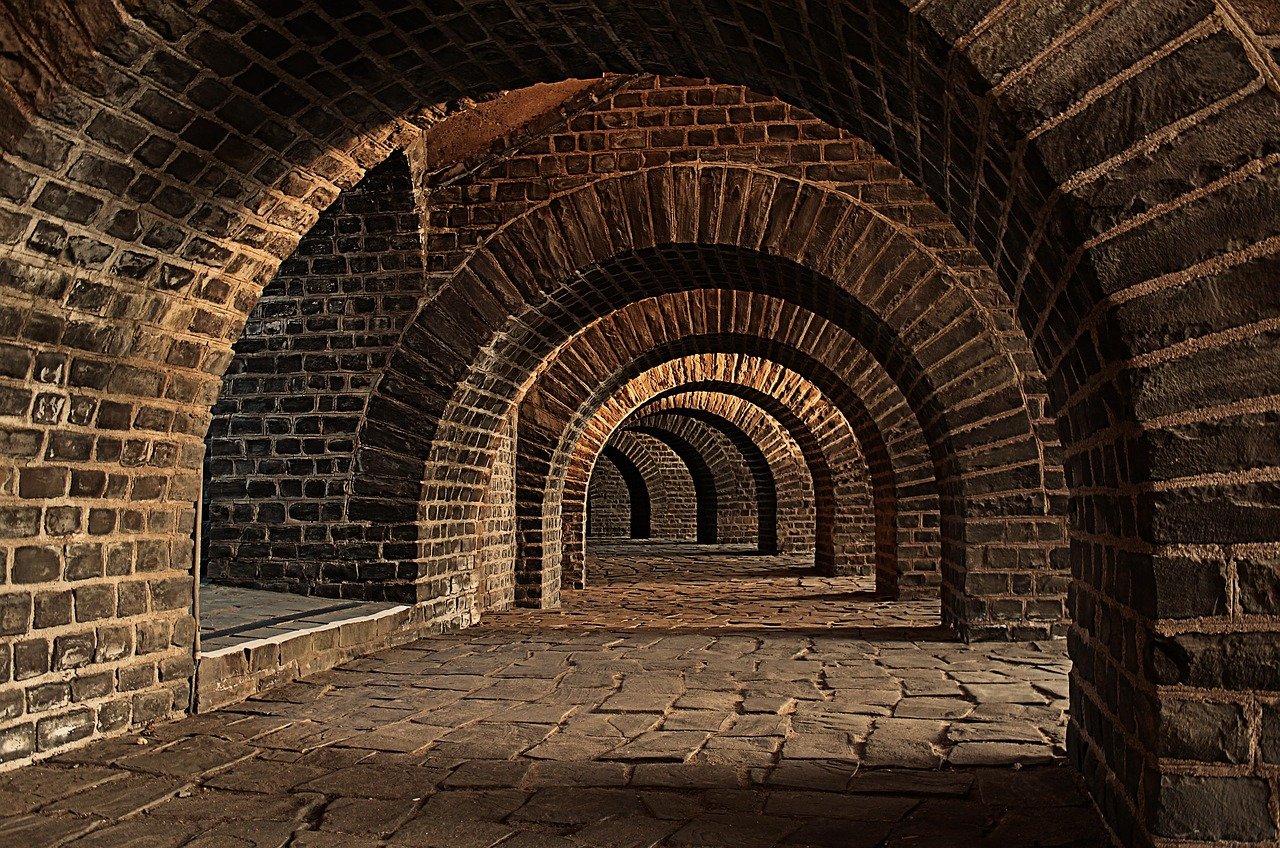
Built by Emperor Domitian shortly after the Colosseum’s inauguration, the hypogeum is a two-storey subterranean labyrinth that served as the backstage machinery of the games. Running beneath the entire arena floor, it contained a central corridor roughly two to three metres wide and four metres tall, flanked by parallel tunnels housing animal cages, gladiatorial waiting rooms, storage chambers for props and scenery, and the shafts of 28 freight elevators operated by counterweights and teams of workers. These lifts — some large enough to raise a fully grown elephant — could hoist animals, scenery, or even water for aquatic displays directly onto the arena floor through trapdoors. The original iron fittings of some cage doors are still visible in the tunnel walls. The hypogeum was fully opened to public access in 2021 after decades of archaeological excavation and restoration, and it remains one of the most exclusive and memorable experiences in all of Italian heritage tourism. Tickets for underground access sell out weeks in advance in peak season — book the moment the 30-day reservation window opens.
The Upper Tiers and Views
Climbing to the third and fourth tiers of the Colosseum reveals two rewards: an intimate understanding of the building’s engineering, and panoramic views of Rome that few tourists ever see. From the upper levels, the full ellipse of the seating bowl spreads below you, and the exposed cross-section of the outer wall shows the interlocking system of vaulted corridors and radial stairways that made the structure self-supporting without interior load-bearing columns. Looking outward, you see the Roman Forum spreading south-west toward the Capitoline Hill, the green heights of the Palatine above the Forum, and the rooftops of modern Rome layered behind. At sunset, the travertine glows amber and the long shadows of the arches stripe the stone — this is the hour photographers and painters have been drawn to for centuries. Access to the upper tiers (third and fourth floor) requires a specific ticket tier; check availability when booking, as these areas occasionally close for conservation work.
Local Insights
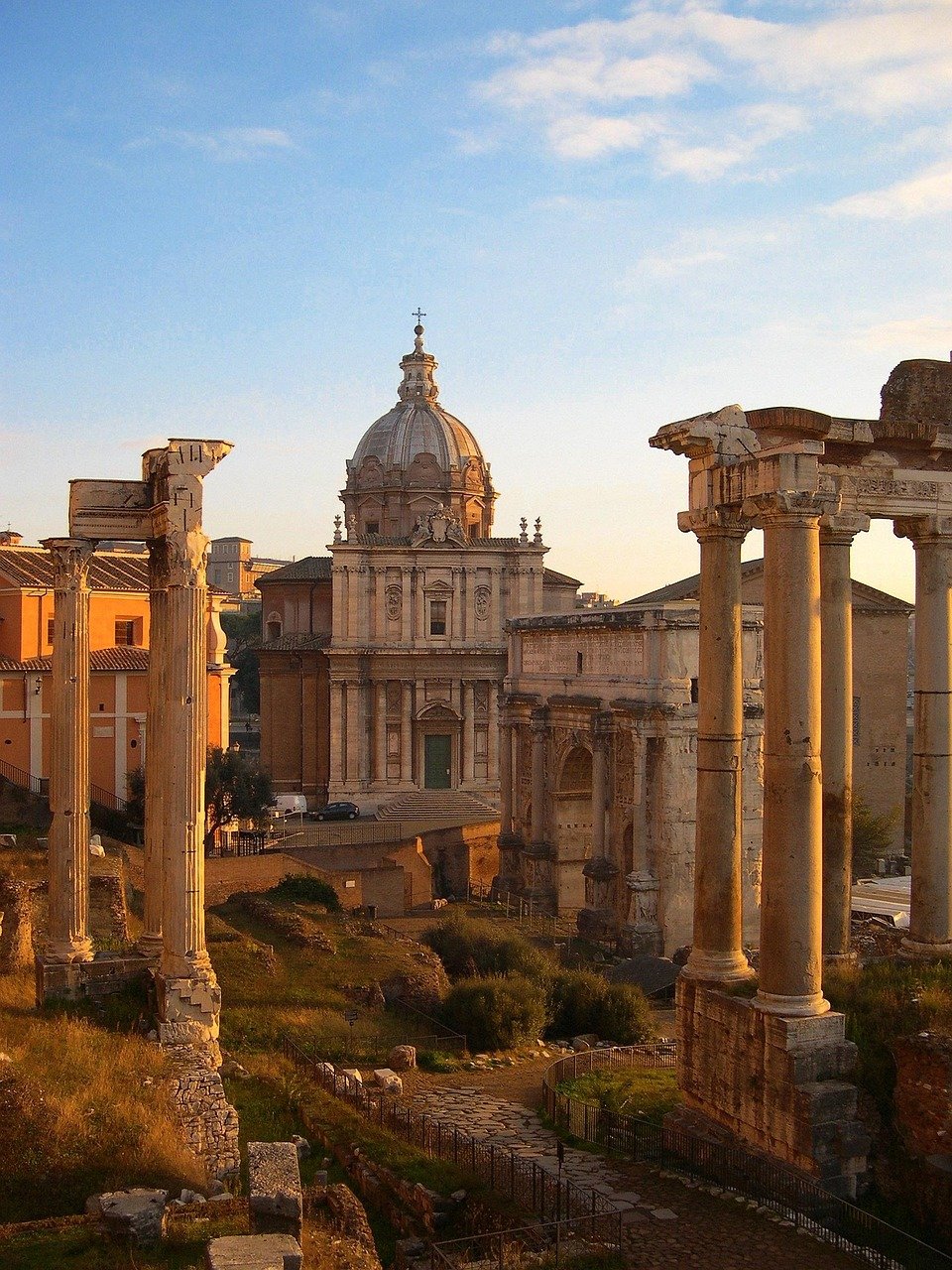
What locals know that guidebooks don’t always tell you:
- The building looks entirely different depending on which side you approach it from. The northern and eastern facades are the most intact and most photographed; the southern exterior, where the great 1349 earthquake stripped away the outer wall, exposes the internal structure like a geological cross-section — a view that is architecturally fascinating but rarely captured in tourist imagery.
- The best free vantage point in the entire city is from the Oppian Hill park (Parco del Colle Oppio) immediately north of the Colosseum, where you can look down over the structure at eye level with its upper arches without paying a euro.
- For locals, the nearby neighbourhood of Testaccio — about 15 minutes on foot — is the place to eat before or after a visit: it has some of Rome’s most authentic trattorias without the tourist markup that afflicts restaurants within sight of the monument.
- The consensus among experienced guides is to visit in the first hour after opening (around 9:00–10:00 AM) or in the final two hours before closing. Midday in summer turns the interior into a heat trap with no air circulation.
- The Colosseum is notably more atmospheric on overcast days, when the grey sky amplifies the drama of the ruins rather than turning it into a bright holiday snapshot. If you have an evening ticket option, take it — the lighting as the sun drops over the Forum is extraordinary.
- Your standard ticket includes the Roman Forum and Palatine Hill: plan to spend the rest of your day there, because the Forum is one of the most significant archaeological sites in the world and is routinely underestimated by visitors who see it as an afterthought.
Planning Your Visit
The Colosseum is located at Piazza del Colosseo, 1, in central Rome.
Tickets
- Standard ticket: €18 + €2 booking fee — includes same-day access to the Roman Forum, Palatine Hill, and the Imperial Fora
- Full Experience: €22 + €2 — adds arena floor access plus either the underground hypogeum or the upper tiers (third and fourth floors)
- EU ages 18–25: €4 (standard) / €6 (Full Experience) reduced rate
- Under 18: Free — reservation still required
- Where to book: Official site only (ticketing.colosseo.it) — do not purchase from street touts or unofficial resellers outside the gates
- Advance booking: Tickets go on sale 30 days in advance; hypogeum and arena floor tickets sell out rapidly in peak months (April–September)
Opening Hours
- Opens: 9:00 AM daily (last admission 30 minutes before closing)
- Winter (Nov–mid Feb): closes ~4:30 PM
- Spring/Autumn: closes ~6:30 PM
- Summer (late Mar–Oct): closes ~7:15 PM
- Closed: Christmas Day, New Year’s Day
- Time needed: Allow a minimum of 90 minutes for the Colosseum itself; add another 90 minutes to two hours for the Roman Forum and Palatine Hill
Getting There
- Metro: Line B → Colosseo stop (2-min walk to the entrance)
- Bus: Lines 75, 81, 85, 87 stop nearby
- On foot: ~25 min from Trevi Fountain, ~15 min from Piazza Venezia
- Taxi/ride-share: Drop off at Piazza del Colosseo directly in front of the main entrance
Frequently asked questions
When is the best time to visit the Colosseum?
The best times are early morning (9:00–10:00 AM, when the site first opens and crowds are thinner) or late afternoon (two hours before closing, when the light on the stone is warmest and many tour groups have departed). Avoid visiting between 11:00 AM and 3:00 PM in July and August — the interior becomes extremely hot and the queues for re-entry after delays are at their longest. Shoulder season (March–April and September–October) offers the most comfortable conditions, with mild temperatures and manageable crowds. Weekday visits are noticeably quieter than weekends.
How much do Colosseum tickets cost?
Standard adult tickets are €18, plus a €2 online reservation fee. Full Experience tickets — which add access to the arena floor plus either the underground hypogeum or the upper tiers — cost €22 plus the reservation fee. EU citizens aged 18–25 pay €4 (standard) or €6 (Full Experience). Children under 18 enter free but must still book a time slot online. All tickets include same-day entry to the Roman Forum, Palatine Hill, and the Imperial Fora. Purchase only through the official booking site (ticketing.colosseo.it) or authorised resellers to avoid scams.
How long do you need at the Colosseum?
Allow a minimum of 90 minutes for the Colosseum itself if you are sticking to the standard access areas (the interior corridors, second floor exhibition, and views into the arena). If your ticket includes the underground hypogeum or the upper tiers, budget at least two to two-and-a-half hours. Add another 90 minutes to two hours if you plan to walk through the Roman Forum and climb Palatine Hill, which are included in your ticket and are directly adjacent to the Colosseum. A full combined visit is easily a half-day experience; four to five hours is not unusual for visitors who take their time.
Can you visit the underground hypogeum?
Yes — but it requires a Full Experience ticket (€22) rather than the standard admission, and availability is limited. The hypogeum has been fully open to the public since 2021 after extensive archaeological work. Time slots are released 30 days in advance through the official ticketing site, and during peak season (May through September) they sell out within days of becoming available. If you are visiting in summer, book on the exact morning that your 30-day window opens. The underground tour is guided or self-guided depending on the ticket type, and the passages are cool — a welcome relief in summer — but can feel confined; those with claustrophobia should check the tour format before booking.