
Sao Paulo Museum of Art (MASP)
There is a moment, standing beneath the vast concrete belly of MASP on Avenida Paulista, when the city seems to hold its breath. The museum hovers above the ground on just four red pillars, a brutalist miracle that has defined Sao Paulo’s cultural identity for over half a century. Inside, some of the greatest works of Western art hang on glass easels — Picasso, Van Gogh, Rembrandt — suspended in space just as the building itself appears to float. MASP is not merely a museum; it is a bold statement about what art means in South America’s largest and most dynamic metropolis.
History of MASP
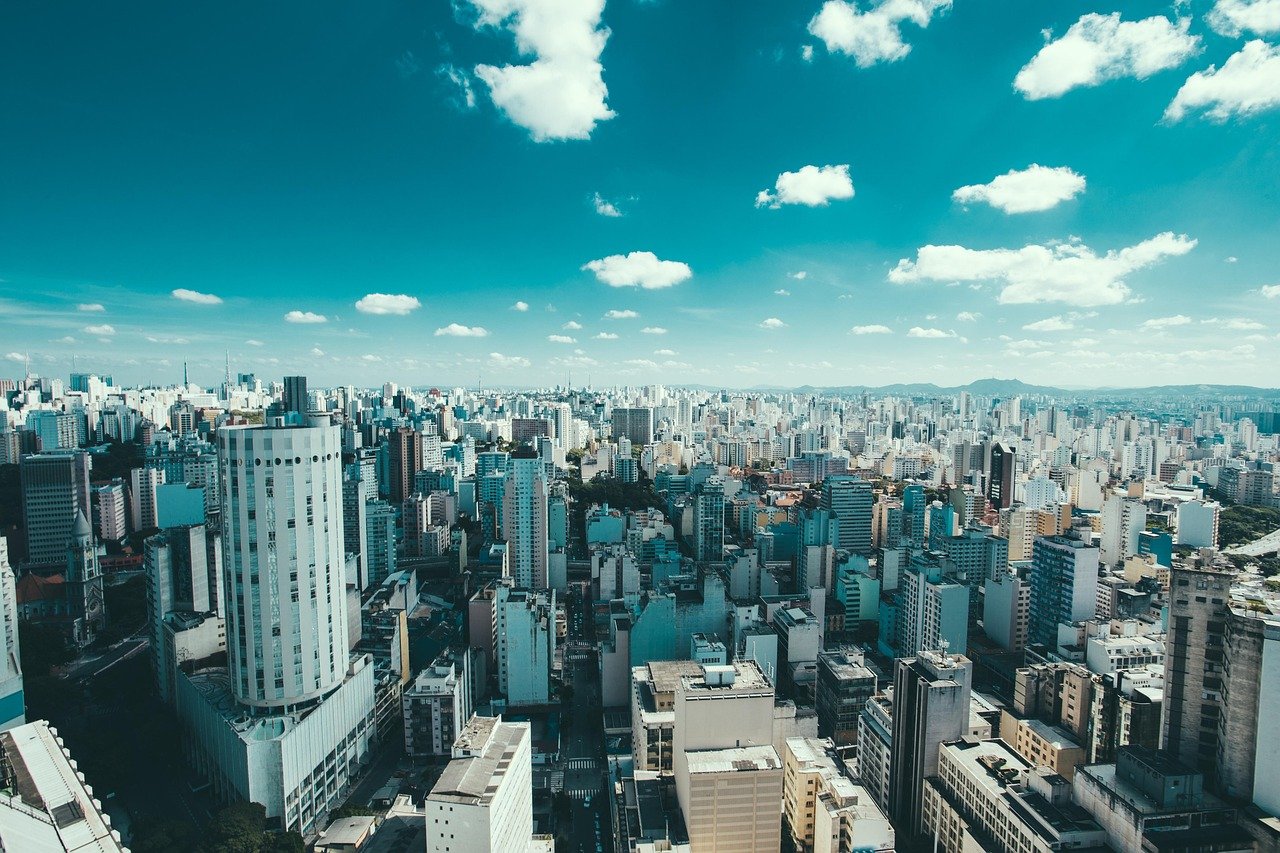
MASP was founded in 1947 by media magnate Assis Chateaubriand and Italian art critic Pietro Maria Bardi, arriving at a moment when Brazil was transforming itself into an industrial powerhouse and hungry for cultural institutions to match its ambitions. Bardi, who became the museum’s long-serving director, traveled Europe after World War II acquiring masterpieces at remarkably favorable prices from collections disrupted by the war, assembling what would become the most comprehensive collection of Western art in the Southern Hemisphere. The museum first operated out of rented floors in the Diários Associados headquarters in the city center before its current home was conceived.
The purpose-built structure on Avenida Paulista was designed by Italian-Brazilian architect Lina Bo Bardi and inaugurated in 1968. Bo Bardi’s vision was revolutionary: suspend the entire museum above a free civic plaza — a space 74 meters wide, at the time the largest unsupported concrete span in the world — so that the street life of Paulista Avenue could flow beneath the building uninterrupted. The four massive red concrete pillars, the wraparound glass facade, and the use of a below-grade lower floor were all radical departures from museum convention. The city designated MASP a national cultural heritage site, and in 2025 the museum opened a major 14-story annex, the Edifício Pietro Maria Bardi, expanding exhibition space by 66 percent.
What to See at MASP
The Permanent Collection Galleries

The permanent collection spans more than 8,000 works and ranges from medieval European painting through Brazilian modernism and African and Asian art, but the crown jewels are the European masterpieces assembled by Pietro Bardi in the post-war years. The gallery presents works by Raphael, Rembrandt, Velázquez, Rubens, Manet, Renoir, and Van Gogh, along with a significant group of Picassos. The presentation method is distinctive: rather than hanging canvases on opaque walls, works are displayed on freestanding glass easels, allowing visitors to view the back of canvases and read condition notes — an approach that democratizes the experience of art viewing. The natural light flooding through the building’s glass walls animates the collection in a way no artificial gallery lighting could replicate. Allow at least two to three hours to explore the permanent galleries properly, and consider purchasing the audio guide to unlock deeper narratives behind the most significant works.
Brazilian Art and the New Annex
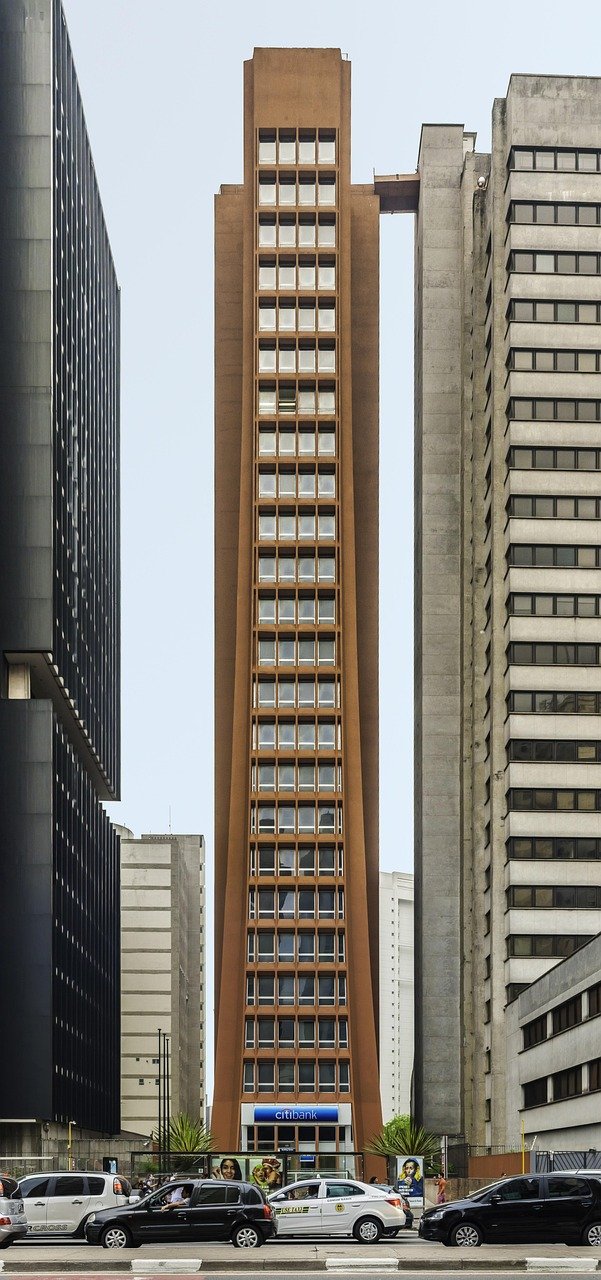
The Edifício Pietro Maria Bardi, opened in March 2025, dramatically expands MASP’s capacity for Brazilian and Latin American art, an area where the collection has always been strong but space-constrained. Highlights include works by Tarsila do Amaral, the modernist painter whose Abaporu — now in Buenos Aires — sparked the Antropofagia movement, and Cândido Portinari, whose social realist canvases document Brazilian life with extraordinary emotional power. The annex also dedicates significant gallery space to Afro-Brazilian and Indigenous art, correcting a historical blind spot and reflecting Bardi’s own evolving curatorial philosophy. The building’s terraced rooftop garden offers a spectacular panoramic view of Paulista Avenue stretching toward the horizon — one of the finest urban vantage points in the city and an ideal spot for a rest between gallery visits.
Temporary Exhibitions and Public Programs
MASP has built a reputation for ambitious temporary exhibitions that attract international attention. Recent years have brought major retrospectives of artists including Lygia Clark, whose participatory installations challenged the boundaries between art and viewer, and thematic shows exploring African diaspora art and pre-Columbian heritage. The museum’s public programming extends beyond the gallery walls: the open plaza beneath the building hosts antique fairs on Sundays, a gay pride market on Saturdays, and regular street-food events. Free Tuesday admission brings thousands of visitors each week, making it one of the city’s great leveling institutions — a world-class museum accessible to every resident of this enormously unequal city.
Scheduling around major exhibitions is worthwhile: MASP announces its programming several months in advance on its website, and the blockbuster shows can draw queues even on weekdays. The museum also offers educational workshops, film screenings, and lectures — many free — throughout the year. Visitors traveling with children should check the family programming calendar, which includes guided tours designed for younger audiences and interactive art workshops in Portuguese and English. The bookshop on the lower level stocks an excellent selection of Brazilian art publications, exhibition catalogs, and design objects, and is worth browsing even if you are not buying.
MASP and Avenida Paulista
MASP does not exist in isolation — it anchors the most culturally dense avenue in South America. Avenida Paulista, a 2.8-kilometer boulevard lined with glass towers, cultural centers, and street life, is the beating heart of modern Sao Paulo. On Sundays the avenue closes to traffic entirely, becoming a linear park thronged with cyclists, street performers, food vendors, and families. The Japanese community runs an outdoor flea market; the LGBT community gathers around the area near MASP; impromptu concerts break out along the length of the avenue. Exploring Paulista before or after your museum visit adds significant depth to the experience and provides excellent opportunities to encounter the remarkable cultural mosaic that defines this city of twelve million people.
A few blocks west of MASP, the Museu da Casa Brasileira and the Instituto Moreira Salles (a striking modernist building with free admission) offer complementary cultural experiences for visitors with more time. East of MASP, the Museu de Arte Contemporânea (MAC-USP) at DETRAN or its Ibirapuera location extends the city’s contemporary art offering significantly. The neighborhood of Jardins — accessible on foot from the Trianon-MASP Metro station — is Sao Paulo’s most refined shopping and dining district, making it a natural post-museum destination for lunch or dinner at one of the many restaurants along Rua Oscar Freire or Rua Bela Cintra.
Ibirapuera Park, Sao Paulo’s equivalent of Central Park, lies about 3 kilometers south of MASP and is reachable by a short taxi or Uber ride. Within the park, the Museu Afro Brasil and the Oca pavilion — another Niemeyer building — host rotating exhibitions. On weekends, Ibirapuera’s paths fill with runners, cyclists, families, and food trucks, making it the perfect complement to a MASP visit for those wanting to experience the city beyond its cultural institutions. Sao Paulo rewards visitors who look past the chaotic surface: beneath the traffic and concrete sprawl lies one of the most vibrant and culturally serious cities in the Western Hemisphere, and MASP is its most eloquent proof.
Local Insights
Veterans of Sao Paulo’s cultural scene share these insider tips for making the most of your MASP visit.
- Go on Thursday evening: The museum stays open until 8 PM on Thursdays and the crowds thin out dramatically after 6 PM. You will often find yourself nearly alone with Rembrandt or Van Gogh — an experience that is genuinely moving and impossible on busy weekend afternoons when tour groups fill the galleries.
- Start on the upper floor: Most visitors follow signs to the lower level first and end up exhausted before reaching the European masterpieces upstairs. Reverse the circuit — enter on the Paulista level, take the elevator to the top floor, and work your way down. You will see the best works fresh.
- Free entry on Tuesdays has a catch: It also draws the largest crowds of the week, often including school groups. If you visit on Tuesday, arrive at 10 AM when the doors open to beat the noon surge, and avoid the second-floor galleries between noon and 2 PM when tour groups dominate.
- The Sunday antique market beneath the building runs from about 9 AM to 5 PM and is worth building into your visit. Vendors sell vintage maps, old cameras, coins, and Brazilian folk art. It is free to browse and a perfectly atmospheric way to begin or end a museum visit on Paulista Avenue.
- Combine with Trianon Park: Directly across Avenida Paulista from MASP is a small but dense Atlantic Forest fragment called Parque Trianon. Its shaded paths and benches make an ideal picnic break between museum sessions — bring food from the Mercado Municipal nearby or pick up a pastel from street vendors on Paulista.
Planning Your Visit
- Tickets: R$ 75 adults (~USD 14); R$ 37.50 students and seniors 60+ (~USD 7); Free on Tuesdays and every Friday 6–10 PM (Free Friday B3)
- Opening hours: Tuesday–Sunday 10 AM–6 PM; Thursday 10 AM–8 PM; closed Mondays and Dec 24–25, Dec 31–Jan 1
- Best time: Thursday evenings (6–8 PM) for minimal crowds; weekday mornings in general; avoid Saturday and Sunday afternoons during major exhibitions
- Duration: Allow 2–3 hours for a focused visit; 4+ hours if exploring both the main building and the new Pietro Maria Bardi annex
- Booking: Advance purchase recommended for peak weekends and major exhibitions; buy on masp.org.br; walk-up available at ticket counter
Getting There
- Metro: Line 2 (Green) — Trianon-MASP station; exit directly onto Avenida Paulista 30 meters from the museum entrance
- By car: Address is Avenida Paulista 1578; paid parking at Alameda Casa Branca 41 (R$ 25 for 3 hours); street parking on Paulista banned during peak hours
- On foot: 12-minute walk from Consolação Metro station; 8-minute walk from Brigadeiro station; Paulista is flat and pedestrianized on Sundays
- Taxi/ride-share: Uber and 99 both service the address well; specify “MASP, Avenida Paulista 1578” and be dropped on the Paulista side to avoid the one-way traffic on Alameda Casa Branca
Frequently asked questions
Is MASP really free on Tuesdays?
Yes — full free admission for all visitors every Tuesday, no exceptions. The free Friday B3 program also grants complimentary entry every Friday from 6 PM to 10 PM. For MASP Friends members, free entry is available any day the museum is open but still requires an online reservation. Children under 11 with proof of age enter free every day, and people with disabilities plus one companion are always admitted without charge. On Tuesdays the queue forms early, so arrive at opening time (10 AM) to avoid long waits. Note that all free-admission visitors still need a timed entry slot booked on the museum website — walk-up free entry without a reservation is not guaranteed during peak periods and major exhibitions.
How long should I spend at MASP?
A focused visit covering the main permanent collection highlights takes about two hours at a comfortable pace. If you want to explore the full permanent galleries, temporary exhibitions on multiple floors, and the new Edifício Pietro Maria Bardi annex opened in 2025, budget four to five hours. The museum café on the lower level offers a pleasant midday break, and the rooftop terrace of the annex is a worthwhile stop even if you skip some gallery floors. Many visitors combine MASP with a stroll down Avenida Paulista and Parque Trianon across the street.
Can I take photos inside MASP?
Photography for personal, non-commercial use is permitted throughout most of MASP’s galleries without flash. Tripods and selfie sticks are generally not allowed inside gallery spaces. Some temporary exhibitions impose specific photography restrictions — look for posted signs at the entrance to each show. The distinctive glass-easel display system makes for excellent photos because you can capture works from multiple angles. The dramatic architectural interiors — particularly the steel beams and glass facade of the main building — are popular subjects and entirely open to photography.
What is the new Edifício Pietro Maria Bardi annex?
The Edifício Pietro Maria Bardi is a 14-story vertical expansion that opened in March 2025, connected to the original Lina Bo Bardi building. It expanded MASP’s total exhibition area by 66 percent, creating dedicated space for Brazilian and Latin American art, Afro-Brazilian collections, and larger-scale temporary exhibitions that previously could not be accommodated. The annex includes new public amenities — an expanded café, a design bookshop, and a rooftop terrace with panoramic views of Paulista Avenue. It was named in honor of the museum’s founding director and co-creator Pietro Maria Bardi.