
Ibirapuera Park
On a warm Sunday in Sao Paulo, Ibirapuera Park becomes the soul of the city made visible. Joggers, cyclists, families with children, couples on blankets, food vendors, skateboarders and street musicians all converge on this 1.5-square-kilometre green lung in the heart of South America largest metropolis, creating a democratic, joyful urban scene that reveals Sao Paulo as something much more than the concrete megacity of its reputation. Designed by Oscar Niemeyer and Roberto Burle Marx for the city 400th anniversary celebrations in 1954, Ibirapuera is both a masterpiece of Brazilian modernist landscape design and simply a very good park.
History of Ibirapuera Park
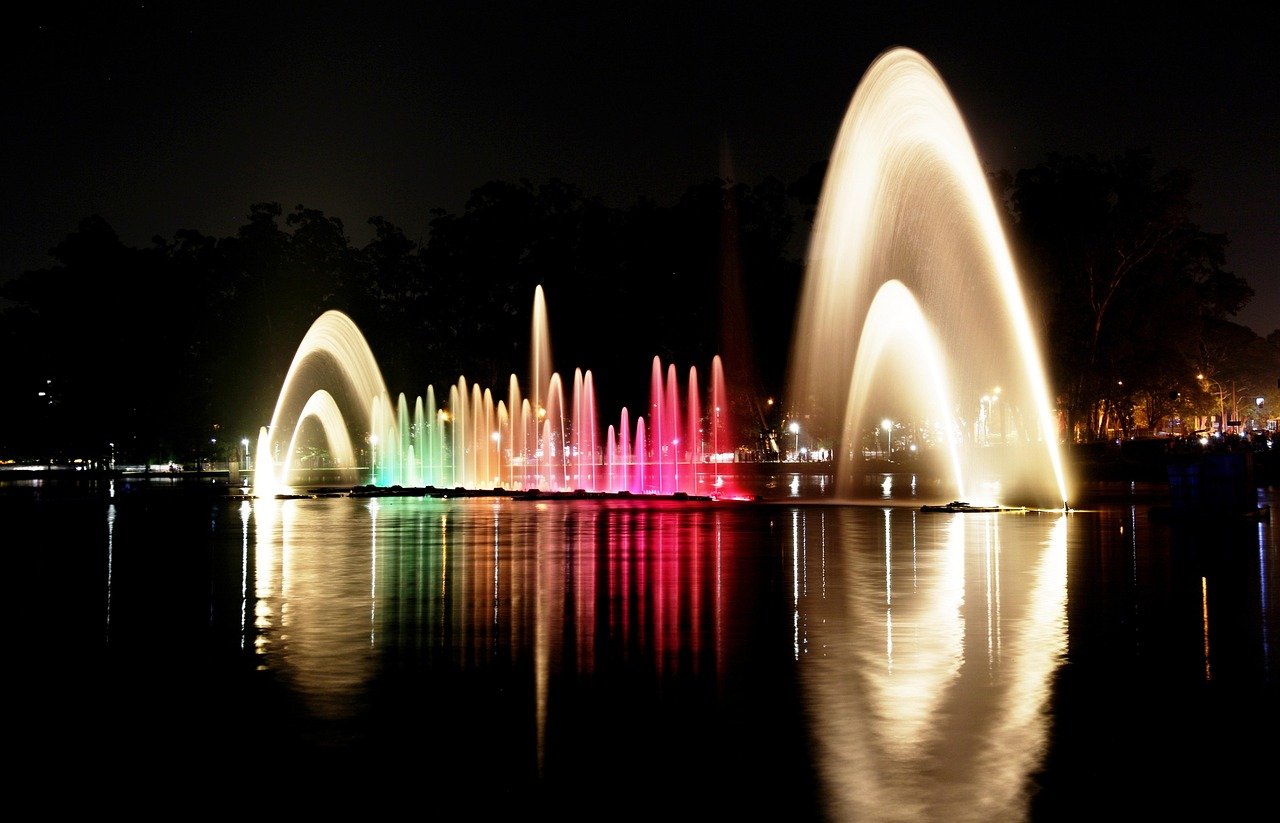
The land that would become Ibirapuera was originally a swamp on the southern edge of the city, used as a market garden and then briefly as a municipal nursery. The decision to transform it into a major urban park came in the early 1950s, as part of the ambitious celebrations planned for the 400th anniversary of the founding of Sao Paulo in 1554. The project brought together two giants of 20th-century Brazilian design: Oscar Niemeyer, then at the height of his powers and fresh from his work on Pampulha, designed the park iconic modernist pavilions; and Roberto Burle Marx, the greatest landscape architect Brazil has produced, designed the sinuous garden paths, artificial lake and tropical plantings.
The park opened on 21 August 1954, though construction of some pavilions continued for years afterward. Over the following decades it became the social and cultural heart of Sao Paulo south zone, hosting major art exhibitions, concerts and public events. In the 1990s its management was transferred to a private foundation, which undertook significant restoration of the pavilions and grounds. Today the park receives over 13 million visitors a year and is consistently ranked among the finest urban parks in Latin America.
What to See
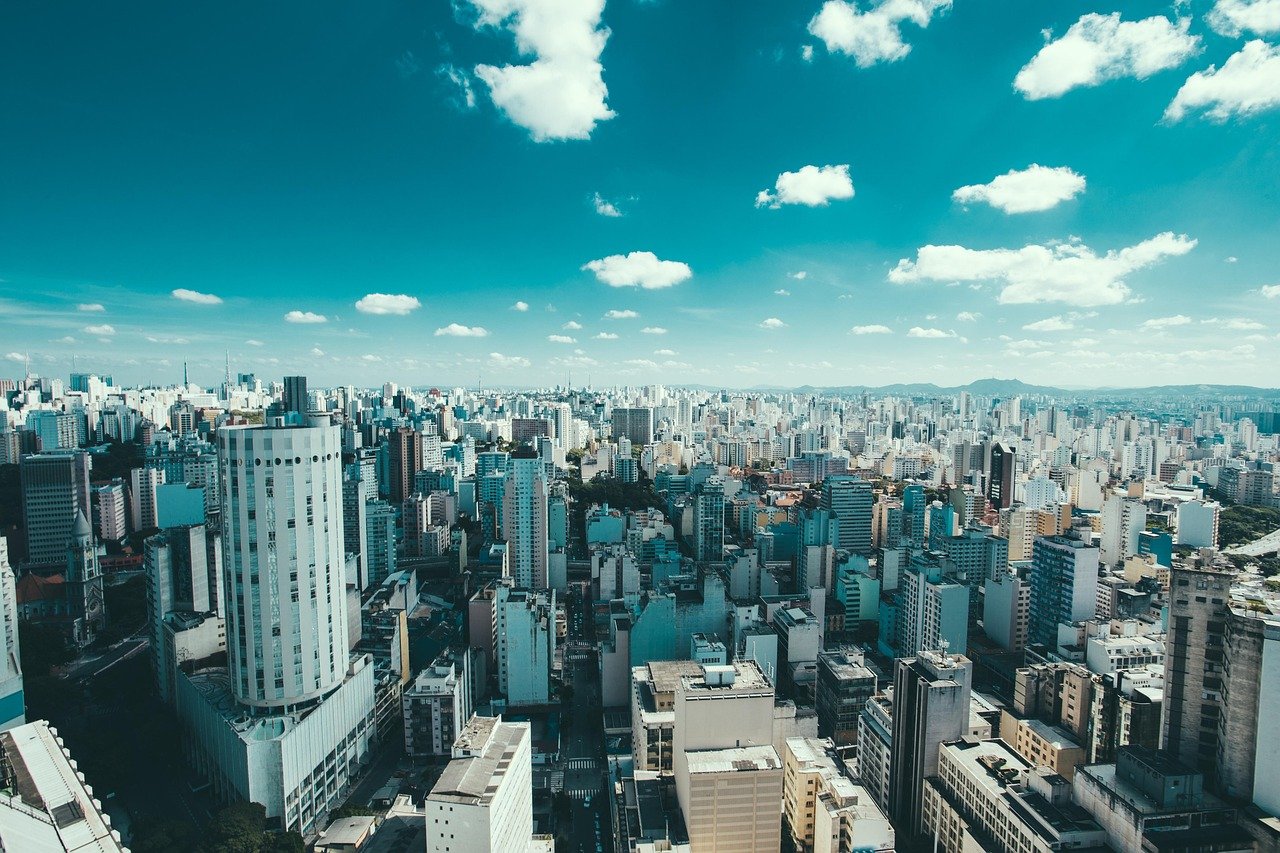
The park anchor is the long, curved Niemeyer marquee — an undulating concrete canopy that connects three of the main pavilions and has become an iconic image of Brazilian modernism. The pavilions themselves house some of Sao Paulo best cultural institutions: the Museum of Contemporary Art (MAC USP), the Brazilian Museum of Sculpture (MuBE) is nearby, and the Afro Brazil Museum, which has one of the most important collections of African and Afro-Brazilian art in the world, occupies the Biennale Pavilion. The Sao Paulo Art Biennial, held every two years in the Ciccillo Matarazzo Pavilion, is one of the most important contemporary art events in the Southern Hemisphere.
Beyond the cultural institutions, the park offers a rich outdoor experience. The artificial Ibirapuera Lake, where paddle boats can be hired on weekends, reflects the surrounding eucalyptus and pine trees in its dark surface. The Japanese Pavilion, a gift from the Japanese immigrant community, is a serene reconstruction of a traditional Japanese garden pavilion surrounded by carefully maintained gardens. An outdoor amphitheatre hosts free concerts on Sunday afternoons, and the park cycling and walking paths extend for kilometres through varied plantings.
The Niemeyer Architecture
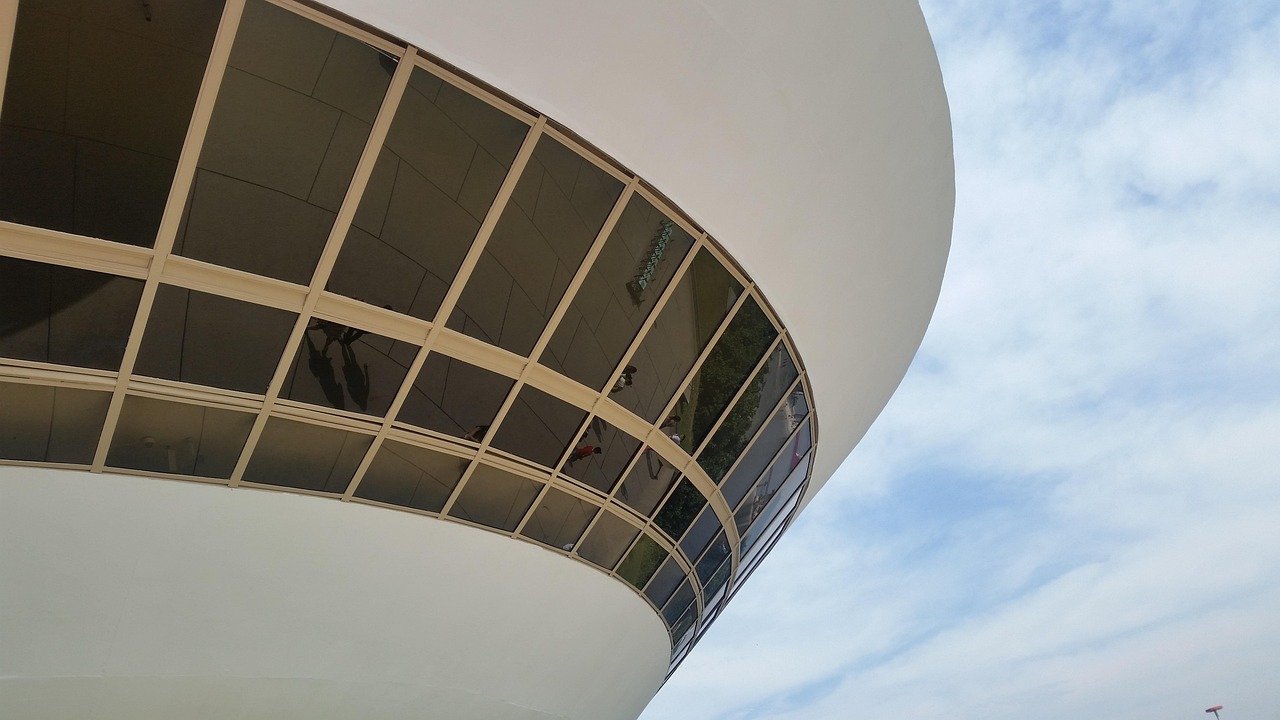
For architecture enthusiasts, Ibirapuera is a must-visit — it contains a concentration of Oscar Niemeyer work from his most productive and inventive decade. The Great Marquee (Marquise), completed in 1954, is a 620-metre concrete canopy that curves through the landscape with the freedom that only reinforced concrete allows. The Biennale Pavilion, with its bright red ramp and vast flexible interior, was revolutionary in its rejection of structural columns, creating a completely open floor plan decades before this became standard in exhibition design. The Auditorium, added later in 2002, is a bright red structure with a dramatic conical form that Niemeyer described as the bow of a ship.
Walking through the park at dusk, when the concrete structures take on warm honey tones and the social life of the park reaches its evening peak, provides an experience of modernist architecture as it was always meant to be encountered — not in isolation in a photograph, but embedded in the living texture of a city and its people.
Practical Information
- Tickets: Park entry is free; museum admission varies (MAC USP free on Saturdays; Afro Brazil Museum ~BRL 6)
- Opening hours: Park open daily 5:00 AM to midnight; individual museums have own hours (typically Tue-Sun 10:00 AM to 6:00 PM)
- Best time to visit: Sunday mornings for the full social atmosphere; weekday mornings for a quieter experience
- Duration: 2 to 4 hours for a leisurely walk; a full day if visiting multiple museums
- Booking: No booking needed for the park; check museum websites for free days and booking requirements
Local Insights
Paulistanos (Sao Paulo residents) know that Sunday morning at Ibirapuera — particularly between 8:00 and 11:00 AM when the adjacent Avenida Pedro Alvares Cabral is closed to traffic for cyclists and joggers — is the best urban experience the city offers.
- Rent a bicycle at one of the bike share stations (Itau Unibike app) and cycle the full perimeter of the park and along the closed road on Sundays
- The park food vendors serve excellent pasteis (fried pastries) and caldo de cana (sugar cane juice) near the main lake
- Check the Sao Paulo Art Biennial schedule — it runs in October and November of even-numbered years and admission is often free
- The park is very popular with dog walkers early morning; bring yours if you have one
- The Japanese Pavilion is particularly serene on weekday mornings when the guided tours have not yet arrived
Getting There
- Metro: Line 5 Lilac to Eucaliptos or Moema stations; 10-minute walk to main park entrance
- Bus: Multiple routes along Avenida Brigadeiro Luiz Antonio and Avenida Pedro Alvares Cabral
- By Uber or taxi: Common drop-off point at the main gate on Avenida Pedro Alvares Cabral
- On foot: 20 minutes from Paulista Avenue through Jardim Paulista neighbourhood
Frequently asked questions
Is Ibirapuera Park safe?
The park is considered safe during daylight hours and is heavily used by families and sports enthusiasts. As with any large urban park, exercise normal city awareness with valuables. Avoid isolated areas after dark.
Can I jog or cycle in Ibirapuera Park?
Yes, the park has dedicated cycling and jogging paths used by thousands of people daily. Bicycle hire is available through the Itau Unibike city bike share scheme. On Sundays, the adjacent road is closed to traffic, creating additional space.
What museums are inside Ibirapuera Park?
The main cultural institutions are the Museum of Contemporary Art (MAC USP), the Afro Brazil Museum, the Sao Paulo House, and the Biennale Pavilion (which hosts the Sao Paulo Art Biennial). The Japanese Pavilion and its gardens are also within the park.
Is there food available in the park?
Yes, several food kiosks and small cafes operate throughout the park, particularly near the main lake. Vendors sell snacks, coconut water and typical Brazilian street food. A cafe operates inside the Biennale Pavilion.
Are there events in Ibirapuera Park?
Yes, the outdoor amphitheatre hosts free concerts and cultural events year-round. Major events like the Sao Paulo Gay Pride Parade (one of the world largest) end near or in the park. Check the Ibirapuera Park official website for the current events calendar.