
Morro Dois Irmaos
Stand at the summit of Morro Dois Irmãos and Rio de Janeiro reveals itself in a way that no postcard can prepare you for. To the east, Ipanema and Leblon curve in a perfect crescent of white sand. To the south, the open Atlantic stretches to the horizon. Beneath you, the dense terracotta rooftops of Rocinha tumble down the hillside, and in the distance Sugarloaf rises from the bay like a fist from the sea. The route to this vantage point begins inside Vidigal, one of Rio’s most welcoming favelas, making the journey as memorable as the destination. This is not a polished tourist attraction — it is a raw, exhilarating slice of carioca life that rewards everyone who laces up their boots and makes the climb.
History of Morro Dois Irmãos
The name Morro Dois Irmãos — Two Brothers Hill — has been used by Cariocas for centuries to describe the twin quartzite peaks that dominate the skyline between Leblon and São Conrado. The peaks are part of the same granite-gneiss mountain chain that forms much of Rio’s dramatic topography, thrust upward around 600 million years ago during the Brasiliano orogeny. For the indigenous Tupi people who inhabited this coastline before European arrival, these peaks and the surrounding forest held spiritual significance as part of a larger sacred landscape. Portuguese settlers who arrived in the sixteenth and seventeenth centuries mapped the distinctive silhouette as a navigational landmark visible from the sea, cementing its identity in the city’s geography long before any formal name was recorded in colonial documents.
The community of Vidigal that today serves as the gateway to the hike grew up gradually on the lower slopes during the twentieth century. When other hillside communities faced demolition in Rio’s urban planning drives of the 1960s and 1970s, Vidigal’s residents organized and successfully resisted eviction — a history of resilience that locals are justifiably proud of. The community later gained international attention in 2013 when authorities “pacified” the favela under Rio’s UPP security program ahead of the 2014 World Cup and 2016 Olympics, bringing infrastructure investment and improving access for visitors. Today the trail through the Atlantic Forest above Vidigal is maintained by community guides and local environmental groups, preserving the natural environment while generating income for residents.
What to See at Morro Dois Irmãos
The Summit Panorama

The main draw is the 360-degree panorama from the summit at approximately 533 metres. Looking northeast, the twin strips of Ipanema and Leblon beaches run side by side, separated only by the Jardim de Alá canal — a geometry that only makes sense from this height. The Rodrigo de Freitas lagoon glitters inland, ringed by the wealthy Gávea, Jardim Botânico and Lagoa neighbourhoods. Further east you can pick out Corcovado’s steep silhouette with Christ the Redeemer’s outstretched arms just visible. On clear days the bay of Guanabara opens to the north with Sugarloaf’s distinctive dome rising from Urca. Directly below to the west the tightly packed houses of Rocinha — South America’s largest favela — descend in an extraordinary cascade of pink, white and terracotta. Few vantage points on earth offer such a vivid contrast between urban density and natural grandeur in a single frame.
The Vidigal Favela Approach
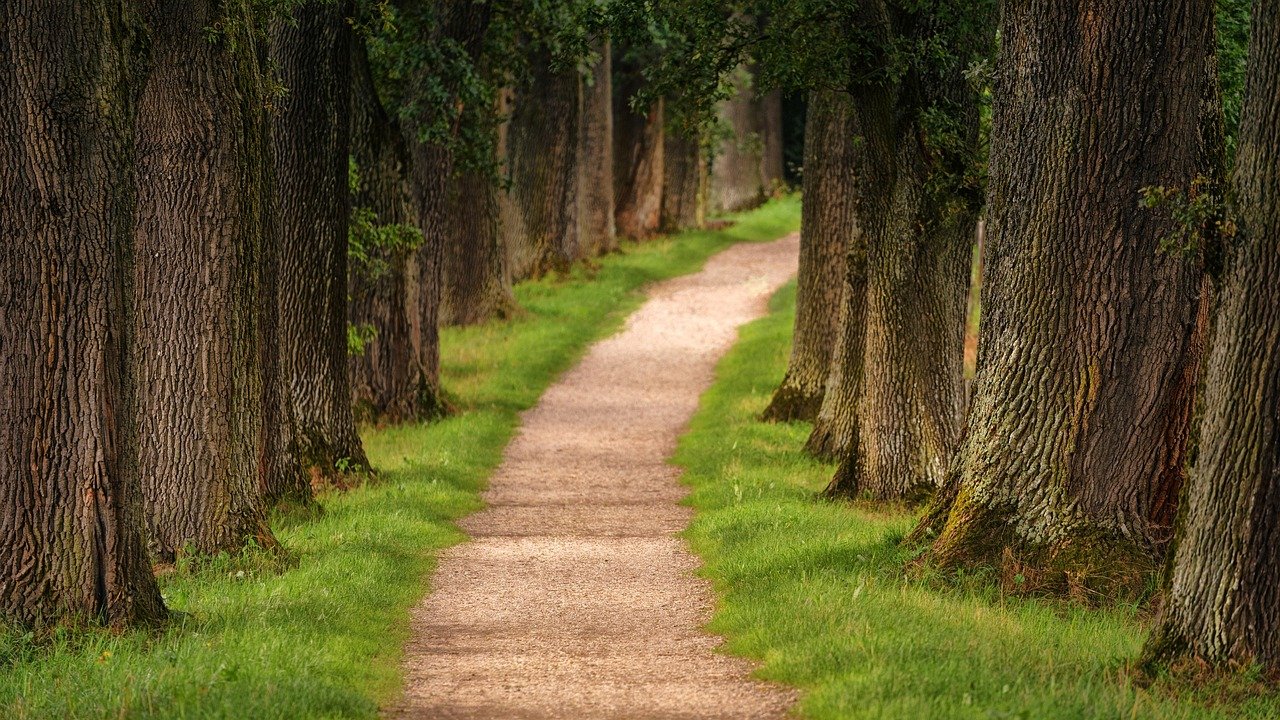
The approach through Vidigal is an attraction in its own right. The favela clings to the hillside in tightly stacked layers, its alleyways alive with the sounds of baile funk drifting from open windows, children kicking footballs on improvised pitches, and the smell of acarajé frying in small street-side kiosks. At the base of the hill, a cluster of moto-taxi drivers offer rides up the steep cobbled streets to the trailhead for around R$8–10 per person — an experience of community mobility that is itself uniquely carioca. Once on the trail, the Atlantic Forest closes in quickly: twisted fig trees, bromeliads and ferns replace the concrete, and the city noise drops to a murmur. The path climbs steadily through secondary forest before emerging onto exposed rocky outcrops where the view begins to open up in dramatic stages. The 1.5-kilometre trail is well-worn and easy to follow, though several sections are steep enough to require hands on rock.
Atlantic Forest Wildlife
The slope above Vidigal is cloaked in remnant Atlantic Forest, one of the world’s most biodiverse and most threatened biomes. Though much of the original forest was cleared in earlier centuries, secondary growth here is dense and rich. Hikers commonly spot tufted-ear marmosets darting through the canopy — these small, white-eared primates are remarkably bold and will approach closely if they smell food. Tropical birds are abundant: the vivid red and black tanager, various hummingbirds, and the laughing thrush can all be heard or seen along the trail. In the rainy season, mosses and ferns cover virtually every surface and the air smells of damp earth and decomposing leaves. The transition from favela rooftop to Atlantic Forest canopy in less than ten minutes of walking is one of the most startling ecological contrasts in any city on earth, a reminder that Rio is as much a city in the forest as it is a city by the sea.
Preparing for the Descent
One aspect of the Morro Dois Irmaos hike that catches first-timers off guard is that the descent demands just as much attention as the climb. The polished quartzite sections that felt mildly challenging on the way up become significantly more demanding on the way down, particularly in the early afternoon when sweat and any residual moisture make the rock slick. Experienced hikers recommend taking the upper rocky sections slowly, planting each foot deliberately and using hands for balance rather than momentum. Trekking poles, if you have them, are worth bringing specifically for the descent. The lower section through the Atlantic Forest is shaded and more forgiving, and by the time you emerge back into Vidigal most hikers report a deep satisfaction: a combination of physical accomplishment and visual memory that is difficult to replicate at any other point in Rio.
Combining with a Vidigal Favela Experience
Many visitors make a full half-day of the outing by spending time in Vidigal before or after the hike. The favela has developed a small but genuine hospitality scene over the past decade, with rooftop bars offering cold Brahma beer and views of the ocean, community-run snack counters selling coxinhas and pasteIs, and informal tour guides offering walks through the neighbourhood that provide context about the community history and current daily life. Posto 9, one of Vidigal most popular gathering spots, sits near the main entrance and is a good place to rehydrate and rest after descending. The combination of a physical hike, a community immersion, and one of Rio finest panoramas makes a Vidigal day one of the most memorable activities in the city for visitors willing to move slightly beyond the obvious tourist trail.
Local Insights
Locals who do this hike regularly have picked up a few habits that separate a good experience from a great one.
- Go at sunrise or late afternoon. Midday heat and direct sun on the exposed rocky upper sections make the climb genuinely punishing. Arriving at the trailhead before 7 AM means cool air, softer light ideal for photography, and far fewer other hikers at the summit. Sunset visits are stunning but require a local guide — the trail is dark on the way back down.
- Pay the R$10 entrance contribution. A small fee collected at the trailhead gate goes directly to the community cooperative that maintains the path, removes litter, and employs guides. It is not compulsory but universally expected, and the trail quality reflects the investment. Always carry small bills — no card reader up here.
- Bring at least 1.5 litres of water per person. There are no water sources on the trail and no shops above the favela entrance. The combination of humidity, heat, and steep climbing means dehydration sneaks up faster than expected. A sports drink or electrolyte tablet is worth packing, especially from October to March when temperatures top 35°C.
- Wear shoes with grip. The upper rocky sections are polished quartzite that becomes slick in any moisture — morning dew, recent rain, or just sweat. Flip-flops and smooth-soled sneakers lead to slipping. Trail runners or light hiking shoes with rubber soles make the scramble to the true summit both safer and faster.
- Ask a community guide to point out the lower viewpoint. Before the final exposed scramble to the main peak, there is a broad rocky shelf at around 400 metres that offers nearly as good a view without the last steep pitch. On busy days this spot is quieter, better for a relaxed picnic, and ideal for those uncomfortable with heights or carrying young children.
Planning Your Visit
- Tickets: R$10 community trail contribution per person (cash only); free with a pre-booked guided tour operator who bundles the fee
- Opening hours: Trail open daily from approximately 6:00 AM to 4:00 PM; sunset guided tours available seasonally with community operators — check current times locally
- Best time: June to September for cool, dry weather; arrive at the trailhead by 7 AM year-round to beat the heat and midday crowds
- Duration: 2–3 hours total — allow 45–60 minutes ascending, 30–45 minutes at the summit, 30–40 minutes descending
- Booking: No booking required for independent hiking; guided tours bookable through local operators like Rio by Cariocas or GetYourGuide — recommended for first-timers or sunrise/sunset visits
Getting There
- Bus: Take bus line 524 (Real Auto Ônibus) from Ipanema or Leblon to Vidigal — ask the driver for “Vidigal” and alight at the base of the hill. Free with Rio Card or approximately R$5 cash
- By car: Drive along Avenida Niemeyer (the coastal road between Leblon and São Conrado) and turn uphill into Vidigal; limited street parking near the base, or park on Avenida Niemeyer and walk up
- On foot: A 20-minute walk from Leblon along Avenida Niemeyer; from the Dois Irmãos bus stop, take a moto-taxi (R$8–10) to the trailhead or walk the steep 20-minute climb through the favela
- Taxi/ride-share: Uber to “Vidigal Favela” or “Trilha Dois Irmãos” — approximately R$20–35 from Ipanema; confirm with the driver they can enter the favela entrance road
Frequently asked questions
Is the Morro Dois Irmãos hike safe for solo travellers?
Vidigal is consistently rated among Rio’s safer favelas and the trail itself is well-used by locals and tourists alike. Solo travellers who arrive during daylight hours, stay on the main trail, and follow community norms — no displaying expensive jewellery or phones unnecessarily — report feeling comfortable throughout. For added peace of mind, particularly for early morning or late afternoon visits when the trail is quieter, joining a guided group tour is an excellent option that also provides cultural context about the favela community.
Do I need to be fit to hike Morro Dois Irmãos?
The hike is rated moderate. The 1.5-kilometre trail has an elevation gain of around 200 metres with several steep, rocky sections that require scrambling with hands and feet near the summit. It is not technically demanding and no climbing equipment is needed, but the combination of steep inclines and tropical heat means a basic level of fitness is helpful. Anyone who can comfortably climb several flights of stairs without stopping can make it to the summit — it will just take a bit longer and require more water breaks in the heat.
What is the best time of year to hike Morro Dois Irmãos?
The dry season from June through September offers the most reliable clear skies, cooler temperatures, and stable trail conditions. December through March — Rio’s summer — brings heat, humidity, and afternoon thunderstorms that can make the upper rocky sections dangerous and close the trail without notice. That said, visits in shoulder months (April–May and October–November) can be excellent, particularly after a few dry days have cleared the air. Always check local weather forecasts the morning of your planned hike and be prepared to postpone if rain is predicted.
Can I reach both peaks of Dois Irmãos?
The main viewpoint that most hikers reach is the lower of the two peaks at approximately 400–533 metres, accessible via the Vidigal trail. The higher peak is technically more challenging and generally not included in standard community-guided routes — attempting it without local knowledge of the route and without appropriate equipment is not advisable. For the vast majority of visitors, the main summit delivers a panoramic experience far beyond what the effort requires, making the higher peak an objective for experienced climbers seeking a technical challenge rather than a scenic hike.