
Santa Teresa (Barrio Santa Teresa)
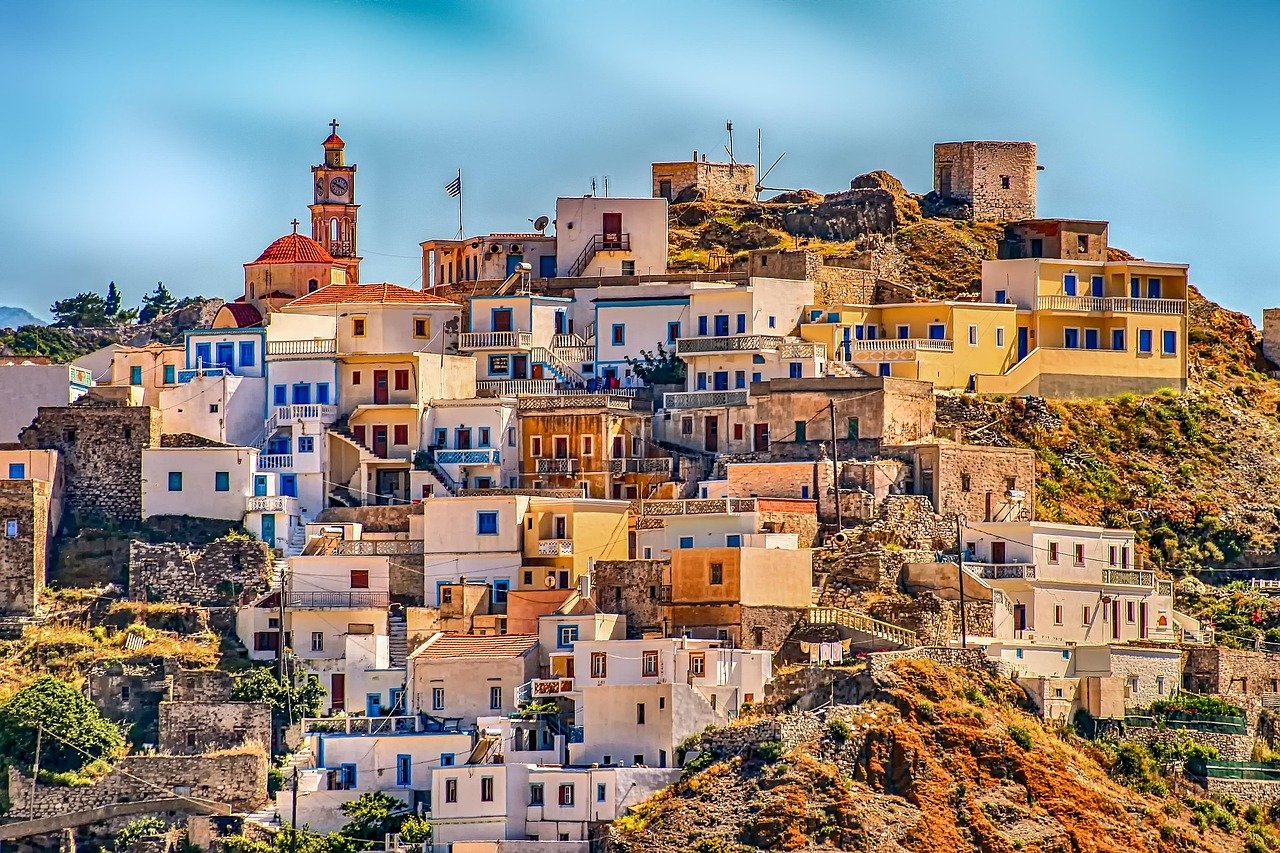
Wind up the steep cobblestone lanes of Santa Teresa and the frenetic energy of central Rio de Janeiro falls away as suddenly as if someone has turned down the volume. This hillside neighbourhood, perched on a ridge above the city centre and Lapa, moves at a different pace — the pace of artists, architects, musicians and bohemians who have chosen to live among the colonial villas, bougainvillea-draped walls and spectacular bay views that make Santa Teresa unlike any other neighbourhood in Brazil. The bonde tram that once connected the hill to the city became a symbol of the whole bairro — slow, slightly unreliable, irreplaceable.
History of Santa Teresa

Santa Teresa takes its name from a Carmelite convent founded in 1750 on the hilltop, around which the neighbourhood gradually developed. In the 19th century it became one of Rio’s most desirable residential addresses — wealthy families built elegant townhouses and villas along its ridges to escape the heat and disease of the city below, connected to the centre by the famous bonde electric tram that began operating in 1877. The neighbourhood’s cultural character solidified in the early 20th century as artists and intellectuals moved in, attracted by the combination of affordable rents, spectacular views and creative community.
The 1960s and 1970s brought neglect and some urban decay as wealthier residents moved south to Ipanema and Leblon, but this relative abandonment preserved Santa Teresa’s historic fabric in ways that more prosperous areas lost to redevelopment. Since the late 1990s, a sustained process of gentrification and cultural revival has brought galleries, restaurants and boutique hotels to the neighbourhood while mostly preserving the colonial architecture and winding lanes that make it special. The Circuito Cultural Santa Teresa, an annual open-studios event, brings thousands of visitors to experience the neighbourhood’s extraordinary concentration of working artists.
What to See
The neighbourhood rewards aimless wandering more than any checklist of sights. The Escadaria Selaron — technically just inside the Lapa neighbourhood at the foot of Santa Teresa — is one of Rio’s most photographed spots: an extraordinary staircase of 215 steps tiled with more than 2,000 hand-painted tiles collected from 60 countries by the Chilean-born artist Jorge Selaron, who worked on his obsessive project from 1990 until his death in 2013. It is best visited in the early morning before the tourist groups arrive.
Within Santa Teresa proper, the Chacara do Ceu Museum houses an outstanding collection of Brazilian modern art — works by Emiliano di Cavalcanti, Di Cavalcanti, Djanira and Candido Portinari — in a 1950s villa with extraordinary views over Guanabara Bay. The Largo das Neves, a small tree-shaded square, is the social heart of the neighbourhood, surrounded by bars and restaurants where locals gather in the evenings. The Parque das Ruinas, built around the ruins of a Belle Epoque mansion, offers panoramic views and hosts open-air concerts on weekend evenings.
Art and Bohemian Culture

Santa Teresa has more working artists per square kilometre than almost anywhere in Brazil. Studios, galleries and ateliers are tucked into converted houses along almost every street, with many open to visitors by appointment or during the annual Circuito Artistico. The neighbourhood’s bars and restaurants host live music most nights of the week — samba, choro, bossa nova and Brazilian jazz in intimate settings that feel a world away from the tourist-facing shows of the Zona Sul beaches.
The Bar do Gomez, open since 1919, is the neighbourhood’s most venerable institution — a corner bar where artists, architects and local characters have been arguing about politics and culture over cold beer for over a century. The newer wave of Santa Teresa restaurants is outstanding: chefs attracted by the neighbourhood’s creative atmosphere have established some of Rio’s most interesting dining rooms in renovated colonial buildings, offering contemporary Brazilian cuisine with spectacular views.
Practical Information
- Tickets: Chacara do Ceu Museum ~BRL 6 (free on Wednesdays); Parque das Ruinas free; Escadaria Selaron free
- Opening hours: Neighbourhood accessible at all times; Chacara do Ceu Wed-Mon 12:00-5:00 PM
- Best time to visit: Wednesday to Sunday afternoons for open galleries and restaurants; Saturday evening for live music
- Duration: Half day to full day for a thorough exploration
- Booking: No booking needed for wandering; restaurant reservations recommended on weekends
Local Insights
Cariocas (Rio residents) who know Santa Teresa recommend arriving on foot via the Escadaria Selaron, climbing through the neighbourhood for views, then descending to Lapa for evening samba — the classic Santa Teresa experience.
- Visit the Escadaria Selaron before 9:00 AM for photography without crowds
- The neighbourhood is hilly and the streets are cobblestone — wear comfortable shoes
- Take an Uber or taxi up from Lapa and walk down through the neighbourhood at your own pace
- Bar do Gomez on Largo das Guimaraes is the place for cold chopp (draft beer) and genuine local atmosphere
- The Circuito Artistico Santa Teresa open studios event runs one weekend a year — check dates online and plan around it if possible
Getting There
- By Uber or taxi: Most practical option from the beach neighbourhoods; 20-30 minutes from Ipanema
- On foot via Lapa: Climb the Escadaria Selaron from Rua Joaquim Silva in Lapa; steep but manageable
- Bus: Lines 214 and 206 connect Santa Teresa to the city centre; less practical with luggage
- Bonde tram: The historic tram line was suspended after a 2011 accident; limited service may have been restored by the time you visit — check locally
Frequently asked questions
Is Santa Teresa safe for tourists?
Santa Teresa has improved significantly in safety over the past decade, but it borders areas that require caution. Stick to the main tourist streets during the day, avoid isolated alleys after dark, and take taxis or Uber rather than walking at night. As always in Rio, keep valuables out of sight.
What is the Escadaria Selaron?
The Escadaria Selaron (Selaron Steps) is a famous tiled staircase at the foot of Santa Teresa, decorated by the artist Jorge Selaron with thousands of colourful tiles from around the world. It is one of Rio’s most photographed landmarks and is free to visit at any time.
Can I visit artists’ studios in Santa Teresa?
Many studios are open to visitors during the annual Circuito Cultural Santa Teresa weekend. Year-round, some studios on the main streets have open hours; look for signs or ask at the neighbourhood cultural centre.
Are there good restaurants in Santa Teresa?
Yes, Santa Teresa has some of Rio’s most interesting restaurants, ranging from traditional Brazilian cooking at Bar do Gomez to contemporary dining rooms with Guanabara Bay views. The neighbourhood is a genuine culinary destination.
How do I get to Lapa from Santa Teresa?
Walk down the Escadaria Selaron and you arrive directly in Lapa. It takes about 15 minutes on foot from the top of the neighbourhood. Uber is also readily available.