
Rio de Janeiro Botanical Garden (Jardim Botanico)
There are green spaces, and then there is the Rio de Janeiro Botanical Garden — 137 hectares of extraordinary living plant science pressed between the granite peaks of Tijuca and the glamour of the Zona Sul. Step through the entrance and the city dissolves. Fifteen-meter imperial palms form a cathedral nave that Napoleon Bonaparte’s brother once walked; a Burle Marx garden pulses with sculptural bromeliads; a Victorian-era greenhouse breathes warm, orchid-scented air. Founded in 1808 when the Portuguese royal family fled Lisbon for Brazil, the Jardim Botânico do Rio de Janeiro is simultaneously one of the world’s great botanical research institutions and one of the most beautiful urban parks on the planet. The garden sits at the edge of the Tijuca Forest in the Lagoa neighborhood, with Corcovado Mountain — topped by Christ the Redeemer — visible from the main avenue on clear days, a reminder that you are in a city of exceptional natural drama even as you lose yourself among the palms and flowering bromeliads.
History of the Rio de Janeiro Botanical Garden
The garden’s origin story is royal and pragmatic. When King João VI of Portugal arrived in Rio de Janeiro in 1808 fleeing Napoleon’s invasion of Lisbon, he ordered the creation of a royal acclimatization garden on land that had previously housed a gunpowder factory. The original purpose was entirely economic: to cultivate spices — cinnamon, pepper, cloves — that Portugal had lost access to when Napoleon cut off trade with Asia. The first cloves and tea plants introduced to Brazil arrived here. Nutmeg from the East Indies was propagated in these grounds. Within a generation, the garden had expanded beyond commerce into serious botanical science.
The imperial palms that now define the garden’s iconic central avenue were planted in 1809 from a single seed brought from the Caribbean island of Martinique. They grow to over 35 meters and have stood for over two centuries, their ring-marked trunks recording the garden’s age like the lines of a tree. After Brazil declared independence in 1822, the garden transitioned from royal property to a national research institution. Today the Instituto de Pesquisas Jardim Botânico do Rio de Janeiro is a federal body managing collections that include over 6,500 plant species from Brazil and 60 other countries. Roughly 1 million visitors walk these paths each year, making it one of Rio’s most beloved attractions — and, unlike Copacabana or Sugarloaf, one that many international visitors overlook entirely.
What to See at the Rio de Janeiro Botanical Garden
The Imperial Palm Avenue
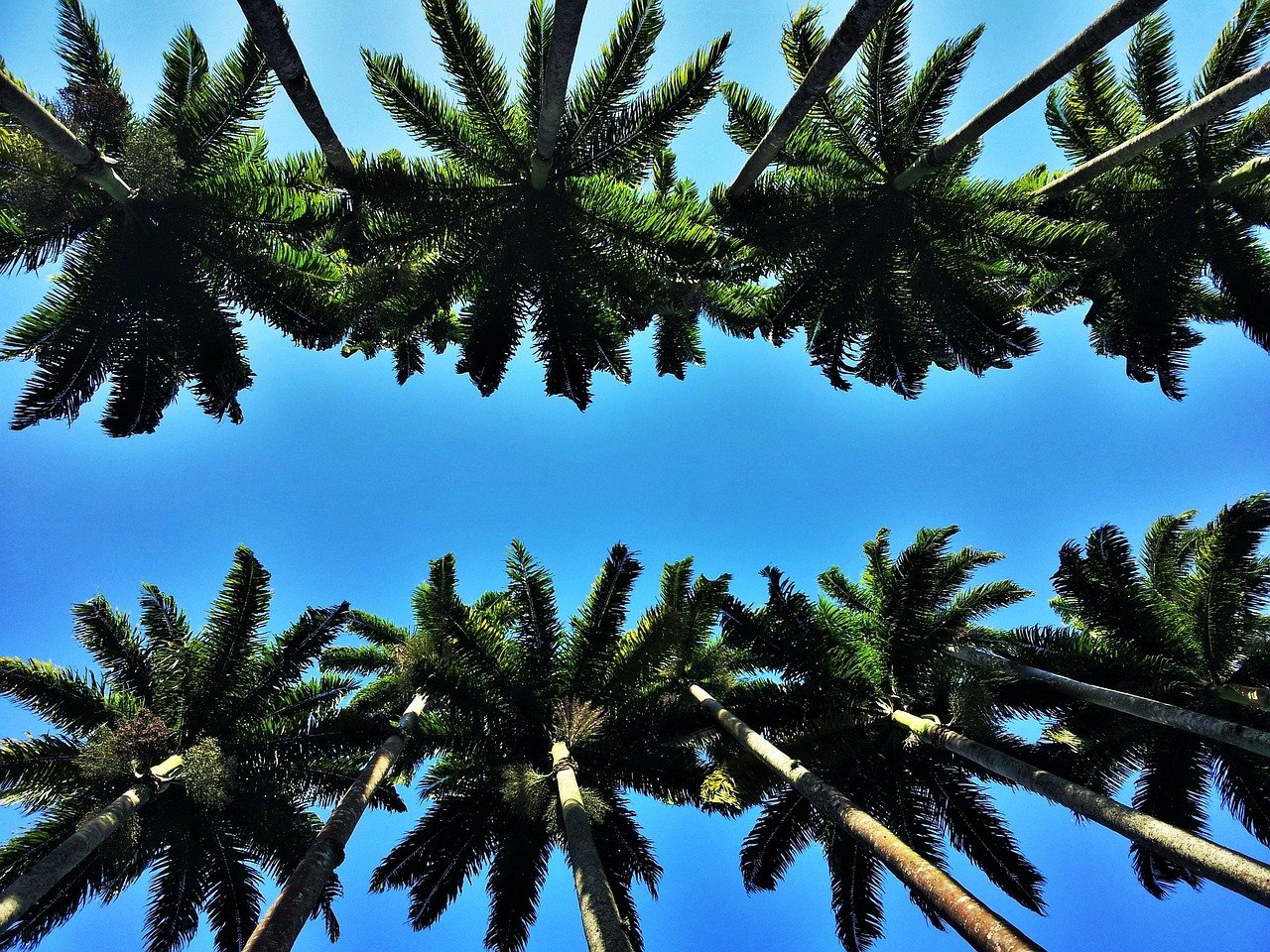
The Aleida das Palmeiras — Palm Avenue — is one of the most photographed botanical sights in South America and justifiably so. Flanked by two perfectly symmetrical rows of royal palms (Roystonea oleracea) stretching over 100 meters toward the garden’s main lake, it is impossibly grand in person, the kind of vista that makes you want to walk it slowly and then walk it again. These trees, planted from that single Martinique seed in 1809, have spent 215 years reaching for the Rio sky. They are classified as a natural monument of Brazil. Arrive early morning when the light falls at a low angle through the avenue — before 9am is ideal for photographers — and you will have the alley largely to yourself. A tegu lizard or a capybara moving through the undergrowth is a common sight here, adding an entirely unexpected wildlife encounter to the experience.
The Orchid and Bromeliad Greenhouses
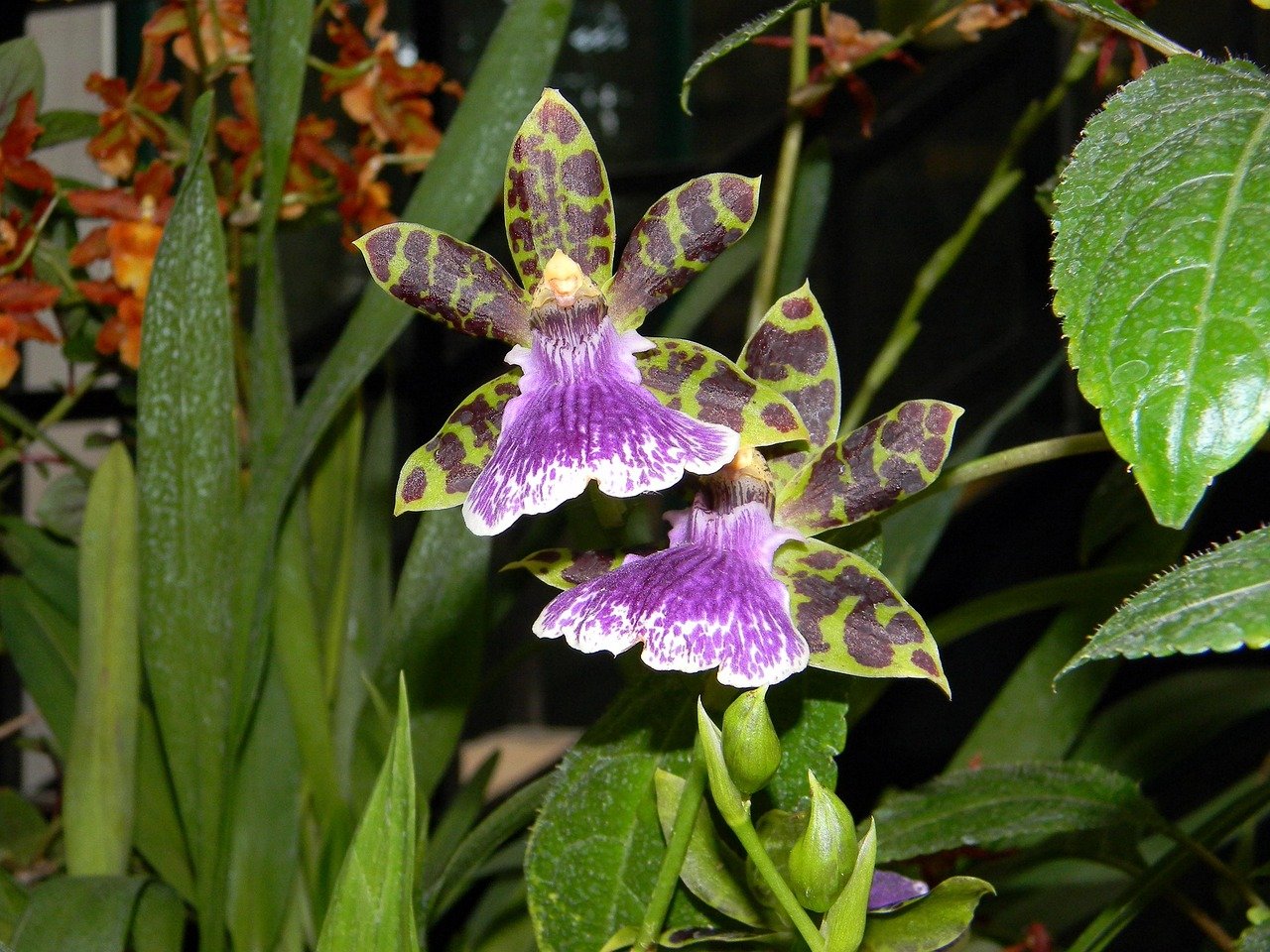
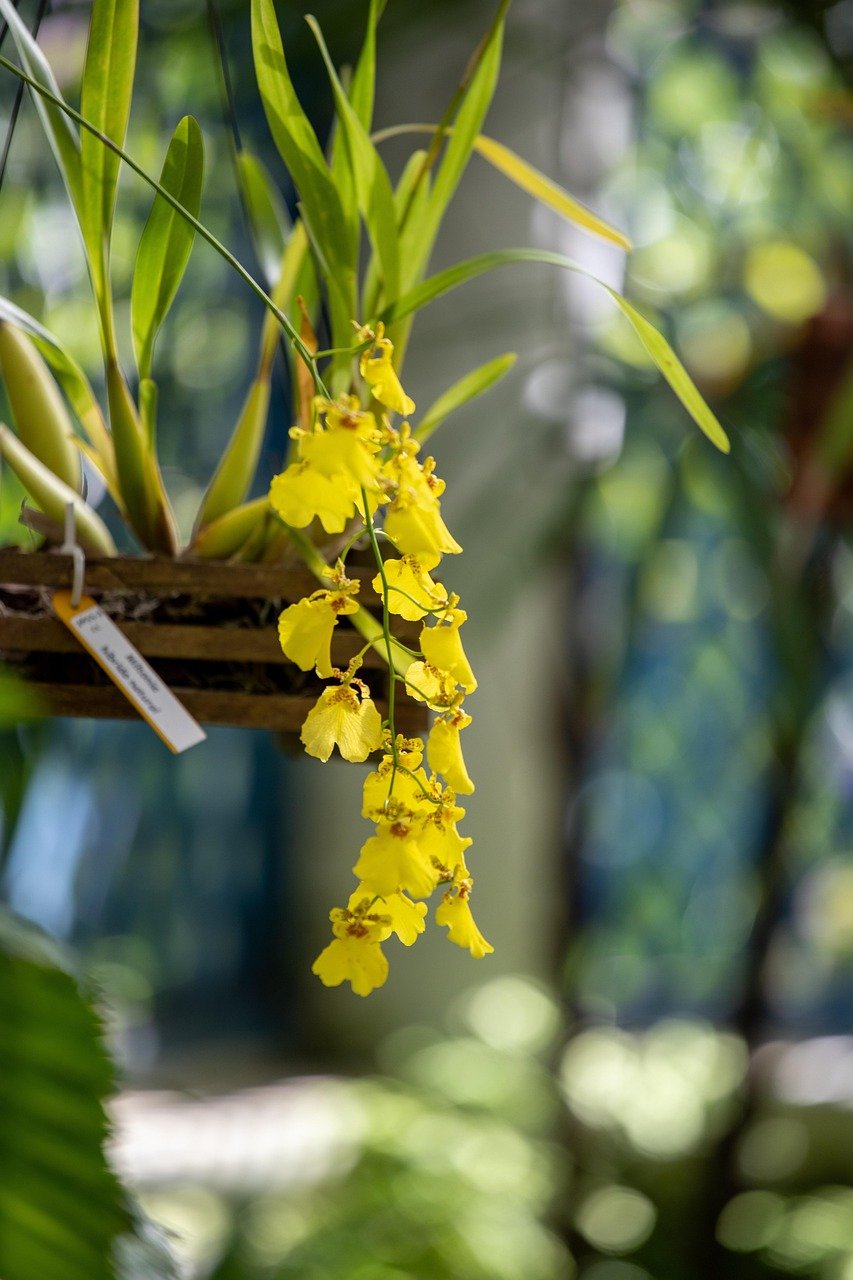
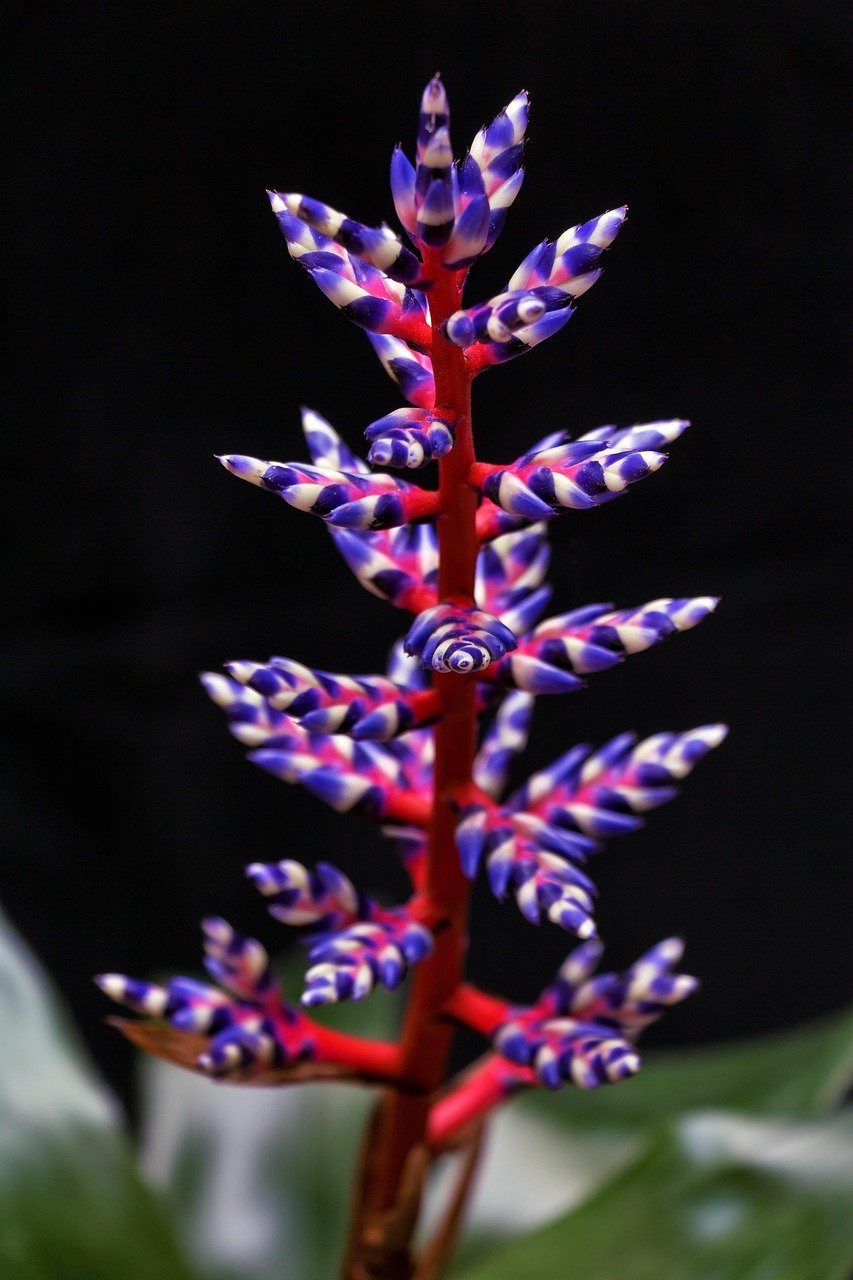
The garden’s greenhouse collection is exceptional. The Orquidário (Orchid House) maintains one of Brazil’s finest collections of native orchid species — over 2,000 varieties organized in a humid, perfumed environment that feels like stepping into a living jewel box. Many of the specimens are endangered in the wild; the garden’s propagation work is genuine conservation. The Bromeliad House next door houses spectacular examples of Vriesea, Aechmea, and Tillandsia — the architectural plant family that is to the Atlantic Forest what coral is to a tropical reef. Photography inside the greenhouses is unrestricted. Visit both houses before noon, when the light through the glass roofs is warmest and the flowers are most open. The greenhouses are included in the standard admission ticket.
The Japanese Garden and Sensory Trail
The Jardim Japonês — a formal Japanese garden donated to Brazil by the Japanese community — offers a deliberately tranquil counterpoint to the tropical abundance surrounding it. Carefully raked gravel, koi-filled ponds, and pruned azaleas create a meditative space that feels extraordinary set against the backdrop of Rio’s mountains. Nearby, the Jardim Sensorial (Sensory Garden) was designed specifically for visitors with visual impairment: every plant can be touched and smelled, with Braille descriptions on all labels. It is one of the most thoughtful accessibility features in any South American garden. The Museu do Meio Ambiente (Museum of the Environment), housed in a restored 19th-century building near the main entrance, provides context for the garden’s scientific mission and Brazil’s extraordinary biodiversity — free with garden admission.
Beyond these principal attractions, the garden conceals quieter corners that reward wandering. The Jardim dos Frades — Garden of the Friars — surrounds the ruins of a colonial-era chapel and sugar refinery, the property’s oldest surviving structures, where centuries-old stone walls are colonized by epiphytes and ferns. The Aquatic Plants section displays giant Amazonian Victoria water lilies whose circular pads can exceed two meters in diameter and support the weight of a child. The rose garden and the medicinal plant collection round out a diversity that ensures no two visits to the Jardim Botânico are identical. The garden also hosts a regular program of outdoor concerts, plant fairs, and temporary exhibitions — check the official schedule at jbrj.gov.br before your visit, as an evening concert in the garden under Rio’s night sky is one of the city’s most romantic experiences.
Local Insights
Maximize your visit with these tips from people who know the Jardim Botânico well.
- Wednesday opening is 11am — plan accordingly. The garden’s unusual Wednesday schedule (opening three hours later than other days) catches many visitors off guard. If you arrive on a Wednesday morning expecting to enter at 8am, you will wait. On all other days the gates open at 8am and close at 5pm. Visit Thursday through Sunday for the longest opening window.
- Rent an electric car for a quick overview before walking. The garden is large — 137 hectares — and electric carts are available for rent near the entrance for R$50–80 (~USD $10–16) for a 30-minute tour. Doing this first gives you orientation before you walk back to the sections that interest you most. Without this, it is easy to spend two hours in one corner and miss the greenhouses entirely.
- Wildlife is abundant — go slowly and look up. Sloths hang in the higher canopy near the Jardim dos Frades section. Capybaras graze near the lake. Toucans visit in the early morning. Tegu lizards sun themselves on path edges. If you rush through looking only at plants, you miss a remarkable urban wildlife experience. The best wildlife sightings are 8–10am before the gardens fill with visitors.
- Brazilian residents pay half the foreign visitor price — bring ID. Foreign visitors pay R$80 (~USD $16), while visitors resident in Brazil (with CPF documentation) pay R$40. The box office accepts cash only for walk-in visitors; Brazilian residents with CPF can buy online via Pix or credit card at jbrj.eleventickets.com and often save time at the entrance queue.
- Combine with Tijuca National Park for a full green day. The Botanical Garden and the entrance to Tijuca National Park’s Serra da Carioca sector (which includes Corcovado Mountain) are in the same neighborhood, linked easily by Uber or 99. Do the Botanical Garden in the morning when crowds are smallest, then head to Tijuca for an afternoon hike or the Corcovado train. The two sites together make an exceptional full day in Rio’s green heart.
Planning Your Visit
- Tickets: Foreign visitors: R$80 (~USD $16). Brazilian residents with CPF: R$40 (~USD $8). Children under 5: free. Discounts available for students, seniors 60+, people under 21, and people with disabilities. Box office accepts cash only; online purchase available for Brazilian residents via jbrj.eleventickets.com.
- Opening hours: Monday, Tuesday, Thursday, Friday, Saturday, Sunday: 8am–5pm. Wednesday: 11am–5pm. Closed December 25 and January 1. Christmas Eve and New Year’s Eve: 8am–2pm.
- Best time: April–June for mild weather and low rainfall. Morning visits (8–10am) offer wildlife sightings, comfortable temperatures, and smaller crowds. Avoid Brazilian public holidays when the garden fills with local families.
- Duration: Allow 2–3 hours minimum for a comfortable visit covering the main avenue, greenhouses, and lake areas. Half a day if you want to explore all sections and the museum.
- Booking: Walk-in for foreign visitors (cash at box office). Brazilian residents can book online. No advance booking strictly necessary, but worth arriving early on weekends and holidays.
Getting There
- Bus: Lines 170, 571, 572, and 584 run from Ipanema, Leblon, and Flamengo to the Jardim Botânico neighborhood. The stop “Jardim Botânico / Pacheco Leão” is one block from the entrance. Bus fare is approximately R$4.30 (~USD $0.85). Journey from Ipanema takes about 15 minutes.
- By car: Address is Rua Jardim Botânico 1008. Paid parking is available on Rua Pacheco Leão and surrounding streets. On weekends, arrive before 9am to secure street parking; after 10am it becomes very difficult. Parking garages nearby charge approximately R$20–35 for 3 hours.
- On foot: From Ipanema (Praça General Osório), the garden is a 25–30 minute walk along Rua Jardim Botânico, passing through the pleasant residential neighborhood of the same name. A flat, easily walkable route.
- Taxi/ride-share: Uber and 99 both service the area reliably. From Ipanema, expect R$12–18 (~USD $2.50–3.50) and 5–10 minutes. From Copacabana, R$18–25 (~USD $3.50–5). Drop-off directly at the main entrance on Rua Jardim Botânico 1008.
Frequently asked questions
How long does it take to see the whole Botanical Garden?
A thorough visit covering the Imperial Palm Avenue, both greenhouse collections (orchids and bromeliads), the Japanese Garden, the lake area, and the Museum of the Environment takes 2.5–3.5 hours for most visitors walking at a comfortable pace. If you also want to rent an electric cart, linger for wildlife sightings, and explore the more remote sections like the Jardim dos Frades, plan for a half-day (4–5 hours). The garden is genuinely large — 137 hectares — and many visitors underestimate how much time it merits. Rushing through in 90 minutes misses most of what makes it remarkable.
Are there restaurants or cafes inside the garden?
Yes — the garden has two food options inside. The Café do Jardim, located near the main entrance, serves light meals, pastries, and excellent Brazilian coffee in a pleasant open-air setting surrounded by plants. There is also a juice kiosk near the lake area serving fresh tropical fruit juices. Prices are reasonable for a tourist site (R$15–35 for a snack, R$30–60 for a light meal). You can bring your own food and picnic in designated areas, though food is not permitted inside the greenhouses. The neighborhood surrounding the garden also has excellent restaurants on Rua Jardim Botânico and Rua Pacheco Leão.
Is the Botanical Garden good for children?
The Jardim Botânico is an excellent family destination. Children delight in the wildlife encounters — capybaras are large, docile, and surprisingly approachable near the lake; tegu lizards and colorful birds appear constantly. The garden’s size and open spaces allow children to move freely. The Sensory Garden engages curious young minds with touchable plants and strong scents. Children under 5 enter free; discounted rates apply for those aged 6–21. The main avenue is flat and stroller-friendly. Bring insect repellent (especially in summer months, November–March) and water; the garden can feel humid even on mild days.
How far is the Botanical Garden from Christ the Redeemer?
The Botanical Garden and Christ the Redeemer (accessed via Corcovado Mountain, which is inside Tijuca National Park’s Serra da Carioca sector) are approximately 4km apart — roughly a 10-minute Uber or 99 ride. This proximity makes combining both on the same day very practical. A suggested itinerary: Botanical Garden from opening at 8am until noon, lunch in the Jardim Botânico neighborhood, then Corcovado/Christ the Redeemer in the afternoon. Note that the Corcovado train (Trem do Corcovado) and the van service require separate tickets purchased in advance, especially in high season.