
Teufelsberg 💎 Hidden Gem
Teufelsberg — Devil’s Mountain — is Berlin at its most unexpected. You climb through birch and oak forest to the top of a hill that doesn’t appear on any geological map, because it isn’t geological: it’s a man-made mound of WWII rubble, 80 million cubic metres of bombed-out Berlin compressed and grassed over. At the top, Cold War surveillance domes deteriorate in beautiful photogenic ruin, their white fibreglass shells punctured, their interiors open to the sky and covered in layer upon layer of street art. It is simultaneously one of the strangest, most atmospheric, and most quietly profound places in the city.
History of Teufelsberg
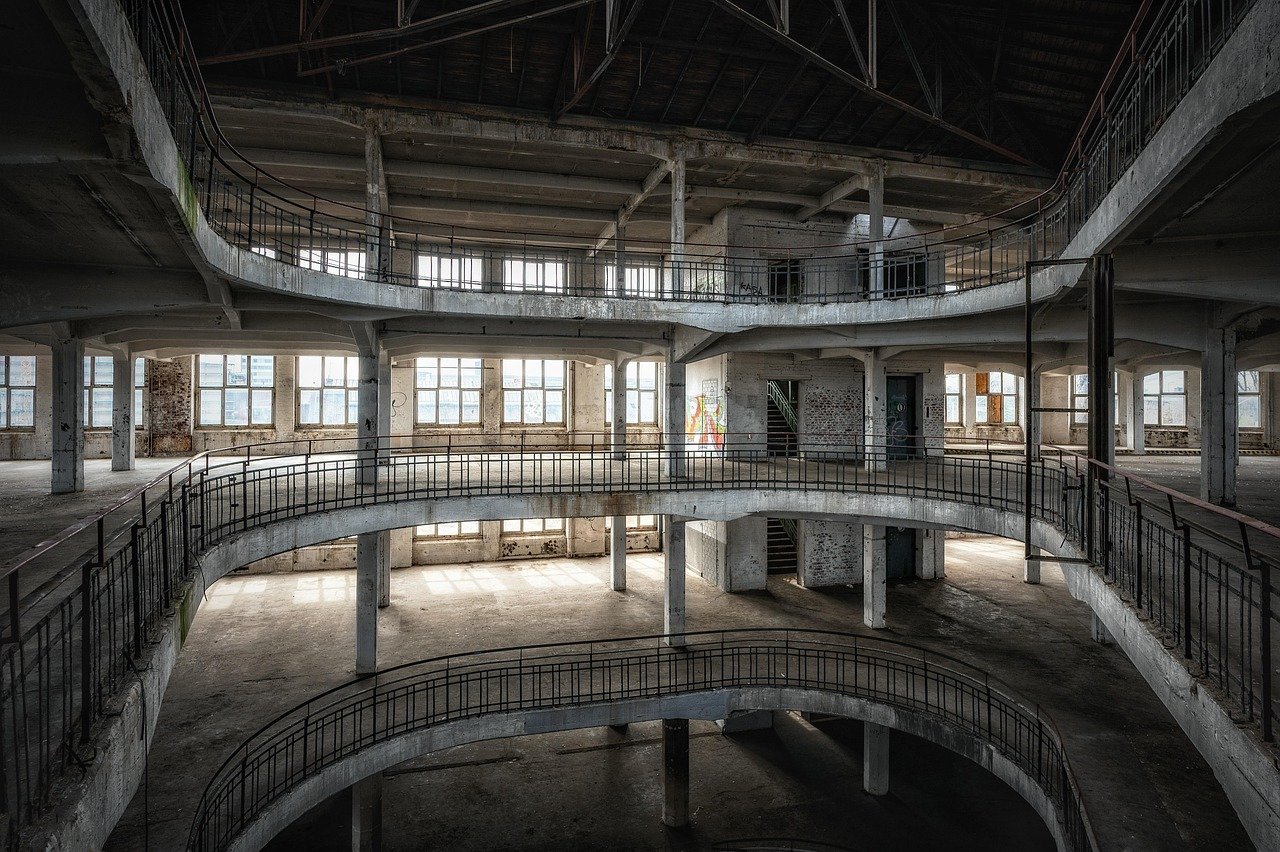
The hill’s origins are themselves remarkable. After World War II, the Allied powers faced the overwhelming task of clearing Berlin’s rubble — an estimated 75 million cubic metres of bombed and demolished buildings. Rather than removing it from the city, they dumped it on the outskirts of the Grunewald forest in the western districts, creating an artificial hill that reached 120 metres above sea level by the 1970s. The rubble included the foundations of a partially built Nazi technical university, entombing its unfinished buildings under the weight of the city’s destruction.
During the Cold War, the United States Army and the NSA identified Teufelsberg’s height advantage — looking east over the flat Berlin landscape directly toward East Germany — as ideal for electronic eavesdropping. The Field Station Berlin was constructed from the late 1950s, with its characteristic white radomes (radar domes) housing sophisticated listening equipment that monitored Soviet and East German military communications throughout the Cold War. The station was decommissioned after the fall of the Wall in 1990, and the structures were subsequently abandoned — subject to various failed development proposals — and gradually reclaimed by artists and urban explorers.
What to See
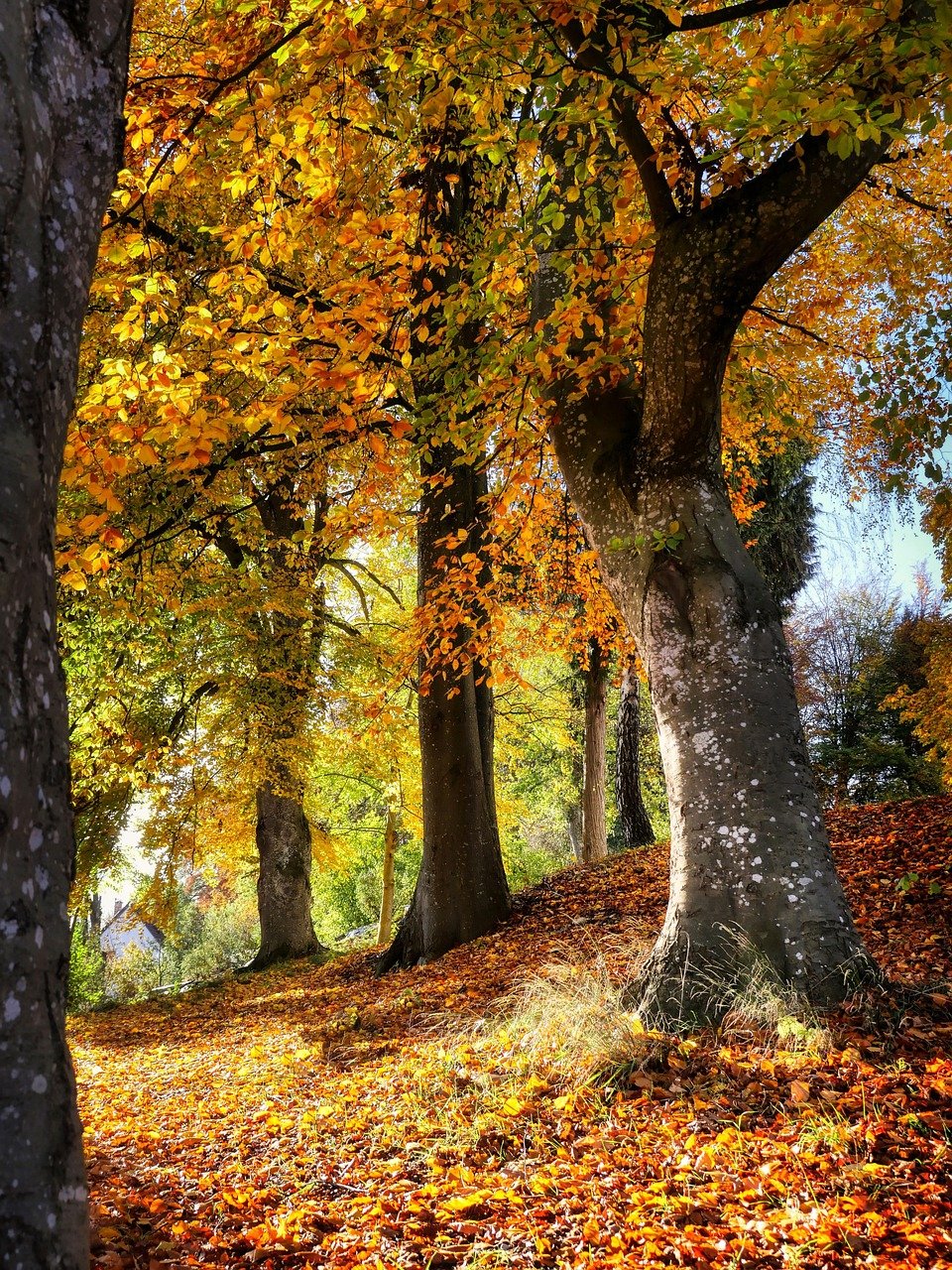
The main radome structures — five fibreglass domes of different sizes — are the visual centrepiece, their white skins now weathered, patched, and covered inside and out with graffiti and street art of exceptional quality. The largest dome, entered through broken access panels, is particularly extraordinary: standing inside its deteriorating shell, looking up through holes in the fibreglass at the sky, surrounded by painted murals and the acoustic peculiarity of a large curved enclosed space, is an experience that is genuinely unlike anything else in Berlin or, arguably, anywhere.
The surrounding forest walk from the Grunewald car parks (or from the S-Bahn station) is pleasant in its own right — mixed woodland, good bird watching, and the gradual revelation of the domes as you clear the treeline near the summit. The views from the top span the entire Berlin skyline, including the TV tower at Alexanderplatz to the east, the Grunewald forest to the west, and on clear days the first foothills of the Fläming region beyond the city limits.
The Art and Urban Exploration
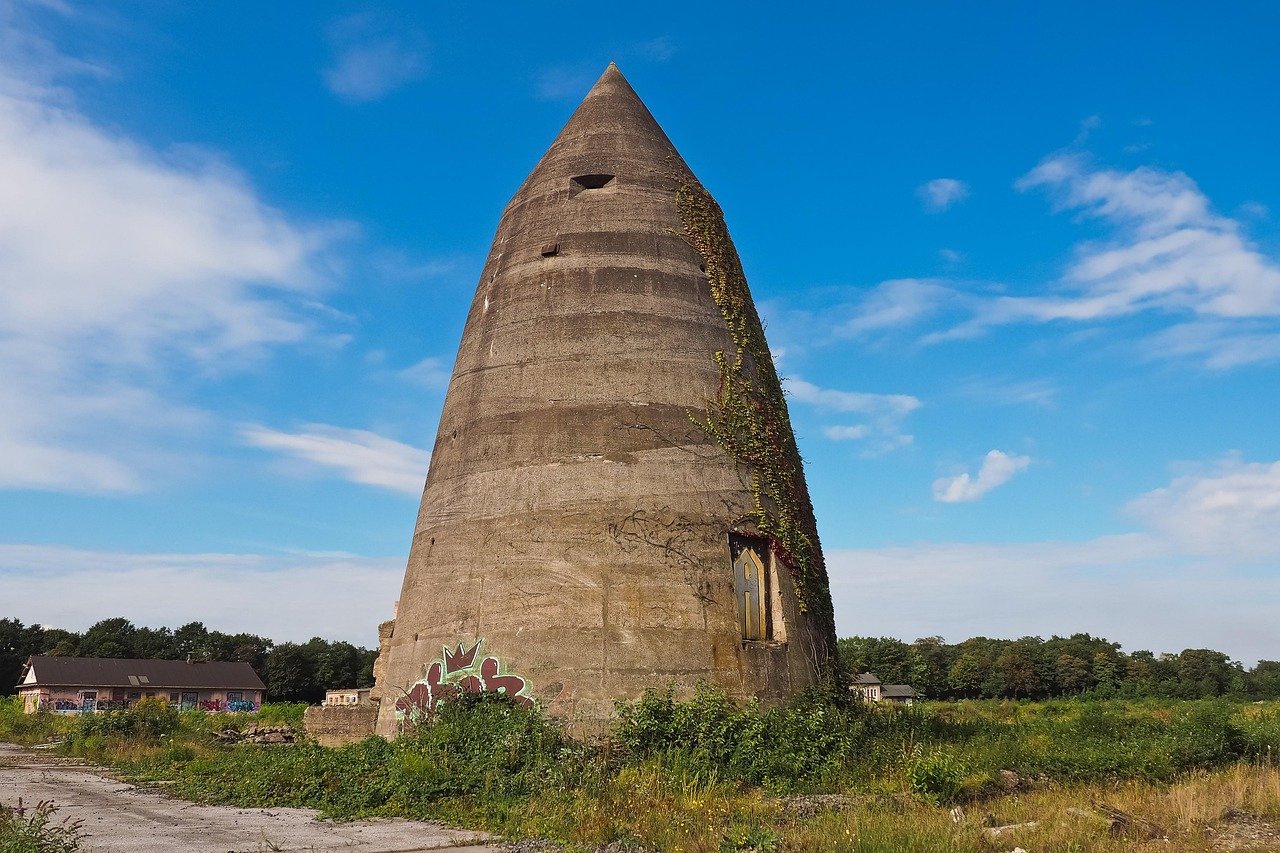
The street art that has accumulated inside the domes and across the exterior of the station buildings is among the most ambitious in Berlin — not tags and simple throw-ups but large-scale murals, sculptural interventions, and conceptual pieces that engage with the site’s Cold War history, its status as a ruin, and its layered meanings. Artists from across Europe and further have worked here over the past three decades, creating a document of post-Wall Berlin creativity that has no equivalent elsewhere in the city.
The site is managed by a team that organises guided tours and open days, providing the most complete access to the interior structures while managing the safety issues that come with a genuinely deteriorating Cold War facility. The guided tours also provide historical context about both the WWII rubble origins and the NSA surveillance operations — information that significantly enriches the physical experience of the space.
Practical Information
- Tickets: Entry fee applies for managed access (approx. €8–15 per person on open days); check teufelsberg-berlin.de for current schedule
- Opening hours: Open for guided tours and events on selected days — not open every day. Check current schedule online.
- Best time to visit: Spring and autumn for forest colour and moderate crowds; clear days for the best panoramic views
- Duration: 1.5–3 hrs including forest walk and site exploration
- Booking: Check website for tour booking; some open days allow walk-in entry
Local Insights
What locals know that guidebooks don’t always tell you:
- Check the Teufelsberg website before visiting — the site is not open every day and entry without a guided tour is technically trespassing. Managed tours provide significantly better access than finding your own way in.
- The forest walk from the S-Bahn Grunewald station (approx. 30 min uphill through woodland) is pleasant and free regardless of whether you pay for site access — the views from the hill’s outer perimeter are good even without entering the structures.
- Bring layers — the hilltop is exposed and the wind can be significant even in summer. The dome interiors are cold year-round.
- The acoustic properties inside the large dome are extraordinary — voices echo in unusual ways, and musicians occasionally perform here. Ask guides about acoustic demonstrations.
- The Grunewald forest surrounding Teufelsberg is excellent for cycling — a network of trails connects the hill to the Wannsee lake, Pfaueninsel (Peacock Island), and other western Berlin nature sites.
Getting There
- S-Bahn: S7 → Grunewald station (30 min walk through forest to summit)
- Car: Parking at Teufelsberg via Teufelsseechaussee; approx. 30 min from central Berlin
- Cycling: Well-connected to the Grunewald cycle path network from western Berlin districts
- Bus: Bus 186 to Teufelsseechaussee stop (shorter walk to entrance)
Frequently asked questions
Is Teufelsberg safe to visit?
During managed open days and guided tours, yes. The structures are monitored for safety and guides brief visitors on hazards. Unofficial access outside managed hours carries real physical risks from unstable floors and structures.
What is inside the large dome?
The interior is a large curved space, originally housing sophisticated electronic listening equipment. The equipment is long gone; what remains is the fibreglass structure, layers of street art, and the remarkable acoustic and visual effect of a dome open to the sky through various apertures in its deteriorating shell.
Can I see the whole of Berlin from the top?
On clear days, yes. The 120-metre elevation provides views across the flat Berlin landscape in all directions. The TV Tower at Alexanderplatz is visible to the east, and on the clearest days the skyline extends far beyond the city boundaries.
Is Teufelsberg suitable for children?
Older children (10+) with an interest in history and urban exploration find it fascinating. The forest walk and hilltop views are appropriate for younger children. The interior structures are unsuitable for young children even on managed tours due to uneven surfaces and access challenges.
What is the literal translation of Teufelsberg?
Devil’s Mountain — derived from the Teufelssee (Devil’s Lake) nearby in the Grunewald forest, not from anything sinister about the hill itself. The name predates the Cold War installations by decades.