
El Born
El Born is where Barcelona goes when it wants to be itself. Not the tourist Barcelona of La Rambla and Sagrada Familia, but the Barcelona of vermouth at noon in a bar unchanged since the 1950s, of conversation spilling out of restaurants onto cobblestones at midnight, of the world’s best Picasso collection displayed in a sequence of medieval merchant palaces. The neighbourhood is compact, car-free in its heart, and inexhaustible in its pleasures. You could spend a week here and not exhaust its combination of history, art, food, and street life.
History of El Born
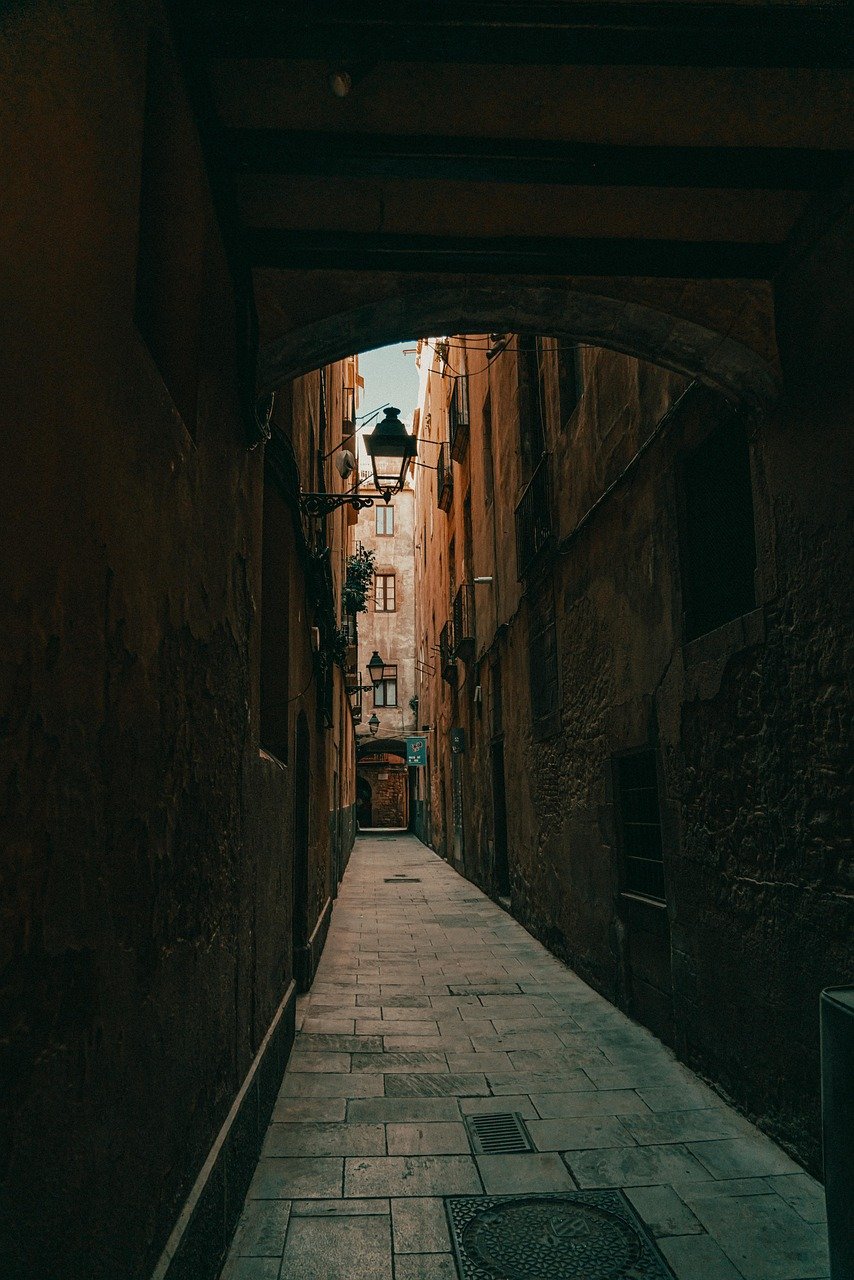
El Born takes its name from the medieval Catalan for jousting field — the Passeig del Born at the neighbourhood’s heart was the site of tournaments in the 13th and 14th centuries, when Barcelona was the capital of a Mediterranean commercial empire. The wealthy merchants who made their fortunes in this trade built the magnificent Gothic palaces that line the Carrer de Montcada and surrounding streets, many of which survive intact to this day and now house the Picasso Museum and the Museu Barbier-Mueller of Pre-Columbian Art.
El Born’s defining moment came in 1714, when Barcelona was conquered by Bourbon forces following the War of the Spanish Succession. A large section of the neighbourhood was demolished to build a military citadel to control the rebellious city; the displaced residents were forcibly relocated elsewhere. When the citadel was finally demolished in the 19th century and converted into the Parc de la Ciutadella, archaeological excavations beneath the Born Cultural Centre in 2002 uncovered the remains of the demolished neighbourhood: streets, houses, and personal possessions frozen in time by the 1714 destruction. These ruins are now displayed in situ beneath the spectacular iron canopy of the Cultural Centre.
What to See
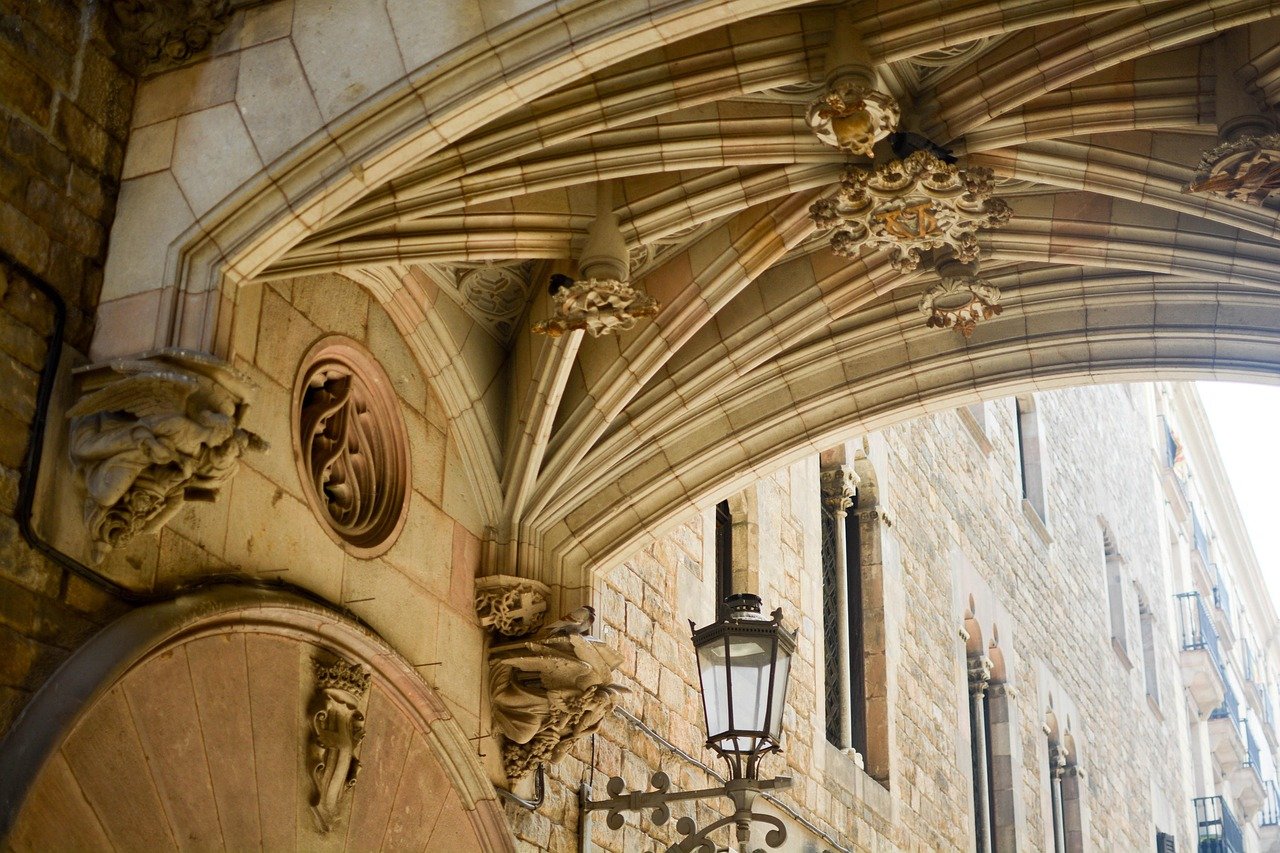
The Picasso Museum is El Born’s most visited attraction, housing 4,249 works across five connected medieval palaces on Carrer de Montcada. The collection is particularly strong in Picasso’s early work (his formative years in Barcelona are extensively documented) and his late Las Meninas series. The building itself is remarkable — the sequence of medieval merchant palaces with their Gothic courtyards creates an architectural experience that rivals the art. Advance booking is essential; queues without tickets are long and slow.
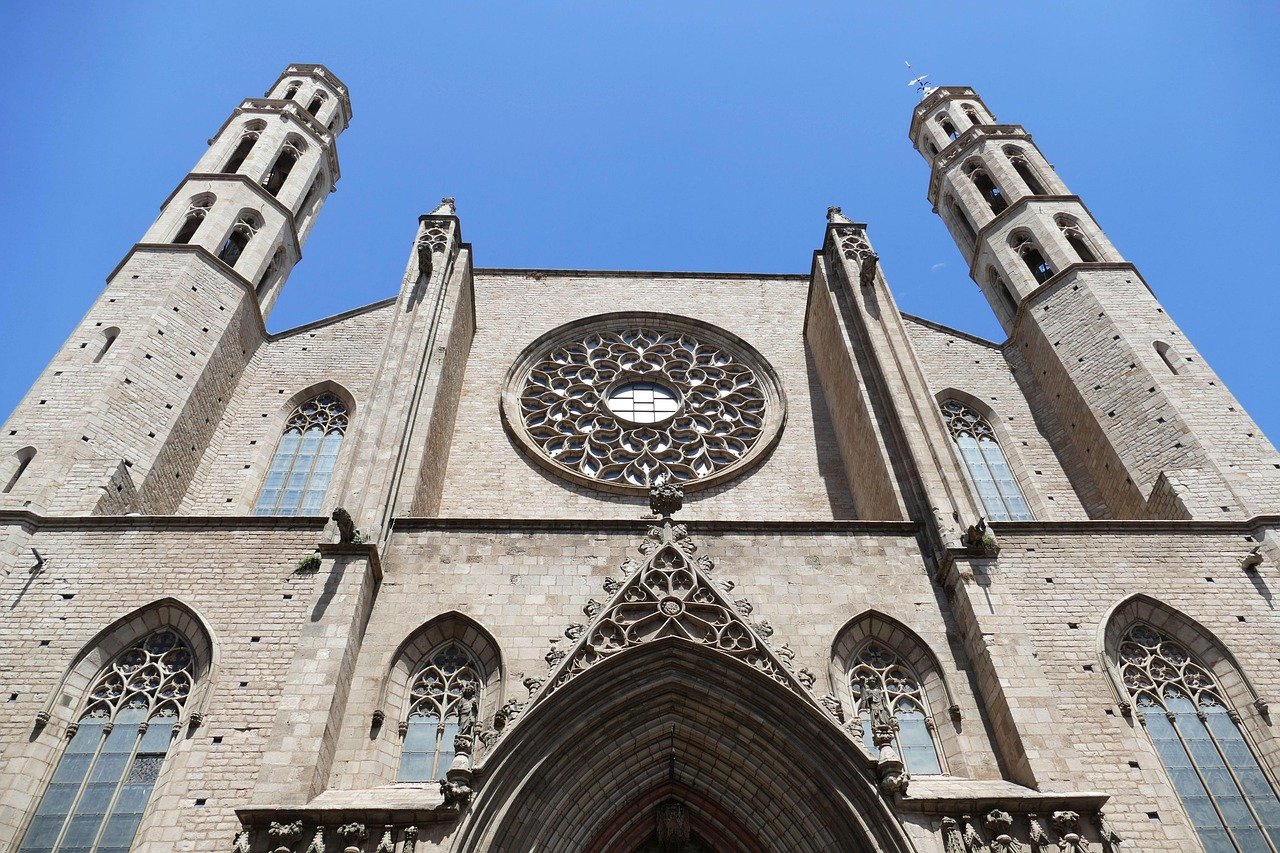
Santa Maria del Mar is arguably the most beautiful Gothic church in Barcelona, and its story makes it exceptional: unlike the cathedral, which was built by the clergy and the nobility, Santa Maria del Mar was constructed by the working people of the Ribera neighbourhood between 1329 and 1383. Every trade contributed labour — fishermen, merchants, and the Bastaixos (load-carriers who transported stone from Montjuic) who are commemorated in relief carvings at the main entrance. The result is a remarkably pure expression of Catalan Gothic architecture: wide aisles, minimal ornamentation, and extraordinary light through the rose windows.
Bars, Food, and Nightlife
El Born has the best concentration of bars and restaurants in Barcelona outside the luxury hotel circuit. The neighbourhood goes through a daily rhythm: morning coffee at the Mercat de Santa Caterina (El Born’s covered market with its spectacular undulating mosaic roof by Enric Miralles), afternoon vermouth at El Xampanyet or Bar del Pla, evening tapas at any of dozens of excellent restaurants on Carrer del Parlament and the surrounding streets, and late-night drinks at the Passeig del Born bars that stay open until 3am. This rhythm is a deliberate pleasure, and El Born rewards visitors who embrace it rather than trying to race through the sights.
The restaurant scene covers the range from traditional Catalan cooking at Espai Mescladis to innovative contemporary cuisine at Tantarantana and Bar del Pla. The neighbourhood has particular strength in wine bars with serious natural wine lists, craft cocktail bars, and the kind of neighbourhood restaurant where a set lunch (menu del dia) costs EUR 10-12 for three courses including wine. These last are the best deals in Barcelona and tend to fill with local workers rather than tourists.
Practical Information
- Entry: The neighbourhood is free to explore; Picasso Museum from EUR 12-14 (advance booking required); Santa Maria del Mar EUR 5-8 depending on time
- Picasso Museum hours: Tuesday-Sunday 10:00-19:00 (Thursday until 21:30); closed Monday
- Santa Maria del Mar hours: Monday-Saturday 9:00-20:30, Sunday 10:00-20:30
- Best time to visit: Thursday evening for the Picasso Museum’s late opening; midweek mornings for fewer tourists
- Duration: Half-day minimum; full day for Picasso Museum plus neighbourhood exploration
Local Insights
What locals know that guidebooks don’t always tell you:
- The Mercat de Santa Caterina (El Born’s market) is far less crowded than La Boqueria and has better prices and more local character; it’s the best market in Barcelona for buying produce.
- El Xampanyet on Carrer de Montcada is an institution for vermouth and cava; arrive when it opens at noon to guarantee a table – it fills up fast and stays that way.
- Thursday evenings at the Picasso Museum (free for EU citizens under 25 on Thursdays) have a completely different atmosphere from daytime visits – buy tickets online to avoid the queue.
- The Born Cultural Centre (El Born CCM) has free entry for the archaeological ruins beneath its iron canopy; the 1714 ruins are extraordinary and completely overlooked by most visitors.
- The quietest streets for walking are Carrer del Parlament, Carrer de Brosoli, and the lanes north of Santa Maria del Mar – the main Carrer de Montcada is always crowded.
Getting There
- Metro: Line 4 to Jaume I or Barcelona Arc de Triomf station; El Born is between these two stops
- On foot: 10-15 minutes from La Rambla through the Gothic Quarter; 20 minutes from Barceloneta beach
- Bus: Multiple routes on Via Laietana on the neighbourhood’s western border
- Bike: Bicing (Barcelona’s bike-share system) has stations throughout El Born; cycling is ideal for the wider neighbourhood
Frequently asked questions
How is El Born different from the Gothic Quarter?
The Gothic Quarter is more tourist-facing, with higher prices and a higher density of souvenir shops and tourist restaurants. El Born has more local residents, more neighbourhood character, better food at lower prices, and the Picasso Museum and Santa Maria del Mar as major cultural anchors. El Born is where locals direct visitors who want Barcelona as it actually lives.
Do I need to book Picasso Museum tickets in advance?
Absolutely – without advance tickets, the queue for the Picasso Museum is typically 45-90 minutes. Book online at the museum’s official website. The Thursday evening late opening is a particularly good time with slightly fewer people.
What is El Born’s best restaurant for a special dinner?
El Xampanyet for atmosphere and traditional Catalan tapas (lunch rather than dinner). Bar del Pla for modern Catalan cuisine at accessible prices. For a more formal experience, Espai Mescladis combines excellent food with a social enterprise mission.
Is El Born suitable for families with children?
Yes – the Parc de la Ciutadella, El Born’s green lung, is excellent for families with a lake, playgrounds, and open space. Santa Maria del Mar is child-friendly for short visits. The neighbourhood’s many squares are safe for children to play.
What is the best street in El Born for tapas bars?
Carrer del Parlament and the streets immediately around Santa Maria del Mar have the highest concentration of good tapas bars. The Passeig del Born itself has bars with outdoor seating that are lively from late afternoon into the night.