
Picasso Museum (Museu Picasso)
The Museu Picasso occupies five medieval palaces on the Carrer de Montcada, a narrow stone street in El Born that has barely changed its dimensions since the 13th century. You enter through a Renaissance courtyard into rooms whose vaulted ceilings are higher than the houses outside, and the art on the walls begins not with the Picasso the world knows — the fractured planes of Guernica, the angular masks of Cubism — but with a boy prodigy in 19th-century Málaga drawing academic studies with the technical precision of a master twice his age. The surprise of the Museu Picasso is that it makes you understand how Pablo Ruiz Picasso worked backwards to originality.
History of the Picasso Museum
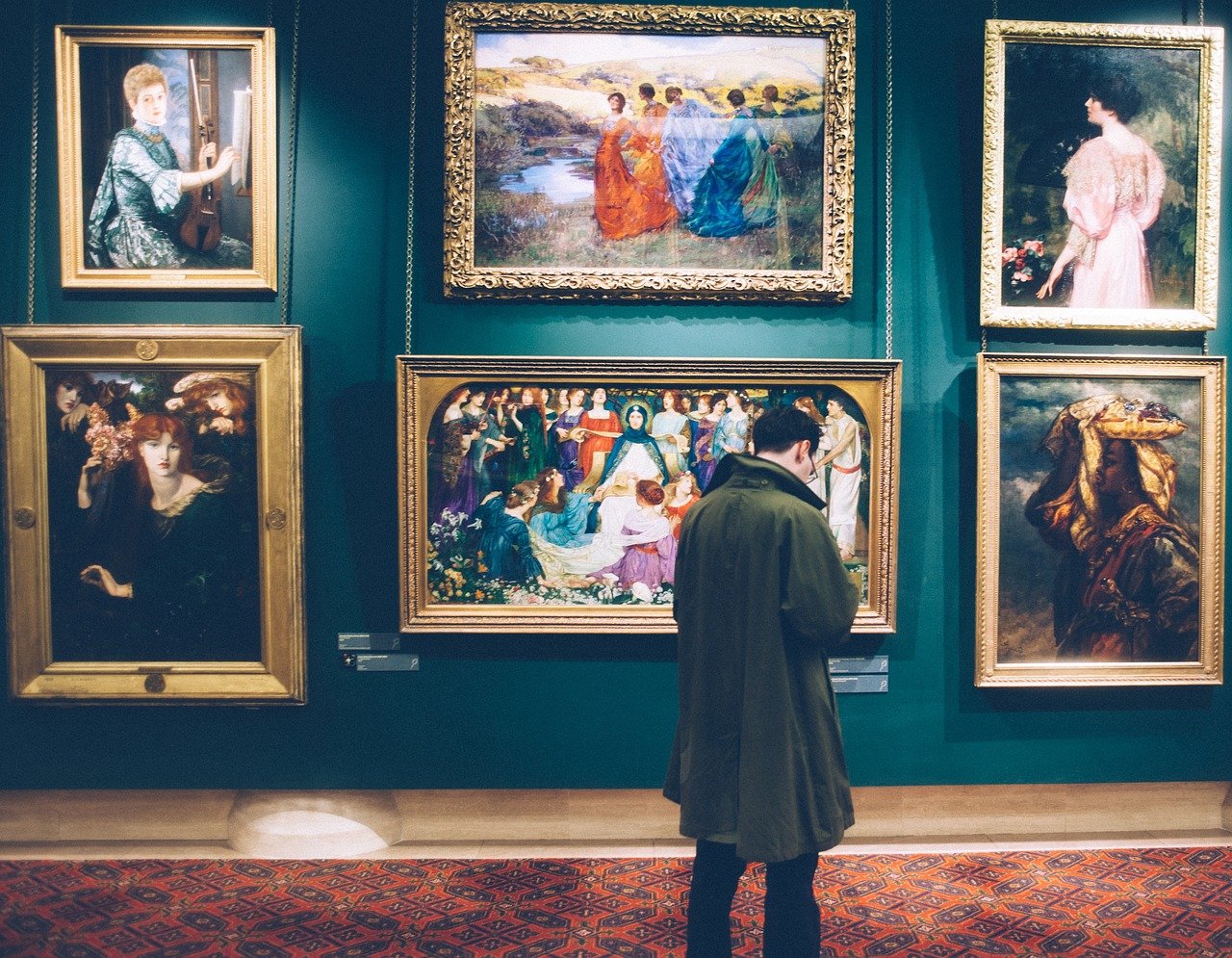
The museum was founded in 1963 on the initiative of Jaume Sabartés — Picasso’s lifelong friend and secretary — who donated his personal Picasso collection to the city of Barcelona. Picasso himself, though he never returned to Spain after the Franco regime took power (he was one of the republic’s most prominent cultural supporters), endorsed the foundation and later donated his complete series of 58 paintings based on Las Meninas by Velázquez, a body of work that forms one of the museum’s most extraordinary holdings.
The building complex grew over the decades. The five medieval palaces — Palau Aguilar, Palau del Baró de Castellet, Palau Meca, Casa Mauri, and Palau Finestres — were progressively acquired and interconnected while preserving their medieval structural integrity. The result is a museum experience that alternates between the art on the walls and the architecture containing it — Gothic arches, Renaissance courtyards, medieval stonework — creating a dialogue between the antiquity of the setting and the radical modernity of the work.
What to See at the Picasso Museum
The collection of over 4,200 works is arranged roughly chronologically, allowing visitors to follow Picasso’s stylistic evolution from earliest academic training through his Barcelona period, the Blue Period, the Rose Period, his engagement with Cubism, and into his mature work. The early drawings and paintings — academically rigorous, technically flawless, produced when Picasso was 13–18 years old — are particularly striking for what they reveal about the conscious nature of his later stylistic choices. He could draw “correctly” from a very young age; he chose not to.
The Barcelona period work is especially significant here — Picasso studied at the Llotja art school in Barcelona from age 14, his family having moved from Málaga to the Catalan capital. He frequented the bohemian Els Quatre Gats café (still operating in the Gothic Quarter) and his Barcelona paintings from 1895–1904 document both his technical development and his absorption of Spanish and Catalan artistic culture before his move to Paris. The complete Las Meninas series — 58 variations on Velázquez’s masterpiece produced in a single concentrated period of 1957 — fills an entire room and is one of the most intellectually demanding single bodies of work in any museum in Spain.
The Medieval Palace Complex
The Carrer de Montcada palaces in which the museum is housed are architectural treasures in their own right — some of the best-preserved medieval domestic architecture in the Iberian Peninsula, built by Barcelona’s merchant aristocracy in the 13th through 15th centuries during the city’s period of commercial supremacy in the western Mediterranean. The ground-floor arcades, the Gothic staircases, and the first-floor salons with their painted timber ceilings provided the backdrop for some of the most powerful commercial and political families of medieval Catalonia.
The juxtaposition of this medieval grandeur with Picasso’s work is not incidental. Picasso loved this street and this neighbourhood — his Barcelona formative years were spent in El Born and Barceloneta, the port neighbourhood, and the museum’s setting connects his work to a period and a place that shaped him profoundly. The five interconnected palace buildings are navigated via internal passages and staircases that reveal additional layers of medieval stonework with every turn — the building tour is as interesting as the art tour for architectural enthusiasts.
Practical Information
- Tickets: General admission approx. €12; free entry first Sunday of the month and Thursday evenings 16:00–21:00 (times vary seasonally — check official website)
- Opening hours: Tue–Sun 09:00–19:00 (Thu until 21:30); closed Monday, 1 Jan, 1 May, 24 Jun, 25 Dec
- Best time to visit: Tuesday–Wednesday mornings for smaller crowds; avoid weekends and school holidays
- Duration: 1.5–2.5 hrs for a thorough visit
- Booking: Advance online booking strongly recommended to avoid queues — book at museupicassobcn.cat
Local Insights

What locals know that guidebooks don’t always tell you:
- The free Thursday evening access (16:00–19:00 in winter, 19:00–21:00 in summer) requires online pre-booking even though entry is free — book through the museum website to guarantee a time slot.
- The early rooms of adolescent academic drawings are often rushed through by visitors eager to reach the famous work. Slow down here — the drawing of the Beggar at 14 years old is as technically accomplished as anything in a European master’s collection.
- The museum café courtyard is one of the most beautiful spots in El Born for coffee — you don’t need a museum ticket to access the café, though it gets busy at peak times.
- Els Quatre Gats café (Carrer Montsió 3, Gothic Quarter, 5 min walk) was Picasso’s youthful hangout and printed his first ever exhibition catalogue — still operates as a restaurant with original art nouveau decor worth seeing.
- Combine the Picasso Museum with the nearby Santa Maria del Mar basilica (5 min walk) and a walk through the El Born market (free) for a complete El Born neighbourhood experience.
Getting There
- Metro: Line 4 (Yellow) → Jaume I station (5 min walk along Carrer de la Princesa)
- Bus: Routes 17, 19, 40, 45 stop near the Born district
- On foot: 10 min from the Cathedral; 5 min from Santa Maria del Mar; 15 min from Barceloneta beach
- Taxi/Rideshare: Drop off at Carrer de Montcada or Passeig del Born, directly adjacent to the museum entrance
Frequently asked questions
Do I need to book tickets in advance?
Yes, strongly recommended. The museum has limited timed-entry slots and queues without a reservation can be very long, especially in summer and on weekends. Book online at museupicassobcn.cat.
What is the Las Meninas series and why is it significant?
In 1957, Picasso retreated to his studio for three months and produced 58 paintings analysing and reinterpreting Velázquez’s 1656 masterpiece Las Meninas. The series demonstrates Picasso’s method of deconstructing and reassembling visual information — each painting approaches the original composition from a different angle, with different emphasis and abstraction. The complete series is displayed in the Museu Picasso and represents one of the most sustained dialogues between an artist and a predecessor in modern art history.
Are photography and video allowed inside?
Photography for personal, non-commercial use is generally permitted in most areas of the museum without flash. Video recording and tripods are prohibited. Check current policy on arrival as rules may vary by exhibition.
Is the Picasso Museum accessible for people with disabilities?
The museum has lifts and accessible routes through most of the building, though the medieval palace structure creates some limitations. Contact the museum in advance for specific accessibility information and to arrange any special requirements.
Is there a permanent collection or does it change?
The museum has an extensive permanent collection of over 4,200 works. Temporary exhibitions complement the permanent collection and are held in dedicated spaces. Check the museum website for current exhibition schedules.