
National Art Museum of Catalonia (Museu Nacional d’Art de Catalunya)
The Museu Nacional d'Art de Catalunya (MNAC) occupies the Palau Nacional on Montjuic hill in Barcelona, housing the world's finest Romanesque art collection. The palace's magnificent dome and ornate halls rival the medieval masterpieces within. To walk through MNAC is to walk through a millennium of Catalan identity and artistic heritage.
History of MNAC
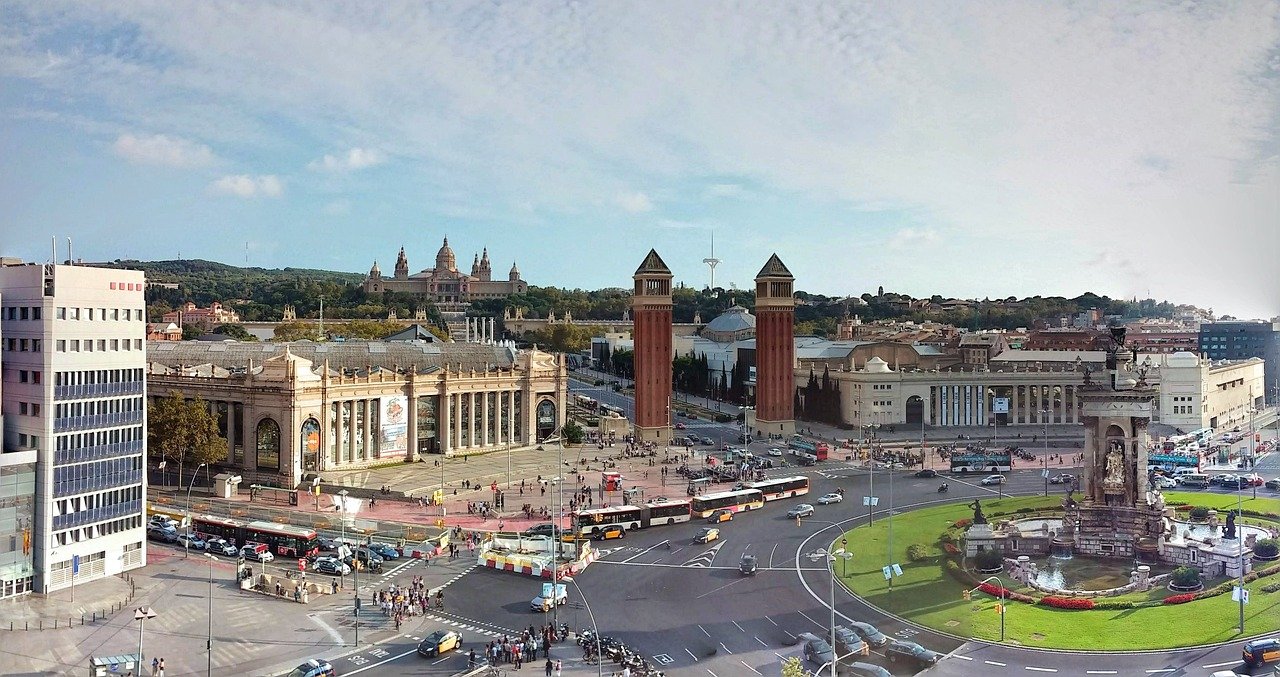
The Palau Nacional was built for the 1929 Barcelona International Exposition, designed to be the event's showpiece with its theatrical baroque-influenced facade and soaring central dome. After the exposition concluded the building was retained as a permanent cultural venue and gradually transformed into the national art museum it is today.
The Romanesque art collection began forming in the early 20th century when Catalan architects discovered medieval church interiors of extraordinary quality in remote Pyrenean valleys. The fragile frescoes were carefully detached from walls and transferred to linen, preserving them when many of the original churches fell into ruin. Today MNAC holds the largest and finest Romanesque art collection in the world.
What to See

The Romanesque galleries are the museum's undisputed highlight — an immersive sequence of rooms where apse frescoes from small mountain churches have been reassembled at their original curved angles, recreating the experience of standing inside painted sanctuaries. The Christ in Majesty from the apse of Sant Climent de Taull (circa 1123) is considered one of the greatest masterpieces of Romanesque painting in Europe.
The Gothic collection features altarpieces by Jaume Huguet and Bernat Martorell, while the modern art section covers Catalan Modernisme and Noucentisme including works by Ramon Casas and the young Picasso. The decorative arts department houses exceptional Modernista furniture, glassware, and ceramics. The building's Oval Hall used for state ceremonies is itself a spectacle of gilded domes and classical murals.
Views from Montjuic
The Palau Nacional's exterior terraces offer one of the most celebrated views in Barcelona, framing the city's roofscape against the sea with the Sagrada Familia visible in the distance. The view down the Avinguda de la Reina Maria Cristina toward the illuminated Magic Fountain and the city beyond is particularly spectacular at dusk. Many visitors come purely for the terrace view even without entering the museum.
The building's interior architecture rewards careful attention: the Oval Hall's enormous dome, the throne-room proportions of the Sala de les Cariatides, and the rich detail of plasterwork and painted ceilings throughout the galleries. The 1990s renovation by Gae Aulenti integrated modern museum functions while preserving the palace's grandeur.
Practical Information
- Tickets: EUR 12 adults; free first Sunday each month and every Sat after 3pm
- Opening hours: Tue-Sat 10am-8pm (until 6pm Nov-Apr), Sun 10am-3pm; closed Monday
- Best time to visit: Tuesday-Thursday mornings for thinnest crowds
- Duration: 2-3 hours for focused visit; 4+ hours for comprehensive exploration
- Booking: Tickets at museunacional.cat; advance booking recommended in peak season
Local Insights
Barcelona's art lovers know that MNAC's Saturday afternoon free admission draws crowds, but the museum is large enough it never feels overwhelming even on busy days.
- Visit the Romanesque galleries first — they are the reason to come and deserve unhurried attention before museum fatigue sets in
- The museum cafe on the ground floor has good food and spectacular terrace views at reasonable prices
- The first Sunday of each month is free — arrive early as this is when queues form
- Combine with the nearby Fundacio Joan Miro for a full day of world-class art on Montjuic
- The Magic Fountain show (free, summer evenings) pairs beautifully with a Saturday evening museum visit
Getting There
- Metro: Espanya station (Lines 1 and 3) — 10-min walk up Avinguda de la Reina Maria Cristina via escalators
- Bus: Routes 55 and 150 stop near the museum entrance on Montjuic
- On foot: Accessible via escalators from Placa d'Espanya; allow 15 minutes from the metro
- Taxi/rideshare: Drop directly at the Palau Nacional entrance on Avinguda de l'Estadi
Frequently asked questions
Is MNAC Barcelona free?
MNAC offers free admission on the first Sunday of each month and every Saturday afternoon from 3pm. Standard adult admission is EUR 12, with discounts for students, seniors, and Barcelona residents.
How long does it take to visit MNAC?
Allow at least 2-3 hours for a focused visit covering the Romanesque and Gothic collections. A comprehensive visit of all departments can take 4 or more hours.
What is the best collection at MNAC?
The Romanesque art collection is the museum's crown jewel — one of the finest in the world. The reassembled apse frescoes, particularly the Christ in Majesty from Sant Climent de Taull, are genuinely unmissable.
Can you see Barcelona from MNAC?
Yes, the exterior terraces of the Palau Nacional offer a spectacular panoramic view over Barcelona toward the sea. The view is accessible even without a museum ticket by walking to the building's front terraces.
How do I get to MNAC from Las Ramblas?
Walk down Las Ramblas to Placa d'Espanya, then take the escalators up Avinguda de la Reina Maria Cristina for about 10 minutes to reach the museum entrance. Alternatively, take Metro lines 1 or 3 to Espanya station.