
Montjuïc Castle (Castell de Montjuïc)
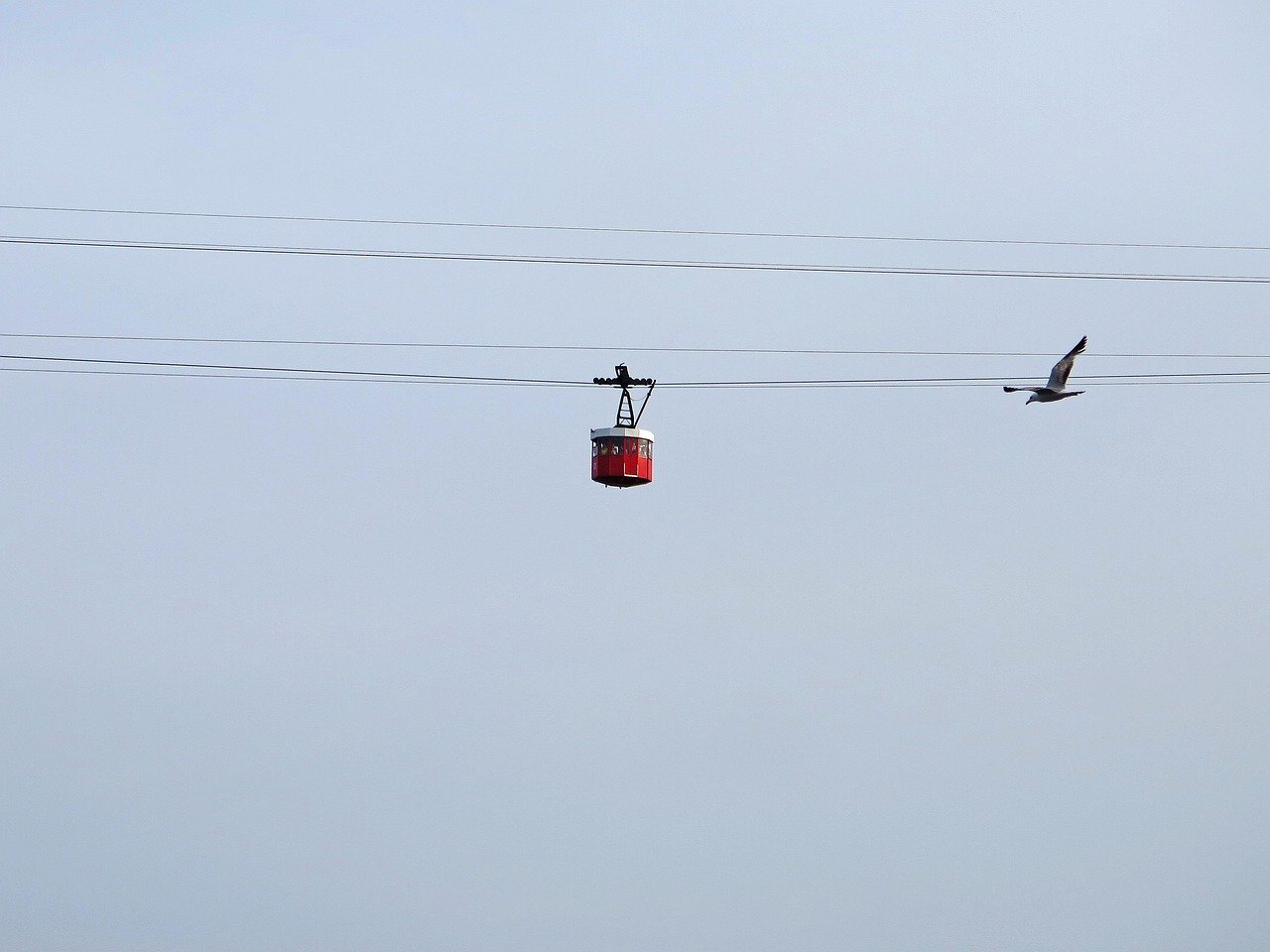
The cable car swings out over the port, and suddenly the whole of Barcelona is below you — the green disc of the harbor, the Gothic spires pointing up from the old city, the Sagrada Familia distant and distinctive to the northeast, and the apartment grid of the Eixample spreading without apparent end toward the mountains. The cable car deposits you on the flank of Montjuic Hill, where a 17th-century fortress sits on a rocky promontory 173 meters above the Mediterranean. From its bastions, you can see why every power that controlled Barcelona wanted to control this hill.
History of Montjuic Castle
Montjuic Hill has been fortified since at least the early 17th century, when the first permanent military installations were constructed during the Thirty Years War (1618-1648). The current castle structure dates primarily from 1694, when it was substantially rebuilt in a star-fort design that reflected the latest European military engineering. The castle passed between Spanish and French control during the Napoleonic Wars, and was besieged during various Catalan uprisings — including the War of Spanish Succession (1714), which ended with Barcelona’s final defeat and the abolition of Catalan institutions.
The castle’s most painful chapter in Barcelona memory came in the 20th century, when it was used as a prison and execution site during and after the Spanish Civil War (1936-1939). Lluís Companys, President of the Generalitat of Catalonia and a hero of Catalan independence, was executed here by firing squad in 1940 on the orders of Francisco Franco. The site remained under Spanish military control until 2007, when it was transferred to the Barcelona City Council. The city has since invested in its conversion into a public park and museum, though its role in Catalan political memory remains deeply significant.
What to See

The castle itself is the principal attraction — the star-fort design with its angled bastions, dry moat, and successive defensive lines remains largely intact, providing one of the best examples of 17th-century military architecture in the Iberian Peninsula. The interior houses a military museum with weapons and armor collections, and several exhibition spaces that contextualize the castle’s history with particular attention to its role in Catalan political history. The rooftop cannon emplacements and the walls themselves offer extraordinary 360-degree panoramic views that take in Barcelona, the Llobregat delta, and on clear days the Pyrenees to the north.
The gardens on the slopes of Montjuic below the castle are among Barcelona most beautiful and least visited public spaces. The Jardins de Laribal (terraced gardens with fountains) and the Jardí Botanic (botanical garden with Mediterranean species from five continents) provide hours of peaceful wandering in a city that can feel overwhelming at sea level. The Fundació Joan Miró, one of Europe great modern art museums, is located on the hill’s mid-slope and is easily combined with a castle visit for a full Montjuic day.
The Views
The views from Montjuic Castle are arguably the finest available in Barcelona — better in several respects than those from the Bunkers del Carmel or Tibidabo, because the southeastern position gives unobstructed sight lines across the entire city and out to sea simultaneously. The harbor below is active with cruise ships, ferries, and container vessels; the Barceloneta beach stretches in a perfect arc to the northeast; and the city grid of Cerda’s Eixample unfolds in its geometric precision to the horizon. At sunset, the light on the Mediterranean turns the sea copper-gold while the city below shifts to amber and shadow.
The best viewing positions are from the highest bastion on the castle’s southeastern corner and from the walls of the upper courtyard facing the sea. Clear winter days (November-February) give the longest sight lines, often extending to Mallorca (200 km) on exceptional days, and the lower visitor numbers make photography significantly easier. Summer sunsets from the castle wall are spectacular but accompanied by large crowds — arrive 90 minutes before sunset to secure a good position.
Practical Information
- Tickets: Castle entry EUR 5 adults; gardens free. Cable car (Teleferic de Montjuic) from Paral.lel metro: EUR 12.90 one way, EUR 20.50 return adults. Bus 150 from Placa Espanya: EUR 2.40.
- Opening hours: Castle: April-October daily 10:00-20:00; November-March daily 10:00-18:00. Gardens: dawn to dusk daily.
- Best time to visit: Late afternoon for the best light on Barcelona below. Clear winter days for the longest views. Summer sunsets are spectacular but crowded.
- Duration: 1.5-2 hours for the castle and views; a full day including gardens, Fundacio Joan Miro, and the Olympic facilities.
- Booking: No advance booking required for the castle. Cable car tickets can be purchased online to avoid queues in summer.
Local Insights
What locals know that guidebooks do not always tell you:
- The free Bus 150 from Placa Espanya to the castle summit is a much-overlooked alternative to the cable car — slower but significantly cheaper and with equally good views from the upper road.
- The dry moat around the castle is freely accessible and provides a different perspective on the fortifications than the interior — walk the full perimeter for the best understanding of the star-fort design.
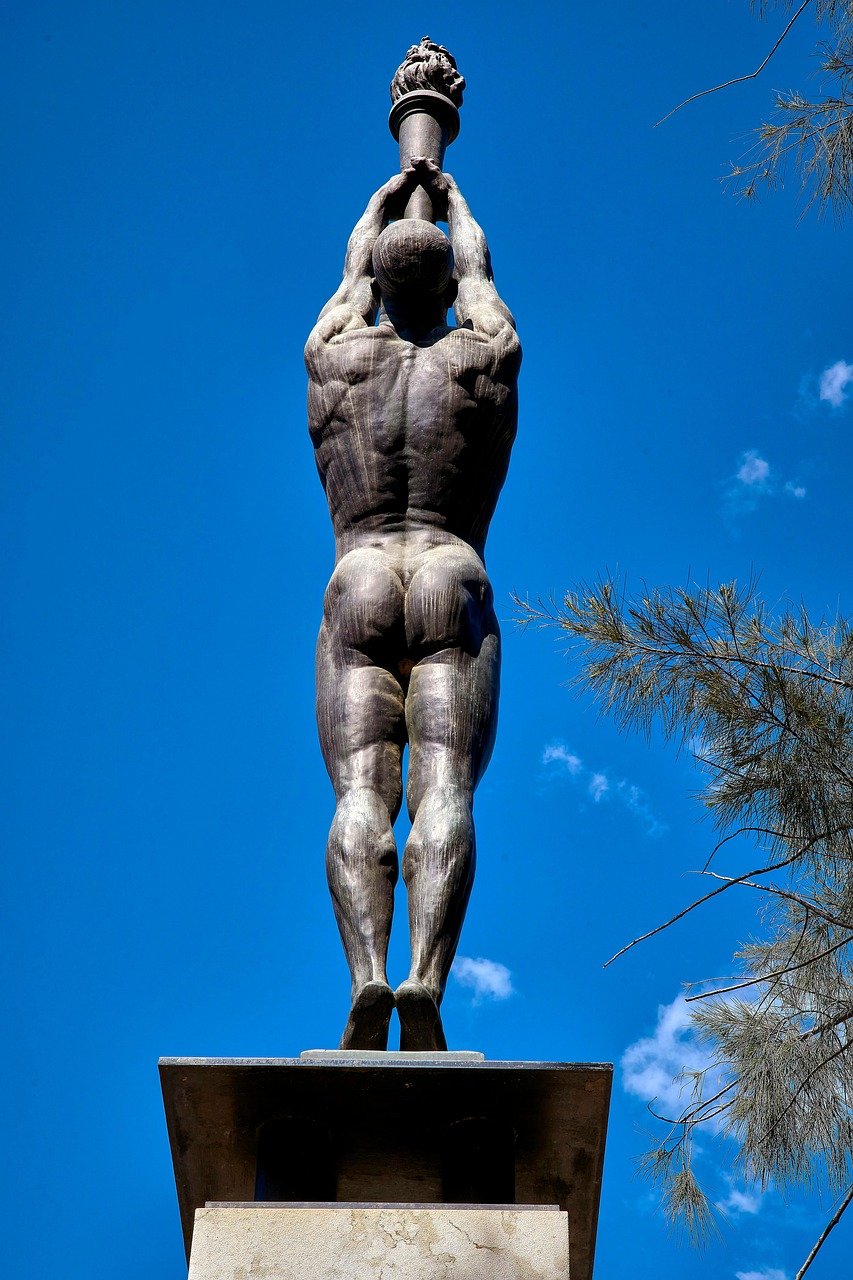
- The Olympic facilities from the 1992 Barcelona Games — including the Estadi Olimpic Lluis Companys and the Palau Sant Jordi — are on the hill’s mid-slope and can be visited as part of a Montjuic day without extra charge.
- The Nit Dels Castellers (human tower) festival that sometimes takes place on Montjuic in August is one of Barcelona most extraordinary cultural events — check local listings if visiting in late summer.
- The Pavillon Mies van der Rohe — the famous minimalist German Pavilion from the 1929 Barcelona International Exposition — is at the foot of Montjuic near Placa Espanya and is well worth a separate visit for architecture enthusiasts.
Getting There
- Cable car: Teleferic de Montjuic from Paral.lel Metro (Line 2 or 3) — scenic and direct, about 10 minutes to the summit.
- Bus 150: Free bus from Placa Espanya (next to the Espanya Metro) to the castle summit — the most economical option.
- Funicular: Funicular de Montjuic from Paral.lel Metro to the mid-hill area, then cable car or 30-minute walk to the castle.
- On foot: Well-marked paths from the Olympic area and from Miramar allow walking to the castle — about 20-30 minutes uphill from the lower gardens.
Frequently asked questions
Why is Montjuic Castle significant in Catalan history?
Montjuic Castle was used as a prison and execution site during and after the Spanish Civil War. Most notably, Lluis Companys, President of Catalonia, was executed here in 1940. The castle remained under Spanish military control until 2007 and is now managed by Barcelona City Council as a public space and museum.
Is the Montjuic cable car worth the price?
The cable car (Teleferic de Montjuic) provides spectacular views during the ascent and is a memorable experience. If budget is a concern, Bus 150 from Placa Espanya reaches the same summit for the price of a regular bus ticket and passes through the gardens on the way.
Can I walk up to Montjuic Castle?
Yes — several paths lead up the hill from the Miramar area and from the mid-hill Olympic facilities. The castle is about 20-30 minutes uphill from the lower gardens. The walk is scenic but requires reasonable fitness, especially in summer heat.
What else is on Montjuic Hill?
The Fundacio Joan Miro (one of Europe great modern art museums), the 1992 Olympic facilities including the Estadi Olimpic and Palau Sant Jordi, the Jardí Botanic, the Jardins de Laribal, and the Pavelló Mies van der Rohe are all on or at the base of Montjuic. A full day on the hill provides an exceptional Barcelona experience well beyond the castle alone.
What is the best view in Barcelona?
Montjuic Castle offers among the finest panoramic views in Barcelona, particularly for sea views. The Bunkers del Carmel (anti-aircraft bunkers in Gracia district) provide the most famous 360-degree city panorama without the sea component. Tibidabo (NW of the city) gives mountain and hinterland views. Each offers a different perspective on the city.