
Khlong Toei Market
Before dawn, the carts are already moving. By 5 a.m., the Khlong Toei Market is in full noise — the wet thwack of a cleaver through a whole snapper, the layered conversations of vendors calling prices, the hiss of a charcoal fire under a pot of morning soup. This is Bangkok largest and oldest wet market, covering more than 10,000 square meters of covered stalls, and it is where the city real food comes from: the ingredients that become pad thai in every restaurant, the live seafood that will be on the table at a Sukhumvit dinner, the herbs and chilies that define a cuisine with no serious rivals in Asia.
History of Khlong Toei Market
Khlong Toei Market grew organically around the Khlong Toei Port — Bangkok primary deep-water port — beginning in the 1940s when the port district attracted workers and traders who needed daily fresh food provisions. As the port expanded and the surrounding Khlong Toei district became one of Bangkok largest informal settlements, the market grew with it, eventually becoming the largest wet market in the city by the 1970s. The market is officially managed by the Port Authority of Thailand, reflecting its origins as a commercial support facility for port workers and dock laborers.
Unlike Bangkok purpose-built tourist markets (Chatuchak, Damnoen Saduak), Khlong Toei is entirely functional — there are no performances, no souvenir sections, and no translations for tourists. Everything is sold in Thai weight and currency, negotiated in Thai, and organized for the professional cooks, restaurant owners, and householders who arrive before dawn. This functional authenticity is exactly what makes it compelling for visitors who want to understand how Bangkok actually feeds itself rather than how Bangkok stages itself for tourists.
What to See
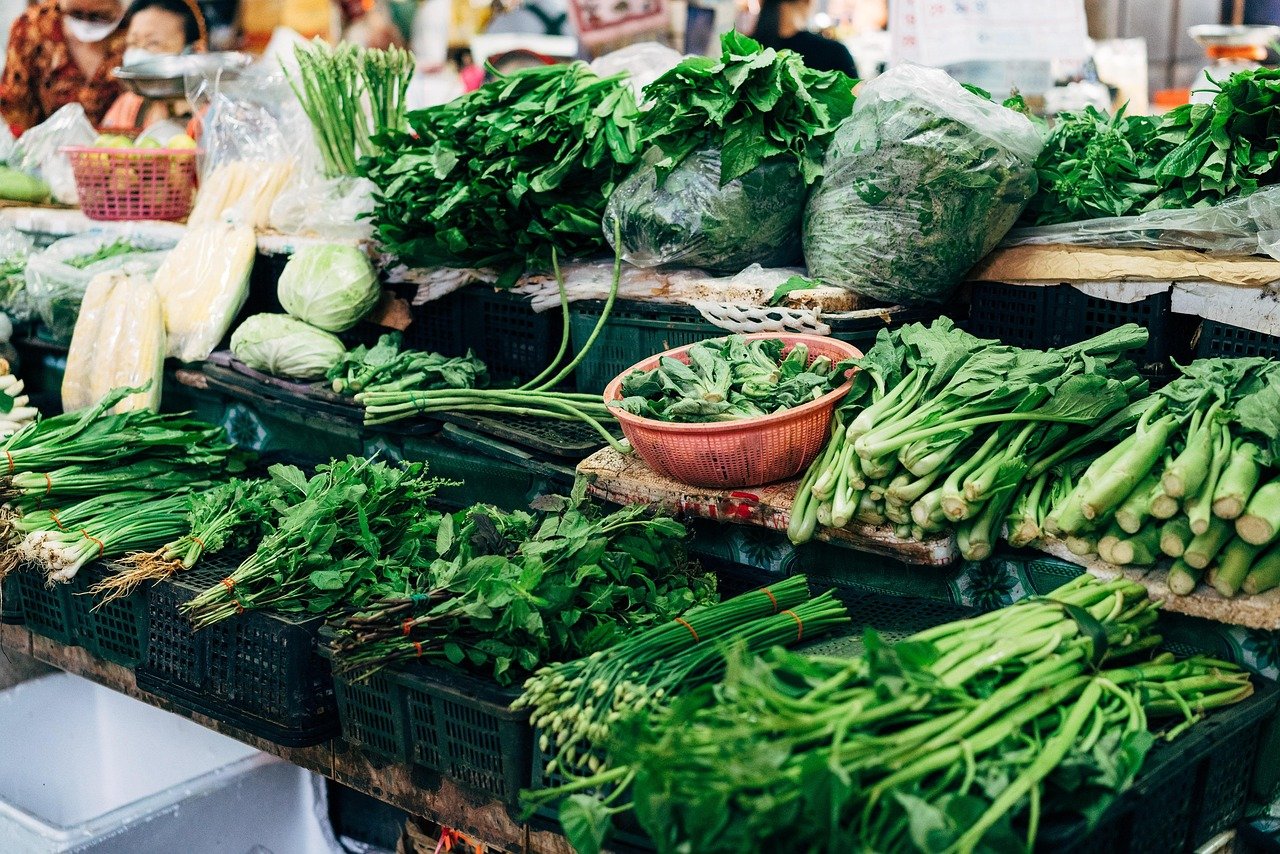
The market divides roughly into sections by produce type. The seafood section in the northeastern quadrant is the most visually spectacular — live crabs in mesh bags, shrimp arranged by size on ice, whole fish still gasping next to their cleaned and filleted neighbors, buckets of clams, mussels, and oysters. The vegetable sections display an education in Thai ingredients: Thai basil (horapa and krapao varieties separately), galangal, lemongrass, kaffir lime leaves, fresh turmeric, young coconut shoots, and dozens of varieties of eggplant, banana flower, and morning glory that never appear in Western supermarkets.
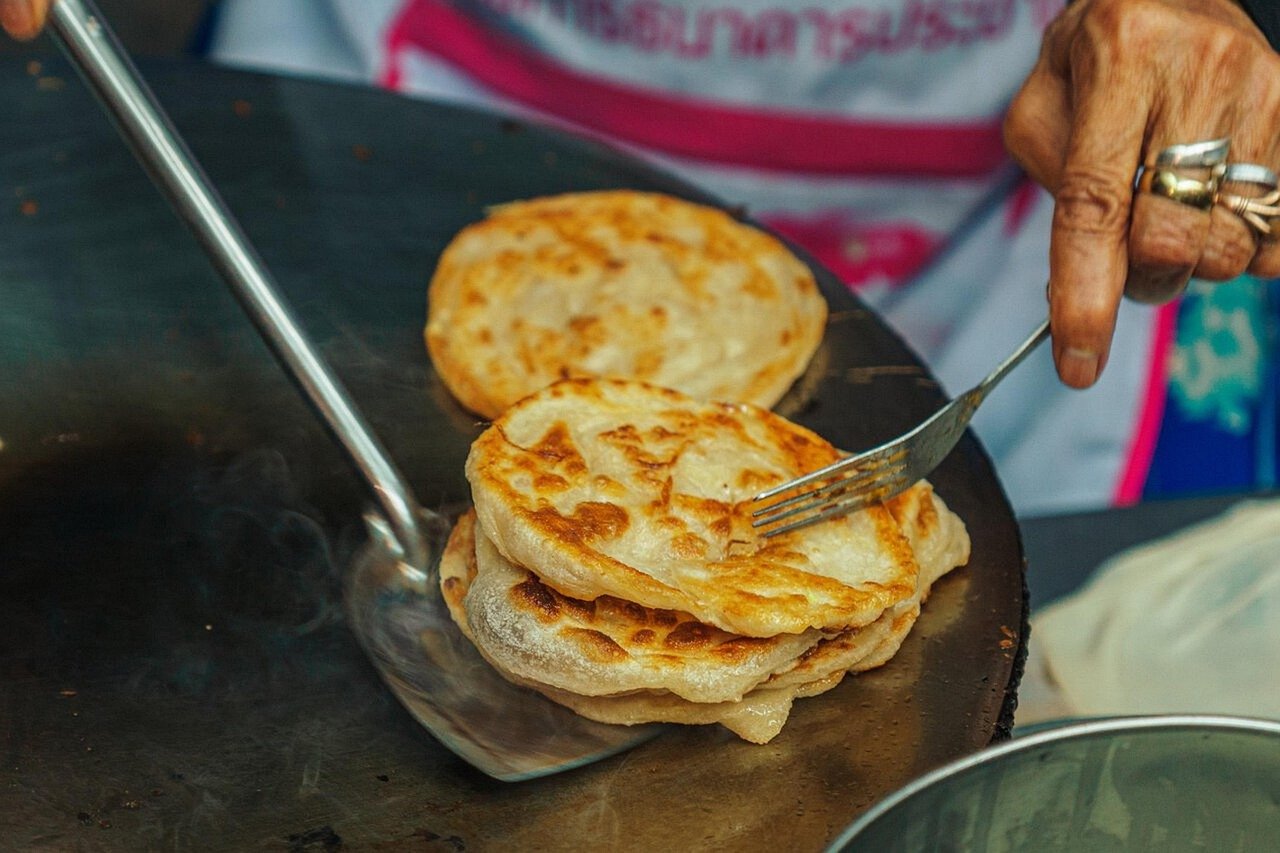
The prepared food stalls along the market perimeter are equally rewarding — vendors who have occupied the same spot for decades, serving soup for 35 baht, pad krapao for 40, and boat noodles in quantities that make you question the economics of Thai cooking. These are not tourist-facing food stalls; the clientele are market workers, delivery drivers, and morning shoppers. Eating here is both economical and exceptional. The chaos of the market interior can be navigated on foot — wear covered shoes (the floor is wet), be willing to yield to handcarts, and follow your nose and your curiosity.
The Market Economy

Khlong Toei operates on rhythms and relationships that have developed over generations. Many stall positions have been held by the same families for 30-40 years; the vendor who sells pork to a particular restaurant has probably sold to that restaurant every day for two decades. The logistics are remarkable: produce arrives from farms throughout the Central Plains and from fishing ports in the Gulf of Thailand in the early morning hours, is sorted, priced, and displayed by the pre-dawn hours, and is largely sold out before the midday heat. What remains goes to secondary vendors at reduced prices, then to compost or pig farmers.
The pricing system operates on visual cues and relationship — regular customers pay less than strangers, bulk purchasers negotiate down, and the first sale of the morning carries a good-luck significance that affects the vendor mood for the rest of the day. Visitors who spend time watching rather than immediately photographing will begin to perceive the layers of social logic that govern a market that looks chaotic from outside but runs with extraordinary efficiency. For anyone interested in food culture, urban economics, or the social life of a great city, Khlong Toei is more rewarding than any museum.
Practical Information
- Tickets: Free entry at all times.
- Opening hours: Open from approximately 03:00; peak activity between 04:00 and 08:00. By 09:00-10:00 the market is winding down. Still operating until around noon.
- Best time to visit: 05:30-07:30 for the peak activity and the richest variety of produce. Bring a flashlight if arriving before dawn.
- Duration: 1-2 hours for a thorough wander; longer if you are eating breakfast at the perimeter food stalls.
- Booking: No booking required. Wear comfortable, closed-toe shoes you do not mind getting wet. Carry cash in small denominations.
Local Insights
What locals know that guidebooks do not always tell you:
- The market is significantly quieter (and easier to navigate) after 08:00 — the best produce is gone but the atmosphere is more relaxed and vendors are more willing to talk to curious visitors.
- The breakfast food stalls at the eastern market entrance serve consistently excellent jok (rice porridge with pork) and boat noodles at prices that have not changed much in a decade — around 35-50 THB per bowl.
- Do not photograph live animals in distress or vendors without clear permission — a smile and a gesture toward your camera usually gets a nod or a shake from vendors who have been asked this question many times.
- The market is adjacent to one of Bangkok largest and poorest communities (the Khlong Toei slum district) — treat the area with respect and do not treat the market as a poverty tourism experience.
- The MRT Khlong Toei station (Blue Line) is a 10-minute walk from the market — the easiest public transport connection from the Silom and Sukhumvit areas.
Getting There
- MRT: Blue Line to Khlong Toei Station — about 10 minutes walk to the market entrance. Exit 1 is closest.
- Taxi/Grab: Give the driver the address “Talaad Khlong Toei” — a well-known destination. Use Grab for metered fare transparency.
- Bus: Routes 109, 115, 116, and 140 pass along Ratchadapisek Road near the market entrance.
- Boat: From the Chao Phraya River, Khlong Toei Pier is accessible via canal boat on Khlong Phra Khanong, about 20 minutes from the river.
Frequently asked questions
Is Khlong Toei Market safe for tourists?
Yes — the market itself is safe and busy with working people going about their day. The surrounding Khlong Toei community has a rough reputation, but the market area itself sees regular foot traffic from workers, chefs, and delivery personnel and is not a dangerous environment for respectful visitors during daylight hours.
Can I eat at Khlong Toei Market?
Yes — the food stalls around the market perimeter and the prepared food section inside serve excellent Thai food at very low prices. This is working-class Bangkok food at its best: authentic, inexpensive, and cooked by people who have been doing this for decades.
What should I buy at Khlong Toei Market?
Fresh herbs, unusual vegetables, and fresh seafood are the market specialties. If you have access to a kitchen, the seafood selection is exceptional and prices are lower than retail shops. For visitors without cooking facilities, eating the prepared food is the primary activity.
Is there parking at Khlong Toei Market?
Very limited and chaotic — the area is heavily trafficked by delivery vehicles before dawn. Public transport (MRT) or rideshare is strongly recommended. Motorcycle taxis operate from the MRT station to the market entrance.
How does Khlong Toei compare to Chatuchak Weekend Market?
Chatuchak is Bangkok largest retail market, open only on weekends, and is heavily tourist-oriented. Khlong Toei is a daily wholesale and retail wet market for fresh food — entirely local, functional, and operating before dawn. They cater to completely different purposes and audiences.