
Bang Pa-In Royal Palace
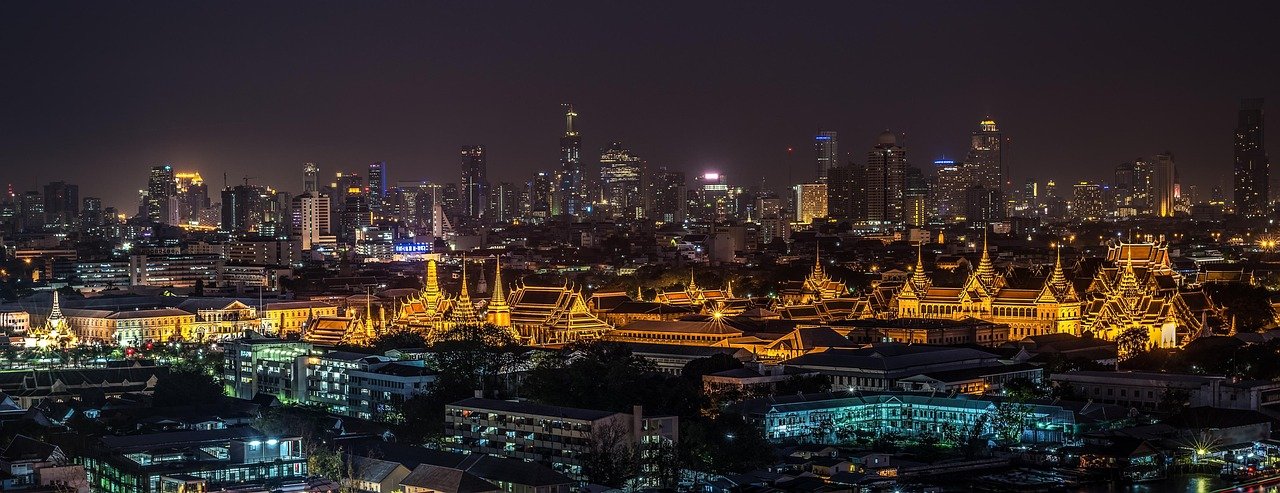
The Bang Pa-In Royal Palace, known as the Summer Palace, stands as one of Thailand’s most enchanting royal retreats. Located 60 kilometres north of Bangkok along the Chao Phraya River in Ayutthaya Province, this extraordinary complex blends European baroque architecture with traditional Thai and Chinese pavilions in a harmonious lakeside setting that has delighted visitors for over three centuries.
A History of Royal Retreats
The palace grounds were first established during the 17th century reign of King Prasat Thong of the Ayutthaya Kingdom. After years of abandonment following the sacking of Ayutthaya, King Mongkut (Rama IV) rediscovered the site in the 19th century and began restoring it as a royal summer retreat. His successor, King Chulalongkorn (Rama V), transformed the palace into its current eclectic form, commissioning pavilions in Gothic, Italian Renaissance, and Romanesque styles alongside traditional Thai structures. Today the palace remains an official royal residence and is occasionally used by the Thai royal family.
The Palace Pavilions
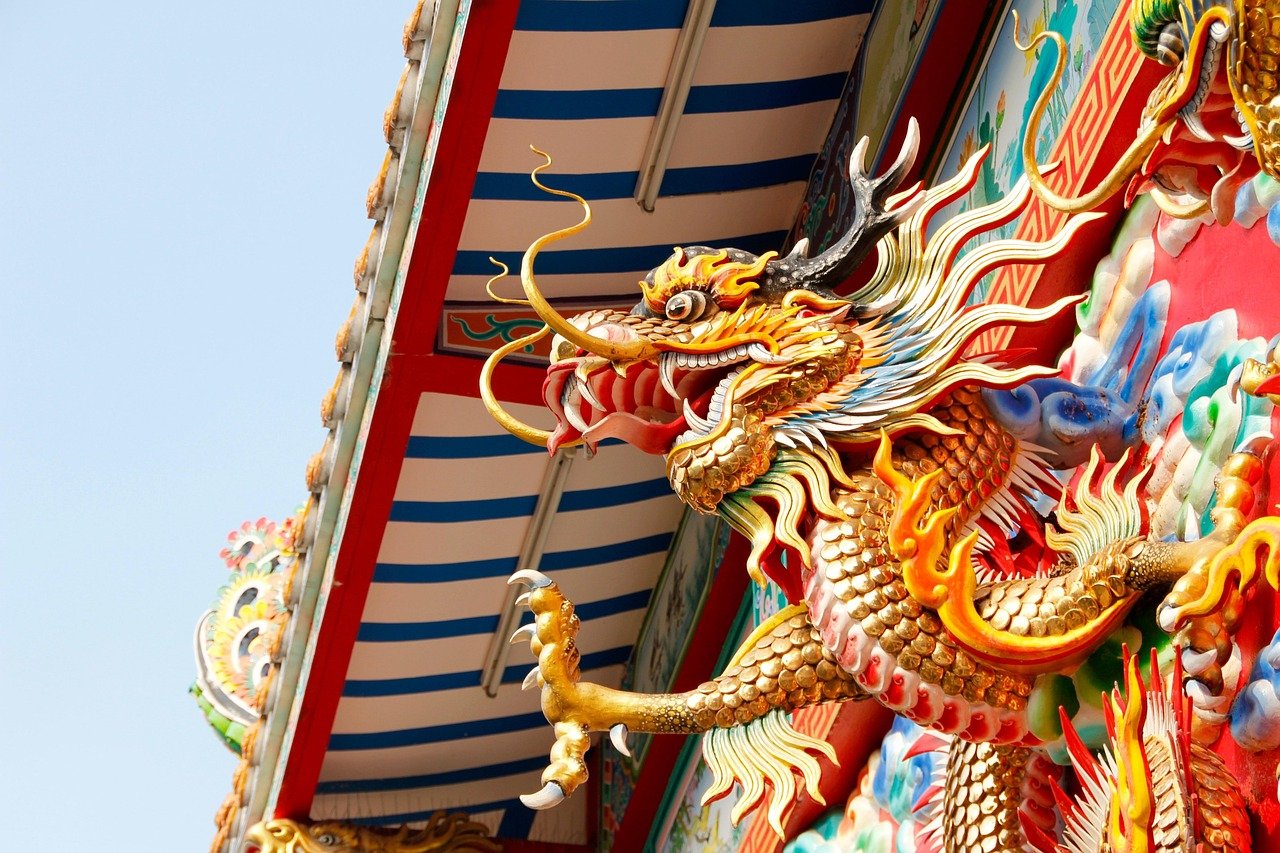
The heart of the complex is the Aisawan Thi-Phak Pavilion, a graceful Thai-style structure that appears to float on the central lake. This four-spired pavilion is one of the most photographed sights in Thailand and represents the finest example of traditional Thai architectural craftsmanship on the grounds. Nearby stands the Phra Thinang Warophat Phiman, the main royal residence built in Victorian style, and the Chinese-influenced Ho Withun Thasana lookout tower that once served as a watchtower for surveying the surrounding countryside.
Gardens and Grounds
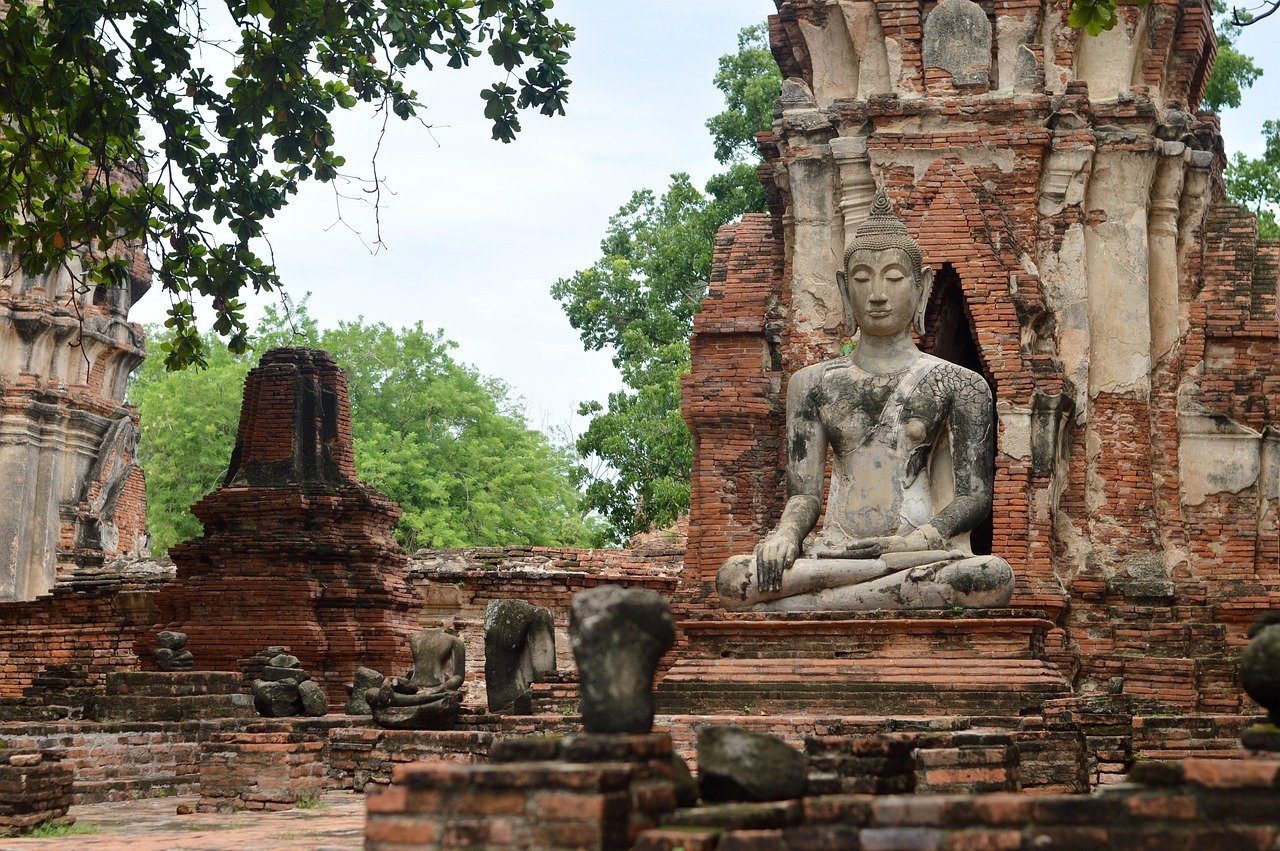
The palace is surrounded by manicured gardens, sculpted hedges, and tranquil water features that invite leisurely exploration. A cable car crosses the river to reach the Wat Nivet Thamaprawat temple, a Buddhist monastery built in a Gothic church style that reflects the king’s fascination with European architecture. The grounds also contain a covered bridge, animal enclosures with rare deer, and the Saphakhan Ratchaprayoon building where traditional Thai performances were once staged.
Practical Information
- Modest dress is required: shoulders and knees must be covered
- Free sarongs are available at the entrance for visitors who need them
- Photography is permitted throughout the grounds
- The palace is closed on Mondays and Fridays when royalty is in residence
- Combine with a visit to the ancient city of Ayutthaya, just 20 km north
Getting There
Bang Pa-In is easily reached from Bangkok by minivan from Mo Chit or Victory Monument, taking approximately 90 minutes. Alternatively, regular trains depart from Bangkok Hua Lamphong station to Bang Pa-In station, from where samlors (cycle rickshaws) or songthaews cover the remaining 3 kilometres to the palace. River cruise operators also include the palace on popular day-trip itineraries from Bangkok.