
Lumpini Park (Lumphini Park)
At six in the morning, when Bangkok’s traffic has not yet congealed into its habitual chaos, Lumpini Park is already humming with the city’s most energetic residents: elderly men performing tai chi in slow choreography under the rain trees, runners completing their third lap of the 2.5-kilometre circuit, aerobic dance classes moving with improbable synchronicity to pop music from a portable speaker, and on the lake, the enormous water monitor lizards — each the length of a grown man — cruising the shoreline with the unhurried authority of creatures who have been doing this since long before there was a Bangkok. Lumpini Park is the city’s lungs and its social centre, and it is free.
History of Lumpini Park
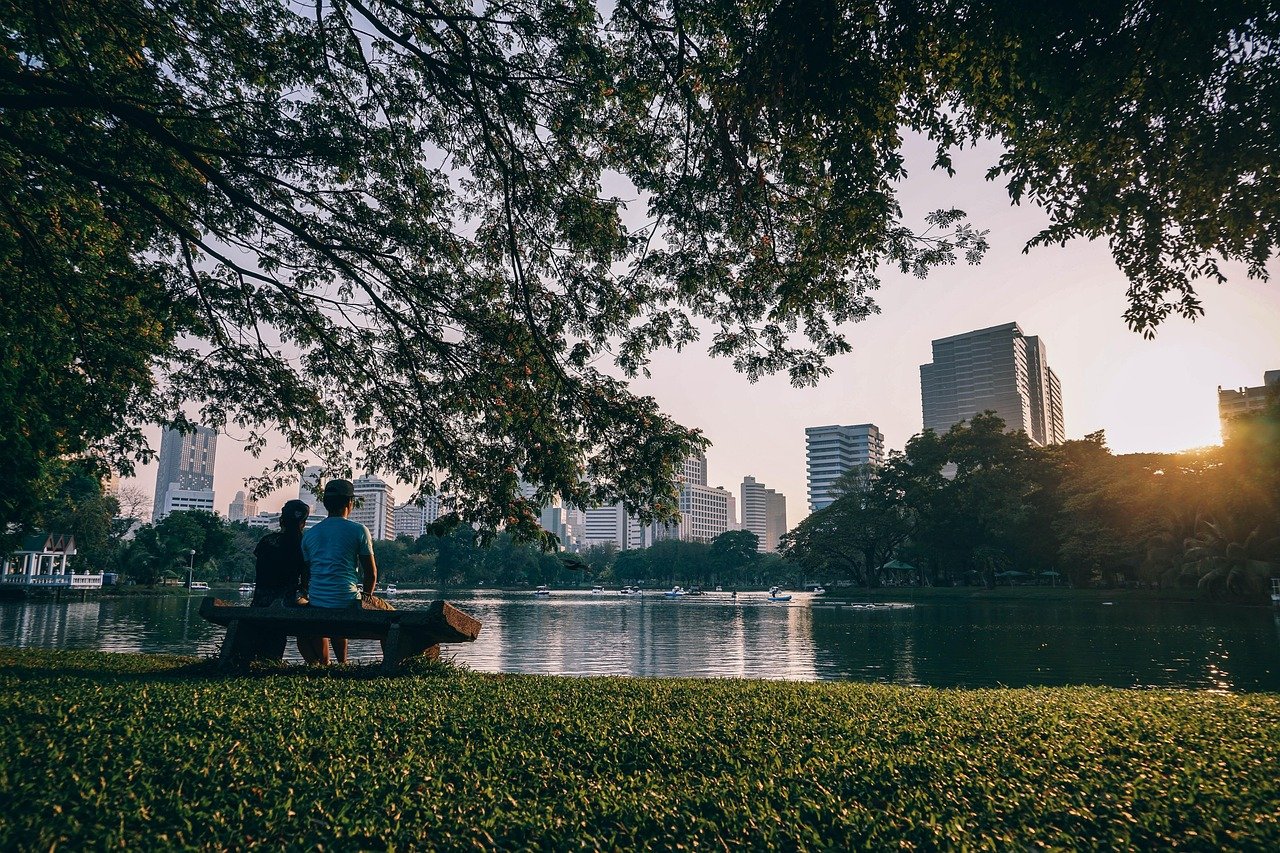
Lumpini Park takes its name from Lumbini, the birthplace of the Buddha in present-day Nepal — a name chosen by King Vajiravudh (Rama VI), who established the park in 1925 on land that had previously been intended for an exposition grounds. The king donated 360 acres of royal land to create a public green space for Bangkok, overruling proposals to develop it commercially — a gift that modern Bangkokians regard as an act of extraordinary foresight given the relentless urbanisation that has consumed every other comparable tract of land in the central city. The park was opened to the public in 1928, after Rama VI’s death, and a bronze statue of the king near the main entrance commemorates his role in the park’s creation.
During the Second World War the park was used by Japanese forces as a base and was closed to the public. After the war it gradually returned to its recreational function, and through the postwar decades it expanded its facilities as Bangkok grew. The park’s current layout includes two large artificial lakes, an outdoor gym, a running track, performance stages, multiple boathouses, and a network of broad paths shaded by mature rain trees, banyans, and native palms. The surrounding neighbourhood — Silom and Lumphini — became Bangkok’s financial district, making the park the green heart of the city’s most urban precinct.
What to See
The park’s main draws are experiential rather than monumental. The two lakes offer paddleboat rental (available during park hours for a small fee), and the lake circuit provides Bangkok’s most pleasant flat walk — the water reflects the surrounding skyscrapers in conditions that seem almost surreal given the city outside the park’s walls. The large outdoor gym near the main entrance on Wireless Road is free and well-equipped with resistance machines; it is in constant use from dawn to late evening. Aerobic and yoga classes — many of them free, some for a small donation — operate on the park’s main performance stages throughout the morning.
The water monitor lizards (Varanus salvator) are the park’s unofficial celebrity residents and the most discussed attraction among visitors. These large monitor lizards — adults reach 1.5–2 metres in length — are fully wild but completely habituated to human proximity, swimming through the park’s lakes and basking on the banks in plain view of joggers and picnickers. They pose no danger to humans unless cornered or provoked, but their size and prehistoric bearing leave most visitors momentarily speechless. The park’s population numbers in the dozens, and on a quiet morning you may encounter several in the space of a single lap. Feeding the monitors is prohibited but widely ignored.
The Musical Tradition

Lumpini Park hosts Bangkok’s most accessible outdoor classical music programme, with the Bangkok Philharmonic Orchestra giving free concerts on the park’s outdoor stage on selected evenings throughout the cooler season (November to February). These performances draw thousands of Bangkok families who bring picnic mats and fold-out chairs, turning the concerts into genuine community events rather than formal recitals. The atmosphere is convivial: children run between blankets, hawkers sell corn on the cob and sugar cane juice, and the combination of Thai classical music under a tropical sky in a park full of lizards is something no amount of prior cultural experience quite prepares you for.
Every morning at 8am and evening at 6pm the Thai national anthem is played over the park’s public address system, and all activity stops as Thais stand in respectful silence. This moment of collective pause — joggers halting mid-stride, children standing still without being prompted — provides a small but striking window into the texture of Thai civic life. Visitors are expected to stop and stand quietly during the anthem, and most do so naturally once they realise what is happening.
Practical Information
- Tickets: Free admission to the park; paddleboat rental approximately THB 60–80 per 30 minutes; outdoor gym free
- Opening hours: Daily 4:30 am–9:00 pm
- Best time to visit: Early morning (5–8 am) for cool temperatures and the most active community life; avoid 11 am–3 pm in summer when heat is prohibitive
- Duration: 1–3 hours; the perimeter walk is 2.5 km and takes approximately 30 minutes at a gentle pace
- Booking: No booking required; free concerts check the Bangkok Philharmonic website or BMA announcements for dates
Local Insights
What locals know that guidebooks don’t always tell you:
- The best time to spot monitor lizards is on weekday mornings after 7am when traffic on the paths is light and the lizards are warming up on the sunny banks — weekends bring more people, which makes lizard sightings less predictable.
- The park’s outdoor gym along the south perimeter is completely free and regularly used by Bangkok’s fitness community — a quick workout alongside Thai regulars is a distinctly local experience.
- Vendors sell excellent Thai breakfast outside the park’s Wireless Road entrance from 6–9am — khao tom (rice soup), fried eggs, and fresh-cut fruit at prices far below anything in nearby hotel restaurants.
- The lotus pond in the park’s northwest corner is particularly beautiful in the early morning when flowers are open and the lake surface is calm — one of the best free photography subjects in central Bangkok.
- Lumpini’s free wi-fi (provided by the Bangkok Metropolitan Administration) is reliable and covers most of the park — useful for reading maps or streaming music while exercising.
Getting There
- BTS Skytrain: Sala Daeng station on the Silom line; exit to Silom Road then walk 5 minutes; or Ratchadamri station for the Wireless Road entrance
- MRT Subway: Lumphini station on the Blue line, directly adjacent to the south entrance
- Bus: Multiple city bus routes stop on Rama IV Road along the park’s southern edge
- Taxi/Rideshare: Ask for “Lumpini Park, Wireless Road entrance” — Grab is fast and reliable from anywhere in central Bangkok
Frequently asked questions
Are the monitor lizards in Lumpini Park dangerous?
The monitor lizards in Lumpini Park are wild but habituated to humans and do not pose a threat to visitors who do not attempt to touch or feed them. They have sharp claws and a powerful tail that can cause injury if an animal feels trapped, so maintain a respectful distance. They are a celebrated part of the park’s character and one of the most unexpected wildlife encounters in any major city.
Is Lumpini Park safe at night?
The park closes at 9pm. It is well-lit and patrolled by park staff during opening hours and is generally very safe. The neighbourhood immediately outside the park (Silom, Lumphini) is one of Bangkok’s busiest commercial and dining areas and is safe at all hours.
Can I exercise in Lumpini Park?
Yes — exercise is one of the park’s primary purposes. The running track, outdoor gym equipment, and aerobics areas are open to everyone at no cost. Yoga mats and basic fitness equipment are not provided but may be brought. Some private fitness instructors operate in the park on an appointment basis.
Are there food vendors inside the park?
Yes, a small number of licensed food and drink vendors operate inside the park near the main entrance and around the lake. They primarily sell drinks, coconut water, and light snacks. For more substantial food, the streets outside the park on the Silom Road side have some of Bangkok’s best affordable food options.
What is the best time of year to visit Lumpini Park?
November to February is the cool season when morning temperatures are pleasant (22–28°C) and outdoor exercise is genuinely enjoyable. March to May is very hot and humid. June to October is the rainy season — the park is beautiful after rain but conditions can be soggy. Most activities continue year-round regardless of weather.