
Chao Phraya River (Mae Nam Chao Phraya)
Bangkok is a river city — and the Chao Phraya is its spine, its history, and, on a good day, its most efficient highway. Step onto a long-tail boat at any of the dozens of riverside piers and the city transforms immediately. The concrete and glass towers of the financial district frame golden spires and saffron-robed monks. Ferries loaded with commuters share the brown, fast-moving water with tourist boats, rice barges, and the occasional royal barge being prepared for ceremony. In a city that can feel impenetrable at street level, the river offers clarity.
History of the Chao Phraya River
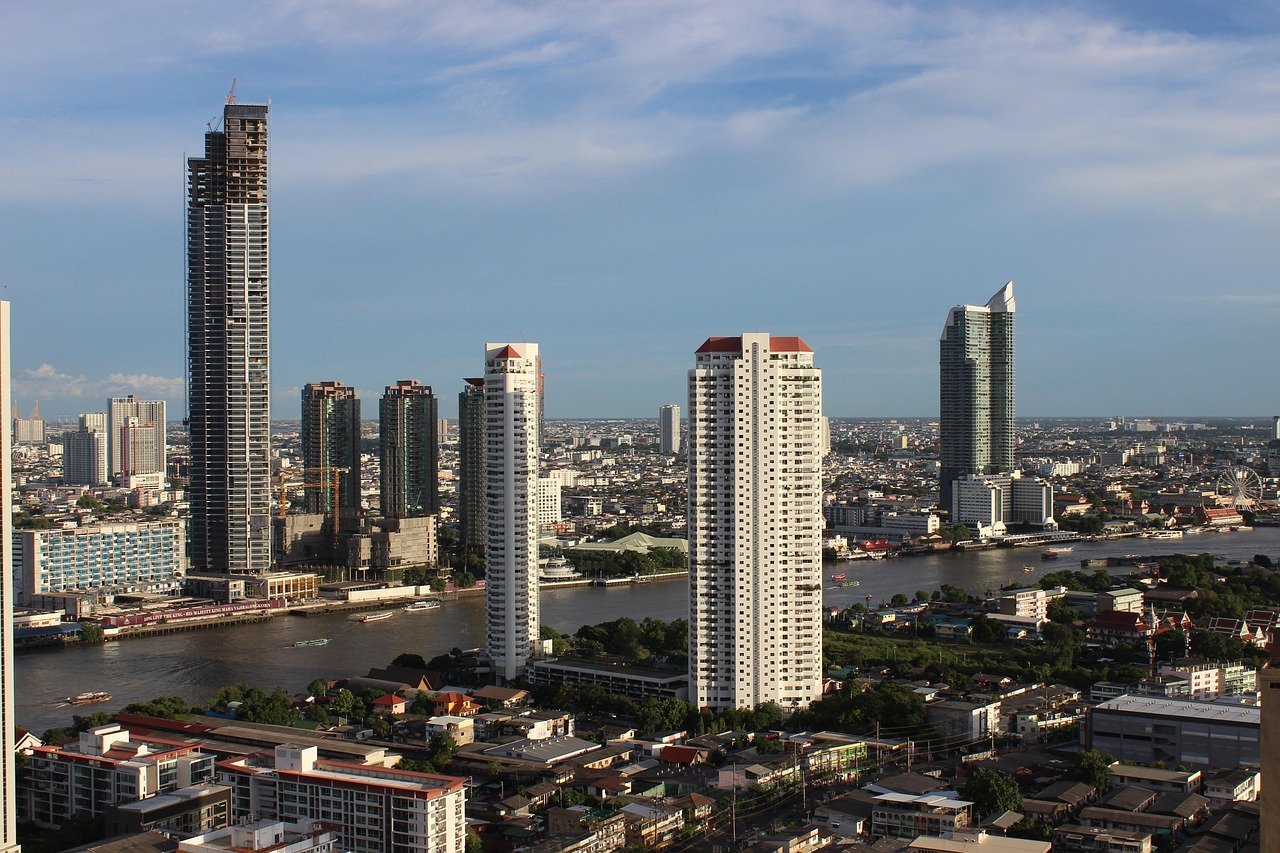
The Chao Phraya — meaning “River of Kings” — has been the lifeblood of central Thailand for over seven centuries. The first major Thai kingdom to control this basin was Ayutthaya, founded in 1350 about 80 kilometres north of modern Bangkok, which used the river as its primary trade artery with China, Japan, Persia, and Europe. When Ayutthaya fell to Burmese invasion in 1767, the surviving royal court moved downstream to Thon Buri, briefly establishing a new capital on the western bank, before King Rama I moved again across the river in 1782 to found Bangkok as the new royal capital on the eastern bank — a decision that made the Chao Phraya Bangkok’s front door for over a century of international trade and diplomacy.
Bangkok was known to early Western visitors as the “Venice of the East” — not for any architectural resemblance but because the city was built on and around a network of canals (klongs) connected to the Chao Phraya, with most commerce, transport, and daily life conducted on water. Nineteenth-century photographs show a riverfront dense with floating markets, teak stilt houses, and trading junks. Rapid modernisation from the 1960s onwards paved most of the klongs into roads, but the river itself remains active and central to Bangkok’s character in ways that the land-bound city plan obscures.
What to See Along the River

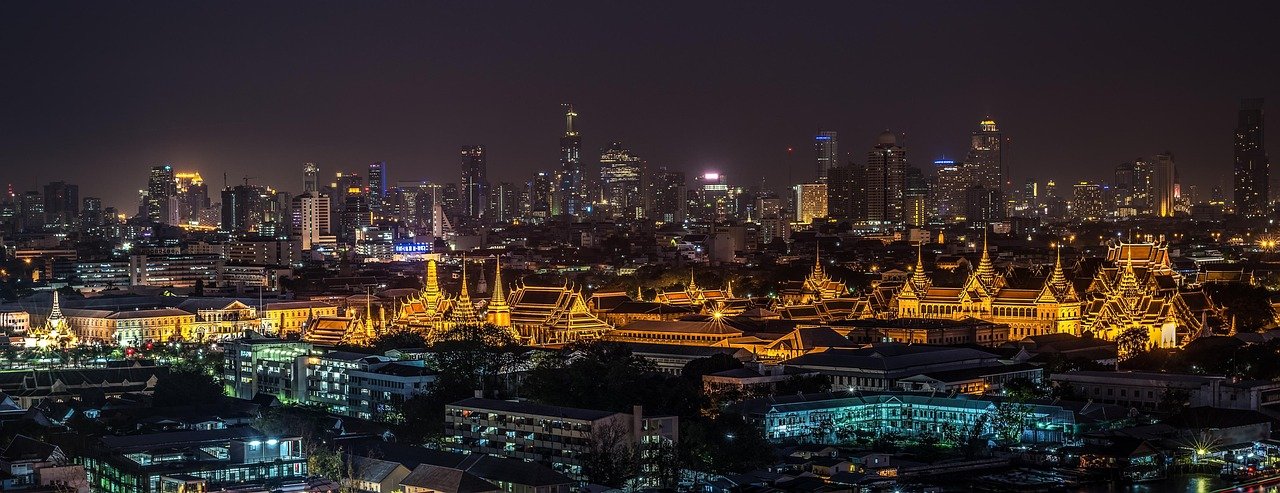
The river is Bangkok’s museum of its own history. Wat Arun (Temple of Dawn), rising from the western bank opposite the Grand Palace complex, is one of Thailand’s most recognisable structures — its central prang studded with porcelain fragments collected from a Chinese cargo ship shimmers and changes colour through the day, most dramatically at dawn (as the name suggests) and at dusk when spotlit against the darkening sky. The Grand Palace and Wat Phra Kaew (Temple of the Emerald Buddha) are five minutes’ walk from Tha Chang pier. Wat Pho, home of the largest reclining Buddha in Bangkok and the original Thai massage school, is equally close.
Further upriver, the backpacker and café district of Banglamphu (Khao San Road and the more interesting Phra Athit Road immediately along the river) offers shade, cold drinks, and the best riverside dining for the price in the city. Downriver, the Chinatown district (reached from Ratchawong pier) spreads back from the riverside into a dense network of gold shops, dried seafood vendors, and some of Bangkok’s best roast duck restaurants. The Asiatique riverside market, open evenings, offers a more polished version of this mercantile energy in a converted early 20th-century port warehouse complex.
How to Use the River
The Chao Phraya Express Boat is the most practical way to use the river for sightseeing. The orange-flag express service runs frequently between Nonthaburi in the north and Sathorn in the south, stopping at 36 piers and costing 15–40 THB depending on distance. The blue-flag tourist boat runs the same southern section from Sathorn to Phra Arthit (Banglamphu), stopping at 11 key tourist piers, for 60 THB one-way or 200 THB all-day. This is more convenient for first-time visitors who want a clear hop-on-hop-off system.
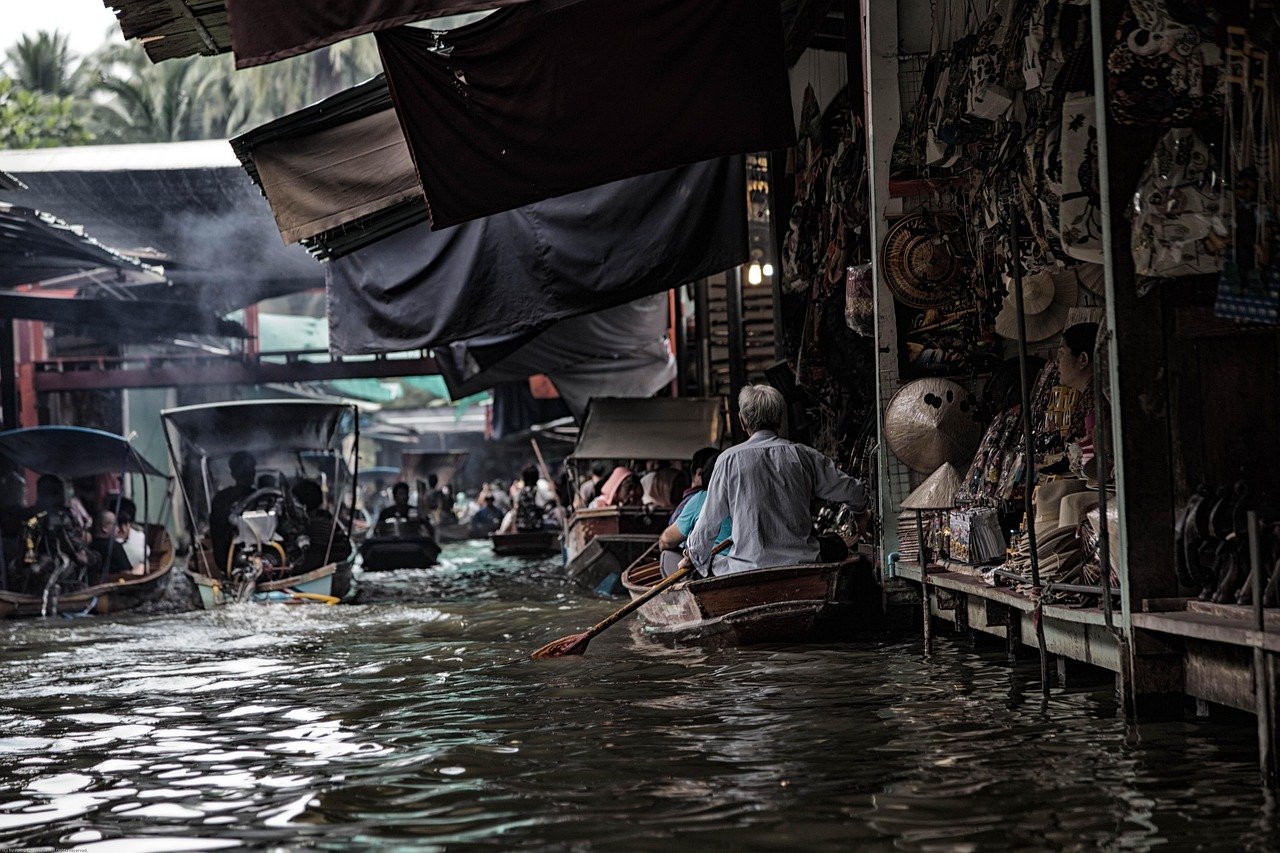
Cross-river ferries operate at many points for 3–5 THB and are one of Bangkok’s cheapest and most charming experiences — wooden boats crammed with monks, students, and market vendors, making the 2-minute crossing that divides the Thon Buri and Bangkok sides of the city. Long-tail boats can be chartered by the hour for private canal tours through the surviving klong network behind Thon Buri, still lined with wooden houses, orchid farms, and traditional temple communities rarely visited by independent tourists. A 1–2 hour private charter costs approximately 1,000–1,500 THB.
Practical Information
- Tickets: Orange-flag express boat 15–40 THB per trip; Blue-flag tourist boat 60 THB one-way, 200 THB all-day pass; Cross-river ferry 3–5 THB; Long-tail charter 1,000–1,500 THB/hr
- Opening hours: Express boats run approx. 06:00–19:00 daily; tourist boat 09:00–20:30 daily (every 30 min)
- Best time to visit: Early morning (06:00–09:00) for golden light, monks on boats, and minimal tourist crowds; late afternoon for sunset from the river
- Duration: 1–2 hrs for a basic river trip; half-day for temple hopping; full day with canal tour
- Booking: No advance booking for public boats; long-tail charters negotiated at any major pier
Local Insights
What locals know that guidebooks don’t always tell you:
- The orange-flag express boat is locals’ transport — cheap, efficient, and gives you the real Bangkok experience. The tourist boat is more convenient but costs 4x more. For Wat Arun and the Grand Palace, the orange flag is perfectly adequate and lands at the same piers.
- Wat Arun is best visited in the late afternoon when the light falls from the west and the porcelain mosaic surface catches the sun perfectly. The rooftop terrace offers one of the best views of the Grand Palace complex and the river.
- The cross-river ferry from Tha Chang pier (next to the Grand Palace) to Tha Tien on the opposite side costs 3 THB and gives you direct access to Wat Arun — far easier than walking to the bridge.
- Long-tail canal tours departing from Tha Chang or Phra Athit piers negotiate for access to the Thon Buri klongs. The standard tourist route takes about 1 hour; ask to include the Royal Barge Museum for an extra 30 THB entry fee.
- Watching the orange-flag express boat boarding is a sport in itself — the boat barely slows at each pier, and regular commuters leap on and off with practiced ease. Tourists are given more time but should have the exact fare ready.
Getting There
- BTS Skytrain: Saphan Taksin station → 3 min walk to Sathorn (Central) Pier — the main tourist boat hub
- MRT: No direct MRT connection to riverside; BTS to Saphan Taksin is the standard route from downtown
- Taxi/Rideshare: Drop off at Sathorn Pier or Tha Chang Pier (Grand Palace area); traffic near the river can be slow — allow extra time
- On foot from Khao San Road: Phra Athit Pier is a 2-min walk from the backpacker district
Frequently asked questions
What is the difference between the tourist boat and the regular express boat?
The tourist boat (blue flag) runs less frequently (every 30 min vs. 15 min for orange flag), costs more, but comes with a recorded audio guide at each stop and staff who can answer questions. The orange-flag express boat is cheaper and faster but has no commentary. For pure sightseeing convenience, the tourist boat; for authentic experience, the orange flag.
Is the Chao Phraya River safe to swim in?
No. The river carries significant industrial and agricultural runoff and is not safe for swimming. Stick to the boats.
Can I take a dinner cruise on the Chao Phraya?
Yes. Several operators run dinner cruises from Asiatique and major riverside hotels. Chao Phraya Princess and Manohra Cruises are among the most reputable. Book in advance, especially for weekend evenings.
What is the best time of day to see Wat Arun from the river?
Sunrise and sunset. At sunrise, the temple’s name (Temple of Dawn) earns its meaning. At sunset, the illuminated spire reflected in the moving river is one of Bangkok’s definitive images. Evening boat rides also catch the illumination of the Grand Palace complex from across the water.
Can I see the floating markets from the Chao Phraya?
The major floating markets (Damnoen Saduak, Amphawa, Taling Chan) are on canal systems not directly accessible from the main river. Separate day trips or organised tours are required for these markets.