
Monkey Mia
The dolphins arrive just as the sun clears the low dunes and strikes the Shark Bay water gold. They come from the open sea, fins breaking the surface in their own unhurried rhythm, and they beach themselves in the shallows near the Monkey Mia shore with the casual confidence of regulars. A park ranger wades in with a bucket of fish. Visitors stand in the water, still, watching. A dolphin raises its head and regards the crowd with a pale blue eye. This daily ritual has been happening at Monkey Mia for over fifty years — and it still feels improbable, almost sacred.
History of Monkey Mia
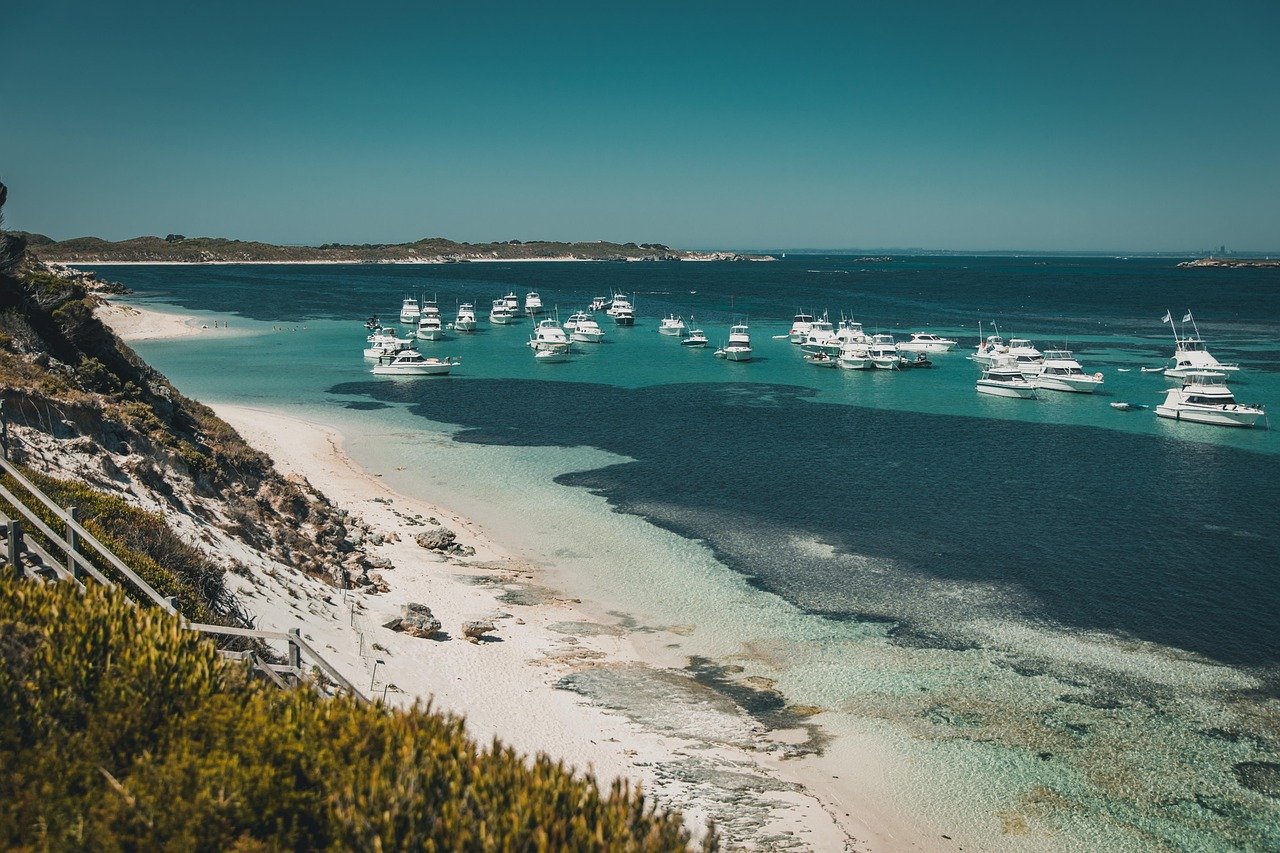
The Indo-Pacific bottlenose dolphins of Monkey Mia first began regularly approaching humans in the 1960s, when local fishermen and their families began hand-feeding them scraps from their boats. The dolphin interactions gradually became more structured as the site grew famous, but the feeding process was poorly managed for years, leading to health problems in the dolphin pod as juveniles relied on handouts rather than learning to hunt. A scientific management program introduced in the 1980s and refined since then limits daily supplemental feeding to a maximum of about a third of each individual dolphin’s daily caloric needs, ensuring they remain wild and skilled hunters.
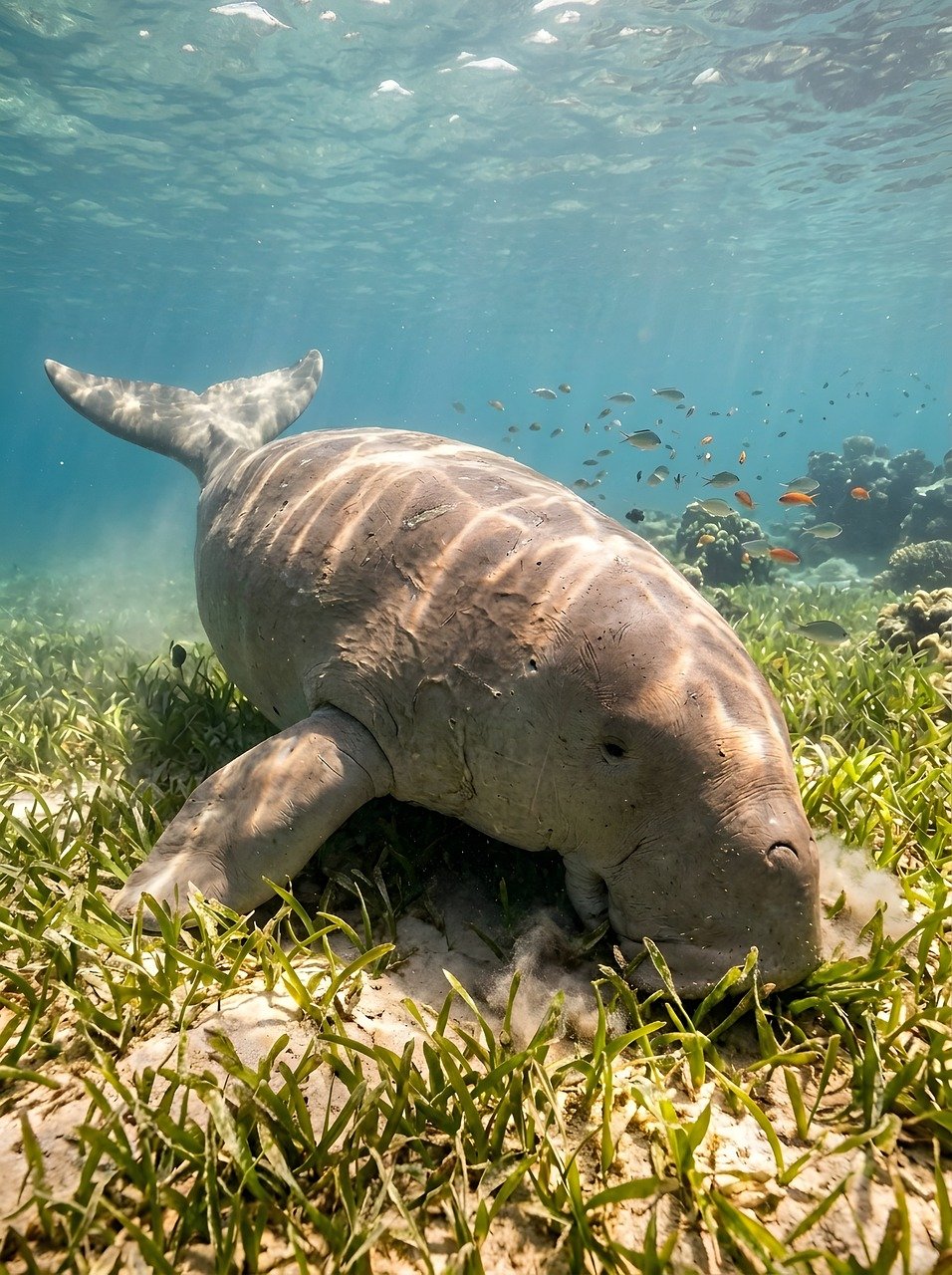
Today the Monkey Mia dolphin experience is managed by the Western Australian Department of Biodiversity, Conservation and Attractions as part of the Shark Bay World Heritage Area — a UNESCO site since 1991 recognised for its exceptional biological diversity, including the largest seagrass beds in the world (home to around 10,000 dugongs), stromatolites (living rock formations that are among the oldest life forms on Earth), and the extraordinarily productive Shark Bay marine ecosystem. Monkey Mia is the most visitor-accessible part of this extraordinary reserve.
What to See and Do
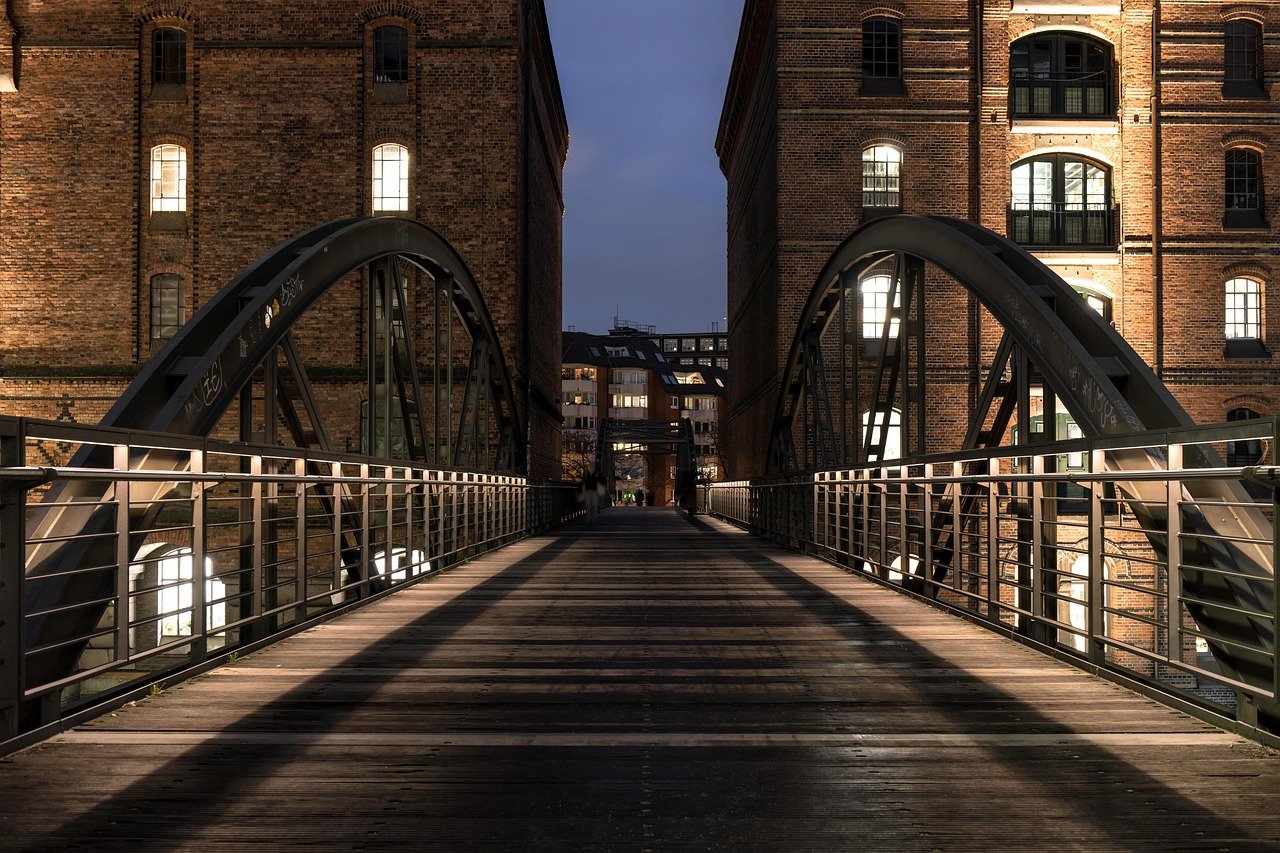
The dolphin interaction is the primary reason most visitors make the 850-kilometre drive from Perth, but Monkey Mia offers considerably more. The Shotover catamaran cruise into Shark Bay covers dugong habitat, where these massive, slow-moving marine mammals graze on seagrass in water shallow enough for good viewing from the boat. Turtles, rays, sharks, and dolphins are regularly sighted on these cruises. The sunset cruise is particularly atmospheric on calm evenings.
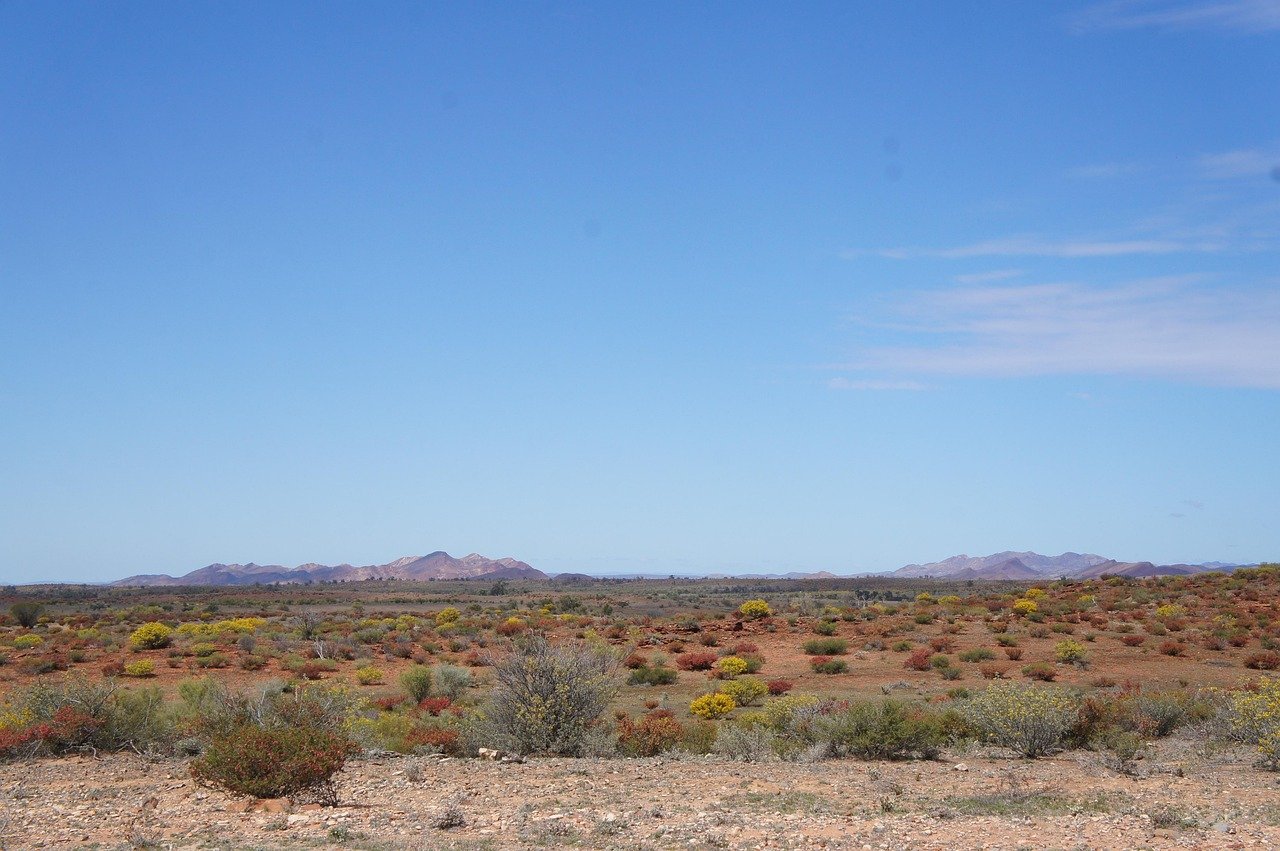
The surrounding Shark Bay region includes the stromatolites at Hamelin Pool — ancient living rock formations created by microbial mats that are some of the oldest visible life forms on Earth, dating back 3.5 billion years. Francois Peron National Park offers 4WD tracks through red desert country to isolated beaches and tidal flats. Shell Beach, just over an hour’s drive south, is a beach composed entirely of tiny coquina shells piled metres deep — another of Shark Bay’s remarkable natural peculiarities.
The Dolphin Experience
Up to three dolphin interaction sessions occur each morning between approximately 07:45 and 12:00, with the exact timing and number of sessions determined by the dolphins themselves — they come when they choose, and the rangers fish-feed only what the individual animals require. Visitors are briefed by rangers before each session on appropriate behaviour: stay in line, don’t reach out to touch the dolphins, keep noise low. Rangers select a small number of visitors to hand-feed each session.
The named members of the resident pod — currently including Nicky, Puck, and Surprise among others — have been studied by dolphin researchers for decades, providing one of the longest continuous datasets on wild dolphin behaviour and social structure in the world. The dolphins show clear individual personalities, recognise regular visitors and staff, and have complex social relationships within the pod. Watching these interactions, even from the shore, offers a sense of genuine connection with a wild species that is rare in any wildlife encounter anywhere in the world.
Practical Information
- Tickets: Daily conservation fee applies (approx. AUD 15 per person per day for the Monkey Mia Conservation Park, separate from standard national park passes). Cruise tours from AUD 45–90 additional.
- Opening hours: Dolphin interaction sessions approx. 07:45–12:00 daily; arrive by 07:30 for the first session
- Best time to visit: April–October for most comfortable temperatures; early morning is essential for dolphin interactions
- Duration: 2–3 hrs for dolphin experience; full day or overnight recommended to include cruises and surrounding area
- Booking: No advance booking for dolphin viewing; cruises can be booked at the resort or online
Local Insights
What locals know that guidebooks don’t always tell you:
- Arrive at the beach by 07:30 at the latest. The first dolphin session is often the best — the water is glassy, the light is golden, and the dolphins are freshly motivated after a night of independent hunting.
- The Monkey Mia conservation fee is separate from the standard WA national parks pass — check with staff on arrival to confirm what you need to pay.
- Visitor numbers are limited during sessions to protect the dolphin experience. On busy periods (school holidays), arriving late risks missing the interaction entirely.
- The dolphins are fully wild and may decide not to come on any given morning — this is rare but possible. If it happens, the wildlife cruise into Shark Bay is genuinely excellent consolation.
- Hamelin Pool stromatolites, about 100 km south, are often skipped by day-trippers who don’t understand what they are. Standing next to a living structure that looks like rock but is actually an active microbial community 3.5 billion years old is genuinely mind-altering.
Getting There
- By car: 850 km north of Perth via North West Coastal Highway; the Shark Bay road turns west at Overlander Roadhouse and runs 130 km to Monkey Mia (1.5 hr from highway). Paved road, standard vehicle suitable.
- Nearest town: Denham (26 km south) has fuel, accommodation, and basic supplies
- By air: Shark Bay Airport at Denham has limited scheduled flights from Perth; fly-drive packages available
- Tours from Perth: Several Perth tour operators offer 3–4 day Shark Bay driving tours including Monkey Mia
Frequently asked questions
Is the dolphin interaction guaranteed?
No interaction with wild animals is ever guaranteed — the dolphins come entirely of their own free choice. However, the Monkey Mia pod has visited the beach on the vast majority of mornings for decades, and a complete no-show is extremely rare.
Can I touch the dolphins?
Only the rangers and specifically selected visitors hand-feeding during the managed sessions make physical contact with the dolphins. General visitors remain in the water nearby but do not touch the animals. This is enforced for the dolphins’ wellbeing.
Is Monkey Mia suitable for children?
Absolutely. Dolphin interactions are particularly memorable for children, and rangers involve children in the educational briefings. The water at the interaction site is shallow and calm. Children should follow all ranger instructions carefully.
What else is there to do in the Shark Bay area?
Shell Beach (composed entirely of tiny shells), Hamelin Pool stromatolites, Francois Peron National Park (4WD required for most tracks), and excellent fishing and kayaking opportunities throughout the bay.
Can I swim with the dolphins at Monkey Mia?
Swimming is permitted in designated areas of the bay, and dolphins occasionally swim past, but unguided “swim with dolphin” sessions are not offered at Monkey Mia. Guided snorkel and wildlife cruises offer the best chance of in-water dolphin encounters.