
Australian War Memorial
Rising from a promontory at the foot of Anzac Parade in Canberra, the Australian War Memorial is one of the most visited and emotionally powerful sites in Australia. The building itself is magnificent — a Byzantine-influenced sandstone structure crowned by an octagonal copper dome — but it is the stories within that stop visitors in their tracks. This is not merely a museum; it is a national shrine, a roll call of sacrifice, and a living record of the courage that has shaped the Australian identity.
History of the Australian War Memorial
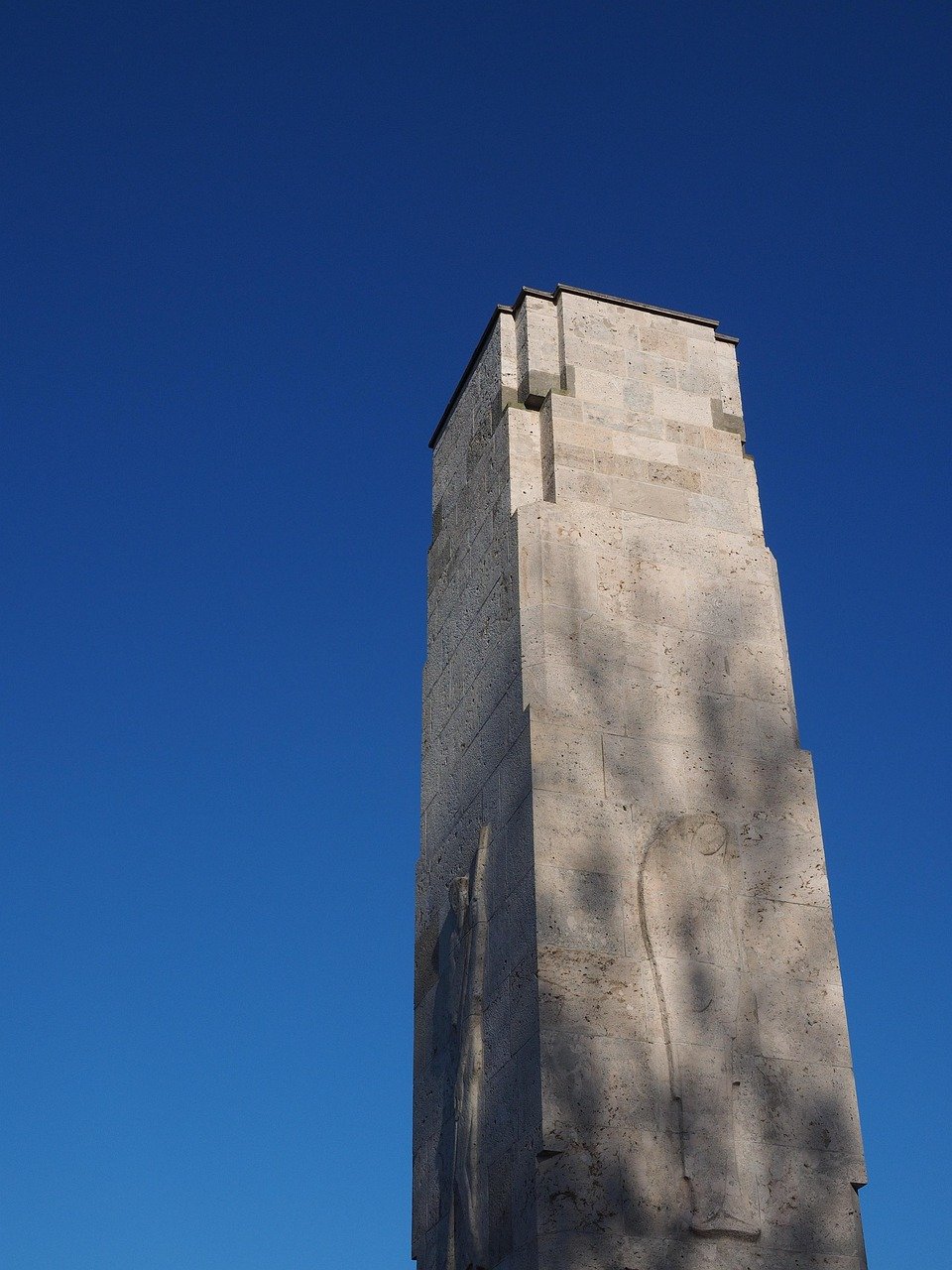
The idea for a national war memorial was first proposed during World War I, championed by Charles Bean — Australia’s official war correspondent who walked the battlefields of Gallipoli and the Western Front. Bean believed Australia’s wartime story deserved a permanent home, and he devoted decades to making it a reality. The Memorial was designed by architects Emil Sodersten and John Crust, who won an international competition in 1927. Construction began in 1937 and the Memorial officially opened on 11 November 1941 — Armistice Day — with Prime Minister John Curtin overseeing the ceremony.
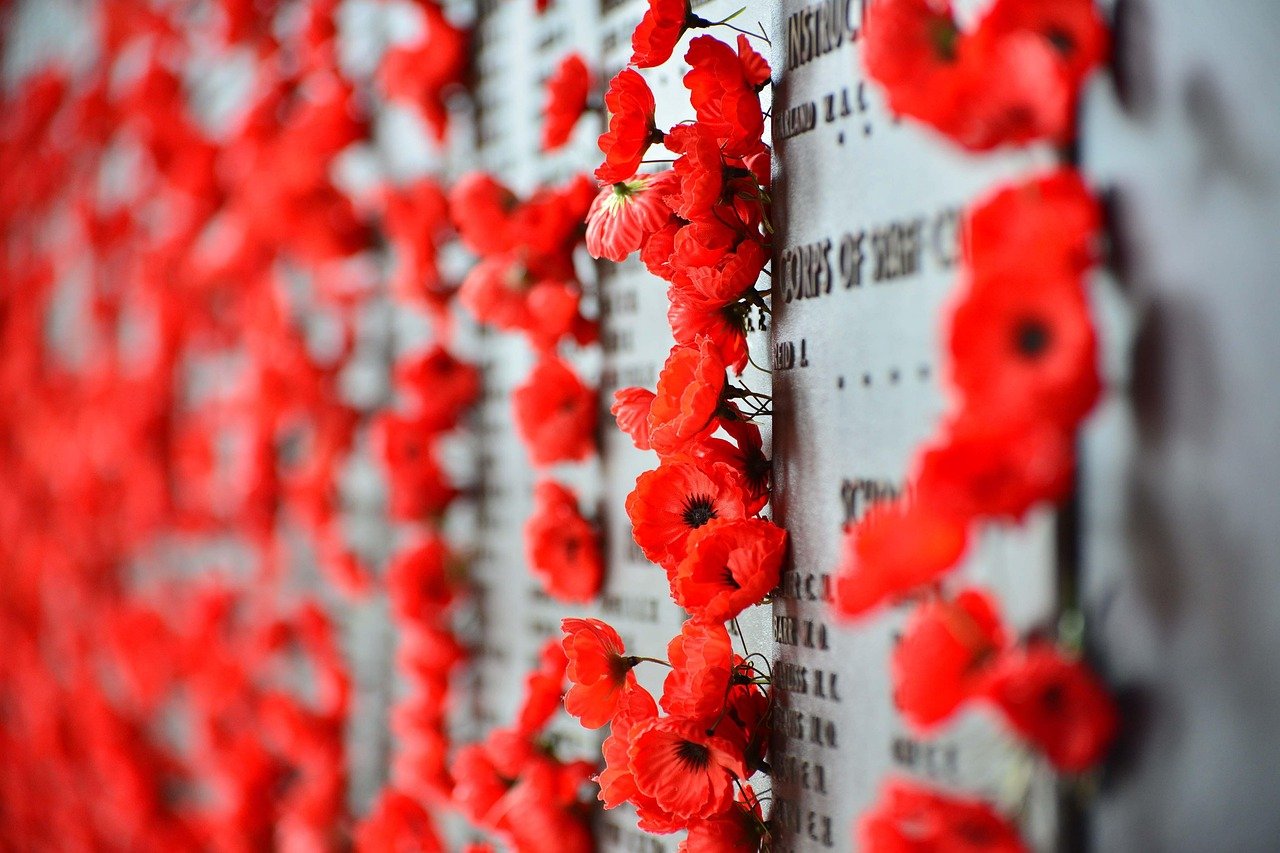
Since opening, the Memorial has grown dramatically, adding galleries dedicated to World War II, Korea, Vietnam, and more recent conflicts in Iraq and Afghanistan. The Roll of Honour — a series of bronze panels lining the commemorative courtyard — bears the names of over 102,000 Australians who have died in war. Each dawn, a Last Post ceremony is held to honour a specific individual, connecting the abstract roll call of names to real people and real stories. Over four million people visit each year, making it Australia’s most visited national institution.
What to See

The Memorial’s galleries cover conflicts from the Boer War through to recent operations in the Middle East. The Anzac Hall — a soaring space designed to house large-format exhibits — contains some of the world’s finest preserved military hardware, including a Lancaster bomber that flew 90 missions over occupied Europe, a Japanese midget submarine captured at Sydney Harbour in 1942, and a Gulf War-era fighter jet. Interactive displays allow visitors to experience the sensory reality of combat through immersive soundscapes and personal testimonies.
The World War I galleries are among the most affecting, with dioramas recreating the mud and horror of the Western Front alongside personal diaries, letters home, and battlefield relics. The Anzac Commemorative Area at the heart of the building — beneath the great dome — contains the Tomb of the Unknown Australian Soldier, interred here in 1993. Surrounding cloisters display stained glass windows and sculptural works that guide visitors through the emotional arc of Australia at war. The Memorial’s research centre also holds an extraordinary collection of photographs, film footage, and personal documents available to the public.
The Roll of Honour and Remembrance
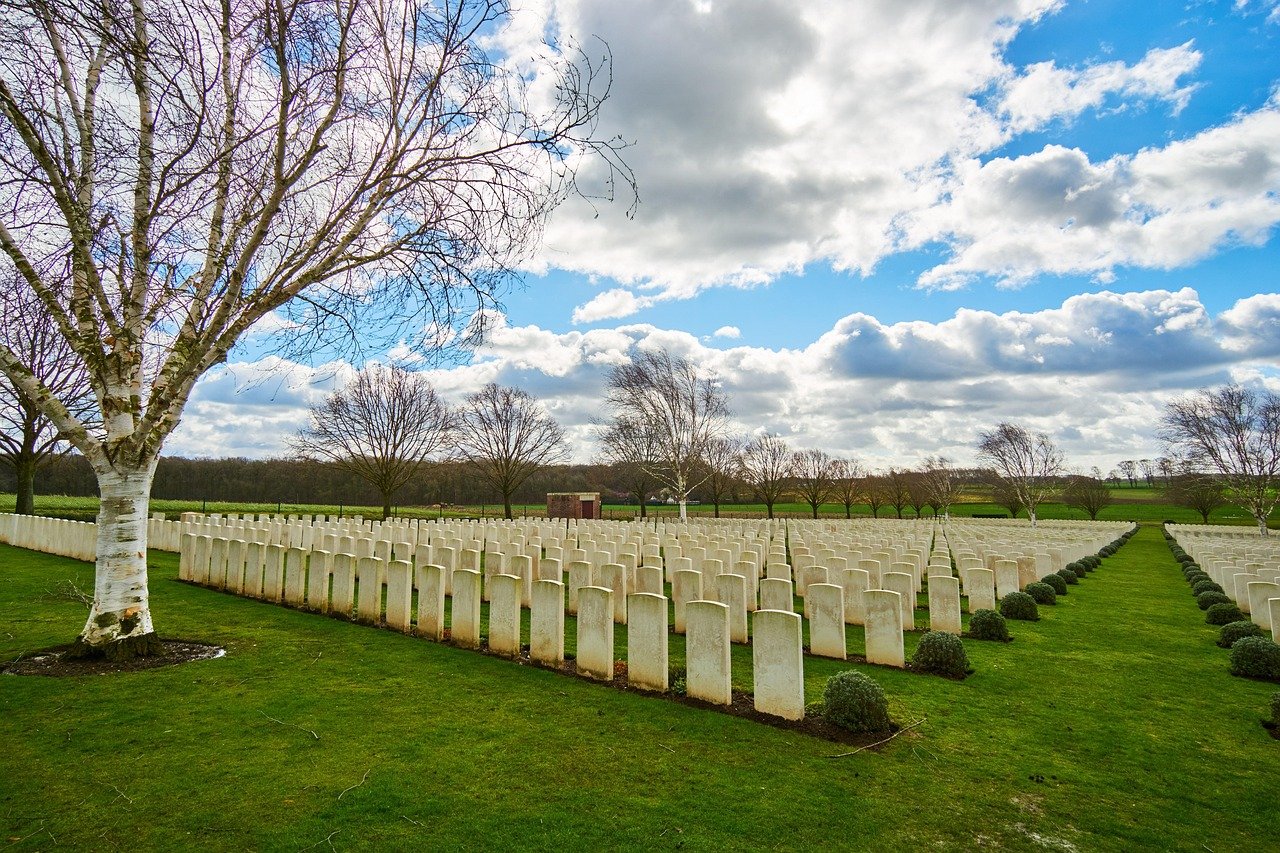
The Roll of Honour is perhaps the most moving element of the entire site. Bronze panels stretch the length of the commemorative courtyard, each name individually cut into the metal — over 102,000 of them. Visitors place red poppies into the crevices beside names they recognise, creating a living mosaic of remembrance that changes daily. The practice began spontaneously among visitors and has become an unofficial ritual the Memorial now actively encourages.
The Last Post Ceremony, held each evening at 4:55pm, focuses on the story of one named individual from the Roll of Honour — typically a soldier, sailor, or airperson whose life is briefly sketched before the bugle call. The ceremony rarely lasts more than ten minutes, but its quiet intimacy consistently moves even the most stoic visitors to tears. It is one of the most respectful and genuinely affecting public ceremonies in Australia, and attending it is strongly recommended as a fitting conclusion to any visit.
Practical Information
- Tickets: Free entry to the main Memorial galleries. Charges apply for some special exhibitions.
- Opening hours: Open daily 10am–5pm. Closed Christmas Day. Last Post Ceremony at 4:55pm daily.
- Best time to visit: Weekday mornings are quietest. Anzac Day (25 April) draws massive crowds but is a uniquely powerful experience.
- Duration: 2–4 hours for a thorough visit; allow a full day if using the research centre.
- Booking: No booking required for general admission. Special tours can be booked via the Memorial website.
Local Insights
What locals know that guidebooks don’t always tell you:
- The Last Post Ceremony at 4:55pm is free and deeply moving — don’t miss it. Arrive 10 minutes early to find a good viewing position in the courtyard.
- The Memorial’s café is adequate but unremarkable — the lakeside cafes near the National Library a short drive away offer much better food and coffee.
- Ask a guide about the “secret” displays in the research annexe — there are artefacts not on public display that staff will sometimes show visitors with a genuine interest in history.
- The view back down Anzac Parade from the Memorial’s front steps — framed by the lake and Parliament House — is one of Canberra’s great urban vistas and a perfect photo opportunity.
- Free guided tours depart from the main entrance at 10am, 11am, 1pm, and 2pm daily — these are excellent and offer personal anecdotes that the display panels alone don’t capture.
Getting There
- By bus: ACTION buses serve the Memorial from Canberra city centre. Routes 3 and 8 stop nearby.
- By car: Ample free parking on Treloar Crescent directly outside the Memorial.
- On foot: A 25-minute walk from Canberra CBD along the ceremonial Anzac Parade — a pleasant route lined with memorials.
- Taxi/Rideshare: Drop-off at the main entrance on Treloar Crescent, Campbell.
Frequently asked questions
Is entry to the Australian War Memorial free?
Yes, general admission to the Memorial’s permanent galleries is free of charge. Some temporary or travelling exhibitions may carry a ticket price — check the Memorial website before visiting.
Can children visit the Australian War Memorial?
Absolutely — the Memorial actively encourages family visits and has education programs designed for school groups. Some exhibits deal with graphic historical content, so parents may wish to guide younger children through certain galleries.
Is the Memorial accessible for wheelchairs?
Yes, the Memorial is fully accessible. Wheelchair hire is available at the main entrance free of charge. Accessible parking bays are available on Treloar Crescent.
Can I take photos inside the Memorial?
Photography is permitted in most areas for personal, non-commercial use. Flash photography and tripods are not allowed in gallery spaces. The commemorative courtyard and exterior are freely photographed.
What else is near the Australian War Memorial?
Anzac Parade leads directly from the Memorial toward Lake Burley Griffin, passing numerous smaller memorials dedicated to specific conflicts and units. The National Gallery of Australia and the National Library are a short drive along the lake shore.