
Whitehaven Beach
From the Hill Inlet lookout, the view stops you mid-sentence. The sand below is not simply white — it is almost luminous, a silica-pure beach curving for seven kilometres along Whitsunday Island’s eastern shore, with turquoise water swirling into it from every angle, the channels constantly shifting the boundary between sand and sea into patterns that look drawn rather than natural. This is Whitehaven Beach: consistently ranked among the world’s most beautiful beaches, and rarely failing to justify the claim.
History of Whitehaven Beach
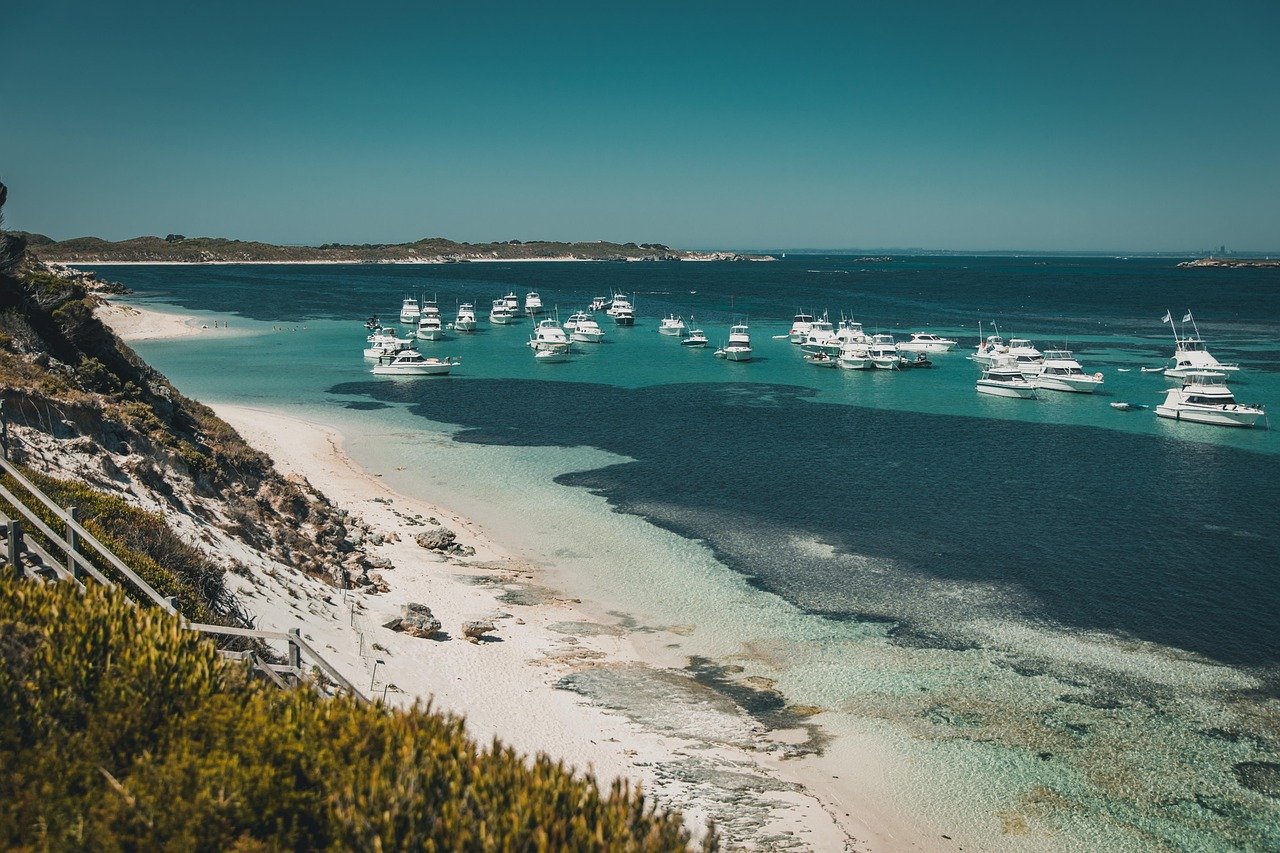
Whitehaven Beach sits on Whitsunday Island — the largest of the 74 islands that make up the Whitsunday group, named by Captain James Cook when he sailed through the passage on Whit Sunday, June 3, 1770. Cook noted the islands’ beauty in his journals but was preoccupied with navigating the Great Barrier Reef, which had nearly wrecked him weeks earlier. The beach itself remained largely unknown to outsiders for most of Australian history — accessible only by boat, over 30 kilometres from the mainland at Airlie Beach, and lacking any permanent settlement or development.
The sand’s extraordinary quality is its defining characteristic: 98% pure silica, one of the highest concentrations found in any beach in the world. This purity gives the sand its brilliant whiteness, its cool temperature even in the midday heat (silica does not absorb heat the way regular sand does), and its squeaking quality underfoot. The beach and its surrounding waters are protected within the Whitsunday National Park, and strict regulations prevent any permanent development on the island. This remoteness — no roads, no shops, no hotels — is precisely what makes Whitehaven so exceptional.
What to See and Do
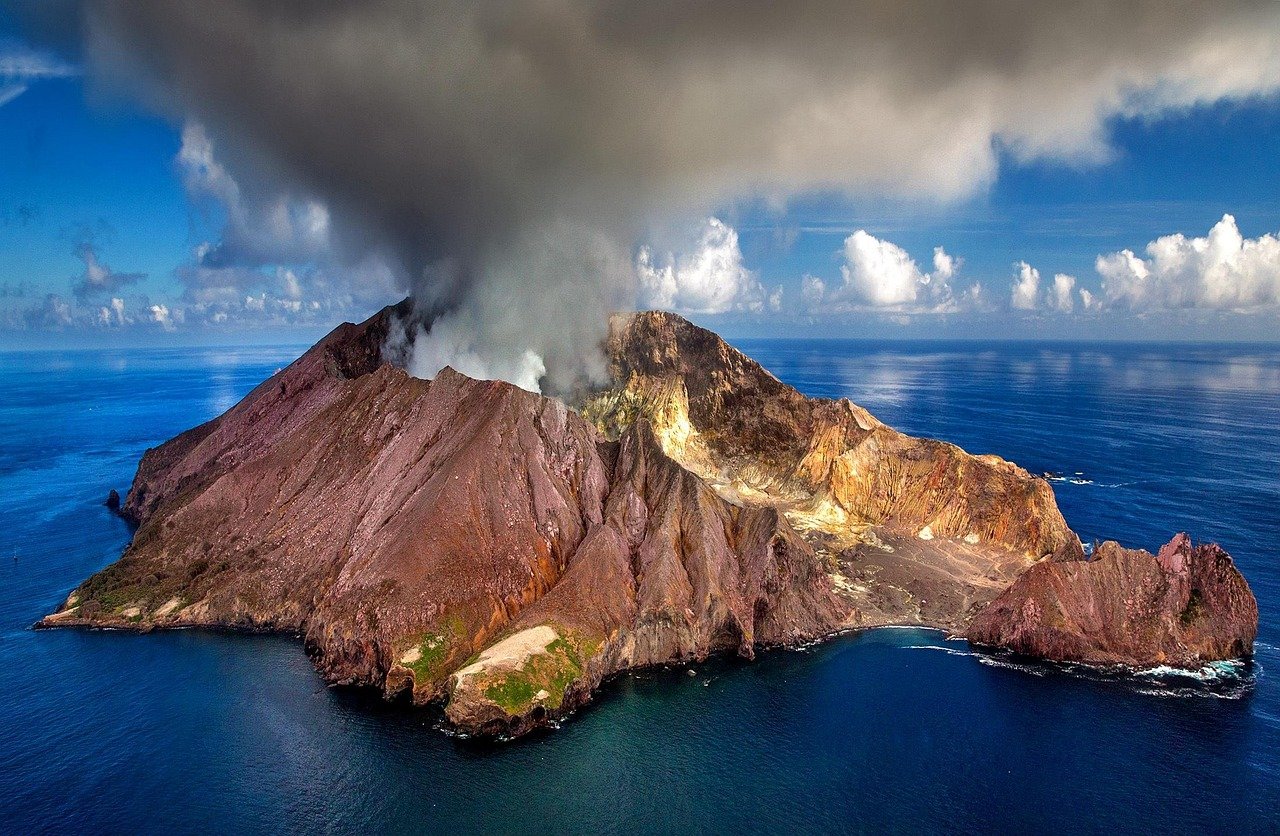
Most visitors arrive on day tours from Airlie Beach (by motorised catamaran, sailing boat, or speedboat) or from Hamilton Island, Hayman Island, or Daydream Island. The standard day tour stops at Hill Inlet lookout — reached by a 20-minute walk through national park bushland from Tongue Beach at the northern end of the beach — before moving south to the main stretch of Whitehaven for beach time, swimming, and snorkelling. The Hill Inlet view is the essential photograph: the swirling marble-effect meeting of sand and water visible only from above.
The water at Whitehaven is crystal-clear and generally calm, excellent for swimming. Snorkelling is possible off the beach, though the best coral of the Whitsundays is found at fringing reef sites nearby rather than directly at Whitehaven itself. Tours typically include at least one snorkel stop at a reef site. Camping is permitted at designated sites near Tongue Bay for those with permits — an overnight stay transforms the experience entirely, with sunrise and sunset on the beach and the night sky unobstructed by any light pollution.
The Silica Sand
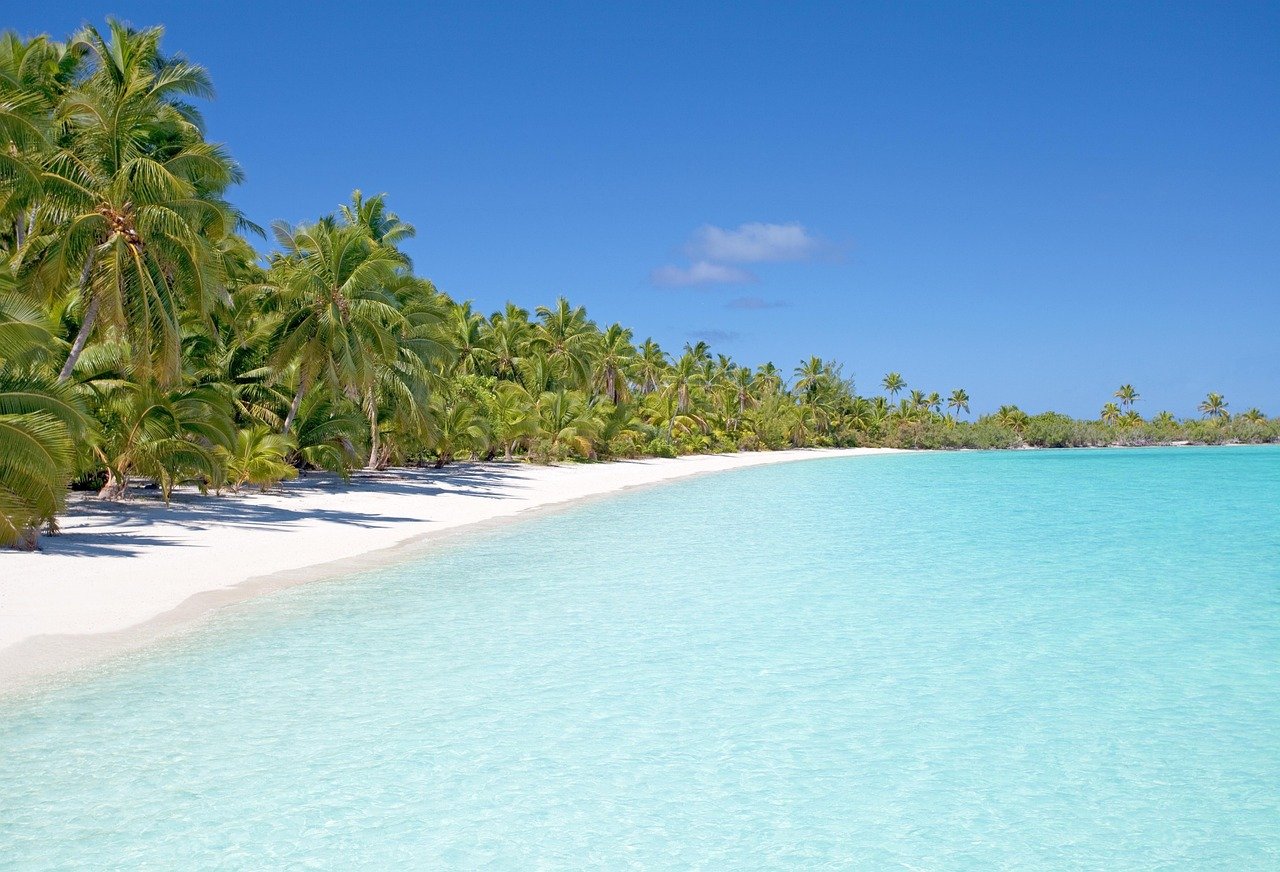
The 98% silica purity of Whitehaven’s sand makes it scientifically extraordinary as well as visually striking. Standard beach sand is typically 80–85% silica, with the rest being mineral fragments, shell material, and coral debris. At Whitehaven, the high silica content is the result of millions of years of weathering and sorting — the heavier mineral particles have been washed away by currents and tides, leaving an almost pure silicate residue. This also explains why the sand does not stick to sunscreen or wet skin in the way regular beach sand does.
The colour of the water at Whitehaven ranges from the palest aquamarine in the shallows to a deep sapphire offshore — the result of the sand’s reflective quality combined with the exceptionally clear water. Hill Inlet at the northern end displays the most dramatic swirling patterns, where tidal flows move silica sand around the inlet mouth twice daily, creating ever-changing marble-effect formations visible from the lookout. The patterns are different every visit, depending on the tidal state and recent weather.
Practical Information
- Tickets: Day tours from AUD 120–250+ per person depending on boat type and inclusions; camping permits via Queensland National Parks online booking
- Opening hours: No entry restrictions; beach accessible at all times. Tours typically depart Airlie Beach 08:00–09:00, return 17:00–18:00.
- Best time to visit: May–October (dry season) for calm seas, minimal jellyfish risk, and best visibility; September–October for optimal conditions
- Duration: Day tour 7–9 hrs including boat travel; overnight camping extends to 1–2 nights
- Booking: Book tours in advance especially June–September. Camping permits must be booked via Queensland National Parks website (parks.des.qld.gov.au).
Local Insights
What locals know that guidebooks don’t always tell you:
- The Hill Inlet lookout photograph is best taken mid-morning when the tide creates the most dramatic swirling patterns and the sun is high enough to illuminate the sand fully. Early morning tours (depart Airlie Beach 08:00) reach Hill Inlet before the large catamarans.
- Chloasma (a skin discolouration condition) can be triggered or worsened by the combination of sunscreen and UV exposure at this latitude — apply reef-safe sunscreen and cover up rather than relying on chemical sunscreens alone.
- Stinger season (November–April) requires stinger suits when swimming. Most day tours provide them — confirm before booking if this is important to you.
- Smaller speedboat tours (Ocean Rafting, etc.) reach Hill Inlet faster than large catamarans and spend more time at the beach, but are rougher on choppy days. Sailing tours are more comfortable and atmospheric if speed is not a priority.
- The south end of Whitehaven Beach, reached only by tours that moor there, is quieter than the main central section — worth asking operators if they stop at the southern end.
Getting There
- From Airlie Beach: Day tour boats depart from Coral Sea Marina, Airlie Beach. Airlie Beach is 1,140 km north of Brisbane (1.5 hr flight to Whitsunday Coast Airport at Proserpine, then 30 min shuttle)
- From Hamilton Island: Charter boats and day tours run directly to Whitehaven from Hamilton Island marina
- By seaplane or helicopter: Scenic flights operate from Airlie Beach, Proserpine, and Hamilton Island — the aerial view of Hill Inlet is extraordinary
- By private yacht: The Whitsunday passage is one of Australia’s premier sailing destinations; charter a yacht from Airlie Beach for independent island access
Frequently asked questions
Can I get to Whitehaven Beach without a tour?
Without a private boat or charter, no. There is no public ferry service to Whitsunday Island. Day tours from Airlie Beach or Hamilton Island are the standard access method for most visitors.
Is the sand really cool to touch even in summer?
Yes. The 98% silica purity means the sand does not absorb and retain heat the way mineral-heavy sand does. You can walk barefoot on Whitehaven’s sand in the midday summer heat without discomfort — a genuinely remarkable physical property.
Are there facilities at the beach?
Minimal. Composting toilets and picnic tables near the Tongue Bay camping area. No cafes, shops, or freshwater showers. Tours provide food, drinks, and snorkelling gear.
Is it safe to swim at Whitehaven Beach?
Generally yes, though stinger (jellyfish) suits are recommended November–April. There are no lifeguards — follow your tour guide’s advice on safe swimming areas and conditions.
Can I camp at Whitehaven Beach?
Yes. Designated camping areas are available at Tongue Bay. Permits must be booked in advance through the Queensland National Parks website. Campers must be entirely self-sufficient — bring all food, water, and equipment.