
Penguin Parade
As the last light drains from the sky over Summerland Beach on Phillip Island, the wave breaks and from it emerges a procession that stops conversation dead: dozens, then hundreds, of little penguins — the smallest penguin species in the world — waddling up the sand from the sea in tight, purposeful groups, heading for their burrows in the dunes above. They are only 33 centimetres tall, round-bellied, blue-black above and white below, and they move with an ungainly, determined dignity that is completely irresistible. The Penguin Parade has run every single evening for as long as anyone can remember, never once missing a night, and no amount of preparation entirely prepares you for how affecting it is.
History of the Penguin Parade

Little penguins (Eudyptula minor) — also called fairy penguins or little blue penguins — have nested on Phillip Island’s Summerland Peninsula for thousands of years. The indigenous Bunurong people, who inhabited Phillip Island’s shores for at least 5,000 years before European contact, knew the penguins well and incorporated them into their relationship with the local coastline. European settlers arrived in the early nineteenth century and immediately began the destruction that would characterise the next century of Phillip Island’s history: land was cleared for farming, exotic animals were introduced, and the penguin population — once numbering in the hundreds of thousands — declined catastrophically.
Organised public viewing of the evening penguin return began informally in the 1920s, when local residents and day-trippers from Melbourne started gathering on Summerland Beach at dusk to watch the nightly spectacle. In 1985 the Phillip Island Nature Park (then the Penguin Reserve) was formally established and the amateur spectacle was professionalised: wooden viewing stands were built, research programmes were launched, fencing was installed to allow rehabilitation of penguin habitat, and public access was carefully managed. Most significantly, the houses and farms on the Summerland Peninsula were progressively bought out by the government and demolished, returning the land to penguin habitat. Today the colony numbers approximately 40,000 birds — still far below its historical peak, but recovering.
What to See
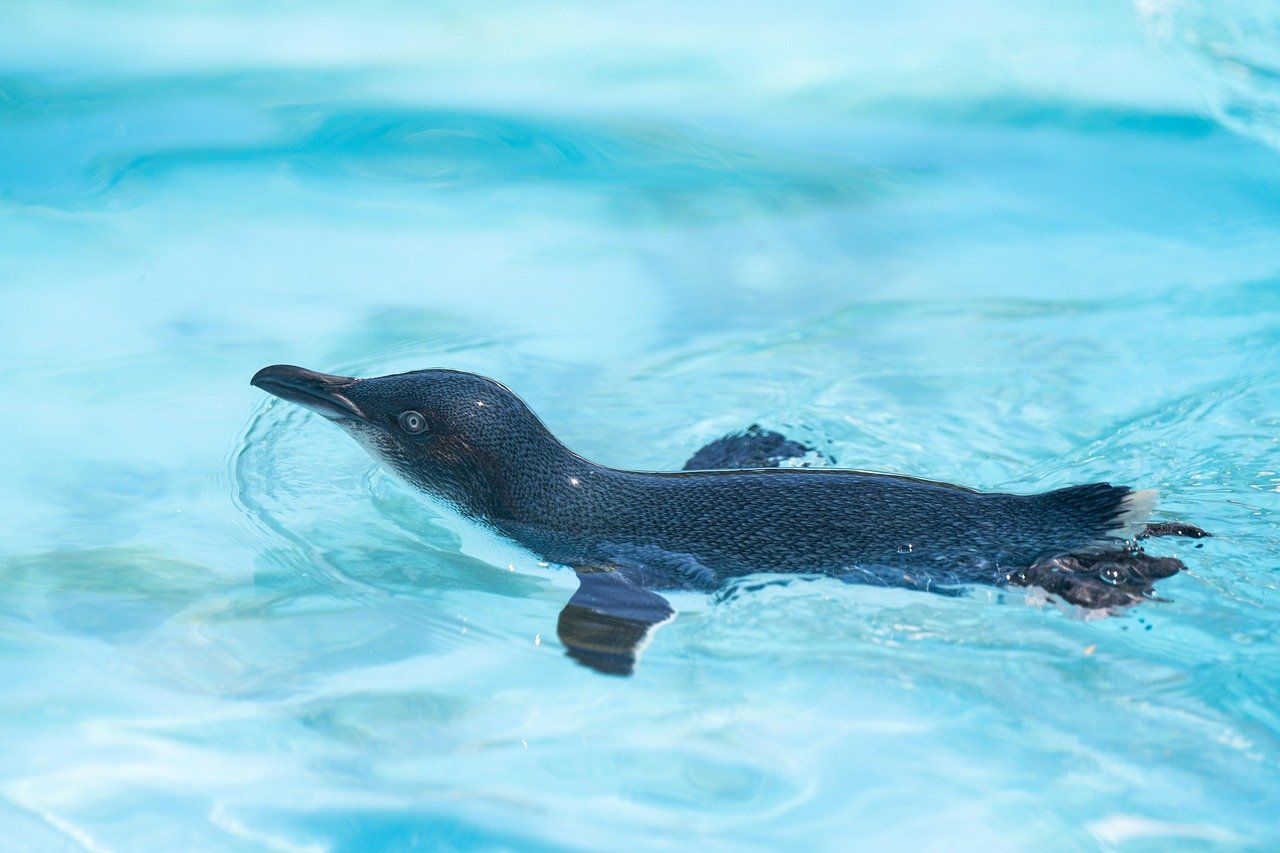
The Parade itself is the core experience: as the sun sets, small groups of penguins that have spent the day fishing at sea swim to shore and emerge from the water together, calling to each other in a continuous high-pitched braying as they navigate the beach and find their way up through the dunes to their burrows. Multiple viewing options are offered, ranging from the standard grandstand (basic elevated seating on the beach) to the premium Underground Viewing platform (positioned level with the penguins as they pass overhead on a clear perspex walkway) and the intimate Penguin Plus experience (a small group positioned beside the beach for a close-range view). The Rangers’ Guided Ranger Tour provides expert commentary on penguin behaviour and conservation as the parade unfolds.
The viewing area includes a boardwalk network through the dune habitat where penguins can be observed entering their burrows, calling to mates, and feeding chicks (during the September to February breeding season). The Visitor Centre before the parade is worth spending time in: it provides context on the colony’s ecology, the conservation challenges facing little penguins across southern Australia (including dog attacks, plastic pollution, and sea temperature change), and the research programme that has made the Phillip Island colony one of the most comprehensively studied penguin populations in the world.
The Science of the Smallest Penguin
The Phillip Island Penguin Reserve operates one of the world’s longest-running wildlife research programmes, with individual birds tracked through microchip implants and weigh bridges installed in burrow entrances that automatically record each penguin’s weight and the time of their return every night. The dataset stretches back decades and has yielded remarkable insights into penguin ecology: researchers can track the impact of ocean warming events on foraging success by measuring weight loss during periods when fish stocks shift south; they can follow individual birds across their entire lifespan (little penguins can live up to 25 years); and they can quantify the effect of conservation interventions with rare precision.
One of the most surprising findings from the research has been the scale and duration of little penguin foraging trips. Birds tracked with GPS have been recorded swimming more than 100 kilometres from the island in a single day, diving repeatedly to depths of 50 metres in pursuit of anchovies and pilchards. A penguin returning to Summerland Beach at the end of the Parade has already swum all day, dived hundreds of times, caught dozens of fish, and navigated back to the same beach it left from at dawn with magnetic compass accuracy. The waddling creature emerging from the surf in the fading light carries more extraordinary biology than its comical appearance suggests.
Practical Information
- Tickets: General Viewing adults AUD 33.30; Penguin Plus AUD 79.50; Underground Viewing AUD 60.40; Ranger Guided Tour AUD 80–100; prices vary by season
- Opening hours: Parade time varies daily with sunset — check the Penguin Parade website for exact tonight’s timing; gates open approximately 2 hours before parade
- Best time to visit: October to February for breeding season with chicks visible; January and February for maximum penguin numbers returning to feed chicks
- Duration: 2–3 hours on-site including Visitor Centre and parade; 3–4 hours if combining with the boardwalk dune walk after parade
- Booking: Online booking essential; premium experiences sell out weeks ahead in summer; book at least a week in advance for any visit
Local Insights
What locals know that guidebooks don’t always tell you:
- Photography with flash is strictly prohibited — it disorients the penguins — and staff enforce this rigorously. The viewing area is too dark for smartphone cameras without flash; bring this expectation rather than a camera.
- Dress warmly regardless of the daytime temperature: Phillip Island after dark can be bitterly cold even in summer, and standing still on a beach in a southern ocean wind requires a proper jacket.
- The Penguin Plus experience places you within arm’s reach of penguins on the beach — it is categorically different from the standard grandstand and worth the premium for families with children or photographers who want maximum proximity.
- Combine the Penguin Parade with the nearby Nobbies Centre and Seal Rocks — a boardwalk above Australia’s largest Australian fur seal colony (around 20,000 animals on the offshore rocks) that is stunning and completely free.
- The penguins don’t wait for the scheduled “parade start time” — early arrivals on the beach sometimes see birds coming ashore up to 30 minutes before the main groups; arrive early and stay late for the best experience.
Getting There
- By car: 140 km from Melbourne via South Gippsland Highway (M1) and Bass Highway; approximately 90 minutes; parking available at the site
- By organised tour: Multiple Melbourne operators offer day trips to Phillip Island combining the Penguin Parade with the Koala Conservation Centre and Nobbies; recommended if you don’t have a hire car
- By public transport: V/Line coaches operate from Melbourne Southern Cross Station to Cowes (the main town on Phillip Island); local taxi or rideshare needed from Cowes to Summerland Beach
- Taxi/Rideshare: Limited rideshare availability on the island; book a return taxi from Cowes in advance
Frequently asked questions
What time does the Penguin Parade start?
The parade time changes every night with sunset — penguins return after dark regardless of when that falls. In summer the parade may not begin until 9pm; in winter it can start as early as 5pm. Always check the Penguin Parade website or app for tonight’s exact timing before setting out.
Can I take photos of the penguins?
Photography without flash is permitted from the standard viewing areas. Flash photography is strictly prohibited as it is harmful to the penguins’ eyes and navigation. In practice, the viewing area is too dark for photos without flash, so most visitors simply enjoy the experience rather than trying to photograph it.
Is the Penguin Parade suitable for toddlers?
Children of all ages can attend the parade. Very young children may struggle with the wait before the parade and the cold. The penguins waddling past at ground level are fascinating for young children. Bring a pram if needed — the paths are accessible.
What if it rains?
The parade operates every single evening regardless of weather — penguins don’t cancel due to rain. Visitors are advised to bring waterproof clothing and be prepared for all conditions. Rain gear is available for purchase at the visitor centre if needed.
Are there other wildlife experiences on Phillip Island?
The Koala Conservation Centre (walk through native bush with koalas in trees overhead), the Nobbies fur seal colony, and Churchill Island Heritage Farm are all within the Phillip Island Nature Parks network and offer a day’s worth of additional wildlife and history. A combined passes covers multiple sites at a discounted rate.