
Sydney Harbour
There is a moment that happens to almost every first-time visitor to Sydney — usually from the deck of a ferry pulling away from Circular Quay — when the full panorama of the harbour snaps into view and the sheer improbability of it overwhelms. The Opera House’s white shells catch the morning light. The Harbour Bridge arches impossibly wide across the water. The North Shore’s green headlands frame a waterway so blue and so vast that it feels less like a city port and more like a geographic event. Sydney Harbour — known to the Gadigal people as Tubowgule long before the first European sail appeared on the horizon — is one of the world’s great natural spectacles, and it anchors a city that has built its entire identity around the water at its heart.
History of Sydney Harbour
For tens of thousands of years before the First Fleet dropped anchor in January 1788, Sydney Harbour was the living heart of the Gadigal people’s Country, part of the broader Eora Nation that inhabited the coastal lands around Port Jackson. The Gadigal fished the harbour’s rich waters, gathered shellfish along its shorelines, and held ceremony on the headlands and coves that European settlers would later colonise and rename. Evidence of this ancient occupation — rock engravings, shell middens, ochre markings on sandstone — survives in pockets of the Sydney Harbour National Park to this day, and Aboriginal-led walking tours offer visitors the chance to encounter this deeper history on country.
When Arthur Phillip sailed HMS Sirius into Port Jackson in January 1788, he described the harbour as “the finest in the world, in which a thousand sail of the line may ride in the most perfect security.” The British colony that grew up on its southern shores was shaped by and for the water: convicts arrived by ship, supplies came by ship, and the entire economic and social life of early Sydney was oriented toward the quay. Fort Denison — a tiny island visible from Circular Quay — was built in the 1840s as a defensive fortification against feared Russian naval attack. Cockatoo Island, now a UNESCO World Heritage listed heritage site and open-air camping destination, served successively as a convict gaol, a reformatory, and one of Australia’s most significant shipyards, with naval vessels built and repaired there through two world wars. The Sydney Harbour Bridge, completed in 1932 after eight years of construction and the deaths of sixteen workers, physically united the city’s north and south shores for the first time, transforming daily life and cementing the harbour as Sydney’s defining symbol. The Sydney Opera House, completed in 1973 after Danish architect Jørn Utzon’s visionary and famously troubled design process, provided the final piece in the world’s most recognisable urban waterscape.
What to See at Sydney Harbour
Sydney Harbour Bridge and BridgeClimb
The Sydney Harbour Bridge — affectionately known as the “Coathanger” by locals — is the world’s largest steel arch bridge and one of the most iconic engineering achievements of the twentieth century. Its 503-metre span connects the Sydney CBD with the North Shore suburb of Milsons Point, and the pedestrian walkway along its eastern side offers a free and spectacular way to experience the structure close-up. The walk takes approximately 30–45 minutes each way from the Rocks entry point, with expansive views over the harbour, the Opera House, the CBD skyline, and the surrounding national park headlands. For those who want to go further, BridgeClimb offers guided ascents of the outer arch — a 3.5-hour experience that deposits you at the summit 134 metres above sea level, with 360-degree views across greater Sydney. The climb is available at dawn, day, twilight, and night, with twilight climbs particularly sought-after for the combination of golden afternoon light transforming to harbour illuminations. The bridge also features the Pylon Lookout museum inside the south-eastern pylon, which documents the bridge’s construction history with original photographs, tools, and engineering drawings.
Sydney Opera House and Circular Quay
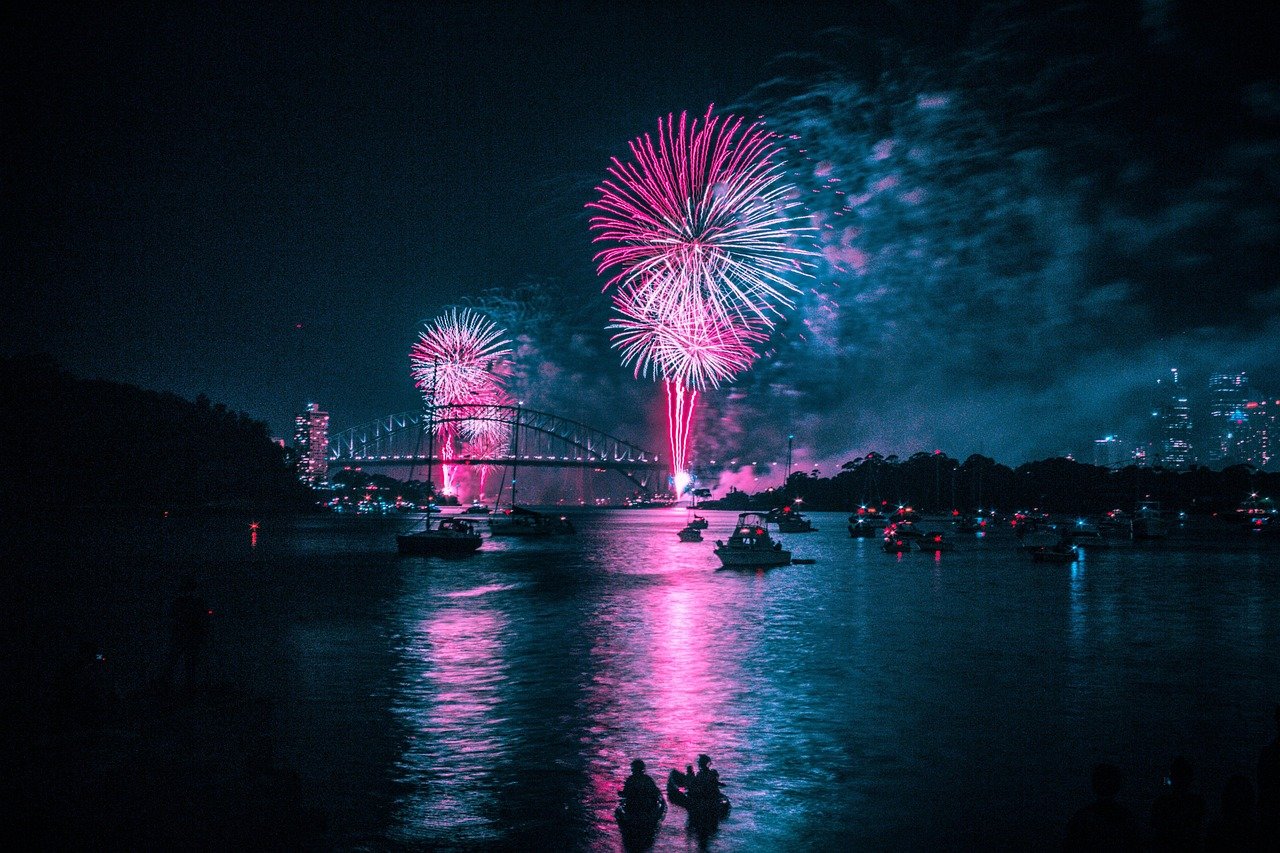
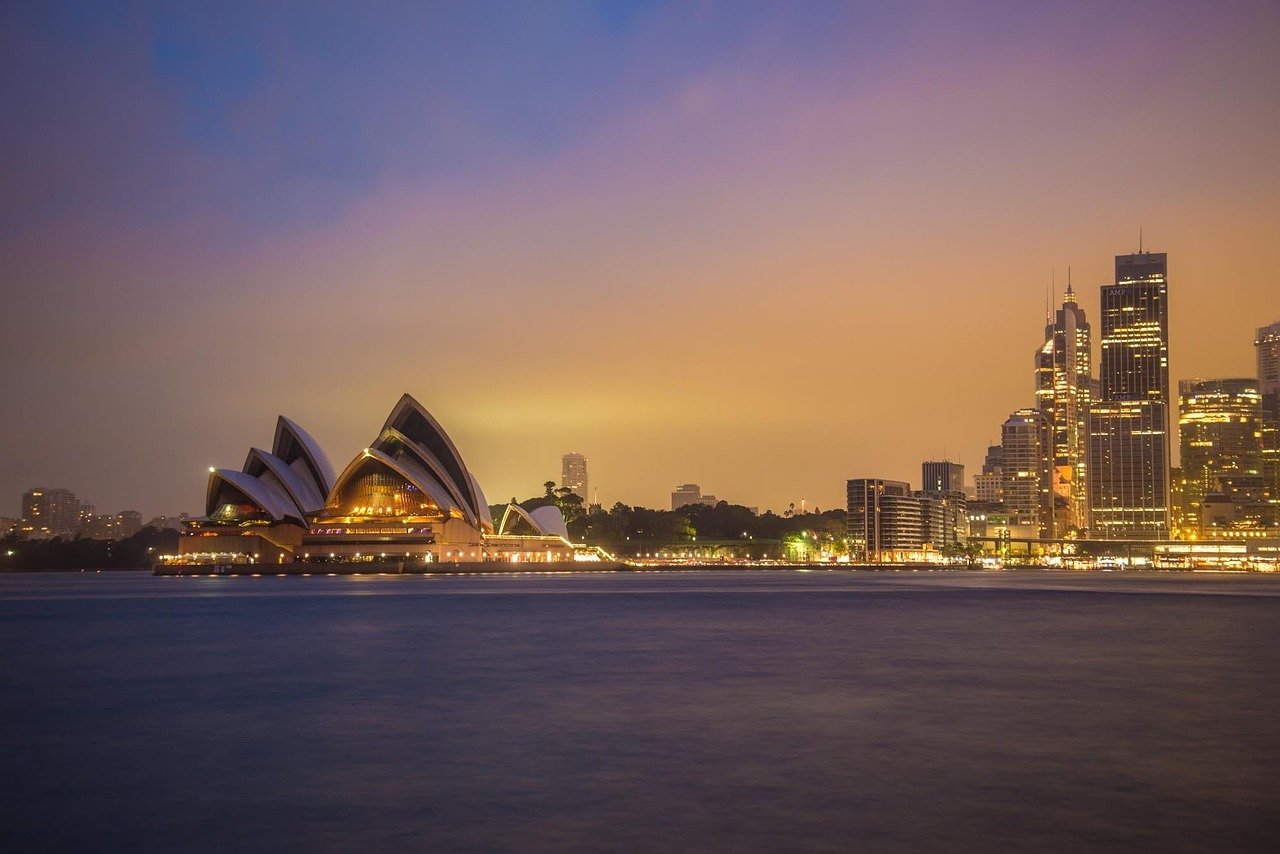
No building in Australia is more photographed or more recognisable than the Sydney Opera House, and no amount of prior familiarity quite prepares you for the moment you encounter it in person. The sail-like shells of precast concrete tile, the way the building seems to rise directly from the water at Bennelong Point, and the sheer ambition of Utzon’s design combine to create something that feels genuinely extraordinary regardless of how many times you have seen it on a screen. The building is a working performing arts centre hosting opera, ballet, theatre, and music year-round, and a guided tour of the interior reveals the full complexity of its construction and reveals performance spaces ranging from the grand Concert Hall to the intimate Studio. Circular Quay, just west of the Opera House, is the harbour’s civic hub — the departure point for ferries to Manly, Taronga Zoo, Parramatta, and the Harbour Islands, and the gathering point for the city’s New Year’s Eve fireworks, which draw more than a million spectators to the harbour foreshores. The Museum of Contemporary Art Australia, positioned at the quay’s western end, offers free entry to world-class exhibitions with a rooftop terrace providing one of Sydney’s best vantage points.
Harbour Islands: Cockatoo Island and Fort Denison
Sydney Harbour contains a remarkable collection of islands, each with its own layered history and distinct character. Cockatoo Island — accessible by regular public ferry from Circular Quay — is the largest and most historically significant, its landscape still shaped by the convict-built grain silos, tunnels, and workshops from its nineteenth-century penal period, as well as the enormous dry docks and industrial infrastructure from its twentieth-century life as a naval shipyard. The entire island is UNESCO World Heritage listed as part of the Australian Convict Sites inscription, and self-guided audio tours lead visitors through the full sweep of its history. Camping on the island overnight — in tents pitched on the former convict parade ground — is one of Sydney’s most unusual and memorable experiences. Fort Denison, a small sandstone fortification on a tiny island visible from Circular Quay, offers guided heritage tours that reveal its role as a tidal gauge station, time ball tower, and the origin of Sydney’s daily one o’clock gun — a maritime tradition still observed today. Both islands are accessible only by ferry and represent the harbour at its most historically atmospheric.
Local Insights
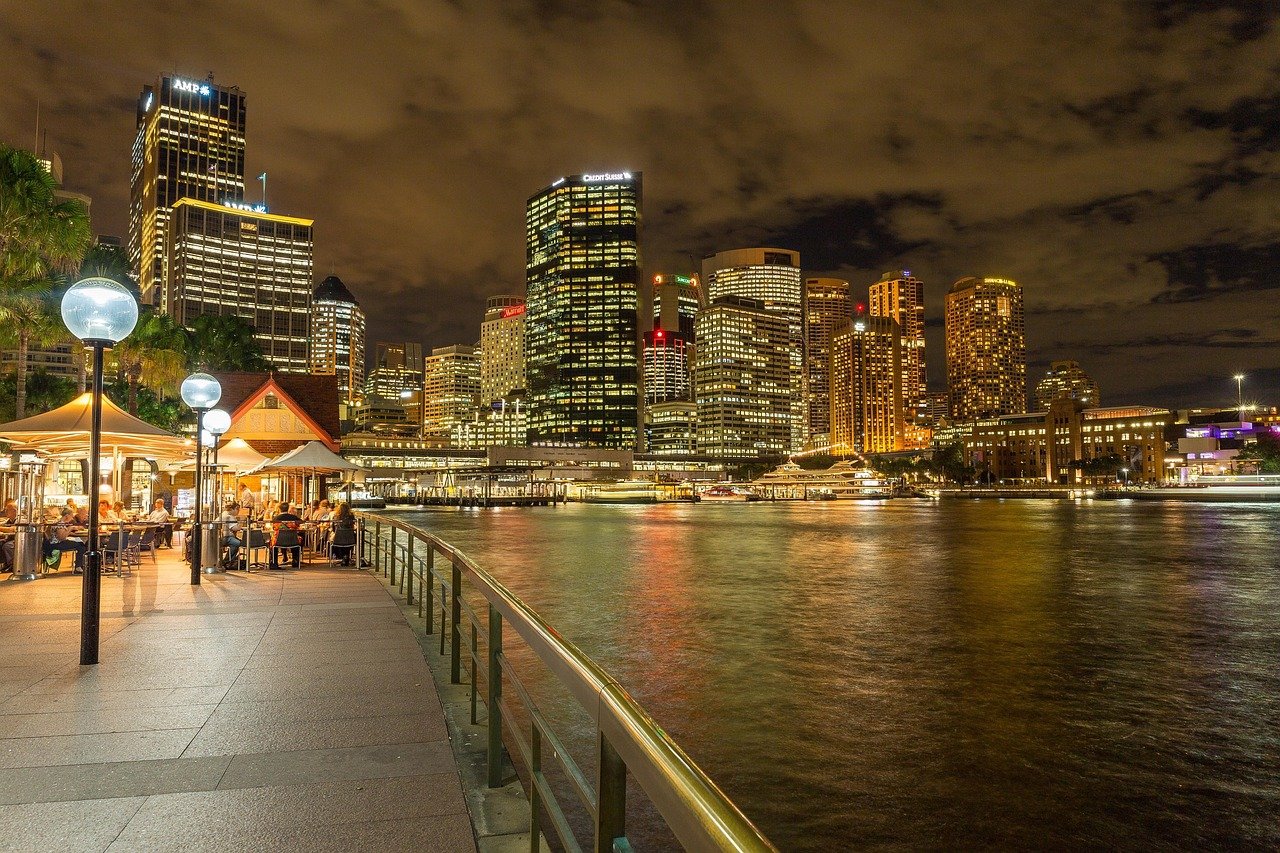
These insider tips will help you experience Sydney Harbour the way locals do — avoiding crowds, saving money, and finding the moments that rarely appear in guidebooks.
- Take the Manly Ferry instead of a tourist cruise: The 30-minute public ferry from Circular Quay to Manly Beach is one of the world’s great urban ferry journeys, passing beneath the Harbour Bridge, beside the Opera House, through Middle Harbour, and out to the Heads where the harbour meets the Tasman Sea. It costs around AU$8 on an Opal card — dramatically cheaper than tourist cruise boats that cover similar water. Ride it at sunset for the best possible experience.
- Walk from the Rocks to Mrs Macquaries Chair at dawn: The waterfront path from the Rocks through the Royal Botanic Garden to Mrs Macquaries Chair (a rock bench carved for Governor Macquarie’s wife in 1816) gives unobstructed views of the Opera House and bridge from across Farm Cove. In the hour after sunrise, before tour groups arrive, this kilometre-long walk is Sydney at its most transcendentally beautiful. It costs nothing and requires no booking.
- Book BridgeClimb for twilight, not day: All BridgeClimb times are extraordinary, but the twilight departure — which begins in golden afternoon light and ends with the city fully illuminated — offers the most dramatic visual transformation. Twilight slots book out weeks ahead; secure your preferred date as soon as you know your Sydney travel dates.
- Camp on Cockatoo Island for the most memorable night in Sydney: Camping on Cockatoo Island in the middle of the harbour, with ferries gliding past and the city lights reflecting on the water, is one of the most distinctive accommodation experiences in Australia. Bring your own tent, sleeping bag, and food; the island provides powered and unpowered sites at reasonable prices. Book through the Harbour Trust website well in advance.
- Visit the Museum of Contemporary Art for free harbour views: The MCA at Circular Quay is free to enter and houses world-class contemporary and Aboriginal art. Its rooftop terrace café offers outstanding views across the harbour to the Rocks and the Bridge and is open to non-diners for the cost of a coffee — a superb vantage point that few visitors discover.
Planning Your Visit
- Tickets: Walking the harbour foreshore and taking the public Manly Ferry are low-cost options (AU$8 ferry fare with Opal card). BridgeClimb costs AU$348–$408 per adult depending on time of day and season. Opera House guided tours cost AU$40–$45 per adult. Cockatoo Island camping from AU$45 per night for an unpowered site. Fort Denison guided tours approximately AU$35 per adult. Most foreshore parks and walking paths are free.
- Opening hours: The harbour foreshore is accessible 24 hours. BridgeClimb operates from approximately 7am to 10pm daily. Sydney Opera House guided tours run daily from 9am–5pm with evening tours available. Cockatoo Island is open daily 9am–5pm (camping guests have 24-hour access). Ferry services from Circular Quay begin before 6am and run until midnight on most routes.
- Best time: Spring (September–November) and autumn (March–May) offer the most comfortable temperatures for outdoor harbour exploration. Summer (December–February) is spectacular but can be very hot and crowded, particularly at peak attractions. New Year’s Eve is world-famous but requires extreme advance planning for prime harbour positions. Winter mornings (June–August) are crisp and often beautifully clear, with smaller crowds at the major sights.
- Duration: The harbour is an entire destination in its own right — three days is a comfortable minimum to experience its key highlights, though visitors could spend a week exploring its coves, islands, parks, and neighbourhoods. A single day can cover the Opera House, Bridge walk, and a ferry ride if you start early.
- Booking: Book BridgeClimb and Opera House tours online well in advance (particularly for evening and twilight options). Cockatoo Island camping requires advance booking through the Harbour Trust. Fort Denison tours are bookable online. Ferry tickets can be purchased with an Opal card loaded from any station or convenience store.
Getting There
- By ferry: Circular Quay is the harbour’s main ferry hub, accessible from multiple Sydney suburbs. Ferries run regularly from Parramatta, Manly, Mosman, Darling Harbour, and beyond. From the city, Circular Quay is directly accessible by train, bus, or a short walk from the CBD. This is the most atmospheric way to arrive at the harbour.
- Public transport: Circular Quay train station on the City Circle line serves all major Sydney rail lines. Multiple bus routes terminate at Circular Quay. The light rail connects Circular Quay to Darling Harbour and the inner west. All services use the Opal card system — load credit at any station, convenience store, or online.
- By car: Driving to Circular Quay is possible but expensive and often impractical due to limited, costly parking. The Sydney Harbour Tunnel and Harbour Bridge both charge tolls. Park at a city parking station (typically AU$30–60 per day) and walk or take public transport to waterfront attractions. Parking near the Rocks is more accessible than at Circular Quay itself.
- Taxi/ride-share: Uber and taxis provide convenient point-to-point access to Circular Quay, the Opera House forecourt, and the Rocks. Drop-off for the Opera House is best arranged via Macquarie Street or Bennelong Point. For BridgeClimb, the Rocks is the closest drop-off point to the entry at Cumberland Street.
Frequently asked questions
Is BridgeClimb worth the cost?
For most visitors, BridgeClimb is one of the highlights of their entire Australia trip and fully justifies its price. The experience lasts 3.5 hours and combines a genuinely fascinating guided narrative about the bridge’s construction and history with an adrenaline-laced physical ascent to 134 metres above sea level. The views from the summit — 360 degrees across Sydney’s harbour, beaches, suburbs, and hinterland — are unmatched from any other publicly accessible vantage point in the city. Twilight and night climbs are particularly special. The price (around AU$348–408 per adult) is significant, but for a once-in-a-lifetime experience on one of the world’s most iconic structures, the investment is consistently rated as worthwhile by the vast majority of participants.
What is the best free thing to do around Sydney Harbour?
The waterfront walk from the Rocks through the Royal Botanic Garden to Mrs Macquaries Chair is Sydney’s finest free experience, offering uninterrupted views of the Opera House, Harbour Bridge, and Farm Cove with no ticket required and no queues. The walk is around 3 kilometres and takes 45–60 minutes at a leisurely pace. Combining it with a sunrise or sunset visit elevates it further. The coastal path continuing around to Woolloomooloo and the finger wharf at Harry’s Café de Wheels is equally free and equally rewarding. Add a stop at the free Museum of Contemporary Art rooftop terrace for harbour views with a coffee, and you have a full morning of Sydney Harbour at its best for the price of a café order.
How do I get to Manly from the harbour?
The Manly Ferry from Circular Quay is the definitive way to reach Manly and one of the great ferry journeys in the world. Ferries depart Circular Quay roughly every 30 minutes throughout the day and the crossing takes 30 minutes, threading through the harbour past the Opera House and beneath the Heads where the harbour meets the Tasman Sea. Purchase an Opal card at the station or a convenience store and tap on at the Manly Ferry wharf at Circular Quay. The faster Manly Fast Ferry also operates from Darling Harbour and Circular Quay for those prioritising speed over scenery, but the regular Manly Ferry is the recommended option for the views alone.
Can visitors camp on Cockatoo Island?
Yes — camping on Cockatoo Island in the middle of Sydney Harbour is one of Australia’s most distinctive accommodation experiences and is open to the general public. The Harbour Trust operates a campground on the island with both unpowered tent sites and larger powered sites for groups. Facilities include toilets, showers, and a small café during the day. You bring your own tent, sleeping gear, and food, and the island’s regular ferry service connects you to the mainland morning and evening. The experience of waking up in the middle of the harbour with the Sydney skyline on one side and green headlands on the other is genuinely extraordinary. Bookings are essential and fill quickly — plan well ahead.