
Great Barrier Reef
The statistics are staggering before you even see it: 2,300 kilometres of living reef, 344,000 square kilometres of protected marine park, 1,500 species of fish, 4,000 types of mollusc, and six of the world’s seven species of marine turtle. But nothing in the numbers prepares you for the moment you slip below the surface for the first time and the underwater world announces itself in violet, canary yellow, electric blue, and every shade of green that language has names for. The Great Barrier Reef is the largest living structure on Earth, and meeting it face-to-face is one of travel’s truly humbling experiences.
History of the Great Barrier Reef
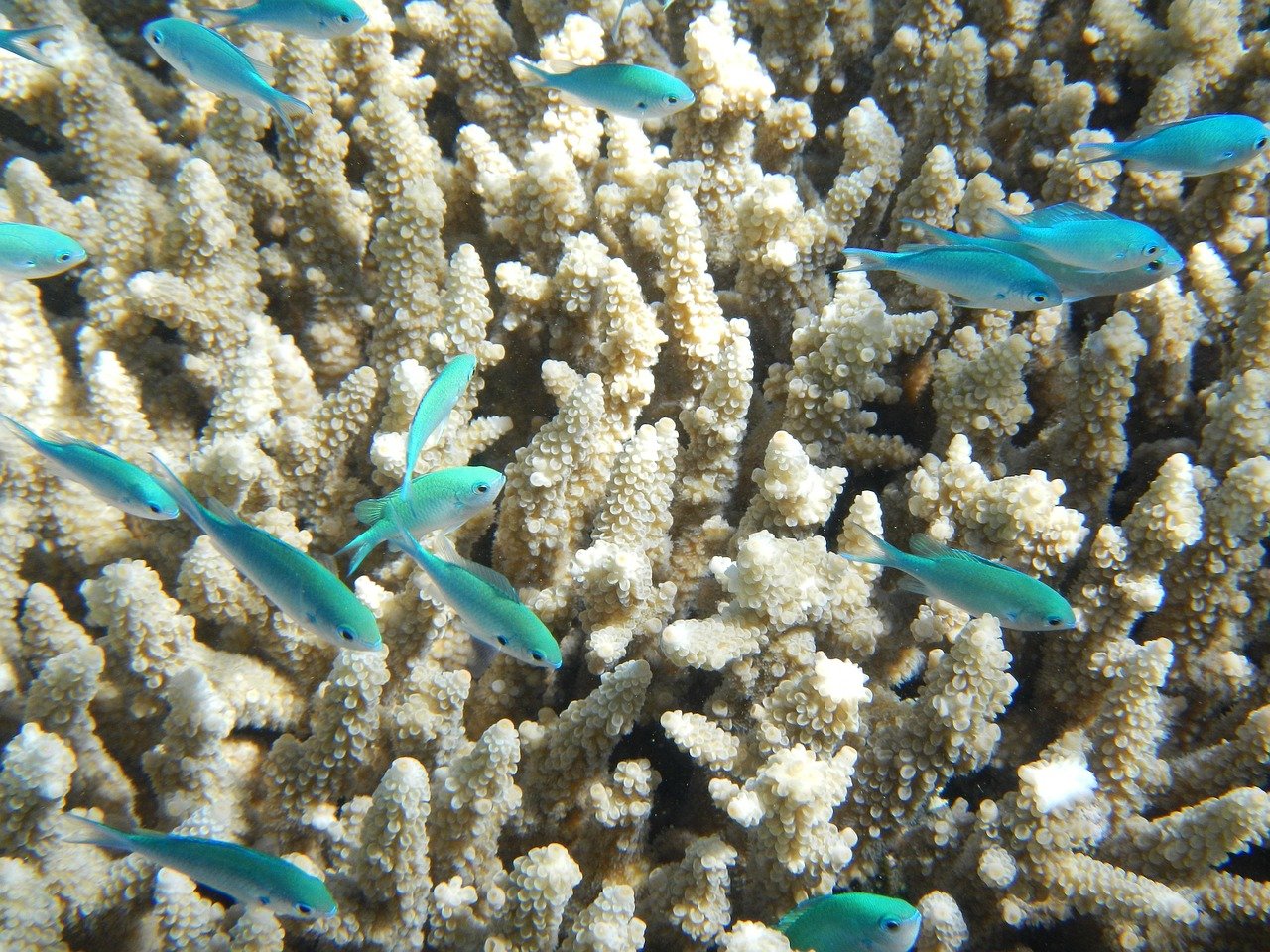
Coral has been growing on the Great Barrier Reef for between 500,000 and 600,000 years, though the current reef structure is more recent — much of it built up over the last 10,000 years since sea levels stabilised after the last ice age. Aboriginal Australians and Torres Strait Islanders have lived in relationship with the reef for at least 60,000 years, and oral traditions describe the period when sea levels rose and the reef formed. For these communities, the reef and its surrounding seas are not wilderness but a cultural landscape — a place of food, law, ceremony, and story.
European navigation of the reef began with disasters. French explorer Louis de Bougainville found it in 1768 and wisely turned away. Two years later, Captain James Cook ran his ship HMS Endeavour onto coral at what is now called Endeavour Reef — and spent seven weeks making repairs at the mouth of a river he named after the ship. Matthew Flinders became the first to circumnavigate Australia in 1803 and named the reef system in full. The reef was declared a Marine Park in 1975 and inscribed as a UNESCO World Heritage Site in 1981, one of the first nominations of such a vast marine ecosystem.
What to See and Do
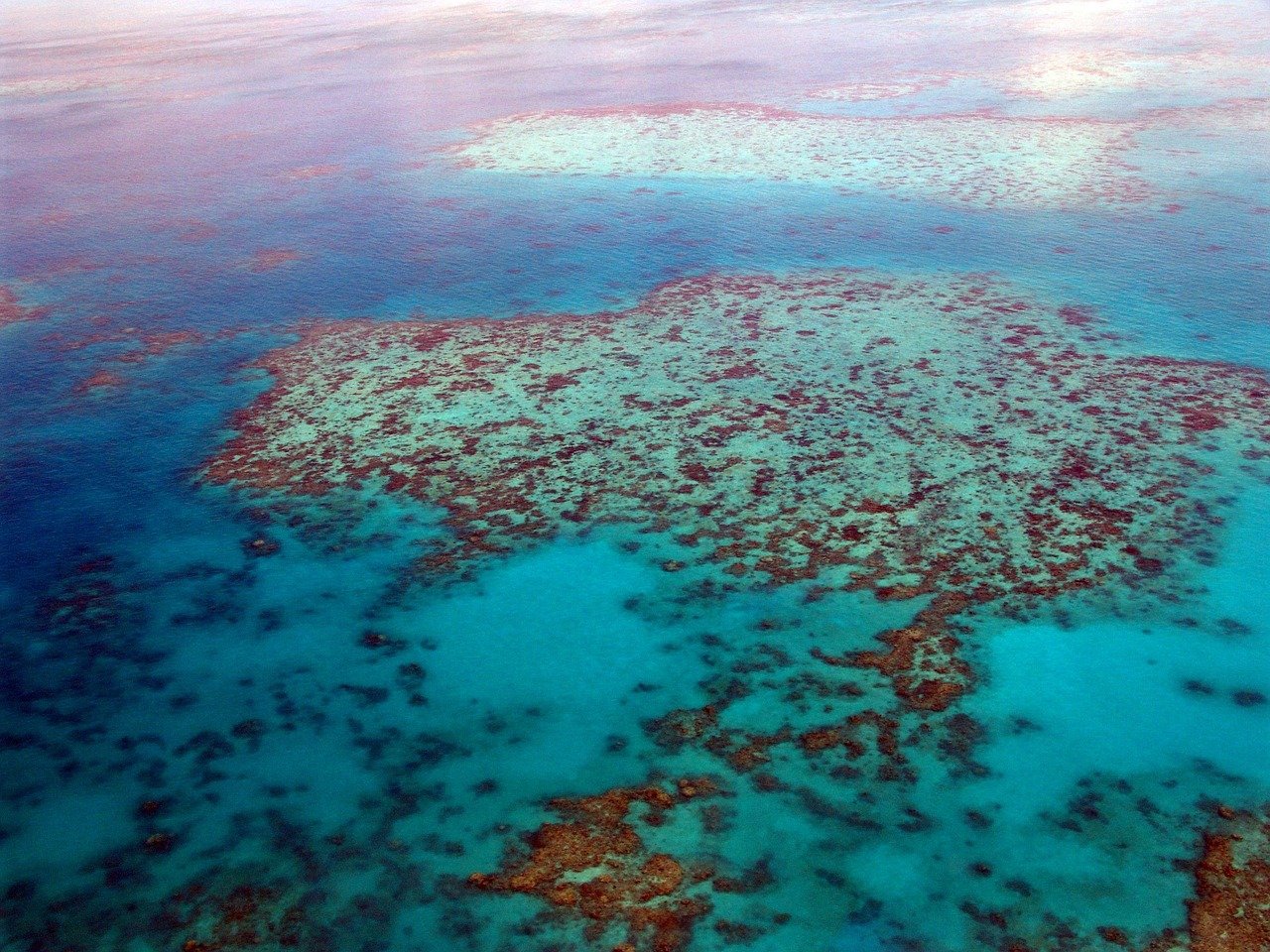
The reef is accessed from multiple points along the Queensland coast. Cairns and Port Douglas are the primary gateways to the outer reef, where coral formations are at their most pristine. The Whitsunday Islands offer a different experience — island-based exploration, sailing, and the incomparable Whitehaven Beach, with access to both inner and outer reef sites. Mission Beach, Port Douglas, and Cape Tribulation provide access to outer reef sites with smaller crowds than the Cairns departures.
Tours range from large (and affordable) day boat trips to small-group snorkel and dive experiences to liveaboard dive expeditions of several days. Snorkelling is accessible to virtually anyone who can swim — no certification required, gear provided by all operators. Introductory dives are available for uncertified divers, supervised by professional dive masters, while certified divers can dive independently on most reef sites. Glass-bottom boat tours and semi-submarines offer reef viewing without getting wet. Scenic helicopter and seaplane flights over the reef reveal the extraordinary scale of the coral formations from above — an entirely different perspective that no underwater experience replicates.
Marine Life of the Reef
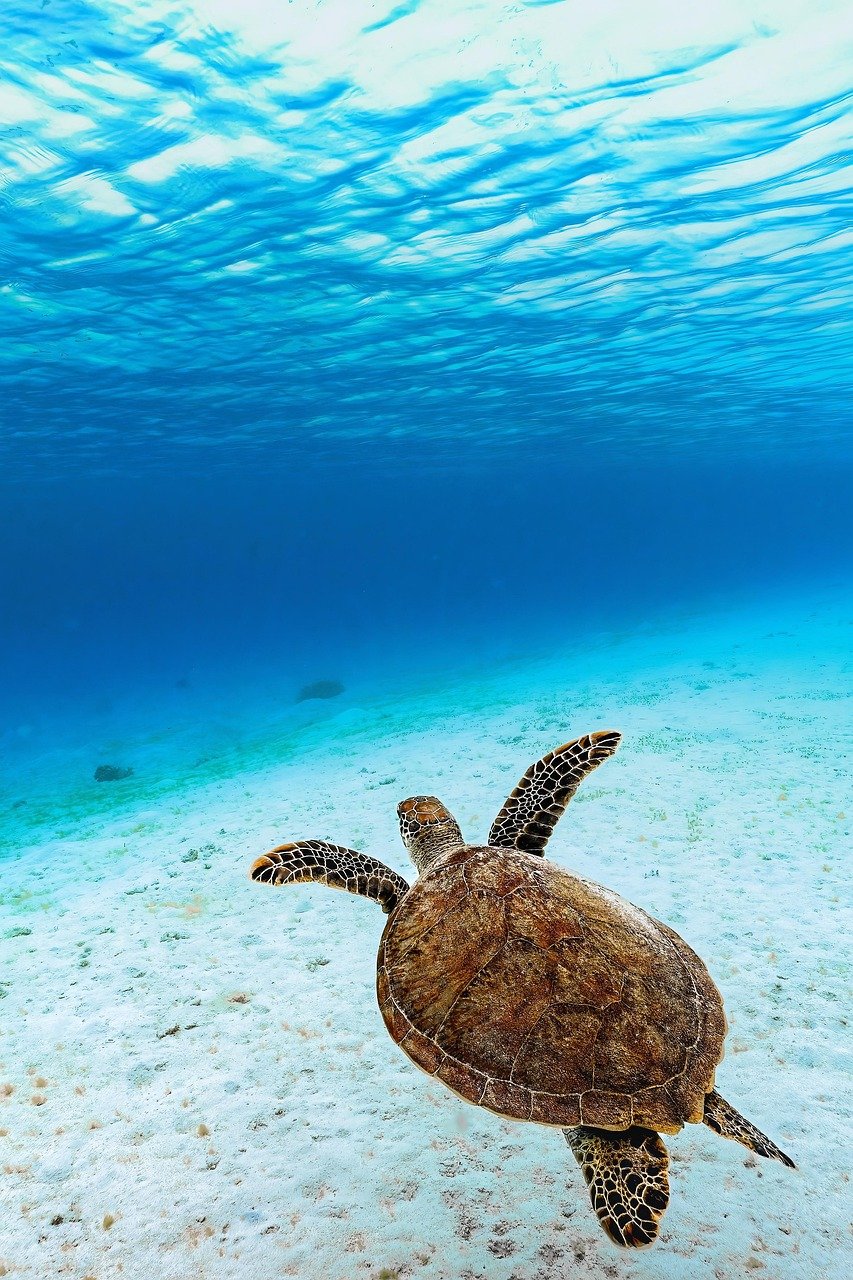
The reef’s biodiversity is staggering in its complexity. Beyond the 1,500 fish species and the coral itself (400 types of hard and soft coral), the ecosystem supports humpback and minke whales (the latter encountered only in the northern ribbon reefs in May-July), dugongs, dolphins, manta rays, whale sharks, and six of the world’s seven marine turtle species. Green and hawksbill turtles nest on the reef islands every summer, and snorkellers regularly encounter both species on shallow reef flats.
The reef also faces existential threats. Ocean warming caused by climate change has triggered five mass bleaching events since 1998, with particularly severe bleaching in 2016, 2017, 2020, 2022, and 2024. More than 50% of the reef’s coral cover has been lost since the 1980s. Crown-of-thorns starfish outbreaks, agricultural runoff, and coastal development add to the pressure. The Australian government and the Great Barrier Reef Marine Park Authority have committed billions to reef restoration and water quality improvement — but the ultimate fate of the reef depends heavily on global action on climate change.
Practical Information
- Tickets: Day snorkel/dive tours from AUD 209 (Cairns); half-day from AUD 89; liveaboard multi-day from AUD 500. All subject to AUD 8.50 Environmental Management Charge per person.
- Opening hours: Tour departures year-round; typically 08:00–17:00 for day trips
- Best time to visit: June–October (dry season) for calm seas, excellent visibility, and comfortable temperatures; avoid December–April cyclone season for outer reef trips
- Duration: Day trips 7–9 hrs (including travel time on boat); multi-day liveaboard 2–7 nights
- Booking: Book in advance especially June–September peak season; many operators offer free cancellation up to 24 hrs before departure
Local Insights
What locals know that guidebooks don’t always tell you:
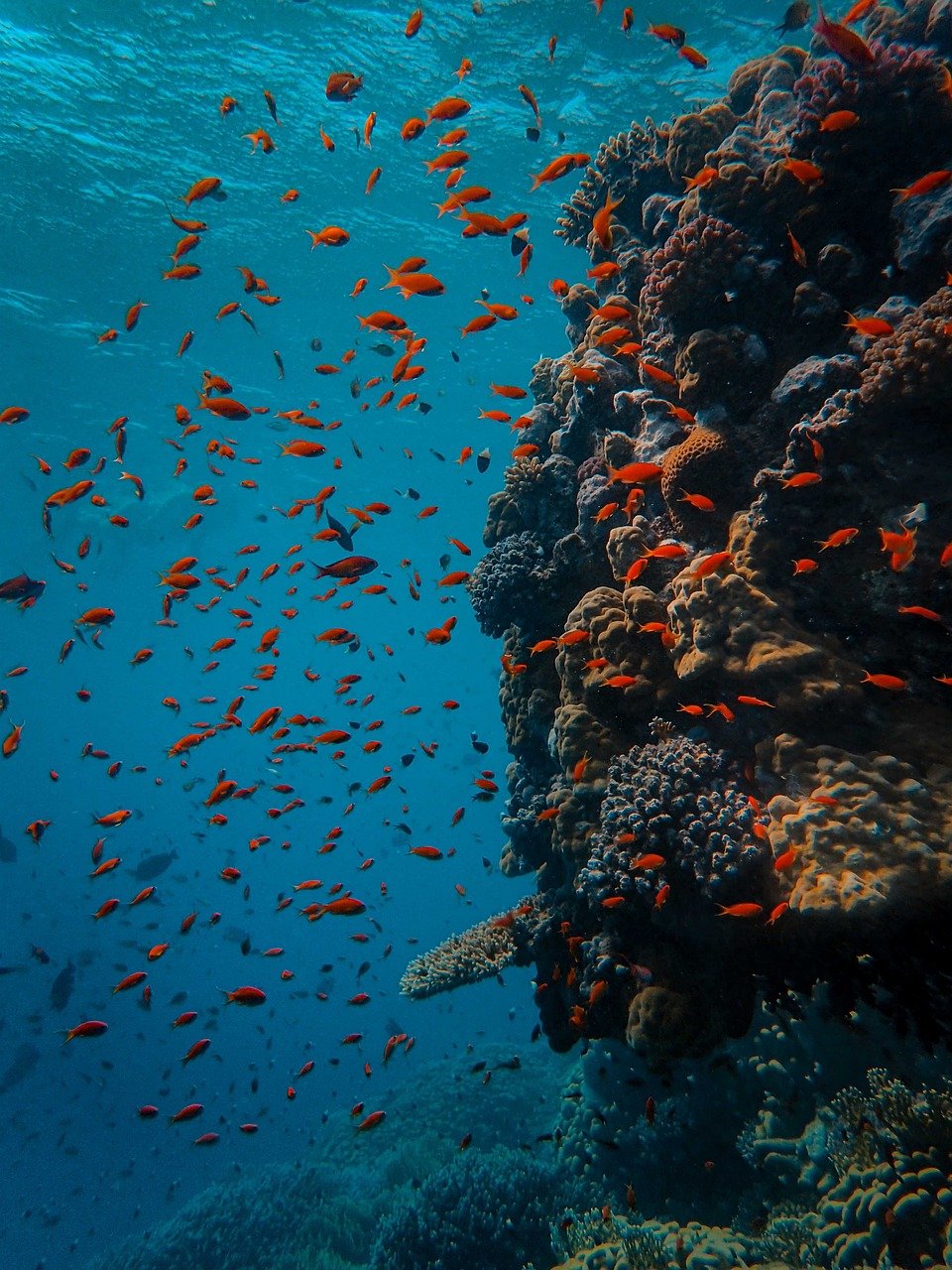
- The inner reef (closer to shore) is cheaper to reach but generally more damaged. Spend the extra AUD 50–100 to get to the outer reef — the difference in coral quality and fish abundance is dramatic.
- Seasickness is a real issue for sensitive travellers on the 1.5–2 hr outer reef boat crossing. Take anti-nausea medication the evening before and morning of, not once you’re already feeling ill.
- The best snorkelling is in the first 1.5 hours after arrival — before the boat traffic disturbs the fish. Jump in immediately rather than spending time on lunch first.
- Liveaboard dive trips access reef sections that day tours never reach — night dives, pristine remote bommies, and encounters with sharks and large pelagic fish that simply don’t happen at the main day-tour spots.
- The minke whale snorkelling experience (June-July, northern ribbon reefs only) is arguably the single most extraordinary wildlife encounter available on the reef — book months in advance.
Getting There
- From Cairns: Most day tours depart from Cairns Marina (Reef Fleet Terminal) on Wharf Street; 1.5–2 hr boat ride to outer reef
- From Port Douglas: 60 km north of Cairns; closer to some outer reef sections, generally smaller groups
- From Airlie Beach/Whitsundays: Access to southern reef and Whitsunday Islands; different character from northern reef
- By air: Cairns Airport served by Qantas, Virgin, Jetstar from Sydney, Melbourne, Brisbane; direct international flights from some Asian hubs
Frequently asked questions
Do I need to be able to swim well to snorkel the Great Barrier Reef?
Basic swimming ability is sufficient for snorkelling — most operators provide floatation devices for non-swimmers or nervous swimmers. You do not need to be a strong swimmer, but complete non-swimmers should discuss options with the tour operator before booking.
Is the reef still worth visiting given bleaching damage?
Yes. Despite significant bleaching, large sections of the outer reef remain in excellent condition with vibrant coral and abundant marine life. The experience of snorkelling or diving with sea turtles, reef sharks, and thousands of fish remains extraordinary. Choose tour operators who access pristine outer reef sections for the best experience.
What is the Environmental Management Charge?
An AUD 8.50 per person per day charge (as of 2026) levied on all visitors entering the Great Barrier Reef Marine Park. It funds conservation and management of the park. This is always included in tour prices or added at booking.
Can children snorkel the reef?
Yes. Most day tours welcome children from age 4 upwards for snorkelling. Introductory dives are generally available from age 12. Check individual operator age policies when booking.
Is there a best time of year for whale sharks?
Whale shark encounters are possible year-round at the reef but are most reliably sighted at certain sites near Osprey Reef (northern reef) and in the Ribbon Reefs. Operators specialising in whale shark encounters can advise on current sighting frequency.