
Monastiraki
Monastiraki is where Athens refuses to be tidy. The square at its heart is a controlled chaos of vendors, street musicians, and tourists peering up at the Acropolis while the metro rumbles beneath their feet. Behind the Ottoman-era mosque and the old metro station, the flea market spills out across Ifaistou Street and into the labyrinthine alleys of Avissinia Square — a world of vintage cameras, silver Byzantine icons, carved wooden furniture, leather sandals, and things that defy categorisation. This is Athens at its most alive, its most mercantile, and its most honestly itself.
History of Monastiraki
The name Monastiraki — “little monastery” — derives from the small Byzantine church of the Pantanassa that still stands on the square, its origins dating to the 10th century. The surrounding area has been continuously inhabited for over six thousand years, making it one of the oldest urban neighbourhoods in Western civilisation. The Romans built their forum (the Roman Agora) just metres from where the flea market operates today, and the remains of that forum — with its octagonal Tower of the Winds still largely intact — are visible from the street.
During the four centuries of Ottoman rule, Monastiraki became a commercial hub under the shadow of a newly built mosque — the Tzistarakis Mosque of 1759, which still dominates the square as the Kynosarges Museum of Greek Folk Art Annex. The 19th century brought a wave of Jewish merchants and craftsmen who established the antiques and second-hand goods trade that evolved into today’s flea market. After independence, the neighbourhood grew into Athens’s main bazaar district, a role it has never relinquished despite the city’s expansion in every direction.
What to See and Do
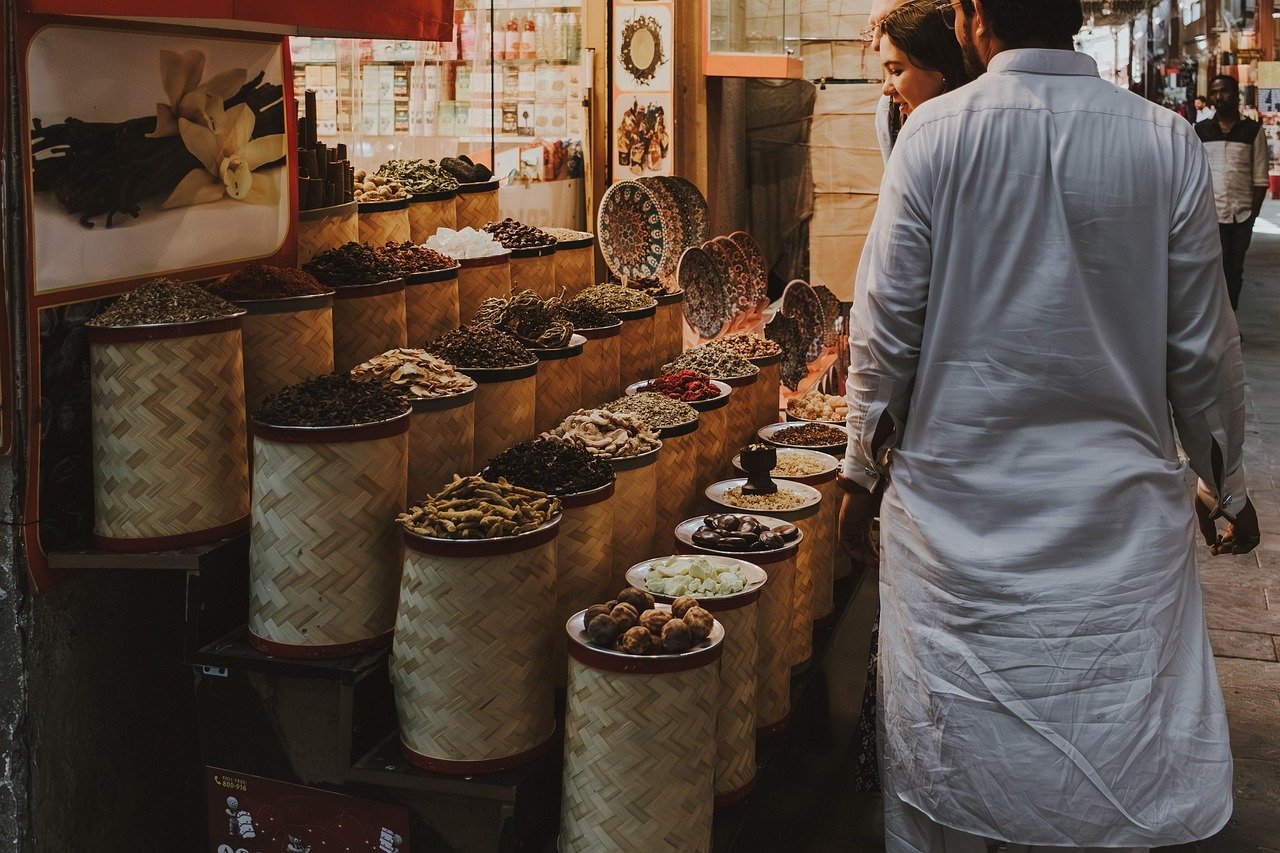
The flea market operates at different intensities depending on the day. Every day, the permanent shops along Ifaistou Street sell leather goods, jewellery, vintage vinyl records, religious icons, and antiques. On Sundays, the market expands dramatically into Avissinia Square — a labyrinthine jumble of private sellers bringing everything from 1970s Greek film posters to Ottoman coffee pots to genuinely rare antiquarian books. Sunday morning, between 8am and noon, is the prime window for serious browsing before the tourist crowds arrive and before sellers begin packing up.
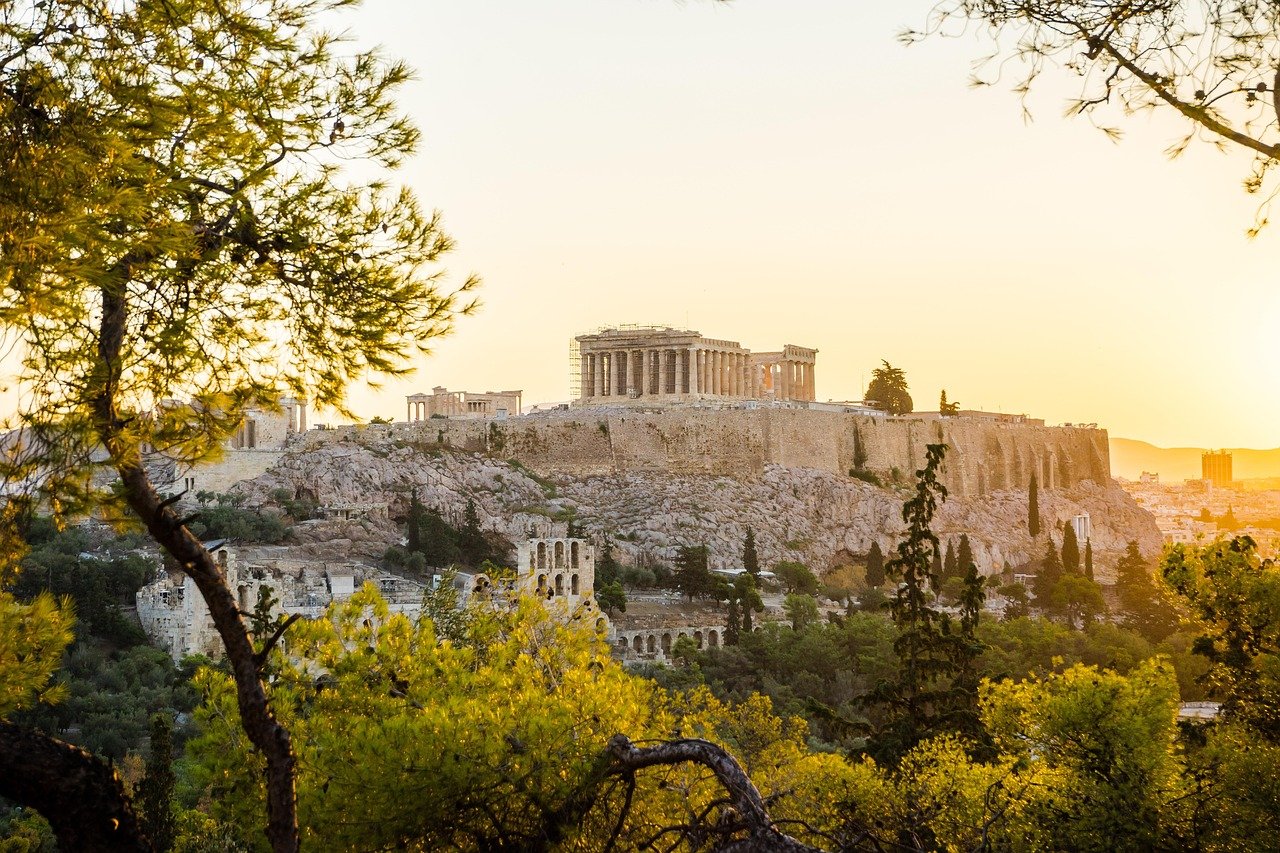
Beyond shopping, Monastiraki is a neighbourhood for wandering. Adrianou Street connects it eastward to the Ancient Agora (Athens’s original democratic meeting place, now a shaded archaeological park with the remarkably complete Temple of Hephaestus). The narrow streets climbing toward the Acropolis through Plaka are five minutes’ walk away. Psirri, the artist and nightlife district immediately north, is Monastiraki’s hipper sibling — excellent for evening food and drinks. And everywhere, rooftop bars and restaurants offer views that are almost obscenely privileged: the Parthenon floating above the city, closer than it has any right to be.
The Flea Market
The Monastiraki flea market is not a single organised entity but a loose, evolving ecosystem of permanent shops, weekend-only vendors, and the occasional private seller who simply sets up a blanket on the pavement. The permanent shops are open daily, selling to collectors and decorators as much as tourists. The Sunday outdoor bazaar, centred on Avissinia Square (Plateia Avyssinias), is a different beast entirely — chaotic, negotiable, and full of surprises.
Serious buyers know to arrive by 8am on Sunday, when private sellers are still setting up and prices are at their most flexible. The best finds — pre-war Greek ceramics, early 20th-century silverwork, Ottoman-period copper utensils, vintage Greek movie posters, Byzantine-style religious artefacts — go quickly. By 11am the tourist-oriented sellers dominate and prices firm up. The art of Monastiraki shopping is knowing which sellers have genuine antiques (usually in the permanent indoor shops with provenance paperwork) versus decorative reproductions (most of the outdoor stalls).
Practical Information
- Tickets: Free to enter the neighbourhood and market; individual museums and archaeological sites have their own admission fees
- Opening hours: Permanent shops approx. 09:00–20:00 daily; Sunday flea market approx. 07:00–15:00
- Best time to visit: Sunday morning (before 10am) for the full market experience; weekday evenings for restaurants and bars without weekend crowds
- Duration: 1–3 hrs for browsing; half-day including Ancient Agora and Plaka
- Booking: No booking required; just turn up
Local Insights

What locals know that guidebooks don’t always tell you:
- The best souvlaki in the area is not on the main square — it is at the small psistaria (grill shops) on Mitropoleos Street, one block east, where locals eat standing at the counter.
- The rooftop bar of the A for Athens hotel gives one of the best Acropolis views in the city and is open to non-guests — worth one drink for the view alone.
- The Ancient Agora entrance is on Adrianou Street and is often overlooked by visitors who spend all day in Monastiraki without realising Athens’s original civic centre is steps away. The Stoa of Attalos inside is free to enter with the EU Heritage card.
- Bargaining is expected at the Sunday outdoor stalls but not at established shops. A respectful opening offer of 20–30% below asking is normal; aggressive haggling is not.
- Avoid the square on Friday and Saturday evenings in summer — it is one of the most congested spots in Athens. Come instead on a Tuesday or Wednesday evening for the same atmosphere with a fraction of the crowd.
Getting There
- Metro: Line 1 (Green) and Line 3 (Blue) → Monastiraki station (exit directly onto the square)
- Bus: Routes 025, 026, 227 stop on Athinas Street, one block north
- On foot: 10 minutes from Syntagma Square; 15 minutes from Acropolis Museum; 5 minutes from Plaka
- Taxi/Rideshare: Drop off at Monastiraki Square or Adrianou Street; traffic in the area is heavy during market hours
Frequently asked questions
Is the Monastiraki flea market worth visiting on a weekday?
Yes, but the experience is different. Weekdays have the permanent shops with their full selection — often better quality than the Sunday stalls. The Sunday outdoor bazaar is unique and worth timing your visit around if you can.
Are the goods authentic antiques or reproductions?
Both. The permanent indoor shops in and around Avissinia Square generally sell genuine antiques and have provenance documentation. The Sunday outdoor vendors range from genuine finds to decorative reproductions — examine carefully and ask about origins before buying.
Is it safe to walk around Monastiraki?
Yes. Monastiraki is busy and well-trafficked. As in any crowded market, be aware of your pockets and bags. Keep valuables in a front-facing bag or inside pocket, especially in the densest part of the Sunday market.
What else is within walking distance?
The Ancient Agora (5 min), Plaka neighbourhood (5 min), Thissio (10 min), Psirri (5 min), and Acropolis Museum (15 min). Monastiraki is ideally positioned as a central hub for an Athens walking day.
Are restaurants in Monastiraki good?
Quality varies enormously. Avoid places with laminated picture menus on the main square (for tourists). Instead, explore the streets of Psirri immediately north for excellent mezze restaurants, wine bars, and tavernas where Athenians actually eat.