
Sculpture Park Museum (Parque de Las Esculturas)
Beside the rushing waters of the Mapocho River in northern Santiago, a quiet green corridor holds one of Chile’s most unusual cultural treasures: an open-air park where monumental sculptures by Latin American masters stand among native trees, creating an outdoor gallery that blurs the line between art and nature. The Parque de las Esculturas draws families, joggers, students with sketchbooks, and the occasional bewildered pigeon — all of them sharing space with bronze giants and stone meditations on the human condition. The effect is disarming and entirely free.
History of Sculpture Park Museum
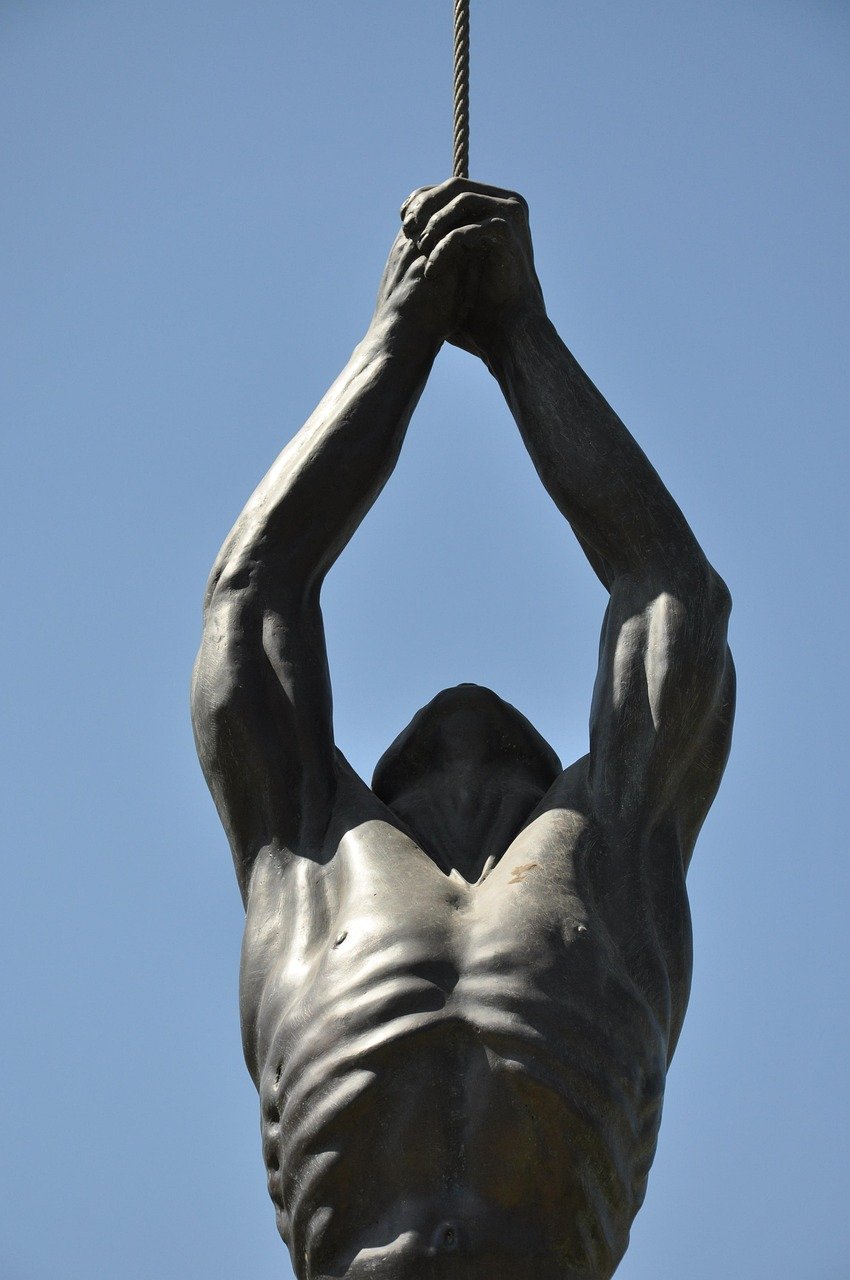
The Parque de las Esculturas — formally the Parque de las Esculturas del Museo de Bellas Artes — was established in 1986 on a site that had been a neglected riverside strip of parkland along the north bank of the Mapocho. The initiative came from the Museo Nacional de Bellas Artes, which sought to extend its collection into the open air and bring contemporary art into direct contact with the public in a way that the walls of a museum interior could not achieve. Over the following decades, permanent works by leading Chilean and Latin American sculptors were installed throughout the park, augmented by temporary installations from visiting international artists.
The park occupies a 3.5-hectare site on Avenida Santa María in the Providencia district — one of Santiago’s most pleasant residential neighbourhoods, characterised by leafy streets, French-influenced architecture, and a strong café culture. The location was chosen partly because the riverside promenade along the Mapocho was being redeveloped in the mid-1980s and partly because Providencia already had a concentration of cultural institutions, making the park a logical extension of the district’s identity. The Mapocho River, which had for decades been one of Santiago’s most polluted waterways, was undergoing cleanup at the same time — a fact that made the park’s creation feel symbolically as well as practically significant.
What to See
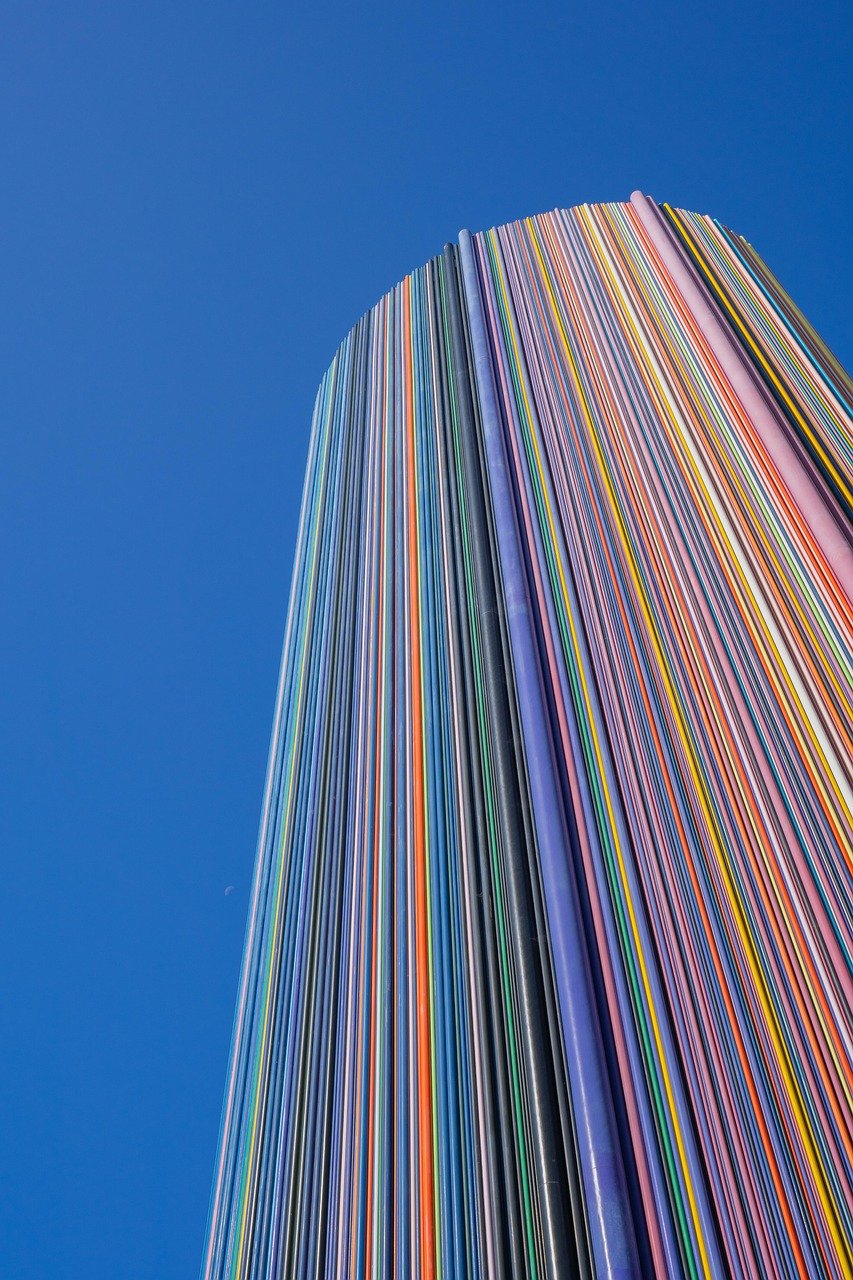
The permanent collection spans more than forty major works, ranging from abstract geometric pieces in polished steel and stone to figurative bronze sculptures of considerable emotional power. The collection is strongest in Chilean modern sculpture, with works by Marta Colvin, Lily Garafulic, and Samuel Román among the highlights. Colvin’s totem-like wooden and stone works draw on pre-Columbian Andean visual language while remaining entirely contemporary in sensibility — her pieces stand in quiet dialogue with the native trees surrounding them. Garafulic’s marble abstractions capture the quality of Andean light in a way that changes with the hour of the day.
International contributions add diversity to the collection: Brazilian, Argentine, Venezuelan, and Cuban sculptors are represented alongside the Chileans, making the park something of a survey of twentieth-century Latin American sculpture in miniature. The arrangement of works along the riverside promenade is deliberately informal — there is no prescribed route, and the park encourages wandering. A small exhibition hall near the entrance hosts rotating temporary shows of contemporary Chilean art, providing an indoor component to the experience. On weekends a short outdoor market sometimes operates at the park’s edges, adding a social dimension to what is otherwise a contemplative space.
The Riverside Setting
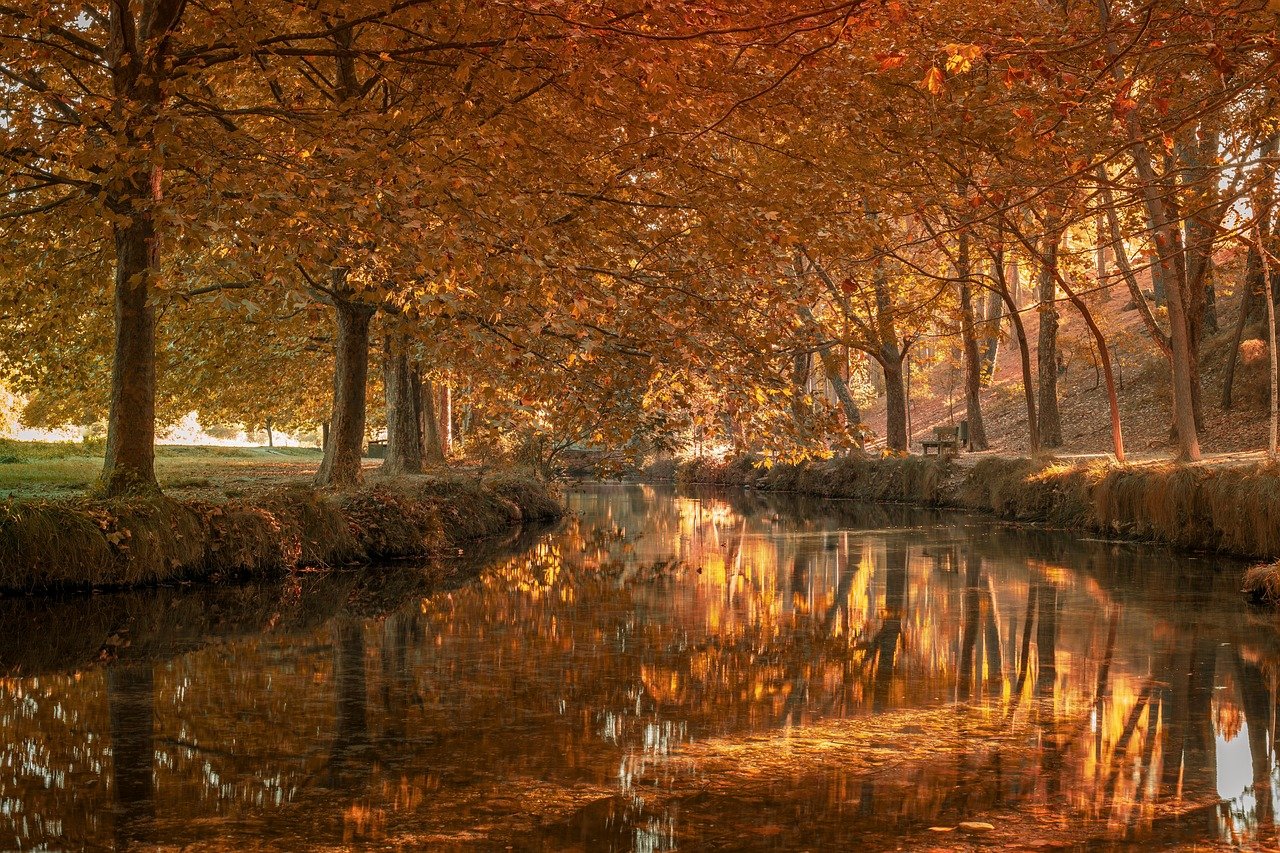
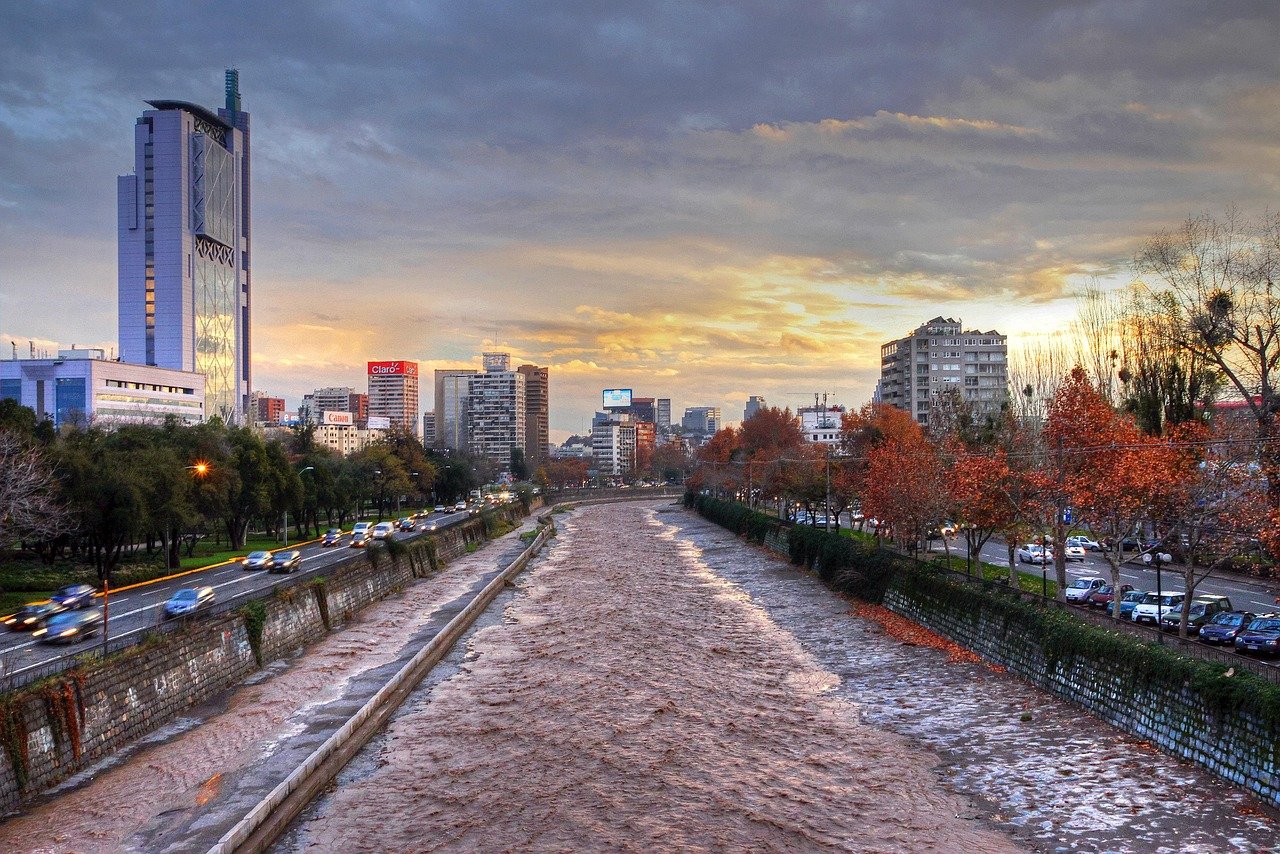
The park’s greatest asset may be its position along the Mapocho. The river has been channelled into a concrete trapezoidal course through the city, and while this engineering has preserved Santiago from flooding, it gives the river a somewhat stern character. The Parque de las Esculturas softens this by creating a green buffer between the water and the street, with mature plane trees, native Chilean palms, and dense plantings of native shrubs providing shade and birdsong. On a Santiago autumn day — March to May — the canopy turns amber and gold above the sculptures, creating photographic conditions of extraordinary richness.
The park connects via the riverside promenade to Parque Balmaceda and, further east, to Parque de las Personas, creating an extended green corridor that runs for several kilometres along the Mapocho’s northern bank. Cyclists, rollerbladers, and joggers use the route regularly, and the combination of urban energy and cultural discovery makes a walk through the park followed by an exploration of the Bellavista neighbourhood an ideal half-day itinerary in Santiago. The Pío Nono bridge at the western end of the park is one of the city’s most photographed pedestrian crossings.
Practical Information
- Tickets: Free admission
- Opening hours: Park is open at all hours; the indoor exhibition hall typically Tuesday–Sunday 10:00 am–6:00 pm
- Best time to visit: Autumn (March–May) for spectacular foliage around the sculptures; spring (September–November) for flowering trees
- Duration: 1–2 hours for a leisurely walk through the park
- Booking: No booking required; just arrive and explore
Local Insights
What locals know that guidebooks don’t always tell you:
- The best photography of the sculptures is in the early morning or late afternoon when the Andean light comes in at a low angle from the east, casting long shadows that animate the abstract forms.
- The Bellavista neighbourhood immediately across the Pío Nono bridge is Santiago’s bohemian quarter — full of craft beer bars, art galleries, and the La Chascona house of poet Pablo Neruda, which makes a perfect companion visit.
- Picnicking is very much permitted and actively encouraged — Providencia families routinely spread blankets between the sculptures on sunny weekends and the atmosphere is relaxed and convivial.
- The indoor gallery sometimes hosts free evening cultural events including poetry readings and small concerts; check the Museo de Bellas Artes website for the current programme.
- The park is exceptionally safe by Santiago standards and is used by locals at all hours; it is pleasant for an evening stroll after dinner in Providencia.
Getting There
- Metro: Line 1 to Baquedano station or Pedro de Valdivia station (5–10 minute walk to the park)
- Bus: Multiple Transantiago routes serve Avenida Santa María along the park’s front edge
- On foot: 20 minutes from Plaza Italia through Bellavista; easily walkable from the Providencia hotel district
- Taxi/Rideshare: Ask for “Parque de las Esculturas, Avenida Santa María 2205” — Uber and InDriver are widely available in Santiago
Frequently asked questions
Is the Parque de las Esculturas really free?
Yes, entirely free. The outdoor park and sculptures can be visited at any time at no cost. The indoor exhibition hall also has free entry during its opening hours.
Can I bring children?
The park is one of the most family-friendly cultural spaces in Santiago. Children are free to run between the sculptures, and the open green space accommodates football games, frisbee, and picnics alongside the art. Several of the more abstract pieces make excellent climbing frames, though the museum technically asks visitors to refrain from climbing on the artworks.
How does the park compare to visiting the Museo de Bellas Artes itself?
The two complement each other well. The Museo de Bellas Artes (located in the city centre near Plaza de Armas) focuses on painting and drawing and has an excellent collection of nineteenth and twentieth-century Chilean art. The Parque de las Esculturas is dedicated to three-dimensional work and has the unique advantage of natural light and open space. A visit to both in the same day gives a comprehensive overview of Chilean art history.
Are there guided tours available?
The Museo de Bellas Artes occasionally organises guided visits to the park, advertised on their website. Independent tour guides in Santiago sometimes include the park as part of a broader Providencia neighbourhood walk. The park is small enough that it is very easy to explore independently.
What else is worth seeing in the Providencia neighbourhood?
La Chascona (Pablo Neruda’s Santiago house), the Mercado de Providencia, the walking street of Avenida Italia, and the Parque Balmaceda are all within easy reach. The neighbourhood also has some of Santiago’s best independent restaurants and cafés.