
Auckland War Memorial Museum
Perched on a volcanic hill in the middle of Auckland Domain, the Auckland War Memorial Museum commands the city like a Greek temple transplanted to the Pacific — its neoclassical columns framing a view across Waitemata Harbour that stretches to the islands of the Hauraki Gulf on a clear day. Inside, the collections are among the finest in the Southern Hemisphere: Maori and Pacific taonga of breathtaking spiritual power, a natural history wing that opens a window onto New Zealand’s extraordinary evolutionary isolation, and solemn galleries that honour the country’s war dead with a dignity the architecture earns. This is Auckland’s cultural heartbeat, and it beats with considerable force.
History of Auckland War Memorial Museum
The museum’s origins reach back to 1852, when a small collection of natural history and Maori artefacts was assembled in a modest room on Princes Street — barely a dozen years after Auckland was founded as New Zealand’s first capital. The collection grew as European settlement expanded, and successive buildings were constructed to house it: a second facility on Princes Street in 1876, a larger building in the Domain in 1929. The current building, designed by the Auckland architectural firm Grierson, Aimer and Draffin in a neoclassical style with a prominent front portico and copper-clad dome, was completed in 1929 and extended in 1960. Its memorial function was added after the First World War, when the museum was dedicated to New Zealanders who had died in service.
The memorial extension of 1960 doubled the building’s footprint and added the Hall of Memories, a solemn circular chamber lined with the names of New Zealand’s war dead beneath a domed ceiling of Kauri wood. A further major expansion in 2006 added the Atrium, a stunning glass-and-steel entry space that provides a contemporary counterpoint to the neoclassical exterior while improving visitor flow dramatically. Today the museum employs over 200 staff and welcomes more than 650,000 visitors annually, making it consistently one of the most-visited attractions in New Zealand.
What to See
The Maori and Pacific galleries on the ground floor are arguably the most important collection of indigenous Pacific material culture in the world. The centrepiece is a full-size nineteenth-century Maori meeting house — a wharenui — named Te Mana o Ngāti Whatua, with elaborately carved posts, rafters, and porch panels that represent the genealogy and history of the iwi who created it. Visitors can enter the house during scheduled cultural performances. Adjacent galleries hold canoes (waka), jade ornaments (pounamu), featherwork cloaks, and weapons that span centuries of Maori life, alongside equally significant collections from Samoa, Tonga, Fiji, and other Pacific nations.
The natural history galleries on the upper floor take a journey through New Zealand’s peculiar evolutionary past: a land isolated from other continents for 80 million years that evolved a fauna unlike anywhere else on earth. The museum holds one of the world’s finest collections of moa skeletons — the giant flightless birds that dominated New Zealand forests before human arrival and were hunted to extinction within centuries of Polynesian settlement. A full-size reconstruction allows visitors to stand next to a giant moa and appreciate its intimidating stature. The geology galleries explore New Zealand’s volcanic and seismic character, including a simulated earthquake experience that gives visitors a visceral appreciation of the forces that shape the country.
The Maori Cultural Performances
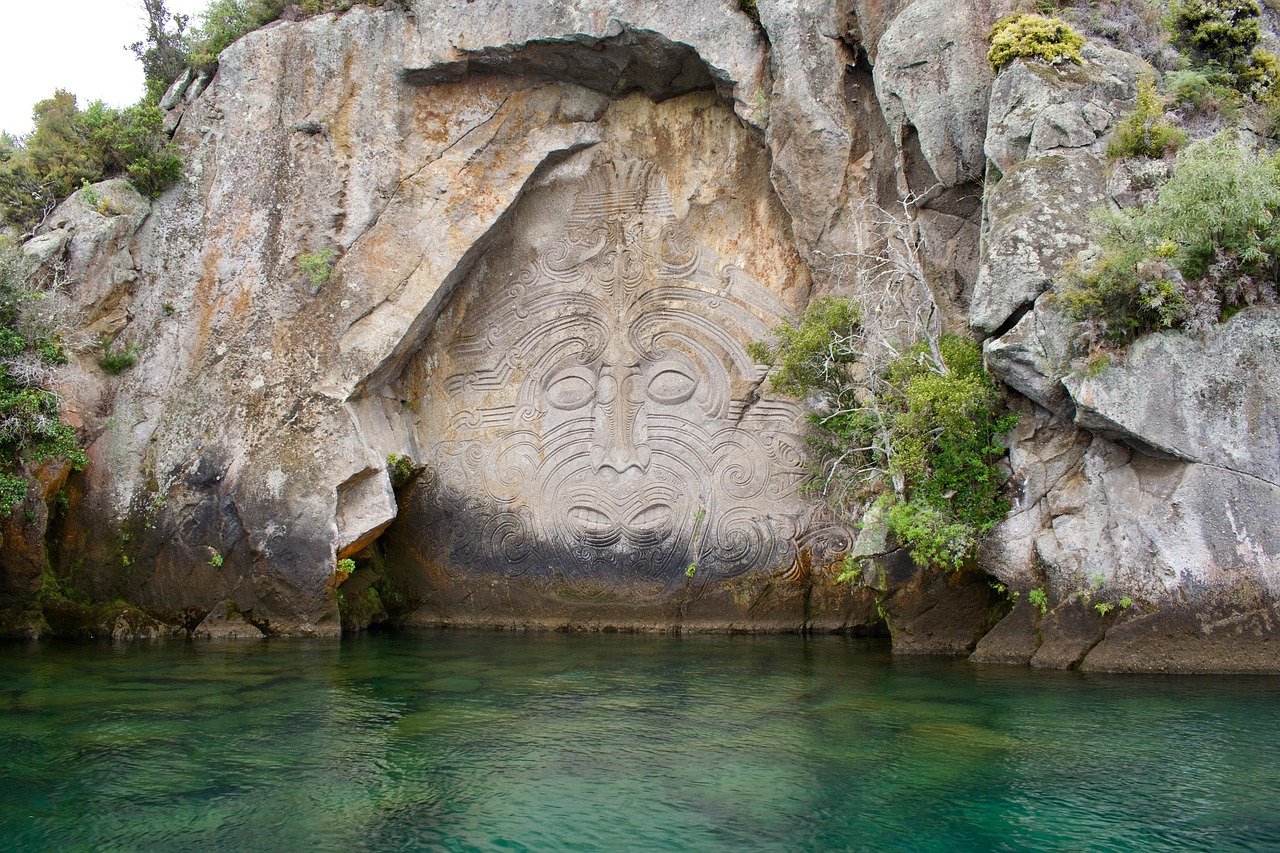
The museum’s daily Maori cultural performances are widely considered among the best introductions to living Maori culture available in New Zealand. Held several times daily in the carved meeting house, the performances include a formal pōwhiri (welcome ceremony), traditional poi and tītī tōrea stick games, and a haka — the vigorous chant-dance that has become New Zealand’s most internationally recognisable cultural expression, familiar to millions through the All Blacks rugby team. The performance is not a sanitised tourist show but a genuine cultural transmission, led by kaumatua (elders) and performers who explain the meaning of each element in English and te reo Māori.
The performances last approximately 45 minutes and end with an opportunity for visitors to have questions answered by the performers. The experience provides context that transforms the surrounding collection from a display of beautiful objects into a living narrative. Many visitors report that attending the performance first and then revisiting the galleries with this context is the most rewarding way to structure a visit. Booking the performance slot at admission is strongly recommended as places fill quickly.
Practical Information
- Tickets: Adults NZD 28; children (5–14) NZD 12; under-5s free; New Zealand residents free with proof of residency
- Opening hours: Daily 10:00 am–5:00 pm; closed Christmas Day
- Best time to visit: Weekday mornings for smaller crowds; late afternoon has good light through the Atrium
- Duration: 2.5–4 hours for a thorough visit including a cultural performance
- Booking: Tickets available at the door; cultural performance slots should be booked at admission; online ticket purchase available
Local Insights

What locals know that guidebooks don’t always tell you:
- New Zealand residents (citizens and permanent residents) enter the museum for free — just bring ID. This means the café inside is often full of Aucklanders having business lunches; the food is genuinely good and worth staying for.
- The museum’s roof terrace (accessible via the lift) offers one of the best views of Auckland’s volcanic landscape and harbour, completely free once you’ve paid admission — it’s less crowded than the Sky Tower observation deck and the scale is more human.
- Auckland Domain itself is a wonderful extension of the visit: the sunken winter gardens immediately behind the museum are free to enter and spectacular in bloom; the Domain is also a popular spot for local cricket matches on summer weekends.
- The volcano beneath the museum — Pukekaroro — is one of 50 volcanic cones scattered across the Auckland isthmus. The slight hill on which the museum stands is the remnant of its eruption, and standing on it you are literally atop a dormant volcano.
- The museum shop has the best selection of authentic Maori and New Zealand crafts in Auckland, with a strict provenance policy ensuring items are genuinely made by New Zealand artists.
Getting There
- Bus: City Link buses 645, 655 and 660 serve the Domain; Bus 70 stops on Parnell Road near the Domain entrance
- On foot: 25-minute walk from Britomart transport hub; 15 minutes from Newmarket; a pleasant walk through the Domain from Parnell
- By car: Parking available on Parnell Road and on Domain Drive near the museum entrance; free parking in the Domain outside peak hours
- Taxi/Rideshare: Ask for “Auckland Museum, Domain Drive” — Uber is widely available in Auckland; a fare from the CBD is approximately NZD 12–18
Frequently asked questions
Is the Auckland Museum free for New Zealand residents?
Yes, New Zealand citizens and permanent residents enter free with proof of residency (passport or residency permit). International visitors pay the standard admission fee. Children under 5 are free for all visitors.
How long does the Maori cultural performance last?
The performances run approximately 45 minutes. There are usually 3–4 performances daily. Times are listed at the admission desk and on the museum’s website. It is strongly recommended to book your preferred performance slot at admission as they fill up, particularly during school holidays and peak tourist season.
Can I visit the museum with young children?
The museum is very family-friendly with interactive galleries, a dedicated children’s discovery centre, and family toilets throughout. The natural history galleries with moa skeletons and the earthquake simulator are particularly popular with children. The cultural performances are appropriate for all ages, though very young children may find the haka loud.
Is there somewhere to eat at the museum?
The museum café on the ground floor serves light meals, sandwiches, cakes, and coffee. There is also a waterfront-view café on the lower level. Both are of above-average quality for museum catering. The Domain’s surrounding parkland is ideal for picnics if you bring your own food.
What other attractions are near the museum?
Auckland Domain’s Winter Garden is immediately adjacent and free. Parnell village, with its boutique shops and cafés, is a 10-minute walk. The Auckland Art Gallery in the CBD is a 25-minute walk or short bus ride.