
Piha Beach
The black sand absorbs the heat of the New Zealand sun and sends it radiating up through your bare feet as you walk toward the Tasman Sea, where waves pile and break around the base of Lion Rock, a 16-million-year-old volcanic neck rising 100 metres from the shoreline like a sleeping guardian. Piha Beach is wild, dramatic, and beloved by Aucklanders with a fierce possessiveness that mirrors the Tasman Sea itself: powerful, beautiful, and occasionally dangerous if you misread it.
History of Piha Beach
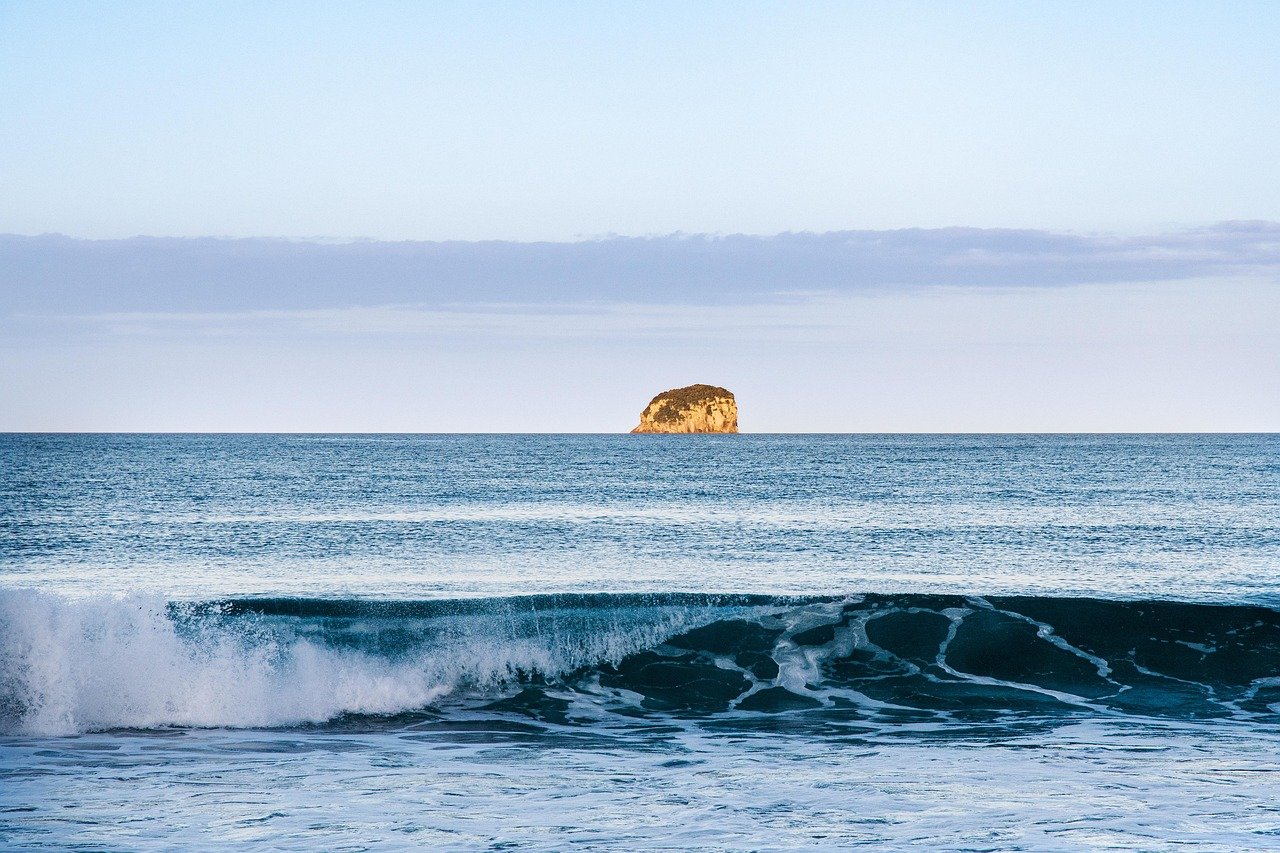
Piha was originally a Maori settlement, occupied by Te Kawerau a Maki whose descendants still hold mana whenua (territorial rights) over the Waitakere Ranges. The name Piha comes from the original Maori name for Lion Rock, a term meaning the divided ripple at the bow of the canoe, a reference to the wave pattern breaking around the rock base. The beach was accessible to European settlers only after a rough coastal road was cut through the Waitakere Ranges in the early 20th century.
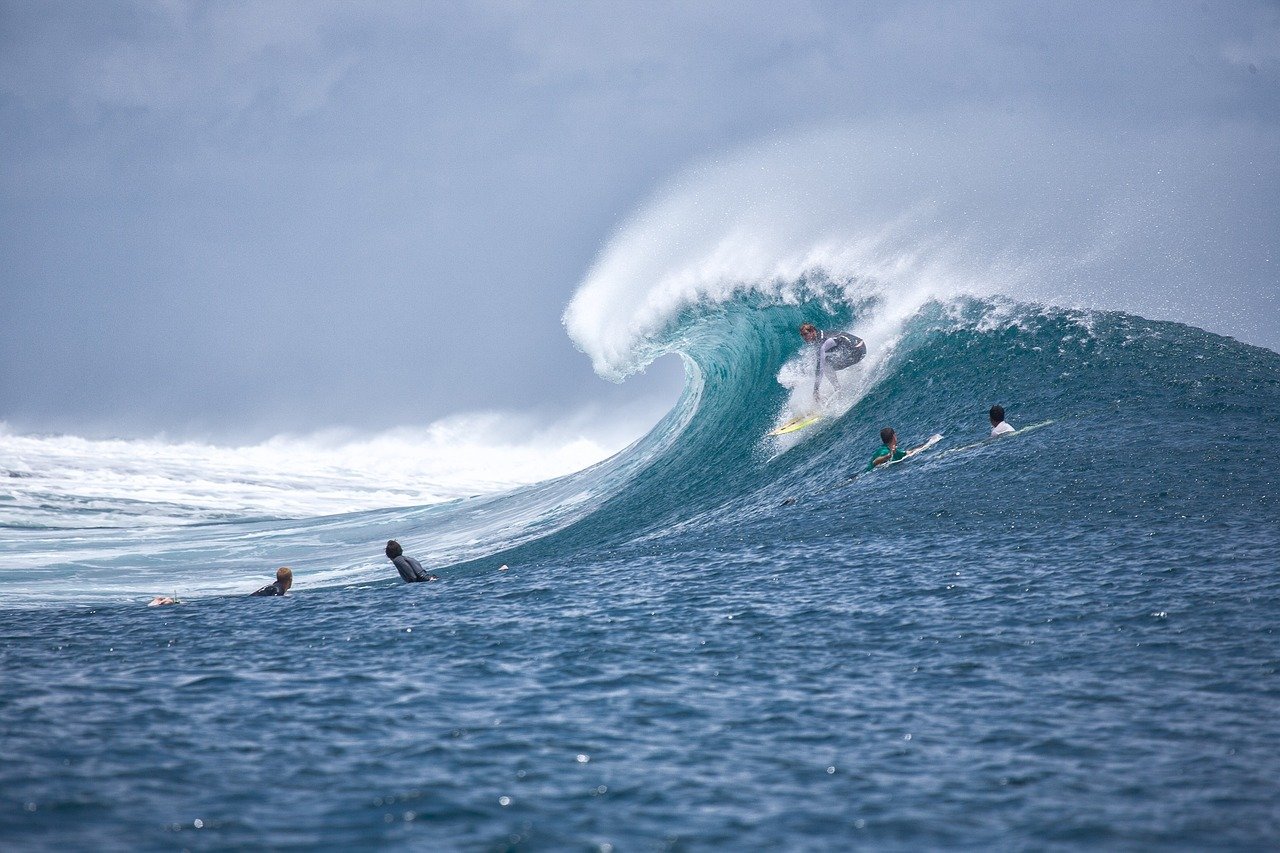
Piha holds a special place in New Zealand sporting history: in 1958, two Californian surf lifesavers named Bing Copeland and Rick Stoner arrived at Piha with Malibu surfboards and introduced modern surfboard riding to New Zealand by surfing across the faces of the waves. This moment marked the beginning of New Zealand surf culture. Piha has since hosted national and international surfing championships and produced some of the country finest wave riders.
What to See
Lion Rock is the visual centrepiece of Piha, an eroded volcanic neck that looks from the right angle exactly like a sleeping lion. A steep track climbs to a midpoint lookout offering views down the length of the beach, north to the Manukau Heads, and south to Karekare Beach where the film The Piano was shot. The walk takes about 20 minutes to the viewpoint and requires sturdy shoes.
The beach is divided into North Piha and South Piha by Lion Rock. North Piha tends to be less crowded with gentler surf on most days; South Piha is the main patrolled section with lifeguards in summer and the surf club at its northern end. The beach is backed by native bush-covered hills of the Waitakere Ranges Regional Park, and short walking tracks penetrate the forest to rock pools, waterfalls, and lookout points above the coastline.
Surfing and the Sea
The black sand that defines Piha Beach originates from volcanic rock in the Taupo volcanic zone in the central North Island, eroded by rivers including the Waikato and swept along the coastline to west Auckland beaches. The colour and mineral composition make it denser than white sand, retaining more heat in sunlight, which is why walking barefoot on Piha at midday on a hot summer afternoon requires some commitment.
Piha is not a beach for casual swimmers. The Tasman Sea generates powerful surf year-round and rip currents are persistent and can be subtle. The beach is patrolled by surf lifesavers from Labour Day (October) through Easter. Outside patrol hours, swimming is strongly discouraged except in designated safe areas, and the lifesaver motto of always swimming between the flags is not a polite suggestion at Piha.
Practical Information
- Tickets: Free public access; parking fees may apply at the main beach car park
- Opening hours: Beach open 24 hours; surf patrol October-April approximately 09:00-18:00 during peak season
- Best time to visit: December-March for swimming; year-round for surfing and photography; early morning for the beach to yourself
- Duration: Half to full day
- Booking: No booking required; surf lessons available through Piha Surf Academy with advance booking
Local Insights
What locals know that guidebooks do not always tell you:
- Always swim between the flags; Piha rips can pull you out faster than you can react. Never swim alone, and if caught in a rip, swim parallel to shore rather than fighting it.
- Arrive by 8 am in summer to get a car park space; the main car park fills by mid-morning on weekends and road parking backs up the access road.
- The Piha Store near the Lion Rock car park sells excellent pies and coffee and has been feeding surfers since the 1970s.
- The walk to Kitekite Falls (about 45 minutes return from the Piha Valley Road trailhead) leads to a beautiful three-tier waterfall with a swimming hole, largely unknown to day-trippers.
- The lookout halfway up Lion Rock is accessible to most visitors; the full summit is closed to protect nesting birds, but the midpoint view is already superb.
Getting There
- By car: State Highway 16 northwest from Auckland then Piha Road through the Waitakere Ranges; approximately 45-60 minutes from central Auckland
- By shuttle: Seasonal shuttle services from Auckland CBD operate during summer; check Auckland Transport and local operators for current schedules
- By bus: Limited public bus service; check Auckland Transport for current routes
- Taxi/Rideshare: Available but expensive from Auckland; approximately 45-minute drive
Frequently asked questions
Is Piha Beach safe for swimming?
It can be safe in designated areas between the flags when lifeguards are on patrol (October-April). Outside patrol hours swimming is dangerous for all but experienced ocean swimmers. Always check the flags and heed lifeguard instructions.
Can I surf at Piha as a beginner?
With a lesson from the Piha Surf Academy, yes. The conditions are not ideal for complete beginners without instruction, but experienced instructors can place you in suitable sections. Book a lesson in advance.
Can I climb Lion Rock?
A track leads to a midpoint lookout. The full summit is closed to protect nesting seabirds. The midpoint track takes about 20-30 minutes and requires sturdy shoes; it can be slippery when wet.
Are there facilities at Piha Beach?
Yes. There are public toilets, changing rooms, and an outdoor shower near the main beach. The Piha Store and a small cafe provide food and drinks. A surf club with occasional food service operates at South Piha.
Is the drive to Piha suitable for all vehicles?
Piha Road is sealed and suitable for regular cars. The road through the Waitakere Ranges is narrow and winding in places; drive carefully and observe posted speed limits.