
Waiheke Island
Just 35 minutes by ferry from downtown Auckland, Waiheke Island feels worlds away — a sun-drenched escape of rolling vineyards, sheltered sandy beaches, and olive groves tumbling down to the Hauraki Gulf. Locals call it the “Island of Wine,” and the moment you step off the boat in Matiatia Bay, the easy pace of island life takes hold. Pohutukawa trees crowd the clifftops, tui birds dart between flowering canopies, and the distant Auckland skyline shimmers across sparkling blue water.
History of Waiheke Island
Waiheke has been inhabited for centuries. Māori iwi (tribes), particularly Tainui and Ngāti Pāoa, settled the island long before European contact, fishing its rich waters and cultivating the fertile land. The island’s name in Māori — “Waiheke” — is thought to translate to “cascading waters,” a reference to the many streams that feed the island’s coastal inlets. Pā (fortified villages) once stood on the headlands, and traces of these ancient earthworks can still be seen on the island’s ridgelines today.
European settlement arrived in the 19th century, with missionaries and farmers slowly transforming the landscape. For much of the 20th century, Waiheke was a quiet farming and fishing community, home to alternative lifestyle settlers who were drawn by affordable land and the island’s artistic spirit. The wine revolution came in the 1980s, when pioneering winemakers discovered that Waiheke’s dry, rocky soils and warm microclimate were ideal for growing Bordeaux varietals. Today, over 30 boutique wineries and vineyards operate on the island, many of which have earned international acclaim for their Cabernet Sauvignon and Syrah blends.
What to See
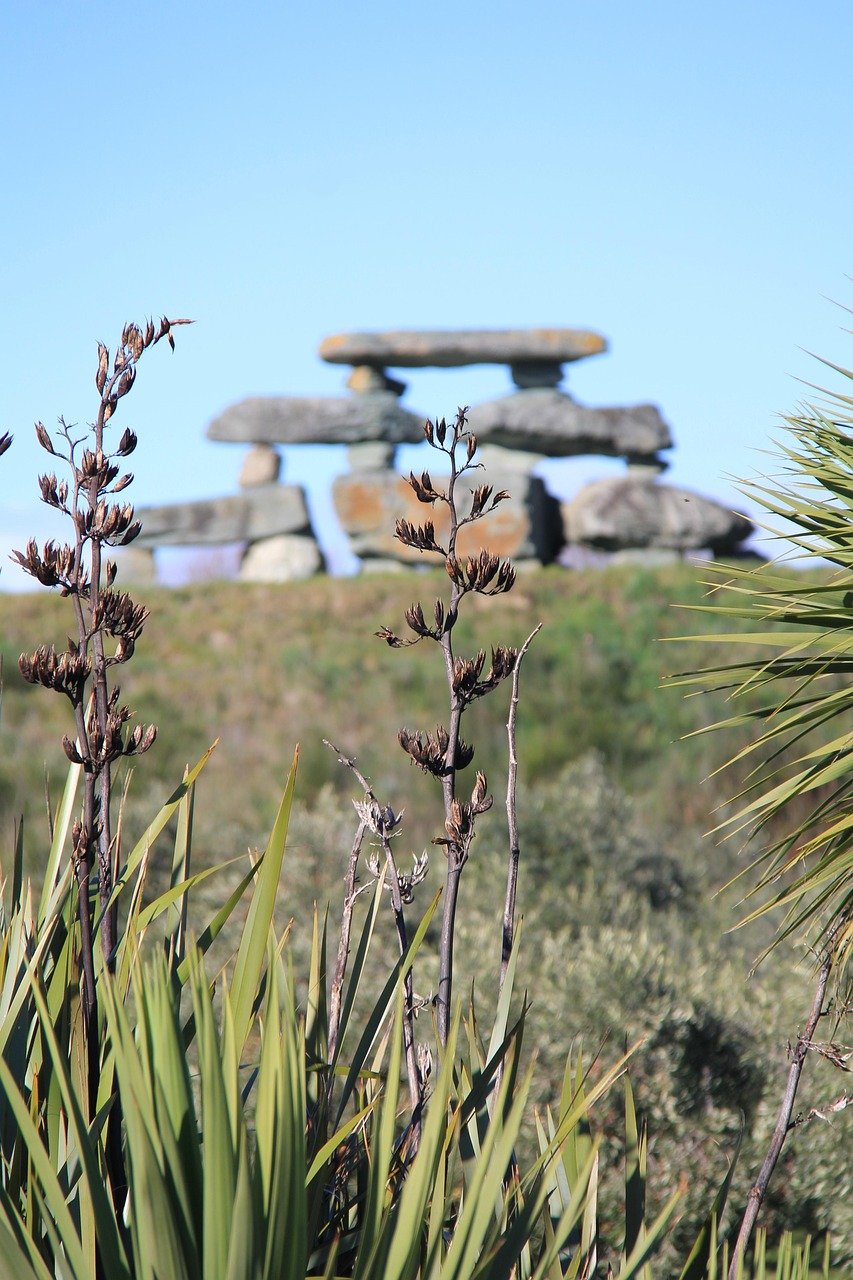
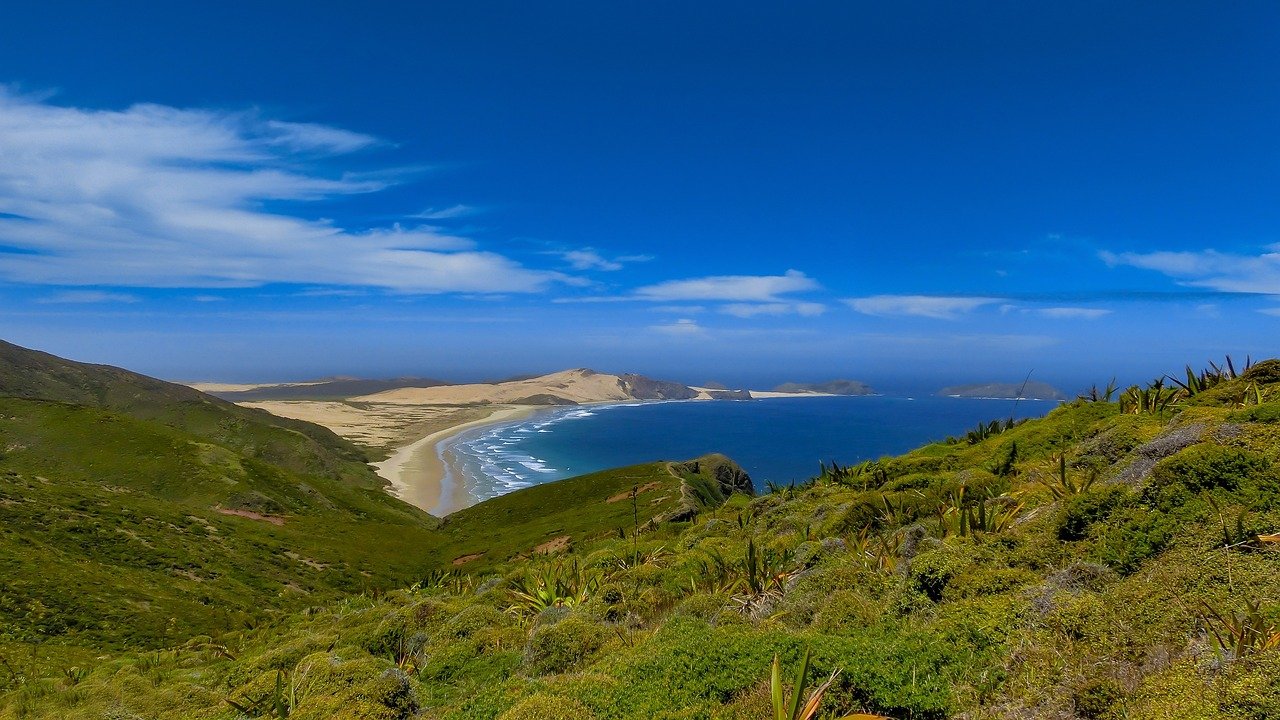
Waiheke’s beaches are among New Zealand’s finest, and Onetangi Beach — a long, white-sand strip on the northern coast — is the island’s showpiece. Palm Beach and Little Oneroa offer calmer waters perfect for families with young children. Between beach sessions, the island’s arts scene thrives: the Artworks complex in Oneroa houses galleries and performance spaces, and local studios scatter across the island. The Waiheke Sculpture Trail winds through native bush and vineyards, showcasing large-scale outdoor works that change each year.
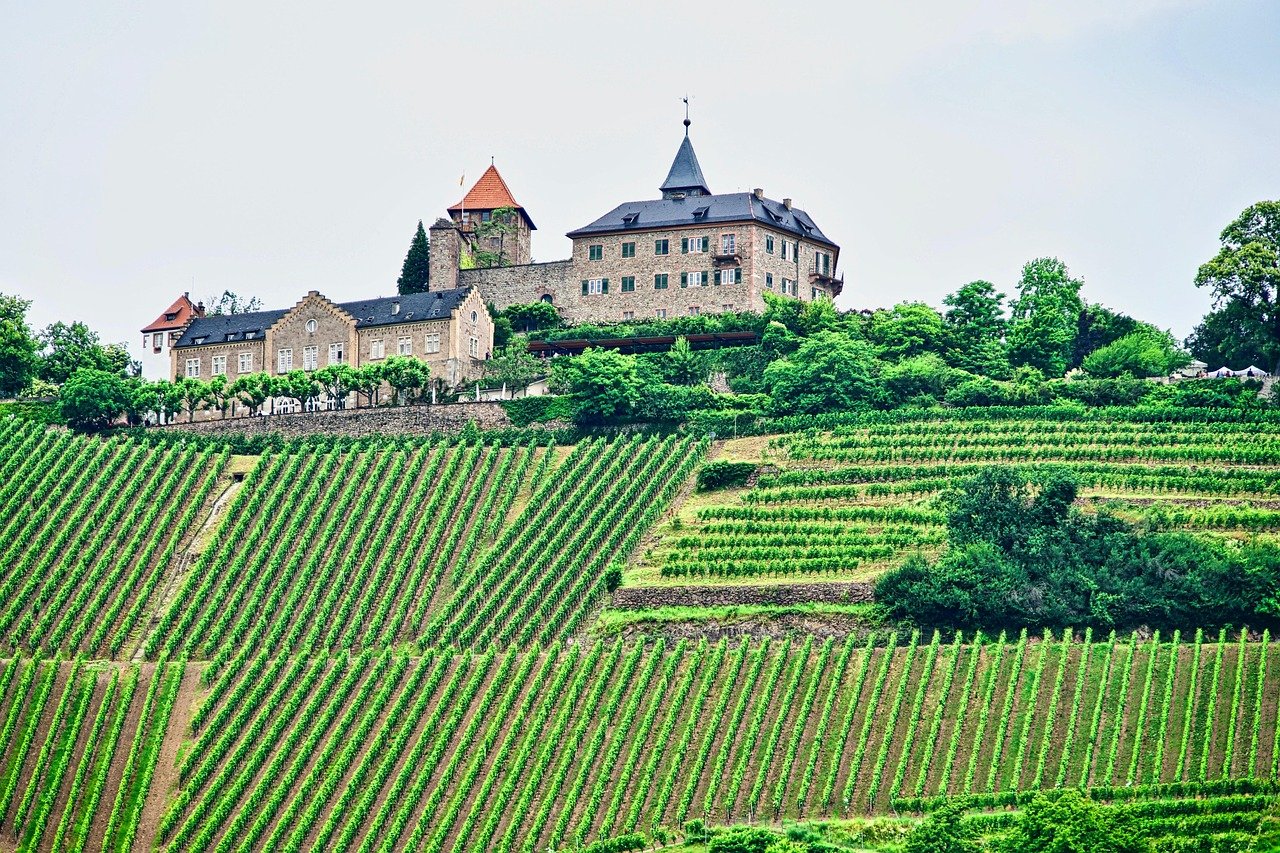
The vineyard experience is central to any Waiheke visit. Estates like Stonyridge, Mudbrick, and Te Whau combine world-class wines with spectacular Gulf views and excellent restaurant dining. Most wineries offer cellar-door tastings throughout the day, and many run formal tours that explain the island’s unique terroir and winemaking philosophy. Beyond wine, Waiheke produces outstanding olive oil — local producers operate tastings from their groves, offering a quieter alternative to the busy cellar doors.
The Wine and Culinary Scene
Waiheke punches well above its weight culinarily. The island hosts acclaimed restaurants set amid vineyard terraces with panoramic Gulf views — it’s genuinely one of New Zealand’s most rewarding dining destinations. Mudbrick Vineyard’s restaurant and Te Whau’s clifftop setting are regularly cited among the country’s best dining experiences. The weekly Ostend Saturday Market brings together island food producers, artists, and craftspeople from 8am, making it a wonderful introduction to Waiheke’s community character.
For visitors who want a structured experience, Fullers360 offers guided wine tours departing from Auckland that bundle the ferry crossing, vineyard visits, and lunch into a full-day package. Self-guided exploration is equally rewarding — the island’s bus network connects the ferry terminal to most major vineyards and beaches, and electric bikes can be hired at Matiatia to explore at your own pace. The Waiheke Wine Trail app maps all cellar doors and includes tasting notes for each estate.
Practical Information
- Tickets: Ferry from Auckland: approx. NZ$40–$50 return per adult; NZ$20–$25 for children. Book via Fullers360. Wine tours and beach experiences priced separately.
- Opening hours: Island accessible year-round. Vineyards typically open 11am–5pm daily; some closed Monday–Tuesday in off-season.
- Best time to visit: November to April (New Zealand summer) for best beach weather. January–March is peak season — book ferries and restaurant tables in advance.
- Duration: Half-day minimum; full day recommended. Overnight stays allow a far more relaxed experience.
- Booking: Ferries via fullers360.com. Winery dining reservations essential, especially weekends.
Local Insights
What locals know that guidebooks don’t always tell you:
- The 8am Fullers ferry on weekends fills up fast with day-trippers — catch the 9:30am service for a slightly quieter crossing and better parking at the Matiatia terminal.
- Onetangi Beach at the far eastern end is less visited than Palm Beach and Oneroa — worth the extra bus ride for more space on busy summer days.
- The Waiheke Community Art Gallery in Oneroa is free entry and often features impressive local and New Zealand artists — a quieter gem amid the vineyard crowds.
- Many vineyards allow BYO picnics on their lawns — call ahead; Stonyridge and Cable Bay both welcome visitors who bring their own food when dining gets pricey.
- Rent an e-bike from Waiheke Bike Hire at the ferry terminal rather than relying on the bus — you’ll reach hidden beaches and lookouts that bus routes miss entirely.
Getting There
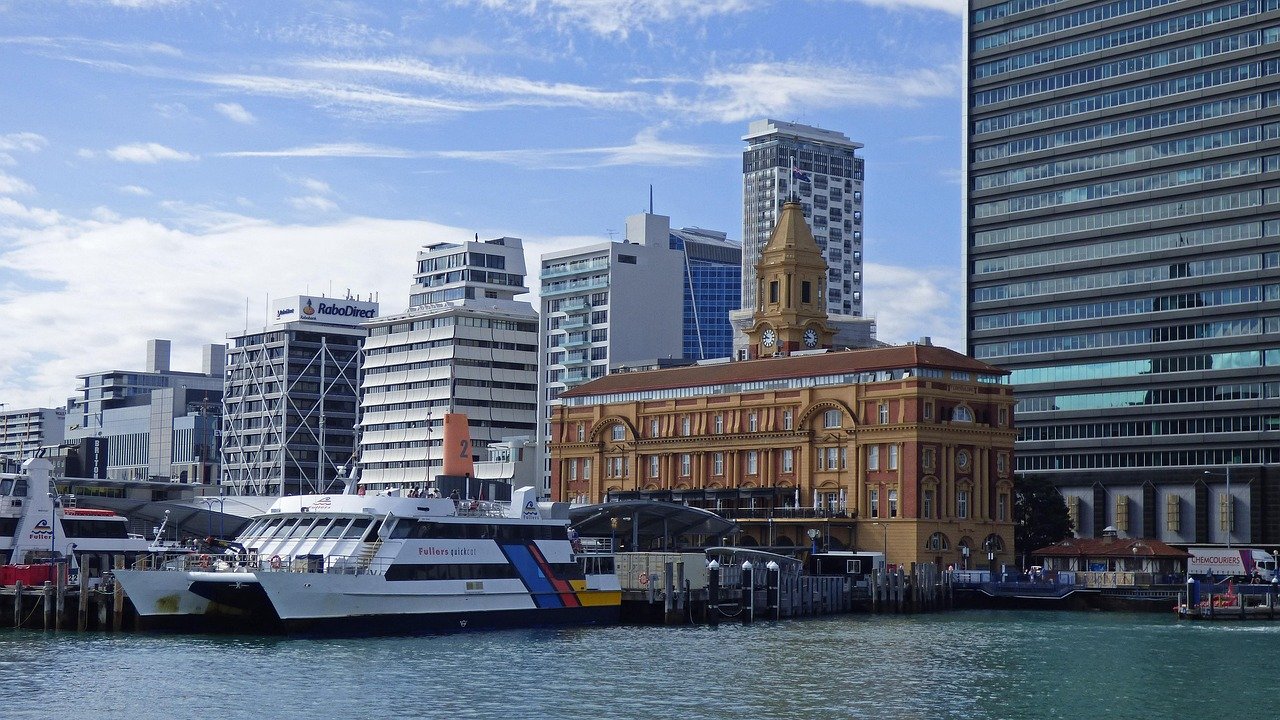
- Ferry: Fullers360 operates ferries from Auckland’s downtown Ferry Building (99 Quay Street) every 30–60 minutes. Journey time: 35 minutes.
- On the island: Waiheke Buses service the main routes from Matiatia terminal. Timetables available at the ferry terminal.
- Taxi/Rideshare: Island taxis meet most ferries at Matiatia. Pre-booking recommended in summer.
- Bike or car rental: Available at Matiatia terminal — car hire useful if visiting multiple wineries in a single day.
Frequently asked questions
Do I need to book the ferry in advance?
Advance booking is strongly recommended for summer weekends and public holidays, when ferries can sell out. During weekdays and off-season travel, walk-up tickets are usually available. Book via the Fullers360 website or app.
Is Waiheke Island worth a full day trip?
Absolutely — a full day allows you to combine at least two winery visits, a beach stop, and lunch without feeling rushed. Half-day trips are possible but you’ll only scratch the surface of what the island offers.
Is Waiheke accessible for mobility-impaired visitors?
The ferry is wheelchair accessible, and several vineyards and restaurants have level access. However, some beaches require walking across soft sand, and the island’s hilly terrain can be challenging. Contact specific venues in advance to confirm accessibility.
Can I bring my car to Waiheke?
Yes, Sealink operates a car ferry from Half Moon Bay in east Auckland. However, bringing a car is usually unnecessary — island buses, taxis, and bike rentals cover most visitor needs and parking can be scarce in summer.
What is there to do on Waiheke beyond wineries?
Waiheke offers excellent hiking (the Stony Batter Historic Reserve features WWII gun emplacements), kayaking, paddleboarding, olive oil tastings, a thriving arts scene, and some of New Zealand’s best coastal restaurants. It’s far more than just a wine destination.