
Waitomo Caves
Underground, the darkness is absolute — then, as your eyes adjust, you see them: thousands of tiny blue-green pinpricks of light scattered across the cave ceiling like a galaxy glimpsed through black velvet. The sound of an underground river fills the air. You are floating silently on a raft through the Glowworm Grotto of Waitomo, staring up at a living constellation created by the larvae of Arachnocampa luminosa, a species of fungus gnat found only in New Zealand. It is one of the most otherworldly experiences on earth.
History of Waitomo Caves
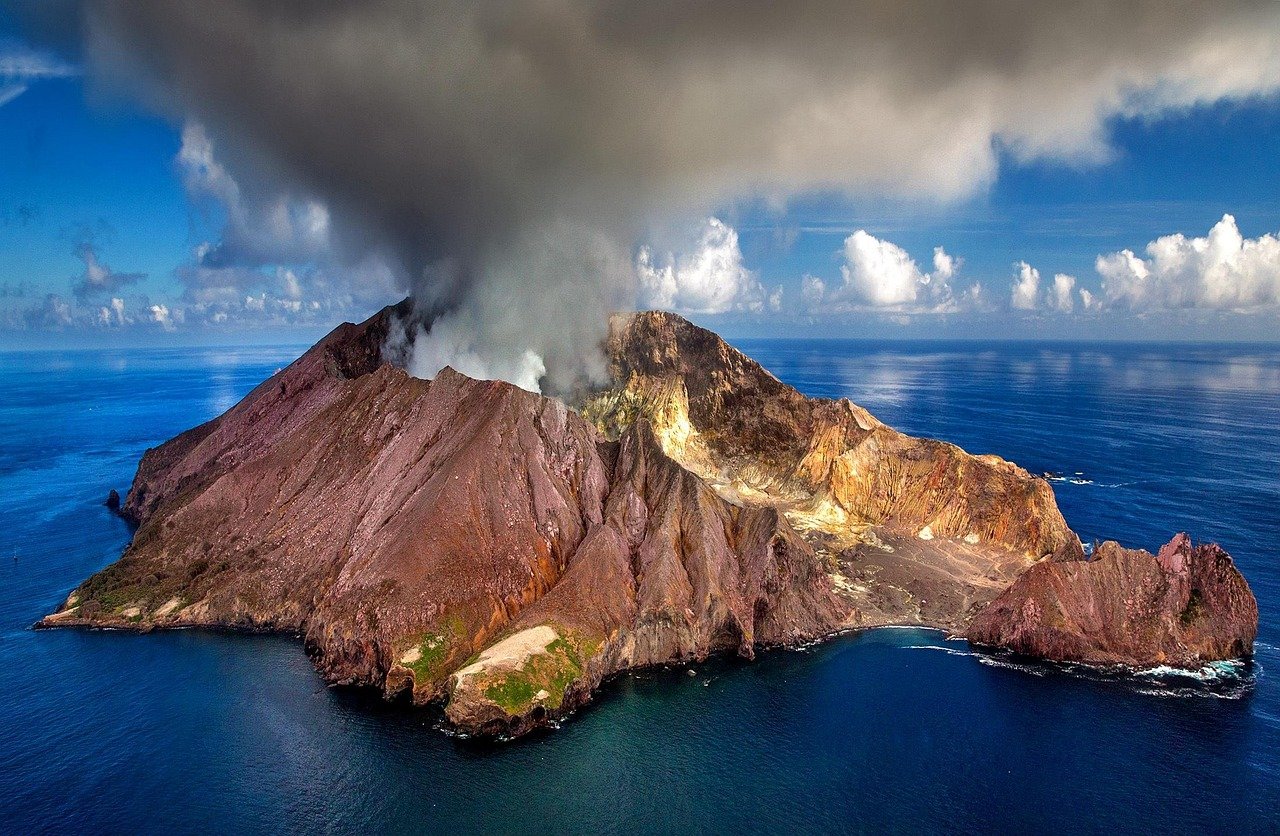
The Waitomo cave system has been known to the local Tainui Maori for centuries — oral tradition records visits to the caves as part of navigation and resource gathering in the Waikato region. The name Waitomo itself derives from Maori: “wai” (water) and “tomo” (shaft or hole), describing the remarkable way underground rivers vanish into limestone sinkholes throughout the area. The caves were first brought to wider attention in 1887 when Maori chief Tane Tinorau guided local surveyor Fred Mace into the cave system on a raft of flax, the two men poling through the dark grotto with only candles for light until they looked up and saw the glowworm ceiling for the first time.
Tane Tinorau and his wife opened the caves to paying visitors in 1889, making Waitomo one of the world earliest ecotourism destinations. The New Zealand government took over management in 1906, building infrastructure and expanding guided tours, before eventually returning ownership and management to local Tainui descendants in 1989. The Waitomo Caves Discovery Centre opened in 2010, providing scientific and cultural context for what visitors see underground. The cave system has since expanded to include the separately ticketed Ruakuri and Aranui caves nearby, making Waitomo a full-day destination for cave enthusiasts.
What to See
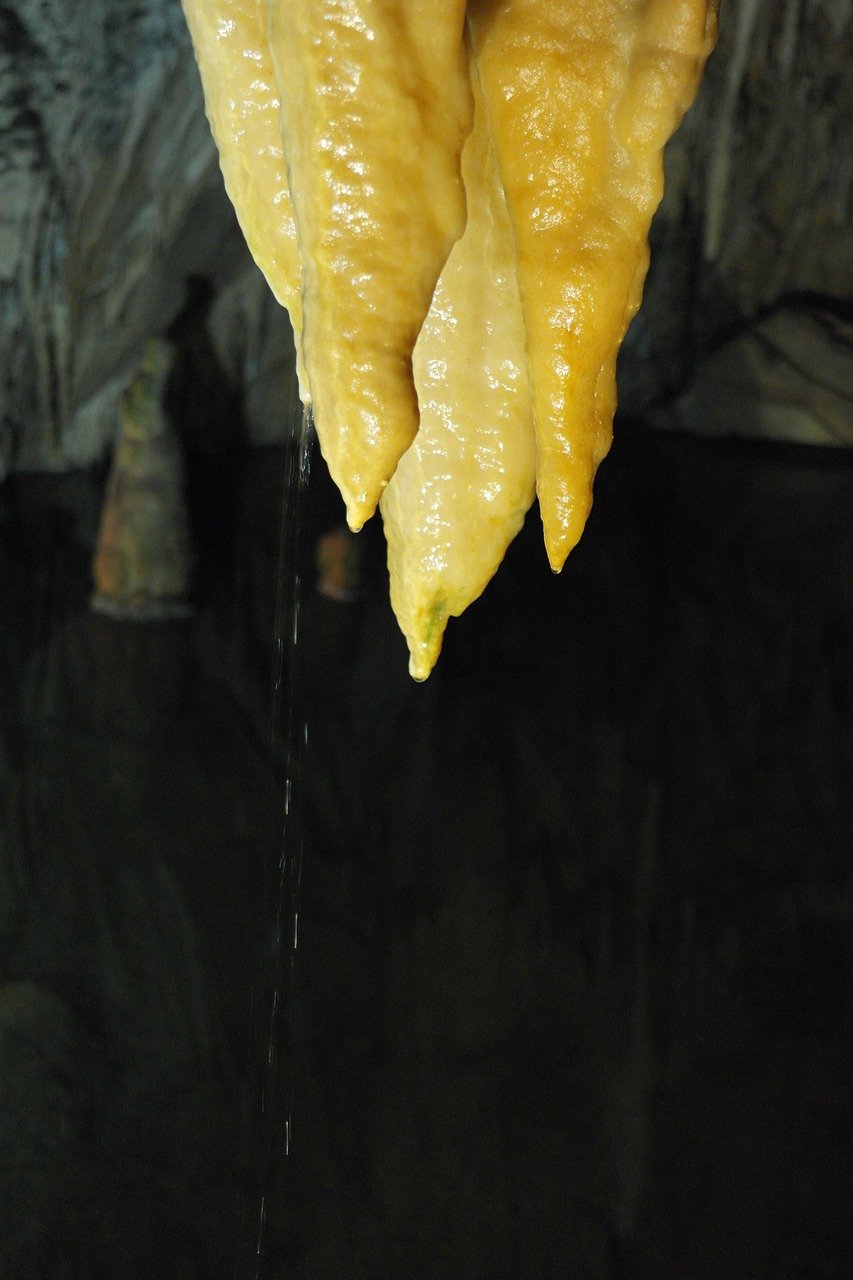
The main Waitomo Glowworm Cave tour begins with a guided walk through the Cathedral — a dramatic chamber with superb acoustic properties that has been used for concerts and even wedding ceremonies. The formations here include stalactites, stalagmites, and flowstone curtains created over hundreds of thousands of years as calcium-rich water deposited calcite layer by layer. The Cathedral’s dimensions allow guides to demonstrate its remarkable echo, and some tours pause here for a brief performance to show off the acoustics.
The tour continues to the Glowworm Grotto for the famous raft ride. The glowworms — actually the bioluminescent larvae of the Arachnocampa luminosa fungus gnat — produce their light to attract insects, which become trapped in sticky silk threads the larvae hang from the cave ceiling. The density of glowworms in Waitomo is exceptional, creating a canopy of light that can contain up to 300 individual organisms per square meter. Photography during the boat ride is permitted but challenging — the light output of the glowworms is beautiful to the eye but very low for cameras.
Adventure Options
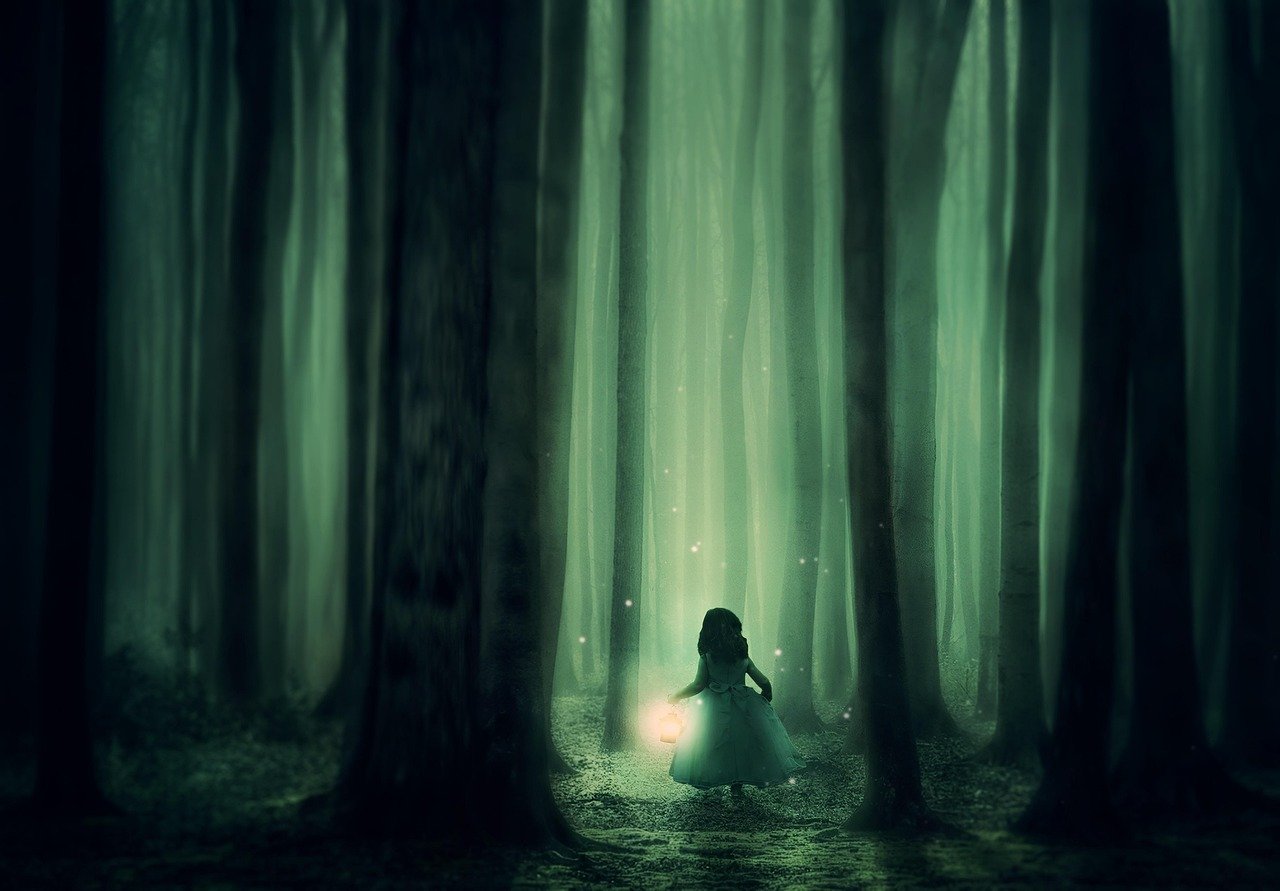
Beyond the standard guided tour, Waitomo is famous for its adventure caving offerings. Black water rafting — floating through underground rivers on inflatable tubes — was pioneered here and remains the signature adrenaline experience, taking participants through the same glowworm-lit passages in a more active and wet format. The Black Abyss adventure adds abseiling down a 100-meter shaft and flying foxes through illuminated chambers. The Ruakuri cave system, accessible from the same visitor center, offers a longer and more geologically diverse alternative to the main Glowworm Cave, with a spiral entry tunnel and elaborate fossil coral formations.
The surrounding Waitomo district offers limestone karst landscapes above ground as well — the same geological processes that created the caves have shaped the surface into a distinctive terrain of sinkholes, outcrops, and natural arches, much of it accessible on walking tracks through farming country. The Mangaohane Walkway and the Opapaka Pa Historic Reserve provide cultural and natural context for the wider landscape beyond the caves themselves.
Practical Information
- Tickets: Glowworm Cave tour: NZD 61 adults, NZD 28 children (4-14). Black water rafting from NZD 155. Ruakuri Cave from NZD 55. Family passes available.
- Opening hours: Daily 09:00-17:00; tours depart every 30 minutes during peak hours. Pre-booking essential in summer.
- Best time to visit: Weekday mornings for smaller groups. Summer (December-February) is busiest — book at least a week in advance.
- Duration: 45 minutes for the Glowworm Cave tour; 2-3 hours for black water rafting; a full day for multiple cave experiences.
- Booking: Online at waitomo.com; strongly recommended. Walk-in tickets subject to availability.
Local Insights
What locals know that guidebooks do not always tell you:
- The boat ride portion of the standard tour is genuinely short — only about 10 minutes. If the glowworms are your main interest, the Ruakuri Cave also has an excellent glowworm gallery and tends to have slightly smaller groups.
- Camera settings for the Grotto: use a tripod if permitted, ISO 3200-6400, and a 15-30 second exposure. Flash is pointless and disruptive — the glowworms actually dim their light when disturbed.
- Waitomo village has a handful of excellent cafes and the Waitomo Caves Hotel for accommodation — staying overnight allows you to visit the caves at different tour times and explore the surrounding countryside.
- The limestone caves are slightly warmer than outside in winter and cooler in summer — a fleece or light jacket is recommended regardless of season.
- The Black Water Rafting company and the Waitomo Caves company are separate operators sharing the same area — check both websites for deals and different tour styles before booking.
Getting There
- By car: Waitomo is 202 km south of Auckland on State Highway 3 — about 2.5 hours driving. Signposted clearly from Te Awamutu and Otorohanga.
- Bus: InterCity buses connect Auckland, Hamilton, and Waitomo. From Auckland the journey takes about 3.5 hours with a transfer at Otorohanga.
- From Rotorua: About 2 hours driving via Putaruru — often combined with Rotorua geothermal attractions as part of a North Island circuit.
- Organized tour: Many Auckland and Rotorua operators offer day-trip packages to Waitomo including transport and cave entrance.
Frequently asked questions
Can I photograph inside the Waitomo Glowworm Cave?
Photography is permitted in most areas of the cave, including the Grotto boat ride, but flash photography must be switched off as it disturbs the glowworms. Long-exposure shots without flash produce the most atmospheric results. Tripods are not permitted during tours.
Are the Waitomo Caves suitable for children?
Yes — the standard Glowworm Cave tour is suitable for all ages including young children. Adventure caving options have minimum age requirements (typically 10-16 depending on the activity). Check specific age and fitness requirements when booking.
What is the difference between the Waitomo caves?
The Glowworm Cave is the most famous and focuses on the glowworm colony and the Cathedral chamber. Ruakuri Cave is longer (2.2 km) with more elaborate cave formations and its own glowworm section. Aranui Cave specializes in coral formations with a different geological character. All three can be visited in a single day on a combo ticket.
Is the cave tour accessible for visitors with mobility issues?
The Glowworm Cave tour involves steps and uneven ground — it is not suitable for wheelchairs. The Ruakuri Cave has been partially modified to be more accessible, with a lift and some flat sections; contact the caves directly to discuss specific needs.
How crowded does Waitomo get?
Tours are capped at around 20 people and depart frequently, so the experience never feels overwhelming. Summer school holidays (December-January) and Easter are the busiest periods — book well in advance for those dates.