
Al-Azhar Park 💎 Hidden Gem
For most of Cairo’s history, the Darassa Hills on the eastern edge of the medieval city were buried under five centuries of accumulated refuse — a vast garbage mound that grew as the city grew, quietly poisoning the ground beneath one of the world’s greatest concentrations of medieval Islamic architecture. Then, in 2005, the Aga Khan Trust for Culture completed what is widely considered one of the most ambitious urban restoration projects of the modern era: transforming 74 acres of rubble and waste into Al-Azhar Park, a sweeping green oasis that gave Cairo something it had scarcely possessed before — a great public park at the heart of the historic city, with views that no amount of money could have engineered.
History of Al-Azhar Park
The story of Al-Azhar Park begins not in a park, but in a 12th-century wall. During excavations to prepare the site in the 1990s, workers uncovered the largely buried Ayyubid Wall — an enormous fortification built by Saladin’s successors around 1176–1182 AD to enclose and protect Cairo. The wall had been hidden under the Darassa garbage heap for centuries and was unknown to modern scholars. The Aga Khan Trust halted the park’s development, undertook a major archaeological excavation, and then incorporated the restored wall into the park’s eastern boundary, turning an accident of discovery into one of the project’s most compelling features. A 1.5 km stretch of the Ayyubid Wall now stands exposed and restored, complete with towers and a beautifully preserved gate.
The broader context of the park’s creation involves one of Cairo’s most persistent urban crises. The adjoining Darb Al-Ahmar neighborhood — a densely packed medieval quarter of crumbling Mamluk and Ottoman buildings — had become one of the city’s most impoverished districts, its historic architecture deteriorating rapidly. The Aga Khan Trust linked the park project to a comprehensive neighborhood revitalization effort: restoring over 60 historic monuments in Darb Al-Ahmar, training local craftspeople in traditional building techniques, improving sanitation and housing, and creating economic opportunities for residents. This integrated approach, rare in large urban development projects, won the park the Aga Khan Award for Architecture in 2007 and international recognition as a model for culturally sensitive urban renewal.
What to See at Al-Azhar Park
The Panoramic Views Over Islamic Cairo
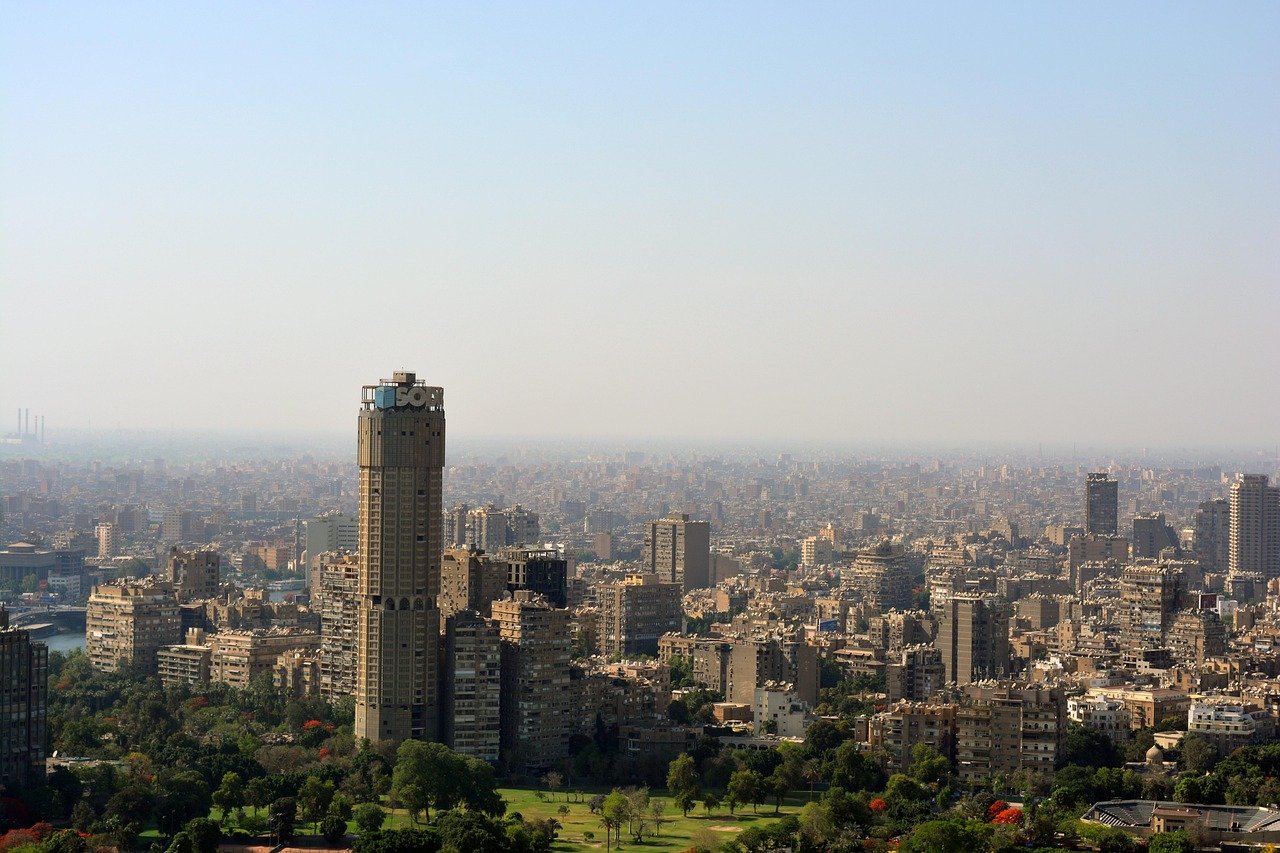
The park’s elevated position on the Darassa Hills gives it a panoramic vantage point over Islamic Cairo that is unmatched anywhere in the city. From the upper terraces and the central hilltop, the entire medieval skyline unfolds to the west: hundreds of minarets, domes, and tower clusters spreading across the flat valley floor, with the Citadel of Saladin and the Mosque of Muhammad Ali dominating the southern horizon, and the desert escarpment of the Muqattam Hills framing the view to the east. At sunset, the city’s stone and plaster buildings take on deep amber tones, and the call to prayer rises simultaneously from dozens of mosques in a cascading wave of sound. This viewpoint rivals anything offered by the Citadel itself, yet the park sees a fraction of the tourist traffic. Photographers and cinematographers seeking the definitive Islamic Cairo skyline shot regularly return here specifically for this vista.
The Gardens and Landscape Design

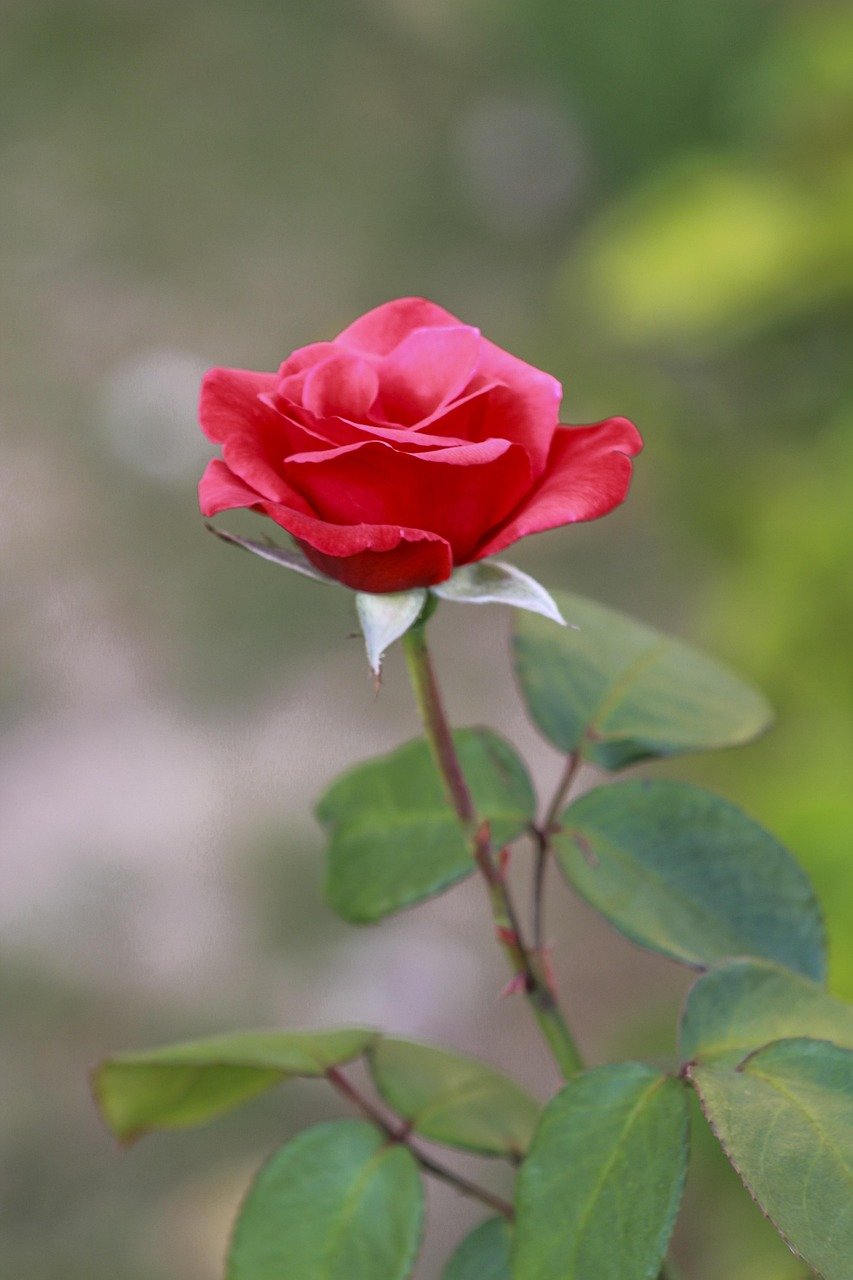
Al-Azhar Park’s landscape design, led by the architectural firm Sites International, draws on classical Islamic garden traditions — the four-part chahar bagh layout, the use of water channels and fountains, and the planting of fragrant flowering trees — while adapting them to Cairo’s harsh climate. The park contains over 650,000 trees and shrubs, including jacarandas, ficus, date palms, bougainvillea, and rose gardens that bloom in winter and spring. Terraced hillside gardens descend from the central ridge to a long lake and fountain system, while shaded pergola walks are planted with jasmine and grapevines. The park is one of the greenest spaces in a city that has historically suffered from a severe shortage of per-capita green space — Cairo’s ratio of green space to residents was among the lowest of any major world city before the park opened. The contrast between the park’s lush planting and the dense urban fabric surrounding it on all sides is dramatic and deliberate.
The Ayyubid Wall and Archaeological Zone
The restored Ayyubid Wall running along the park’s eastern edge is a remarkable piece of living history. Built in the 12th century to protect Saladin’s Cairo, the 1.5 km section visible in the park includes several original towers, crenellations, and a beautifully preserved gate. Interpretive panels along the wall explain the history of Cairo’s medieval fortifications and the excavation process that uncovered them. Walking the length of the wall gives visitors a sense of the engineering achievement involved in building such a structure, and the views from the towers — outward over the Darb Al-Ahmar neighborhood and inward over the park — add a second layer to the panoramic experience. The wall section is freely accessible to park visitors without additional charge and is one of those discoveries that catches many visitors by surprise: most people arrive expecting a pleasant green space and leave also having walked on top of an 850-year-old fortification.
Local Insights
Make the most of Al-Azhar Park with these practical tips from frequent visitors:
- Come at sunset for the best views and atmosphere. The park is open until 10pm, and the hour before and after sunset is when the Islamic Cairo skyline looks most spectacular. Egyptian families also tend to arrive in the late afternoon and evening, giving the park a lively, local atmosphere very different from the quieter midday hours. The rooftop terrace of the park’s Lakeside Café is particularly popular at this time for its unobstructed western views.
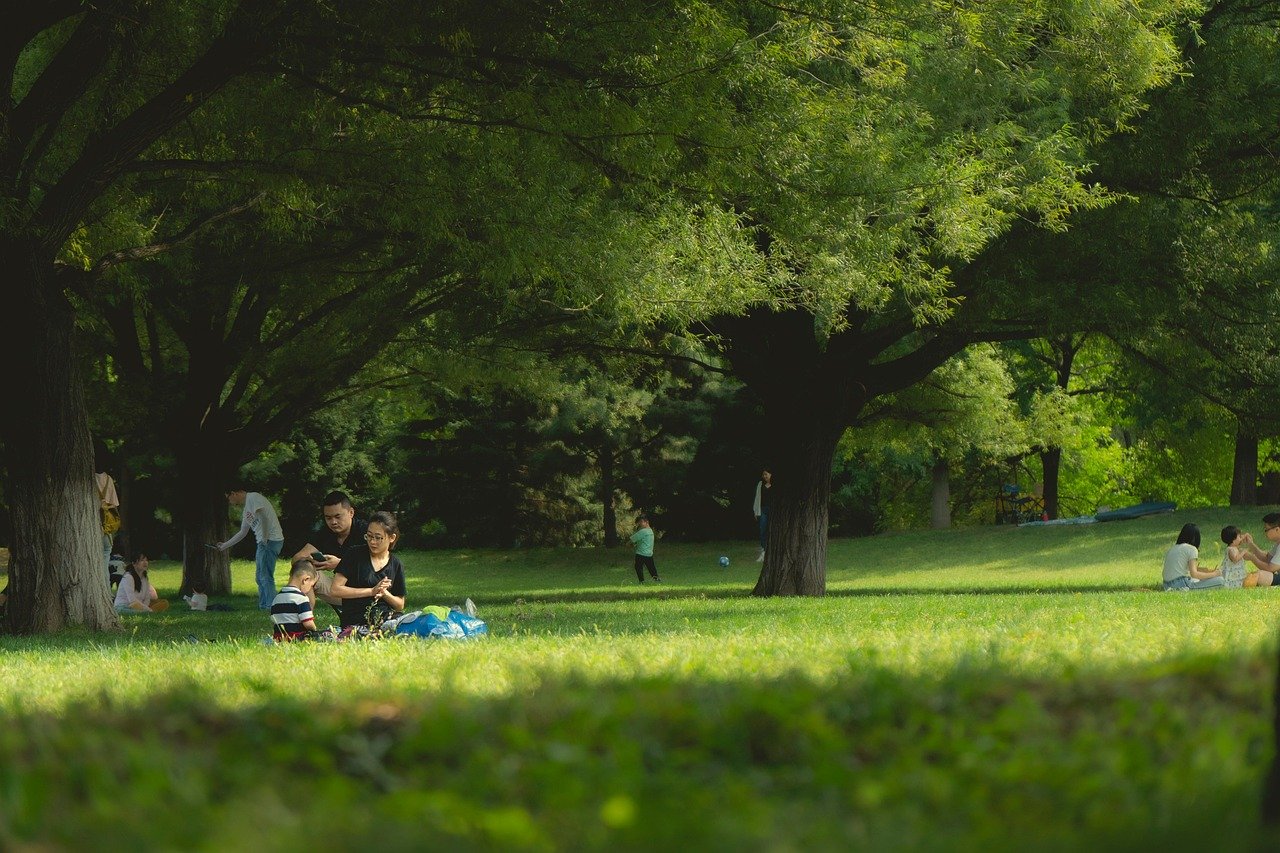
- Bring a picnic or use the park’s restaurants. Al-Azhar Park has several dining options ranging from a casual kiosk selling sandwiches and soft drinks to the full-service Lakeside Restaurant and the upmarket Citadel View Restaurant, which offers panoramic dining with the mosque skyline as a backdrop. Prices at the restaurants are higher than typical Cairo restaurants — budget around EGP 300–600 (~$6–12 USD) per person for a sit-down meal. The park’s green lawns are ideal for a picnic if you bring your own food from outside.
- Visit on a weekday to avoid weekend crowds. Al-Azhar Park is enormously popular with Cairo families, particularly on Fridays and Saturdays (the Egyptian weekend). Weekday mornings between 9am and noon are the least crowded time, ideal for peaceful photography and quiet walks along the Ayyubid Wall. School groups visit frequently on weekday mornings — arriving before 10am usually beats them.
- Combine with a visit to Darb Al-Ahmar neighborhood. The park’s main entrance gate on Salah Salem Road leads directly into the heart of the Darb Al-Ahmar district, where the Aga Khan Trust’s neighborhood revitalization work has restored dozens of Mamluk and Ottoman monuments. Walking through Darb Al-Ahmar — visiting the restored Khayrbek Complex, the Umm al-Sultan Sha’ban Mosque, and the neighborhood’s traditional craft workshops — adds significant depth to the park visit and takes an additional 1–2 hours.
- The park is one of Cairo’s best spots for jogging and cycling. Paved paths wind throughout the park’s 74 acres, and the gradient provides a genuine workout. Serious joggers and cyclists start early (before 8am) to beat the heat in summer. The park also rents bicycles near the main entrance for EGP 50–80 (~$1–1.50 USD) per hour — an enjoyable and efficient way to cover the full grounds.
Planning Your Visit
- Tickets: EGP 50 (~$1 USD) for adults; EGP 25 for children under 12. Foreign visitors pay the same rate as Egyptian nationals — unusually equitable pricing for a major Cairo attraction. The Ayyubid Wall and all garden areas are included. Restaurant dining is priced separately.
- Opening hours: Daily 9am–10pm. No closures for Islamic holidays, though the park becomes extremely busy during Eid Al-Fitr and Eid Al-Adha celebrations — expect large, festive family crowds. The park is illuminated at night and the pathways are safe and well-maintained after dark.
- Best time: October through April for comfortable temperatures and blooming gardens. The annual jacaranda bloom in March–April turns sections of the park purple and is one of Cairo’s most photographed seasonal events. Sunset visits (5–7pm) year-round for optimal skyline views.
- Duration: Allow 2 hours for a relaxed walk and views; 3–4 hours if dining at the Lakeside Restaurant and walking the Ayyubid Wall in full.
- Booking: No advance booking required for park entry. The Citadel View Restaurant accepts walk-ins but reservations are strongly recommended on weekends and during Ramadan evenings (a popular iftar destination).
Getting There
- Metro: The nearest Metro station is Al-Sayeda Zeinab on Cairo Metro Line 2, approximately 1.5 km south-west of the main park entrance — around 20 minutes on foot or 5 minutes by taxi. From there, walk north-east through the Sayyida Zaynab neighborhood toward Salah Salem Road.
- By car: The main entrance is on Salah Salem Road (also written Salah Salim), Cairo’s main east-west arterial road running along the base of the Muqattam Hills. GPS navigation to “Al-Azhar Park Cairo” is accurate. Dedicated parking is available inside the main gate — a significant advantage given Cairo’s chronic parking shortage.
- On foot: From Khan El-Khalili bazaar, Al-Azhar Park is approximately 1 km east — a straightforward 12–15 minute walk along the edge of the historic district. The walk passes the Al-Azhar Mosque and several historic street fronts. Follow signs toward Salah Salem Road and the park entrance.
- Taxi/ride-share: Uber and Careem serve the park reliably. Request drop-off at “Al-Azhar Park main entrance, Salah Salem Road.” From Downtown Cairo or Tahrir Square expect EGP 60–120 (~$1.20–2.40 USD). The park’s parking area means taxis can pull directly to the entrance gate.
Frequently asked questions
Who built Al-Azhar Park and why?
Al-Azhar Park was conceived and funded by the Aga Khan Trust for Culture, the cultural development arm of the Aga Khan Development Network (AKDN), a global network of development agencies led by His Highness the Aga Khan, the 49th hereditary Imam of the Shia Ismaili Muslim community. The Trust chose this specific site because of its location adjacent to Cairo’s most historically significant medieval district and its potential to serve as a catalyst for wider neighborhood revitalization. The park took approximately 16 years to plan and construct, opening in 2005, and cost approximately $30 million USD — making it one of the largest private investments in Egyptian urban heritage in modern history.
What is the Ayyubid Wall and can I walk along it?
The Ayyubid Wall is a 12th-century fortification built during the reign of the Ayyubid sultans (the dynasty founded by Saladin) to enclose medieval Cairo. A 1.5 km section of the wall was discovered buried under the Darassa rubbish heap during construction of the park in the 1990s. The Aga Khan Trust undertook a full archaeological excavation and restoration, exposing the wall’s towers, crenellations, and a surviving gate. Visitors can walk along the top of sections of the wall and enter several of the towers. Access is included in the regular park admission ticket and interpretive panels in both Arabic and English explain the wall’s history and the excavation process.
Is Al-Azhar Park suitable for children?
Al-Azhar Park is extremely child-friendly and is one of Cairo families’ favorite weekend destinations. The wide paved paths and open lawns are ideal for young children to run and play safely. The park has dedicated play areas, bicycle rental for older children, and several casual food and drink kiosks. Picnicking on the grass is actively encouraged and very popular with local families. The park’s gentle slopes and clear sight lines make it easy for parents to keep an eye on children. The main caution is the sun and heat in summer months (June–August) — bring sunscreen, hats, and plenty of water, and plan visits for early morning or late afternoon rather than midday.
Can I visit Al-Azhar Park and the Khan El-Khalili bazaar on the same day?
Absolutely — this is one of Cairo’s most natural day combinations. Al-Azhar Park is just 1 km east of Khan El-Khalili, making them easy to pair. A suggested itinerary: start at the bazaar in the morning (9–11am) when it is least crowded and cooler, then walk or take a short taxi to Al-Azhar Park for lunch at the Lakeside Restaurant, spend the afternoon exploring the park and Ayyubid Wall, and return for sunset views over the Islamic Cairo skyline. You could also visit the Al-Azhar Mosque (free entry, located between the two sites) as a connecting stop. The Ibn Tulun Mosque is slightly further (3 km south-west) but makes a natural third stop if you have energy for a full historic Cairo day.