
Train to the Clouds (Tren a las Nubes)
At over 4,200 metres above sea level, the clouds are not above you but around you, drifting through the train windows as the locomotive rumbles across a viaduct that seems to hang in pure sky. The Tren a las Nubes — the Train to the Clouds — is one of the great railway journeys of South America, a feat of early 20th-century engineering that climbs from the colonial city of Salta through dramatic quebrada gorges, past cactus-studded hillsides in shades of terracotta and violet, to the La Polvorilla Viaduct perched at breathtaking altitude in the Andean altiplano.
History of the Train to the Clouds
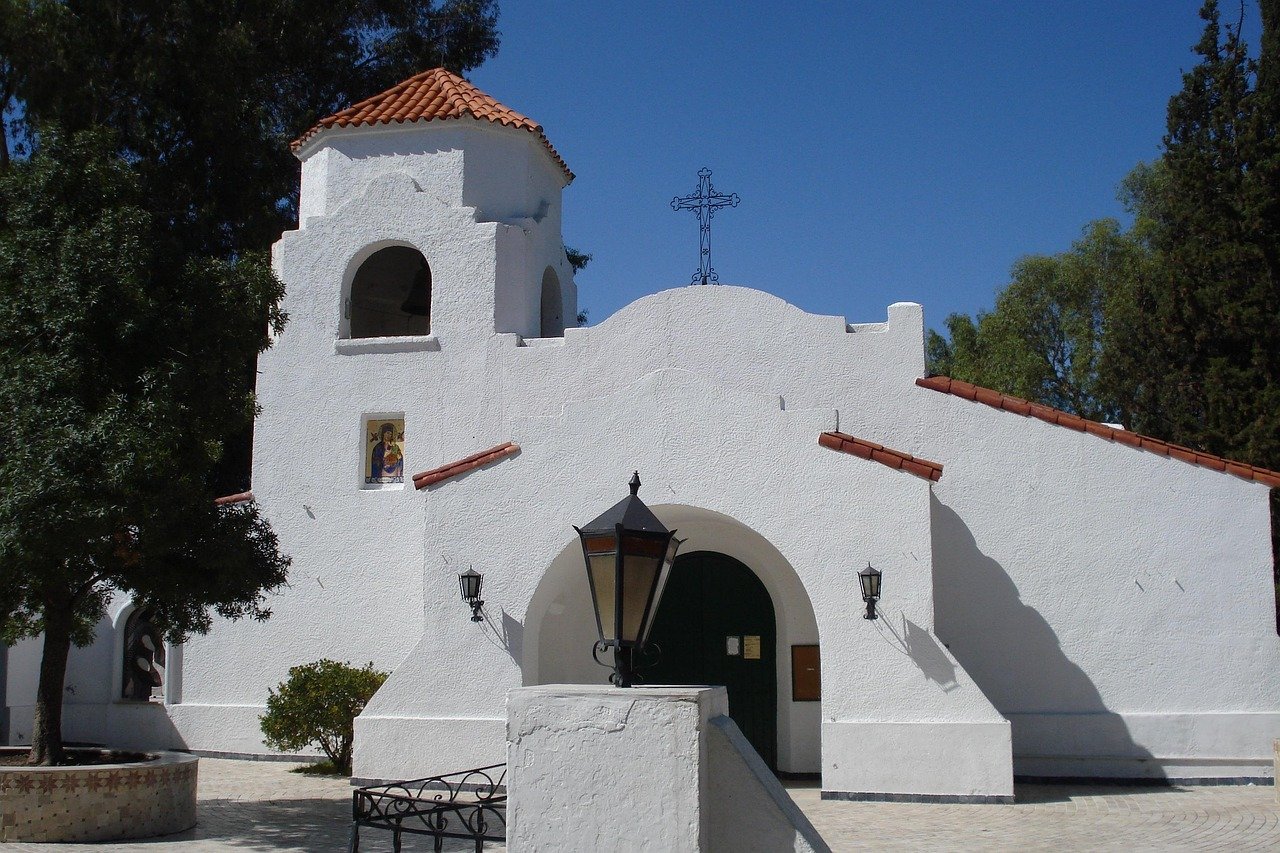
The Tren a las Nubes operates on part of the C14 Salta–Antofagasta railway, a line built between 1921 and 1948 to connect Argentina's northwest to the Chilean port of Antofagasta. The project was the life's work of American engineer Richard Maury, who designed the extraordinary series of zigzags and spirals that allow the railway to ascend the Andes without the use of rack-and-pinion technology — the train gains altitude through a series of forward-and-back manoeuvres on the steep switchbacks.
Construction was an extraordinary feat of labour and logistics, employing thousands of workers who battled altitude sickness, harsh weather, and the sheer physical challenge of building a railway across one of the world's most dramatic mountain ranges. The line served freight traffic for decades, carrying minerals and agricultural products between Argentina and Chile. The tourist service was inaugurated in 1971, and the railway became famous for the La Polvorilla Viaduct — a 224-metre-long curved iron bridge at 4,197 metres that has become one of Argentina's most photographed engineering landmarks.
What to See
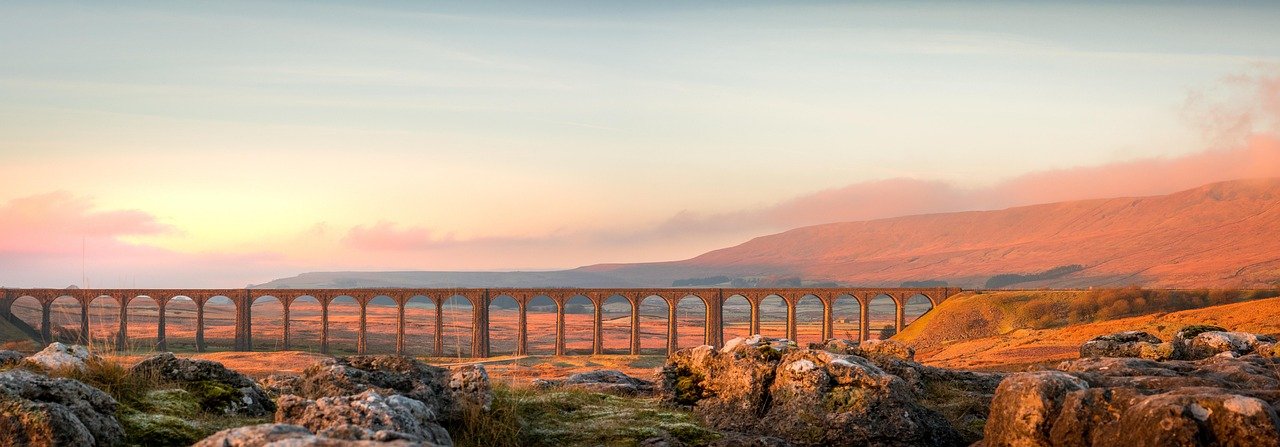
The journey itself is the experience. Departing from Salta city, the train passes through the dramatic Quebrada del Toro gorge — a canyon of extraordinary colour where the rock walls shift from deep red to ochre to lilac as the light changes. The vegetation transitions from lush valleys through a zone of giant candelabra cacti to the sparse, otherworldly altiplano where vicunas graze and salt flats shimmer in the distance.
The climax is the La Polvorilla Viaduct, where the train slows to a crawl as it crosses the curved iron bridge over an empty void. Passengers crowd the windows and open platforms for photographs. At this altitude, the thin air and brilliant light create photographic conditions unlike anywhere else in Argentina. The train stops briefly at San Antonio de los Cobres, a remote altiplano town where vendors sell local crafts and alpaca textiles on the platform.
The Route and Engineering
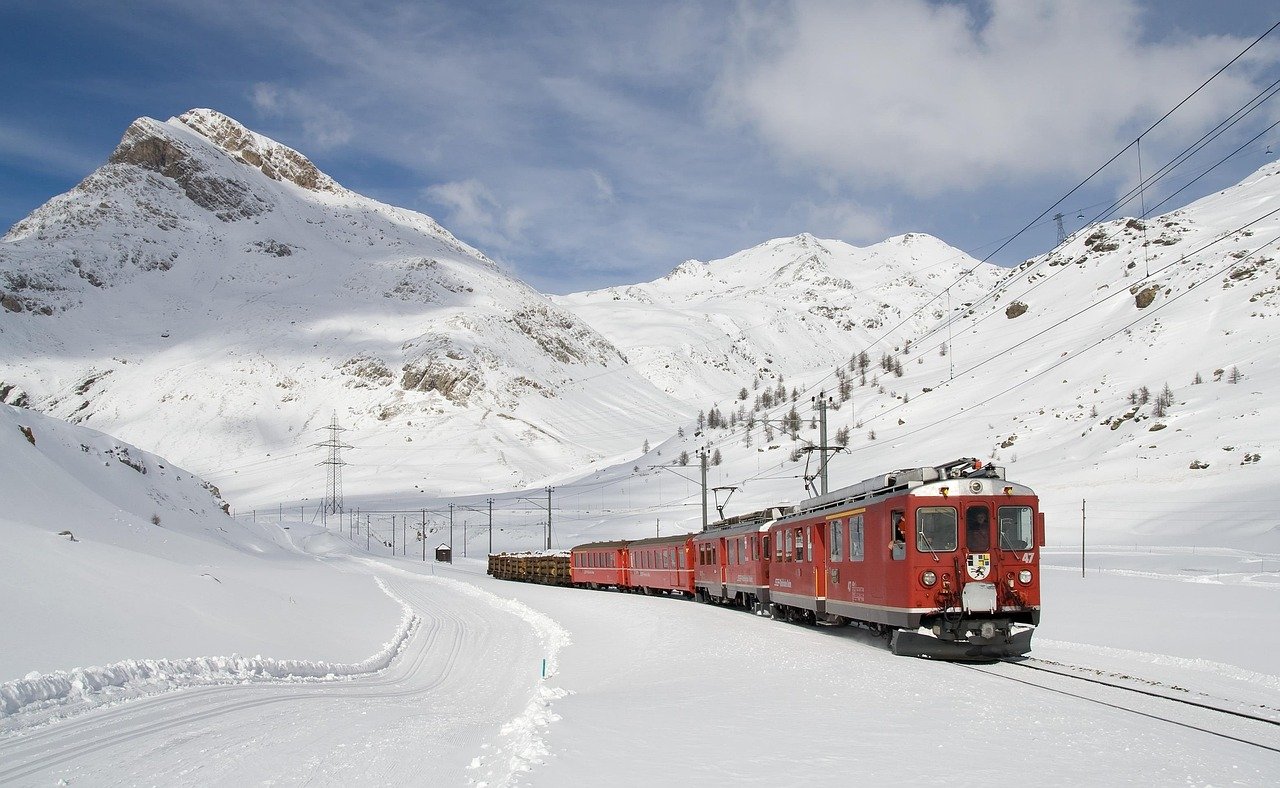
The section of the journey currently operated as a tourist experience covers the dramatic high-altitude portion between San Antonio de los Cobres and La Polvorilla Viaduct, with passengers transported from Salta and back by modern coach for the lower portions of the historic route. The full original journey from Salta once took 16 hours; today's experience is structured as a full-day excursion.
The engineering statistics remain staggering: the line includes 21 tunnels, 13 viaducts, 29 bridges, 2 spirals, and 2 zigzags as it climbs more than 3,500 metres from Salta city to its highest point. The La Polvorilla Viaduct itself, completed in 1932, stands 63 metres above the canyon floor and curves around a gentle bend — a design element that makes it photographically dramatic from every angle.
Practical Information
- Tickets: From approx. USD 100–130 per person for the full-day excursion including coach transfers; international visitors pay more than Argentine residents.
- Schedule: The train section typically operates Tuesday, Thursday, and Saturday; check the official website for current schedules as they vary seasonally.
- Best time to visit: April–October (dry season) for clear skies; July–August is high season but can be cold at altitude. Avoid January–February (wet season) when the road may be affected.
- Duration: Full day (approximately 16 hours from Salta and back).
- Booking: Book through the official Tren a las Nubes website (trenalasnubes.com.ar) or authorised tour operators in Salta city.
Local Insights
What locals know that guidebooks do not always tell you:
- Altitude sickness (soroche) is a real risk — the train reaches over 4,200 metres. Spend at least one night in Salta (1,187 m) before the journey, drink plenty of water, and avoid alcohol the night before.
- The heating on the train can be inadequate at altitude. Bring a warm layer regardless of the season — temperatures at La Polvorilla can be near freezing even in Argentine summer.
- The right side of the train (facing the direction of travel) offers the best views of the La Polvorilla Viaduct as you approach it. Arrive early and claim a right-side window seat.
- The coach portion through the Quebrada del Toro is scenically stunning — do not sleep through it. The gorge rivals any landscape on the entire journey.
- The onboard food service is modest. Bring snacks and your own drinks — at altitude, staying fuelled helps prevent altitude-related fatigue.
Getting There
- Departure point: The experience departs from and returns to Salta city; coach collects passengers from central hotels or the main departure point.
- By air to Salta: Martin Miguel de Guemes International Airport (SLA) is served from Buenos Aires and other major Argentine cities.
- Within Salta city: Hotels can arrange pickup; the main tour departure point is centrally located.
- By bus to Salta: Long-distance buses connect Salta to Buenos Aires (20+ hours), Tucumán, and Jujuy.
Frequently asked questions
Is the Train to the Clouds still running?
Yes — the tourist service operates on selected days weekly. The current format uses coaches from Salta to San Antonio de los Cobres, then the train for the dramatic Polvorilla viaduct section. Check trenalasnubes.com.ar for current schedules.
Is the journey safe for those with health conditions?
The altitude reached (over 4,200 m) means the journey is not recommended for those with heart or respiratory conditions, or for very young children. Consult your doctor if you have any concerns. Oxygen is available onboard.
What should I pack for the Train to the Clouds?
Warm layers (even in summer), sun protection (UV is intense at altitude), comfortable shoes, snacks, water, and any medication for altitude sickness (acetazolamide should be started the day before). Camera with a charged battery.
Can I book the journey independently or only through a tour operator?
You can book directly through the official Tren a las Nubes website. Tour operators in Salta may bundle hotel nights, city tours, and the train experience into packages that offer good value.
What other attractions are near the departure point in Salta?
Salta city is rich in colonial architecture, including the MAAM Museum of High Altitude Archaeology with its preserved Inca mummies. The Quebrada de Humahuaca (a UNESCO World Heritage Site) is accessible as a day trip north of the city.