
Mataderos Fair 💎 Hidden Gem
On any given Sunday from April through December, something remarkable happens on the edge of Buenos Aires that most tourists never discover. In the far west of the city, in a neighbourhood that shares its name with the old slaughterhouses that once defined it, the streets around Avenida de los Corrales fill with the rhythmic beat of folk percussion, the dust of cantering horses, and the intoxicating smell of grilling choripán. The Mataderos Fair — Feria de Mataderos — is the most authentic expression of gaucho culture in Argentina’s capital: a free, outdoor celebration of the nation’s rural heritage that unfolds just twenty kilometres from the glass towers of Puerto Madero, as if the pampas reached all the way to the city’s edge.
History of Mataderos Fair
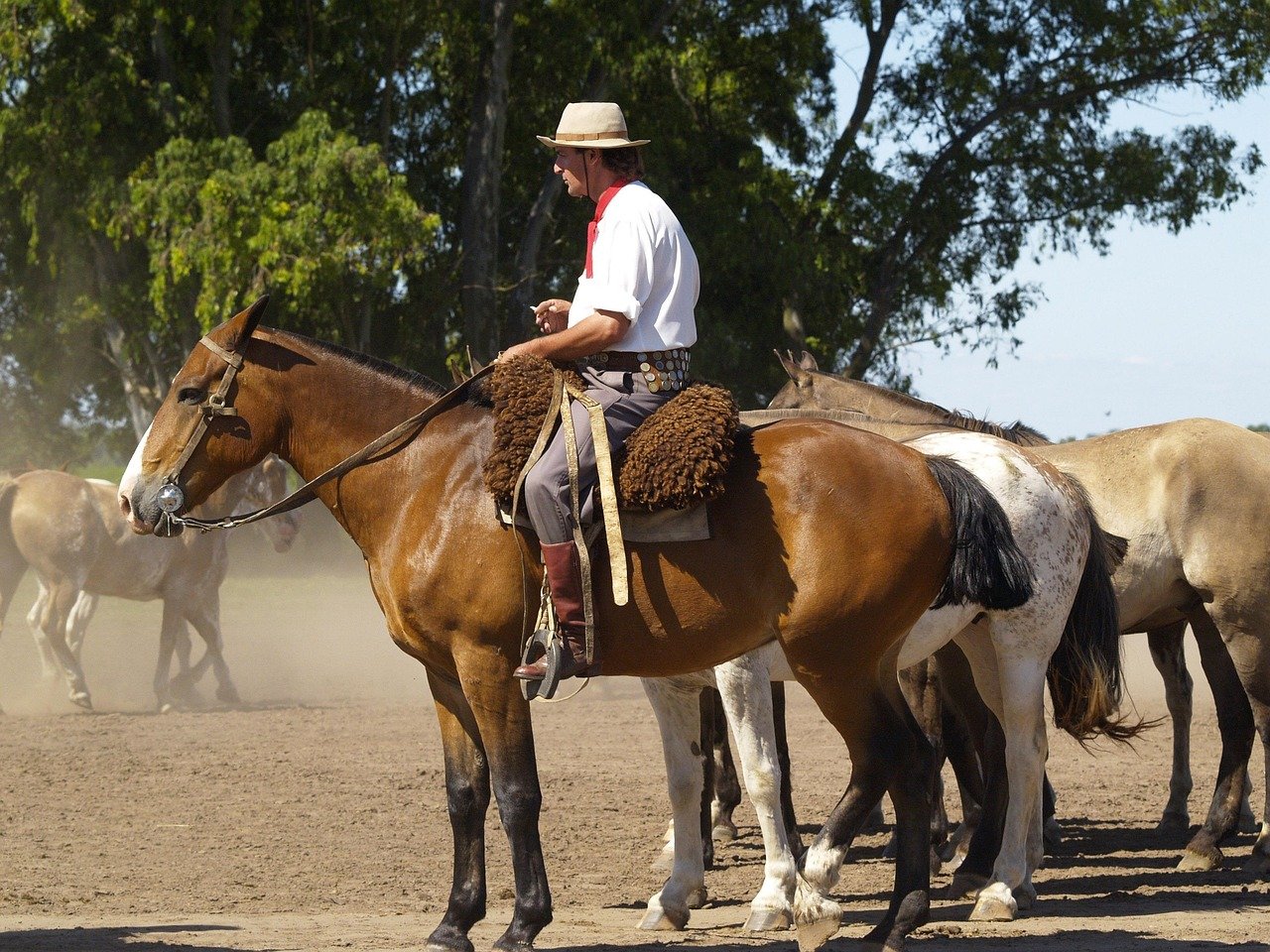
The Mataderos neighbourhood takes its name from the vast cattle slaughterhouses — mataderos in Spanish — that dominated this western fringe of Buenos Aires throughout the nineteenth century. Argentina’s beef industry was among the most productive in the world, and the Mercado Nacional de Hacienda, the great livestock market established here in the 1890s, was at the centre of it all. Gauchos — the skilled horsemen of the Argentine pampas — drove cattle vast distances to Mataderos, camping outside the city before bringing their herds to market. This influx of rural culture into an urban setting created a unique hybrid neighbourhood, neither quite city nor country, that retained its working-class, provincial character long after the slaughterhouses reduced in scale.
Understanding the Mataderos neighbourhood requires appreciating what the gaucho meant in Argentine cultural mythology. Unlike the North American cowboy, who carries ambiguous moral weight in popular culture, the Argentine gaucho is a figure of almost unqualified national pride — the free horseman of the pampas, independent and self-sufficient, master of horse and cattle and landscape. The gaucho was also, historically, a mestizo figure, blending indigenous, African, and European ancestry in ways that mainstream Argentine society preferred to overlook during the nation-building decades of the late nineteenth century. The revival and celebration of gaucho culture at Mataderos carries a subtle political significance: it insists on an Argentine identity rooted in the pampas and its mixed-race inhabitants rather than the European immigration mythology that long dominated official narratives of national identity.
The fair itself was established in 1989 as an initiative by the City of Buenos Aires to preserve and celebrate this gaucho heritage before it faded entirely into memory. What began as a modest cultural event grew steadily through the 1990s and 2000s into one of the city’s most beloved weekly traditions, drawing both locals from across Buenos Aires and travellers seeking something beyond the tango-and-steak tourist circuit. Today it occupies the streets around the Mercado Nacional de Hacienda on Lisandro de la Torre — the old livestock market building still stands as a backdrop, its imposing early twentieth-century architecture lending the fair a fittingly historical stage. The fair runs Sundays from April to mid-December, and on certain national holidays including May 25, July 9, and October 12.
What to See at Mataderos Fair
Gaucho Horsemanship Games and Parades
The most spectacular element of the Mataderos Fair is the gaucho horsemanship, which unfolds across the afternoon along Avenida de los Corrales. The centrepiece game is the sortija, a traditional horseback ring-toss competition in which riders gallop at full speed and attempt to thread a small lance through a tiny metal ring suspended above the track. The skill and precision involved is breathtaking, and the crowd — which gathers four or five people deep along the avenue — erupts with each successful pass. Beyond the sortija, gauchos in full traditional dress (wide-brimmed hat, bombachas de campo trousers, elaborately decorated belt and knife) parade their horses throughout the afternoon. This is not performance for tourists; these are working horsemen and women from the province, and their horsemanship reflects generations of practical skill passed down through rural Argentine families.
Folk Music, Dance, and the Stage
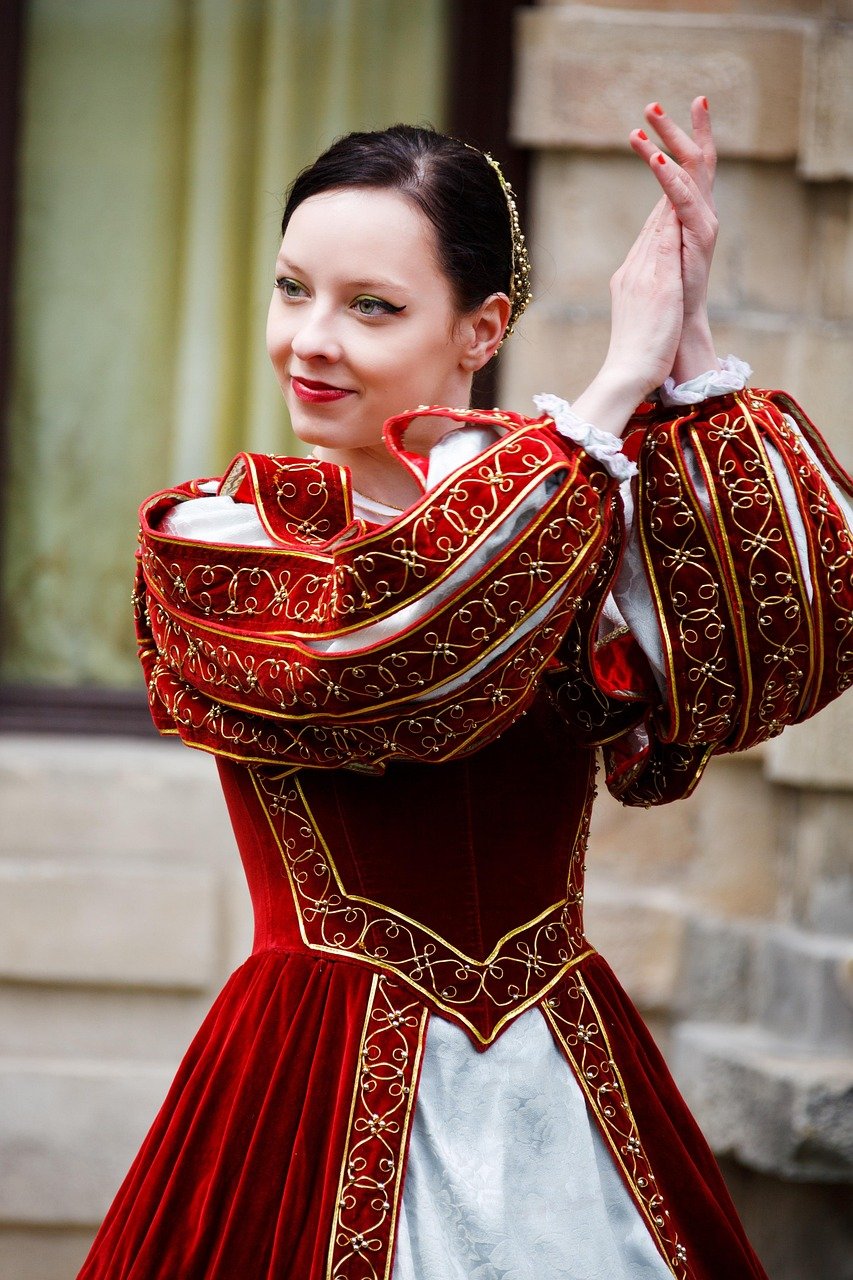
Running parallel to the horsemanship is a continuous programme of Argentine folk music and dance on the fair’s main stage. Malambo — a percussive solo dance form developed by gaucho culture in which dancers compete in increasingly complex boot-stomping footwork — is a regular highlight and can stop crowds in their tracks when a particularly gifted dancer takes the floor. Chacarera, zamba, and cueca are the musical forms dominating the afternoon, performed by musicians dressed in regional costume. The infectious rhythms make it practically impossible to stand still, and visitors often find themselves drawn into impromptu dancing alongside Buenos Aires families who have been attending the fair for decades. By late afternoon, as the sun dips and the temperature cools, the fair takes on a festive, almost carnivalesque atmosphere.
The Craft Market and Regional Food
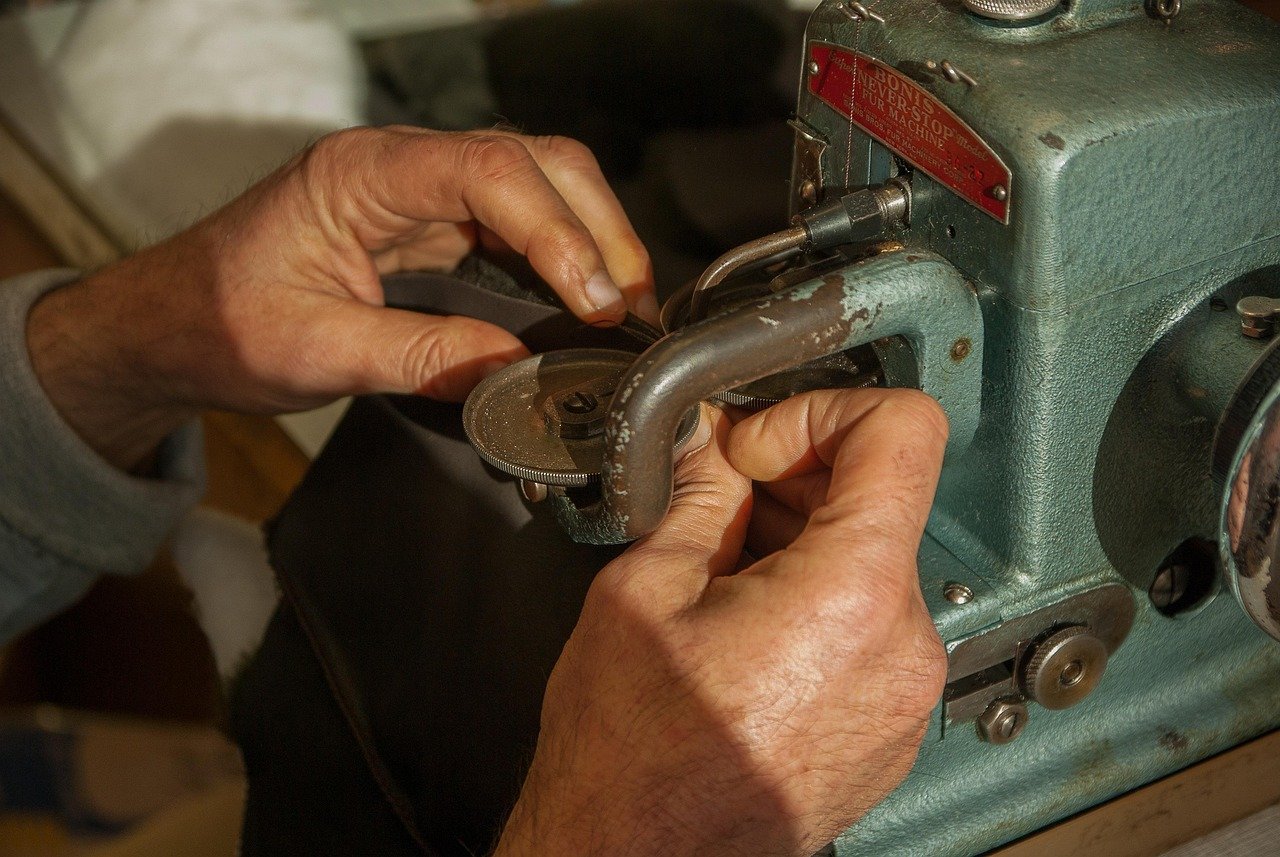
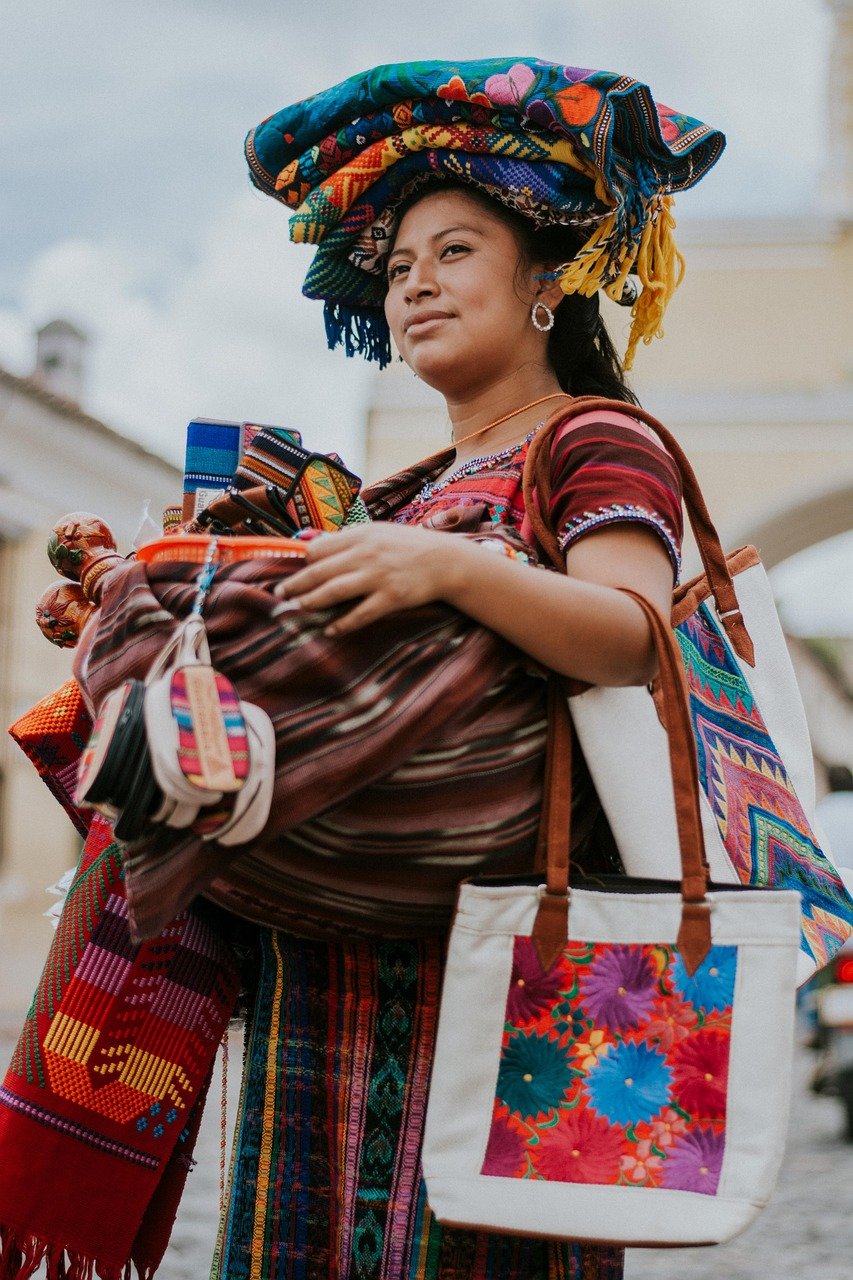
Over 700 stalls line the surrounding streets, and the quality of the artisan craft market is genuinely impressive. Leather goods are the standout: belts, wallets, mate gourds with silver fittings, and the elaborate riding equipment used by working gauchos are sold directly by the craftspeople who make them — often at prices significantly below what you would pay in the tourist shops of San Telmo or Palermo. Woollen ponchos, handwoven textiles, silverwork, and carved bone and wood objects round out the offering. The food stalls run a parallel gauntlet of Argentine regional cuisine: locro (a hearty corn and meat stew, especially popular in the cooler months), empanadas in regional styles, tamales, humitas, and the ubiquitous choripán — grilled chorizo sausage in crusty bread — are all available for a few hundred pesos each. Bring cash; card readers are available at some stalls but cash is universally accepted and often preferred.
Local Insights
The Mataderos Fair rewards visitors who come prepared. Here is what regulars know that first-timers often miss.
- Arrive by noon for the best craft stall experience. The artisan stalls set up from around 11am, and by noon the most in-demand vendors — particularly the quality leather workers — are fully stocked. By 3pm some of the better items have sold out and stall holders begin packing up incrementally. The horsemanship runs from around 3pm, so an ideal strategy is browsing early then positioning for the equestrian games mid-afternoon.
- Use the Bus, not a taxi. The fare from central Buenos Aires (Liniers or Flores area) by remise or taxi can add up quickly, especially for the return journey when cabs are scarce. The 55, 92, 103, and 117 bus lines all reach Mataderos from central neighbourhoods, and the journey from Plaza de Mayo takes 45–60 minutes. The Subte does not extend this far west, so buses are the practical choice for independent travellers.
- Eat locro in the cool months (April–June, September–November). Locro is a thick, slow-cooked stew of white corn, beans, pork, and beef that is the definitive cold-weather comfort food of the Argentine interior. The version served at the Mataderos Fair is among the best you can find in the capital, ladled out of giant pots that have been simmering since morning. In the summer months (December, January, February) the fair does not run — but on national holidays like July 9 it is particularly festive.
- The sortija ring game usually runs from around 3pm. Position yourself along Avenida de los Corrales well before the first run — the crowd thickens rapidly once the horses appear. Standing near the ring itself (suspended from a small frame mid-street) gives the best view of the threading moment, while a spot near the start line lets you see the full-gallop approach. Both positions fill up fast.
- Bargaining is light but acceptable. Unlike a formal market, most craftspeople here price fairly to begin with and aggressive bargaining is not culturally appropriate. However, buying two or three items from the same vendor and asking politely for a small discount is common and usually welcomed. Complimenting the craft in any Spanish — even basic phrases — opens conversations and often leads to more generous pricing.
Planning Your Visit
- Tickets: Free admission. Bring cash (Argentine pesos) for food and craft purchases — most stalls do not accept foreign cards, and ATMs in Mataderos are limited. Withdraw pesos before leaving central Buenos Aires.
- Opening hours: Sundays 11am–8pm, April through mid-December. Also open on national holidays: May 25, June 20, July 9, August 17, and October 12. The fair does not operate January through March or on Saturdays.
- Best time: May through June and September through November for ideal weather, full locro season, and smaller crowds than the spring long weekends. Arrive by noon to browse crafts; stay for the horsemanship from 3pm onward.
- Duration: Allow 3–5 hours for a proper visit: one to two hours browsing crafts, lunch at a food stall, then positioning for the afternoon folk music and gaucho games. Most visitors find it hard to leave before 6pm.
- Booking: No booking required — the fair is open access and free to enter. Simply show up during operating hours.
Getting There
- Bus: Lines 55, 92, 103, and 117 all reach Mataderos from central Buenos Aires. The 92 departs from near Constitución; the 55 runs from the city centre. Journey time from Plaza de Mayo is approximately 45–60 minutes depending on traffic. The Subte does not serve this area.
- By car: Take Avenida Rivadavia west and turn south onto Lisandro de la Torre, or approach via Avenida General Paz. Parking is available on surrounding streets — arrive before noon as spaces fill quickly on fair Sundays.
- On foot: The fair is approximately 10km west of the city centre — too far to walk from most tourist neighbourhoods. Combine walking with a bus or taxi for the final stretch if approaching from Flores or Liniers.
- Taxi/ride-share: Uber and Cabify both service Mataderos and are reliable options, especially for the return journey when the bus can be crowded. Budget around 30–40 minutes from Palermo or Recoleta depending on traffic.
Frequently asked questions
Is the Mataderos Fair suitable for children?
The Mataderos Fair is excellent for children and families. The gaucho horsemanship — particularly the sortija ring game — captivates kids of all ages, and the open-air street setting means there is no need to keep children quiet or still. Folk dancing performances are lively and engaging, and the variety of food stalls makes feeding picky eaters straightforward. The fair’s layout across several blocks provides ample space, and there are no entry fees or queues to manage. It is one of the genuinely family-friendly free experiences in Buenos Aires, and a useful counterpoint to the city’s many indoor museums.
What should I wear and bring to the fair?
Comfortable walking shoes are essential — the fair covers several city blocks on pavement and the street during the horsemanship games. Dress for the weather, which in Buenos Aires can change quickly: layers are advisable from May through August when temperatures drop in the afternoon. Sunscreen and a hat are recommended for summer visits on national holiday dates. Bring a bag large enough to carry craft purchases. Most importantly, bring Argentine pesos in cash — while some stalls accept card payments, cash is universally preferred and avoids any payment friction at the food stalls.
Does the Mataderos Fair run all year?
No — the fair operates Sundays from April through mid-December and on specific national holidays, but shuts down entirely from mid-December through March. During the southern hemisphere summer the Buenos Aires heat makes an outdoor fair impractical, and organizers pause the event until autumn. It also returns on national holidays during the operating season: May 25 (National Day), July 9 (Independence Day), and October 12 (Día del Respeto a la Diversidad Cultural) are particularly festive dates when the fair draws larger crowds and more elaborate performances.
How does the Mataderos Fair differ from the San Telmo Sunday market?
The two Sunday markets serve very different cultural purposes. The San Telmo market is primarily an antique and tourist-oriented craft fair held in and around the historic Mercado de San Telmo; its audience is international, its prices reflect tourist demand, and its atmosphere is cosmopolitan. The Mataderos Fair is rooted in Argentine rural and gaucho culture, draws a predominantly local Buenos Aires audience alongside travellers who seek it out, and features horsemanship, folk music, and regional food from the Argentine interior. The two make excellent bookends to a Buenos Aires Sunday if you have the energy — Mataderos for the morning-into-afternoon, San Telmo for the evening.