
Esquina Carlos Gardel
There is a corner in the Abasto neighbourhood of Buenos Aires where the city’s two great obsessions — tango and Carlos Gardel — converge into a single, unforgettable night. The Esquina Carlos Gardel tango show takes its name from the most famous voice in Argentine history, a man who grew up just steps away on the streets of this working-class barrio and who transformed a melancholy dance from the port slums into a global art form. Tonight, in a venue that blends the elegance of a classic Buenos Aires teatro with the intimacy of a neighbourhood milonga, dancers in tailored suits and silk gowns will coil and extend across the floor while the ghost of Gardel watches approvingly from the walls.
History of Esquina Carlos Gardel
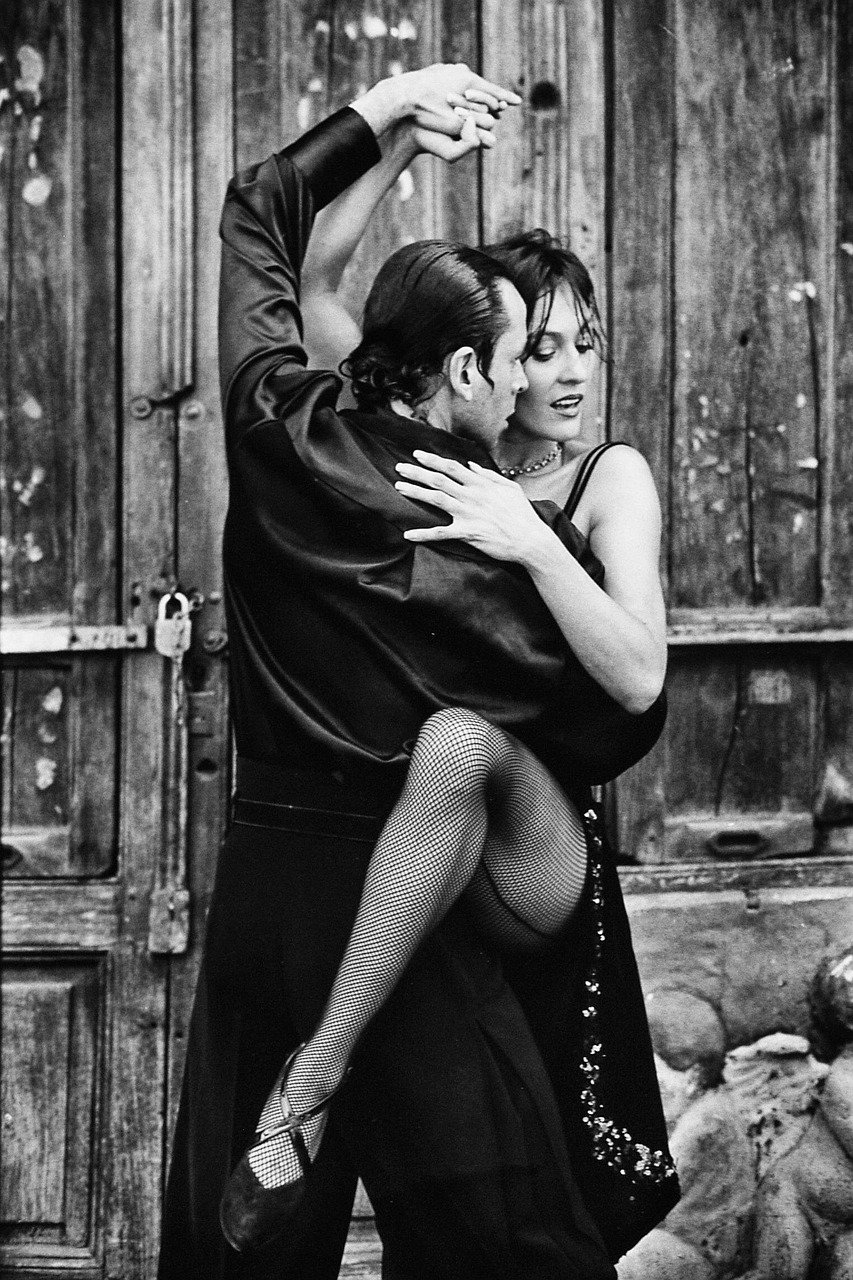
The Abasto neighbourhood was, for much of the twentieth century, the heartbeat of popular Buenos Aires. Named for the great covered market — the Mercado del Abasto — that once supplied the city’s food, the barrio was also the childhood home of Carlos Gardel, who lived at Jean Jaurès 735 before becoming the most beloved popular singer in the Spanish-speaking world. Gardel’s particular genius was to take tango — still regarded by polite society as a vulgar dance of immigrants and brothels — and give it theatrical dignity through his recordings and films of the 1920s and 1930s. His death in a plane crash in 1935 only amplified his legend; a cult of devotion surrounds him in Buenos Aires to this day, with fresh flowers left daily at his grave in the Chacarita cemetery and his face staring down from murals across the city.
To understand why Abasto matters to the tango story, it helps to trace the music’s trajectory. Tango emerged in the 1880s in the conventillos — the overcrowded tenement houses — of La Boca and the southern port districts, a music of longing and displacement made by immigrants who had crossed oceans to arrive in a city that offered them hard labour and uncertain welcome. By the early twentieth century it had spread north into the working-class barrios of Abasto, Once, and Balvanera, where Gardel absorbed it as a teenager singing in the neighbourhood’s cafés and courtyards. His innovation was to elevate tango lyric to the level of genuine poetry — the canción rioplatense he perfected with lyricist Alfredo Le Pera gave tango’s melodrama a literary weight it had previously lacked. The Abasto of Gardel’s youth no longer exists in physical form, but the emotional geography it created still shapes the way Buenos Aires understands itself.
The Esquina Carlos Gardel venue was established to honour this legacy in its original neighbourhood. The building itself — converted from an early twentieth-century commercial space into an elegant tango theatre — sits just blocks from Gardel’s childhood home, now preserved as a museum. The show has built its reputation over two decades as one of Buenos Aires’ most polished tango dinner-show experiences: not the largest venue in the city, but among the most atmospherically coherent, with décor, programming, and service all calibrated to evoke the golden age of Argentine tango. The ornate interior — sweeping velvet curtains, Art Deco chandeliers, tiered balconies — creates a setting that feels genuinely theatrical rather than merely themed.
What to See at Esquina Carlos Gardel
The Tango Show
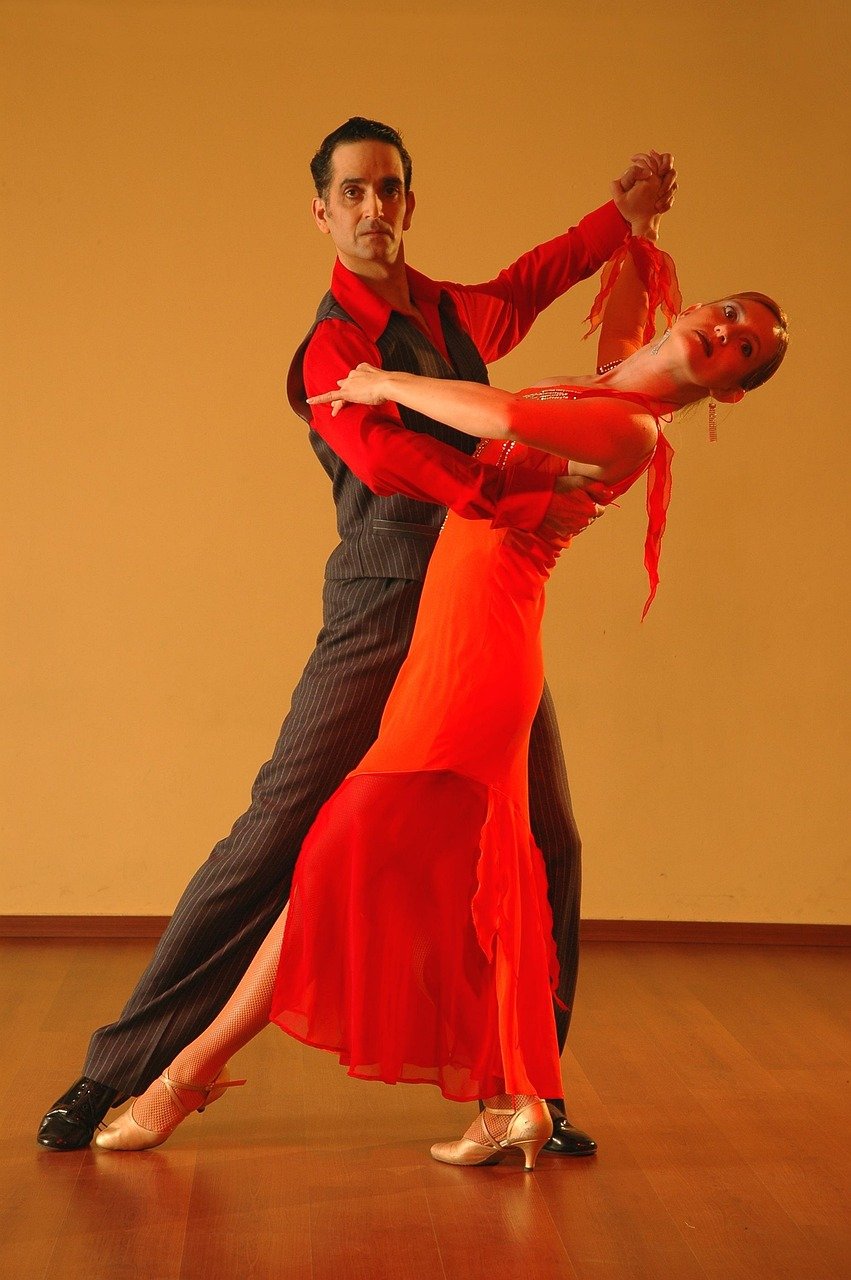
The tango show runs nightly, beginning at 10:10pm after guests have had time to settle with dinner or drinks. The performance lasts approximately one hour and forty minutes and typically features six to eight professional dancers — two or three couples — supported by a live orchestra of piano, bandoneon, violin, and double bass, with a singer performing classic Gardel-era tangos and more contemporary compositions. The choreography ranges from traditional tango salon style (close embrace, walking figures, elegant turns) through more theatrical tango escenario sequences involving lifts, dramatic dips, and intricate footwork. The production values are high: lighting is well-designed, costumes are tailored and visually striking, and the pacing keeps energy alive throughout without ever feeling rushed. For visitors who have never seen professional tango performed live, this show provides an excellent introduction; for those already familiar with the form, the quality of the lead dancers is consistently impressive.
The Dinner Experience
Dinner service begins at 8:30pm, nearly two hours before the show, giving guests ample time to eat unhurriedly and enjoy the atmosphere before the performance begins. The menu follows the established Buenos Aires tango dinner format: starters, a choice of main course (typically a beef option, a chicken preparation, and a vegetarian alternative), dessert, and beverages. Wine service is attentive and the house Malbec is reliably good. The kitchen handles large volumes with reasonable competence — this is not a destination restaurant, and the food is honest rather than remarkable, but it is well-prepared and generously portioned. The real purpose of the dinner is the experience: eating in a beautifully appointed Argentine theatre, surrounded by other guests from across the world, in a neighbourhood that produced one of music history’s most charismatic figures.
The Abasto Neighbourhood Connection
One of the Esquina Carlos Gardel’s distinctive advantages over competitors is its neighbourhood setting. Unlike tango venues in Palermo or San Telmo that have little organic connection to tango’s roots, this show sits in the barrio where Gardel actually lived and where the music developed its particular Abasto flavour — more melancholy and working-class than the more polished Palermo variant. The Museo Casa Carlos Gardel, located at Jean Jaurès 735 just a short walk away, is an excellent complement to an evening at the show: visiting Gardel’s actual home in the afternoon before attending the show at night creates a continuity of experience that deepens both encounters. The Abasto Shopping mall, housed in the restored original market building, is also adjacent and worth a brief visit for its architectural spectacle if you arrive in the area early.
Local Insights
These are the details that make the difference between a good tango night and a great one at Esquina Carlos Gardel.
- Book the Show-Only option if dinner elsewhere is your priority. The show-only ticket at around USD 69.90 is excellent value and lets you eat dinner at one of the excellent restaurants nearby — the Abasto area has good Italian and Argentine options within a few blocks — before arriving for the 10:10pm performance. This approach works particularly well for travellers already accustomed to Buenos Aires’ late dining culture, where restaurants do not fill until 9 or 10pm anyway.
- Request a table near the front for the best dance view. The tiered seating means most tables have a reasonable sightline, but front-of-stage tables allow you to observe the footwork closely — the intricate leg and foot vocabulary of tango is difficult to appreciate from a distance. Mention your preference when booking; tables cannot be guaranteed but requests are usually accommodated for early bookers.
- Visit the Museo Casa Carlos Gardel in the afternoon. The museum, just a 10-minute walk from the theatre, preserves Gardel’s childhood home with period furnishings, photographs, recordings, and memorabilia. Visiting it before the show transforms the evening — when the singer onstage performs a Gardel classic, you have already seen the room where the man who made it famous learned to sing. The museum is open Tuesday through Sunday from 11am to 6pm.
- Free transfers are included from central Buenos Aires. Esquina Carlos Gardel provides complimentary pickup from hotels in San Telmo, Recoleta, Puerto Madero, and the city centre (Microcentro). A small surcharge applies for other areas. Confirm pickup details when booking — the transfer service removes the navigation burden of getting to a neighbourhood that most visitors are unfamiliar with.
- Dress smart-casual at minimum. The Esquina Carlos Gardel draws an international crowd, and many guests dress formally for the occasion — jackets on men and dresses or smart trousers on women are common. Shorts and sportswear are technically permitted but feel conspicuously out of place in the elegant interior. The effort of dressing up enhances the theatricality of the evening and fits the aesthetic the venue works hard to maintain.
Planning Your Visit
- Tickets: Show only USD 69.90; Dinner Show USD 99.90; VIP Show USD 104.90; VIP Dinner Show USD 199.90. Prices are quoted and accepted in USD; Argentine pesos also accepted at the published exchange rate. Book via the official website at esquinacarlosgardel.com.ar for best availability.
- Opening hours: Dinner service begins at 8:30pm nightly. Show begins at 10:10pm. Show duration approximately 1 hour 40 minutes. The venue operates every night of the year except Christmas Eve (December 24) — confirm exceptions when booking.
- Best time: Any night of the week works well — unlike milongas, the Esquina Carlos Gardel show runs on a fixed schedule regardless of day. Avoid the last week of December and first two weeks of January when Buenos Aires peak summer season creates the busiest and hottest conditions.
- Duration: Allow 3–4 hours total for the dinner-show experience (8:30pm arrival to approximately midnight). Show-only guests arriving at 9:45pm are typically finished by midnight.
- Booking: Advance booking strongly recommended, especially during peak months (November–February and July). Book online at esquinacarlosgardel.com.ar or via reputable booking agents. Confirm free transfer details at time of booking.
Getting There
- Subte (Metro): Line B to Carlos Gardel station — the station is named in honour of the neighbourhood’s famous son and places you directly in the Abasto area, a 5-minute walk from the venue.
- By car: The venue is on Avenida Corrientes near the junction with Jean Jaurès. Street parking is available on surrounding streets in the evenings. The Abasto Shopping mall has a paid car park accessible from Corrientes.
- On foot: A 30–35 minute walk from central Buenos Aires along Avenida Corrientes westward from the Obelisk — the walk passes through the cultural spine of the city and is enjoyable in the evening hours. Not recommended late at night for the return journey.
- Taxi/ride-share: Uber and Cabify are the most reliable options from any central neighbourhood, with journey times of 15–25 minutes depending on origin. The venue’s free transfer service is the most convenient option — confirm availability when booking your tickets.
Frequently asked questions
Is the Esquina Carlos Gardel tango show suitable for people unfamiliar with tango?
Absolutely — in fact, the show is designed with first-time tango viewers firmly in mind. The performance moves through a range of tango styles and moods, with enough narrative structure and theatrical staging that no prior knowledge of the dance is needed to enjoy it fully. The live orchestra and vocal performances are accessible regardless of musical background. Many guests who arrive knowing almost nothing about tango leave having developed a genuine appreciation for the art form, and some are inspired to take tango classes during the rest of their Buenos Aires stay.
What is included in the dinner-show ticket?
The Dinner Show ticket (currently USD 99.90) includes a three-course meal beginning at 8:30pm, with a starter, choice of main course (beef, chicken, or vegetarian), dessert, still and sparkling water, and a glass of wine or soft drink. Additional beverages are available for purchase during both dinner and the show. The VIP Dinner Show option at USD 199.90 includes premium seating, upgraded menu courses, a bottle of wine, and priority table placement near the stage. Confirm current inclusions when booking as menus and pricing are updated periodically.
Who was Carlos Gardel, and why is this neighbourhood significant?
Carlos Gardel (1890–1935) is the defining figure of Argentine tango — a singer, actor, and cultural icon whose recordings of the 1920s and 1930s brought tango from its origins in the immigrant port slums to international recognition. Born in France and raised in Buenos Aires, Gardel grew up in the Abasto neighbourhood, and his voice — described by Argentine poet Jorge Luis Borges as the finest ever recorded — shaped the emotional vocabulary of tango song. His death in a Medellín plane crash at the height of his fame cemented his legendary status. He remains a living presence in Argentine culture: his face appears on murals citywide, and his grave in Chacarita receives flowers daily.
How does Esquina Carlos Gardel compare to other Buenos Aires tango shows?
Buenos Aires has dozens of tango dinner shows ranging from large stadium-style productions at venues like Tango Porteño to intimate milongas where tourists watch local dancers. Esquina Carlos Gardel sits in the mid-range in terms of venue size — roughly 250 seats — which keeps the atmosphere personal and the sightlines excellent without sacrificing production quality. Its primary distinction is neighbourhood authenticity: unlike shows in Palermo or the Puerto Madero hotel strip, this venue sits in the actual barrio where tango’s golden age was lived and sung. Travellers who value context as much as performance consistently rate it among the most meaningful tango experiences in the city.