
El Zanjon de Granados
Somewhere beneath the cracked cobblestones of San Telmo, Buenos Aires keeps a secret. Step through the doorway of a beautifully restored nineteenth-century mansion on Calle Defensa, and a guide leads you down worn stone steps into another world entirely — a labyrinth of wide, barrel-vaulted brick tunnels that once carried streams, housed enslaved people, and were then bricked up and forgotten for over a century. El Zanjón de Granados is not merely a museum. It is a vertical journey through time, from the city’s 1536 founding to its modern identity, compressed into a single block of underground space that most porteños walk over every day without a second thought.
History of El Zanjón de Granados
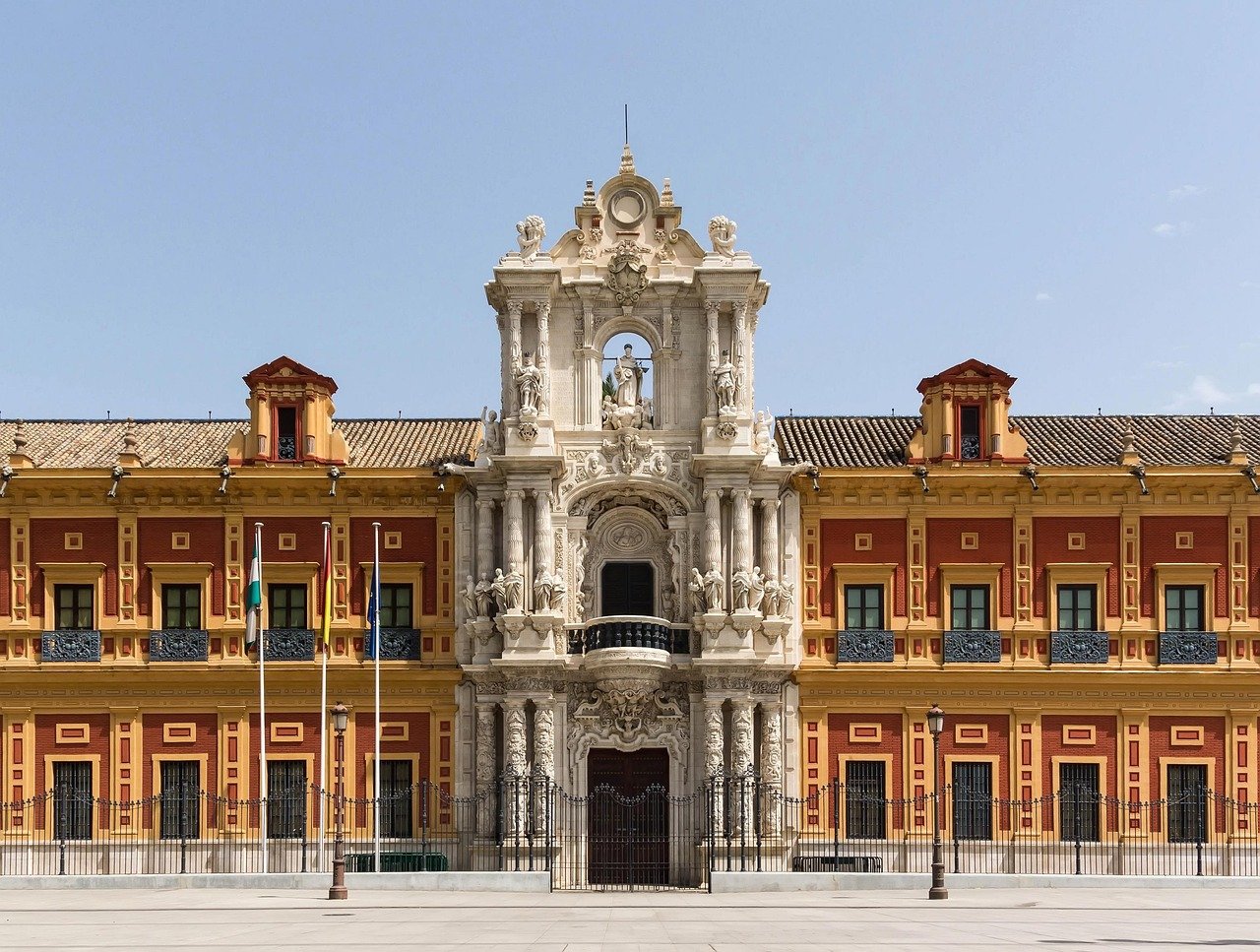
The story of El Zanjón begins with water. When Spanish colonists first settled on the banks of the Río de la Plata in the sixteenth century, the land that would become San Telmo was crisscrossed by natural streams draining into the river. One of these, the Zanjón de Granados, gave the site its name. As the city grew through the seventeenth and eighteenth centuries, residents built over the waterways, channelling them through brick culverts beneath their homes. By the early nineteenth century a grand family mansion stood above this underground network — its kitchens, patios, and servants’ quarters built directly atop the sealed tunnels. The property changed hands many times, housing tenants from successive waves of European immigration, before eventually falling into disrepair.
In 1985, architect Jorge Eckstein purchased what remained of the ruined mansion with a vision to restore it. What he discovered beneath the foundations exceeded all expectations. As workers cleared rubble, they uncovered passage after passage of intact colonial-era infrastructure: cisterns, wells, drainage channels, and interconnected tunnel vaults stretching far beyond the property’s footprint. Objects emerged from the sediment — ceramics, glass bottles, tools, personal effects — representing every era of the city’s history from the colonial period through independence and into the twentieth century. Eckstein spent nearly two decades painstakingly excavating, documenting, and restoring the site before opening it to the public in 1999. El Zanjón is today recognized as one of the most significant archaeological sites in Buenos Aires, a heritage asset and a rare window into the city’s buried past.
What makes the history of El Zanjón especially resonant is the way it mirrors the larger history of Buenos Aires itself. The neighbourhood of San Telmo began as the city’s most prosperous quarter, home to wealthy merchants and colonial administrators whose grand houses lined Defensa and the surrounding streets. When a devastating yellow fever epidemic swept through in 1871, the elite fled north to Recoleta and Palermo, abandoning their mansions to the waves of Italian, Spanish, and Basque immigrants arriving in their hundreds of thousands. San Telmo became a dense conventillo neighbourhood — the grand rooms subdivided into cramped tenements, the patios filled with washing lines and noise. By the mid-twentieth century, many properties had fallen into such disrepair that demolition seemed inevitable. The survival of El Zanjón — and its subsequent restoration — represents one of the more improbable heritage success stories in a city that has not always treated its architectural past with care.
What to See at El Zanjón de Granados
The Underground Tunnel Network
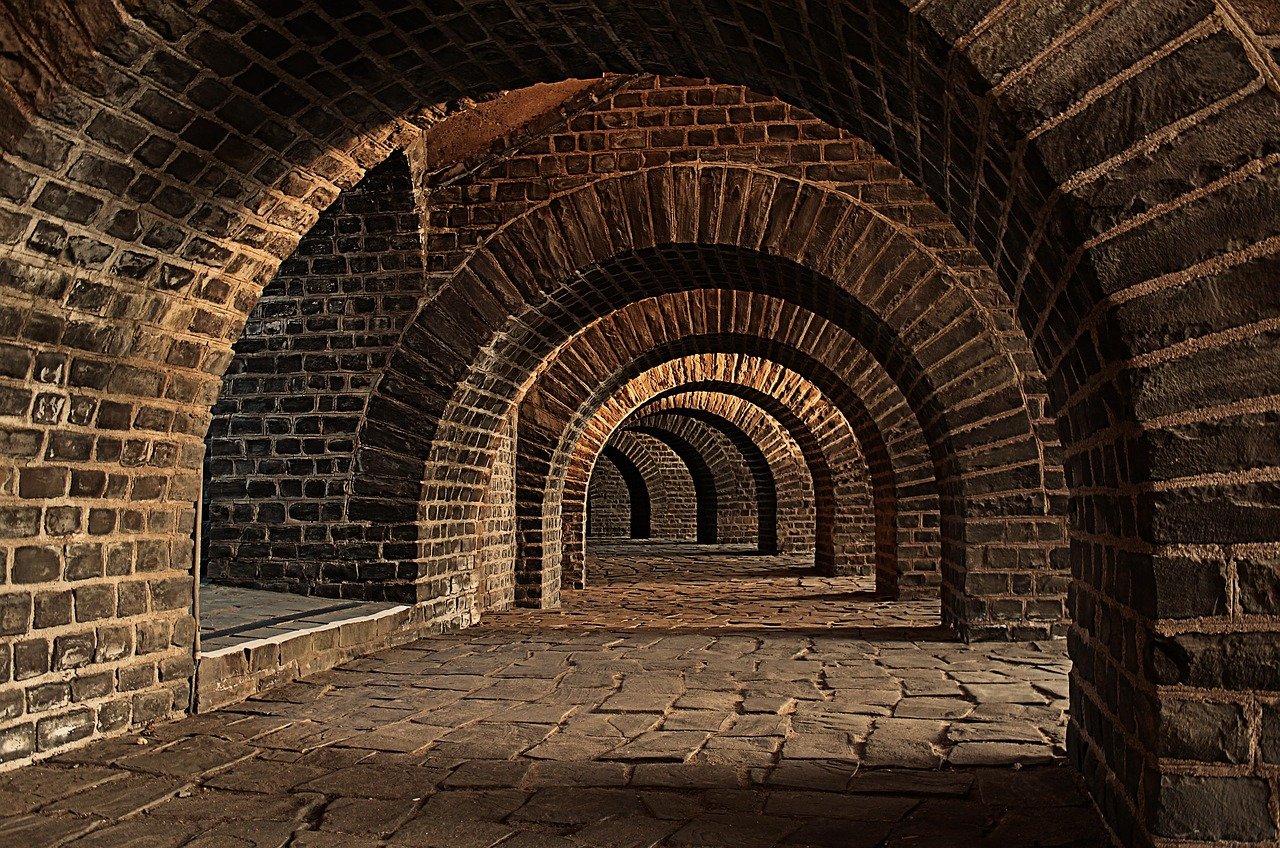
The tunnels themselves are the undisputed centrepiece of any visit. As you duck into the first passage, the ambient temperature drops noticeably — the tunnels maintain a cool, stable climate that preserved the archaeological layers so well. The main gallery stretches for around 170 metres, its hand-laid brick vaults rising nearly three metres at their peak. In places the brickwork reveals distinct construction phases: colonial-era foundations fuse with nineteenth-century additions in ways that tell a compressed story of urban expansion. Illuminated strategically to highlight texture and depth, the passages feel more like cathedral crypt than municipal drain. Guides pause at key points to explain the function of individual chambers — here a cistern for rainwater collection, there a sealed oven once used to bake bread for the household above. The sensation of walking through infrastructure that was built, used, forgotten, and rediscovered across five centuries is genuinely difficult to replicate anywhere else in the city.
The Restored Mansion and Patios
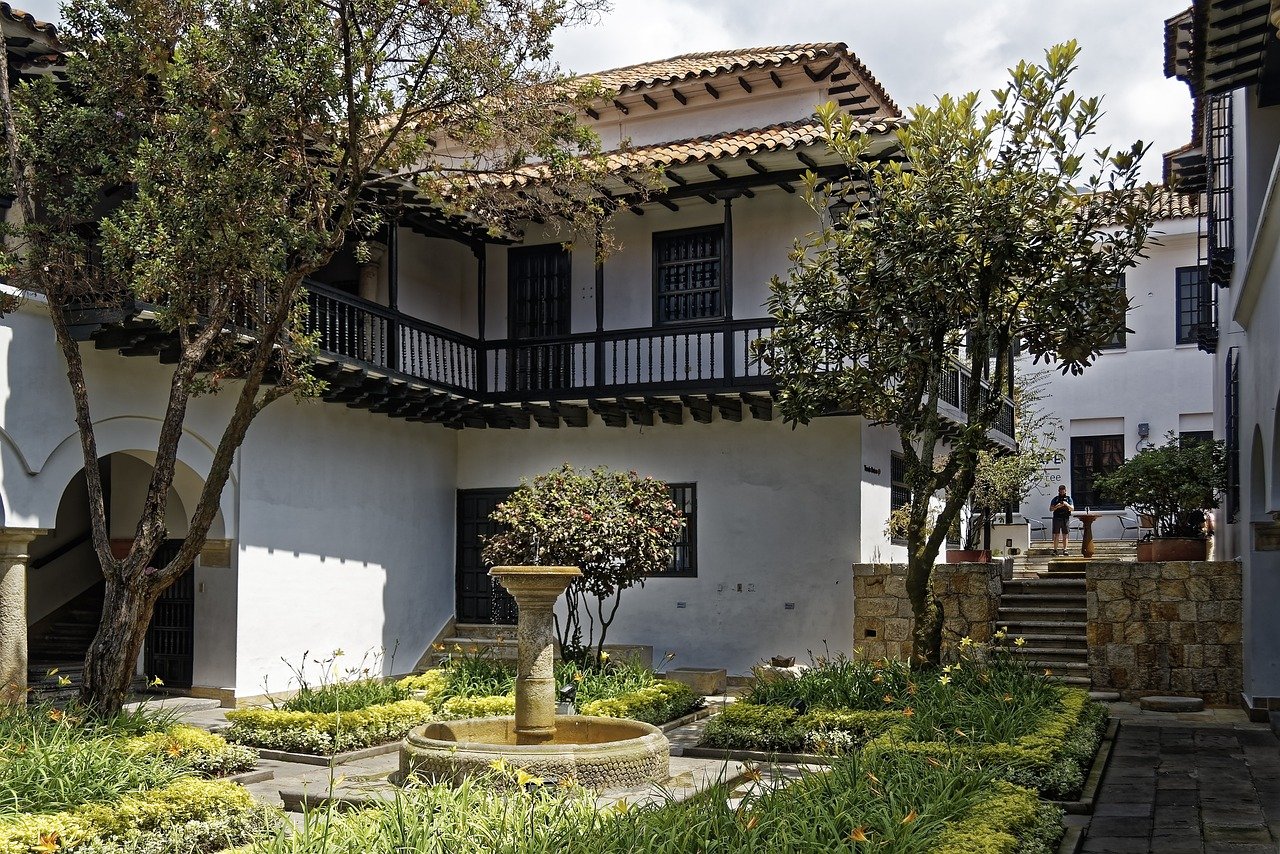
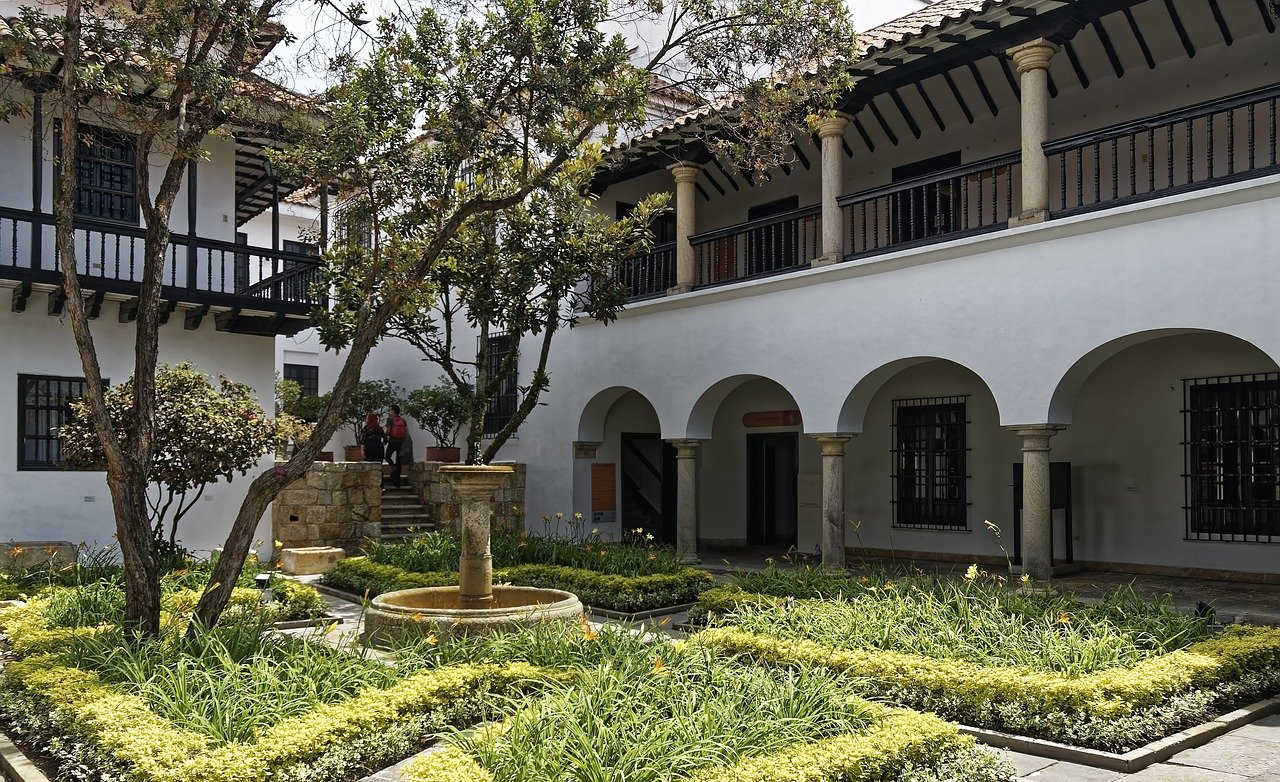
Above ground, the restored nineteenth-century mansion is equally compelling. Three interconnected patios — shaded by lemon trees and bougainvillea — reveal how prosperous Buenos Aires families of the 1830s through 1880s actually lived. The grand reception hall, with its soaring ceilings and original tile floors, was designed to impress guests arriving from Europe; the adjoining rooms served more domestic functions, their restored furnishings giving a tactile sense of daily life that a conventional history museum rarely achieves. The kitchen wing preserves its original wood-fired stove. Throughout, informational panels in Spanish and English contextualize each space within the broader arc of the city’s social history — touching on indigenous displacement, the slave trade, waves of Italian and Spanish immigration, and the gradual transformation of San Telmo from elite enclave to working-class neighbourhood to the bohemian barrio it is today.
The Archaeological Collection and Casa Mínima
Showcased in display cases throughout the mansion is a curated selection of objects recovered during excavation: colonial-era majolica ceramic fragments, glass wine bottles from the nineteenth century, iron tools, personal ornaments, and coins spanning several centuries. Each artefact is labelled with its approximate date and context, making this a genuinely informative collection rather than a decorative afterthought. Among the most striking finds are shards of Chinese porcelain traded through Manila and Seville, evidence of the global commerce that touched even this remote colonial outpost in the seventeenth century. Fragments of African-made clay pipes recovered from the deeper layers speak to the enslaved population whose labour built so much of colonial Buenos Aires but whose presence is rarely visible in the city’s official heritage.
Serious history enthusiasts should also book the separately ticketed Casa Mínima tour — the narrowest house in Buenos Aires stands just two metres wide on the adjoining property, accessible on weekend mornings only. Built in the nineteenth century as a modest dwelling for formerly enslaved people given their freedom, Casa Mínima is a poignant architectural footnote to the grander mansion next door, and one of the most thought-provoking and quietly moving spaces in all of San Telmo. The contrast between its cramped dimensions and the mansion’s grandeur says more about colonial Buenos Aires than any panel text could.
Local Insights
A few insider tips will make your visit to El Zanjón significantly more rewarding.
- Book the Premium Tour on a weekday. The 90-minute Premium Tour (weekday 12PM only) includes a guided tunnel visit plus a tasting of traditional empanadas paired with Malbec wine in the mansion patio. It costs around ARS 85,000 but provides a far more immersive and unhurried experience than the standard one-hour tour — groups are smaller and guides can spend more time answering questions.
- Arrive at least 20 minutes early. Tours depart precisely on time and the entrance is easy to miss — look for the modest wooden door at Defensa 755 with no large signage. Late arrivals are turned away. Purchase tickets at the door if you have not booked online, but call ahead on busy summer weekends when slots fill by midday.
- Pair your visit with the San Telmo Sunday Market. The famous Feria de San Telmo fills the surrounding streets every Sunday with antiques, crafts, and street performers. Schedule El Zanjón for a Sunday afternoon slot (tours run until 6PM) and explore the market before or after — you will have one of Buenos Aires most satisfying cultural days without leaving the neighbourhood.
- Photography is permitted without flash. The atmospheric tunnel lighting produces dramatic photographs — bring a camera with good low-light performance or use your phone in night mode. Avoid selfie sticks which are restricted in the narrow passages. The patio bougainvillea in afternoon light is especially photogenic.
- Bring layers. The underground temperature stays around 16 to 18 degrees Celsius year-round. Buenos Aires summers can push 35 degrees street-level, making the tunnels a blissful relief — but a light jacket is worth having in your bag, especially if you plan to linger in the passages.
Planning Your Visit
- Tickets: Standard tunnel tour ARS 33,000 for non-residents; ARS 17,000 for students, teachers and seniors. Premium Tour (tunnels plus wine and empanadas) ARS 85,000. Casa Mínima (weekends only) ARS 24,000. Confirm current USD equivalents at elzanjon.com.ar or email turismo@elzanjon.com.ar before visiting.
- Opening hours: Daily 11am–5pm (last tour 4PM weekdays; last tour 6PM weekends). Extended to 11am–6pm in January and February. Check elzanjon.com.ar for the current seasonal schedule.
- Best time: Weekday mornings in spring (September–November) or autumn (March–May) for smallest groups and most comfortable weather. Sunday afternoons let you combine with the Feria de San Telmo market.
- Duration: Allow 60–90 minutes for the standard tour; 2 hours if combining El Zanjón with the Casa Mínima. The Premium Tour runs 90 minutes plus informal tasting time.
- Booking: Tickets purchasable at the door up to one hour before the tour. Advance booking strongly recommended for weekends and January–February peak season. Contact turismo@elzanjon.com.ar or visit elzanjon.com.ar.
Getting There
- Subte (Metro): Line C to Independencia station, then a 10-minute walk north along Defensa. Alternatively, Line A to Piedras station is roughly equidistant.
- By car: Street parking on Defensa is very limited on Sundays when the market closes the street. Use a paid lot on Chile or Estados Unidos. Driving is not recommended on market Sundays.
- On foot: A 25-minute walk south from Plaza de Mayo along Defensa — the walk passes some of the city’s most photogenic colonial streetscapes. From Puerto Madero allow 20 minutes walking westward.
- Taxi/ride-share: Uber and Cabify both service San Telmo reliably. Ask to be dropped at Defensa 755, San Telmo. The return journey is easiest via app as street taxis can be scarce on busy market Sundays.
Frequently asked questions
Do I need to book El Zanjón de Granados in advance?
Advance booking is strongly recommended for weekend visits and during January and February, when Buenos Aires tourism peaks and slots fill by midday. On quiet weekdays you can generally walk up to Defensa 755 and purchase tickets at the door up to one hour before a scheduled tour. That said, arriving without a reservation on a Sunday means risking disappointment — it is worth sending an email to turismo@elzanjon.com.ar a few days ahead, or checking the website for any online booking option currently in operation.
Are the tunnels accessible for visitors with mobility difficulties?
Unfortunately, El Zanjón de Granados is not fully wheelchair accessible. The underground passages require navigating narrow steps at the entrance and in several sections of the tunnel route, and the uneven brick floor presents challenges for visitors with limited mobility. The above-ground mansion and patios are more navigable, but the core tunnel experience cannot currently be completed without descending stairs. Visitors with specific mobility concerns are encouraged to contact the attraction directly before booking to discuss what portions of the tour may be suitable for their needs.
How long does the tour take, and is it available in English?
The standard El Zanjón tunnel tour lasts approximately 60 minutes. Most tours are conducted in Spanish, with guides switching to English for international visitors when group composition allows — this is common on weekend tours, which attract more foreign visitors. If you need a guaranteed English-language tour, confirm this when booking. The Premium Tour similarly accommodates bilingual groups on request. Written informational panels throughout the mansion are available in both Spanish and English regardless of tour language.
Can El Zanjón be combined with other San Telmo attractions?
Absolutely — San Telmo is one of Buenos Aires’ most walkable neighbourhoods and a single afternoon can easily combine El Zanjón with numerous adjacent highlights. The Sunday Feria de San Telmo antique and craft market on Defensa is the natural pairing. The Mercado de San Telmo, a covered market hall one block away, is excellent for lunch. The Museo Histórico Nacional is a short walk south in Parque Lezama. For a full cultural day, the Museo de Arte Moderno de Buenos Aires is within a 15-minute walk northward along the waterfront.