
Ischigualasto Provincial Park
The landscape looks like the surface of another planet. Rounded grey and red boulders sit in perfect isolation on a flat desert floor, as if arranged by some cosmic hand. The air is thin and dry at 1,500 meters altitude, and the silence is absolute except for the wind whispering across 230-million-year-old sediment. This is Ischigualasto Provincial Park in San Juan Province — also called Valle de la Luna (Valley of the Moon) — where the Triassic period is written in stone, and where some of the oldest dinosaur fossils on Earth were pulled from the earth to rewrite the history of life itself.
History of Ischigualasto Provincial Park
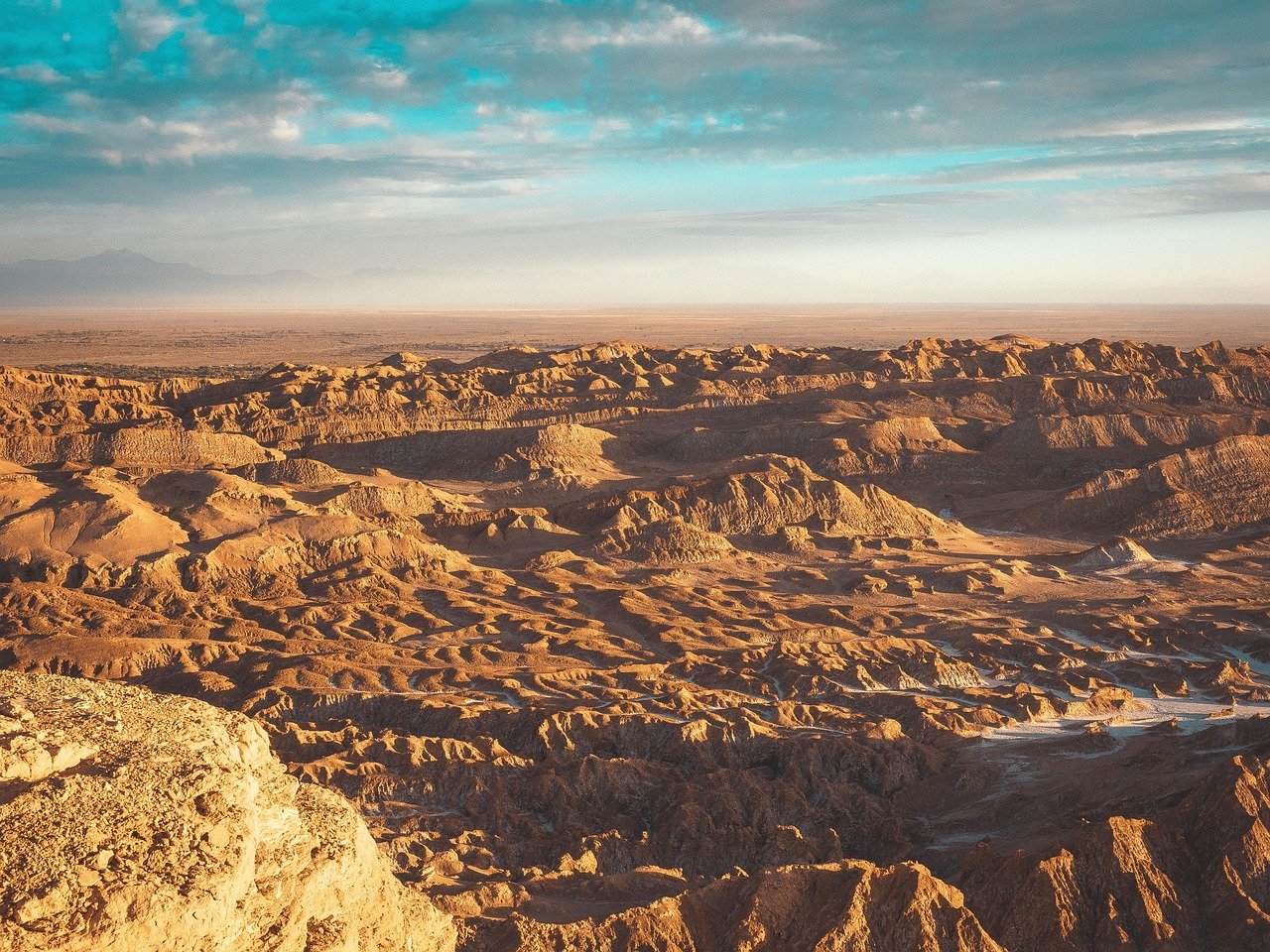
The name Ischigualasto comes from the Diaguita language — it translates roughly as “land without life” or “place where the moon lands.” For most of human history, this remote desert in the rain shadow of the Andes was traversed only by indigenous peoples and later by gauchos driving cattle. The geological significance of the region began to emerge in the 1940s when paleontologists recognized that the exposed Triassic formations contained extraordinarily complete fossil records from 228–208 million years ago.
The most pivotal discovery came in 1958 when fossil hunter Victorino Herrera found bones that would become known as Eoraptor lunensis — one of the earliest dinosaurs ever identified, dating to approximately 231 million years ago. Subsequent excavations unearthed Herrerasaurus ischigualastensis, another primitive dinosaur, along with cynodonts (forerunners of mammals) and rhynchosaurs. In 2000, Ischigualasto and neighboring Talampaya National Park were jointly designated a UNESCO World Heritage Site, recognized as the most complete known record of continental life during the Triassic period.
What to See
The park offers several distinct circuits, all accessed by vehicle (visitors must follow a park ranger guide in convoy — no independent exploration on foot). The Valle Pintado (Painted Valley) features brilliantly colored red and grey layered sediments that change hue dramatically in different light. The Cancha de Bochas (Bocce Ball Court) is the park’s most iconic feature — a field strewn with perfectly spherical grey boulders, each a natural concretion formed by minerals accumulating around a nucleus in ancient lake sediments. These eerie spheres, ranging from grapefruit to car-sized, give the landscape its otherworldly character.
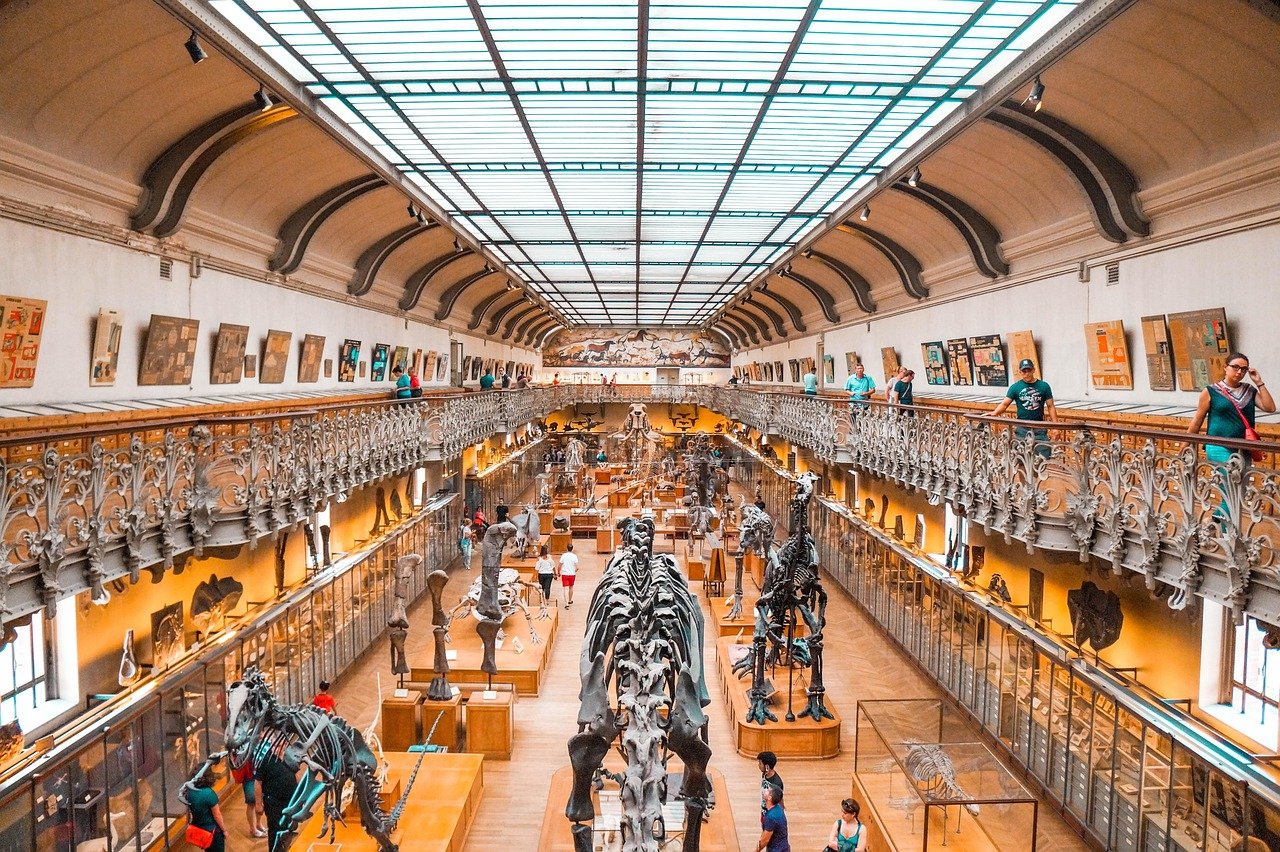
The Hongo (Mushroom) is a famous eroded rock formation resembling a giant stone mushroom, shaped by differential weathering between the softer lower strata and harder cap rock. The Gusano (Worm) is an even more dramatic formation — a sinuous ridge of pale grey volcanic ash that winds through the red desert floor. At the park’s visitor center and museum, fossil casts and explanatory exhibits illuminate the evolutionary significance of the fossils found here, with particular attention to the Triassic radiation of dinosaurs and the origins of mammals.
The Geology and Paleontology

Ischigualasto’s extraordinary scientific value lies in its geological sequence. The Ischigualasto Formation exposes sedimentary rocks deposited in a series of river floodplains and lake environments during the Late Triassic period, approximately 231–225 million years ago. This was the moment in Earth’s history when dinosaurs were diversifying from small, bipedal insectivores into the diverse clades that would come to dominate Mesozoic life. The fossils here represent some of the earliest members of both main dinosaur lineages — Saurischia (which includes theropods and sauropodomorphs) and Ornithischia.
What makes the site unique is completeness: the Ischigualasto Formation contains an almost uninterrupted stratigraphic record spanning roughly 6 million years, allowing paleontologists to trace evolutionary changes across successive generations of animals. Fossil collection continues today, and the Museo de Ciencias Naturales in San Juan city (the regional capital, 80km away) houses many original specimens from the park, including mounted skeletal reconstructions of Eoraptor and Herrerasaurus that are must-sees for dinosaur enthusiasts.
Practical Information
- Tickets: Approx. ARS 3,500 general admission (prices subject to change); additional fees for trekking circuits; purchase at park entrance or online at ticketischigualasto.com
- Opening hours: Summer/Spring (Sep 21–Mar 20) 8:00am–5:00pm; Winter/Autumn (Mar 21–Sep 20) 8:00am–4:30pm; full moon night tours available monthly
- Best time to visit: April–October for cooler temperatures and drier conditions; summer is extremely hot (40°C+); spring and autumn offer the best light for photography
- Duration: Standard vehicle circuit 3–4 hours; combined Ischigualasto + Talampaya full day (10–12 hours) is a popular option
- Booking: Tours via convoy leave at set times; arrive early to secure a spot; pre-booking recommended for full moon night tours which sell out quickly
Local Insights
What locals know that guidebooks don’t always tell you:
- The full moon tour (Noche de Luna Llena) is one of the park’s most magical experiences — the grey boulders and pale sediments glow silver under the full moon, and the Milky Way blazes overhead in the zero-light-pollution desert. Book at least two months ahead for these night tours.
- Bring far more water than you think you need — the desert air at altitude is brutally desiccating, and there are no facilities within the circuit. At least 2 liters per person for a half-day visit.
- The combined Ischigualasto + Talampaya route (the two UNESCO sites) is typically done by organized tour from San Juan or La Rioja; renting a car and doing both independently in one day requires very early departure and careful timing.
- The visitor center museum is small but excellent — don’t rush through it before your circuit, as understanding the geological context makes the landscape far more meaningful once you’re inside.
- Photography is unrestricted, but the best light is in the first two hours after sunrise and the last hour before sunset — midday harsh light washes out the colored sediments significantly.
Getting There
- By car: From San Juan city (provincial capital, 80km south via RN-141 and RP-510); from La Rioja city (approx. 130km northwest); road is paved to the park entrance
- By bus: No direct public bus service; organized day tours from San Juan city depart daily from the bus terminal and major hotels
- By organized tour: Full-day tours from San Juan (and some from La Rioja) typically include both Ischigualasto and Talampaya in one package; available through tour operators in both cities
- Nearest town: San Agustín del Valle Fértil (64km from park) has basic accommodation; San Juan city is the main base for the region
Frequently asked questions
Can I drive through Ischigualasto independently?
No — all visitors must follow a ranger guide in a vehicle convoy. This rule protects both the fossils and visitors in the desert environment. You can drive your own vehicle within the convoy, or join a tour that provides transport. The convoy system means you cannot linger independently at formations, though rangers stop at all major points and allow adequate time for photography and exploration on foot at designated stops.
Are there real dinosaur fossils visible in the park?
Yes, though in situ fossils visible to visitors are relatively rare since major specimens have been excavated and moved to museums for proper conservation. Active fossil sites are sometimes visible from the road. The park’s on-site museum displays casts and explanatory models, while the Museo de Ciencias Naturales in San Juan city houses original fossils including mounted skeletons. Paleontological field work continues in the park, and visitors occasionally see ongoing excavation work.
Is Ischigualasto suitable for children?
Yes, especially for children interested in dinosaurs or science. The vehicle-based tour is accessible for all ages. The formations and boulders inspire imagination, and the park’s museum is designed with younger audiences in mind. Bring sun protection, extra water, and hats — the desert environment is harsh, and even children become dehydrated quickly at altitude.
What is the difference between Ischigualasto and Talampaya?
Both are UNESCO World Heritage sites comprising the Ischigualasto-Talampaya Natural Areas, but they offer different experiences. Ischigualasto (in San Juan province) features the unique spherical boulders, colored volcanic sediments, and the paleontologically significant Triassic fossil record. Talampaya (in La Rioja province) is dominated by towering red sandstone canyons with Jurassic-era rock art left by pre-Columbian peoples. Most visitors combine both in a single long day trip.
What should I wear and bring to Ischigualasto?
Sun protection is essential: wear a wide-brimmed hat, high-SPF sunscreen, and lightweight long sleeves to protect against intense desert UV radiation at altitude. Bring at least 2 liters of water per person, snacks (no food facilities inside the circuit), and a light windproof layer for the afternoon when temperatures can drop surprisingly. Sturdy closed-toe shoes are required for walking at the brief foot-exploration stops.