
Calchaquí Valley 💎 Hidden Gem
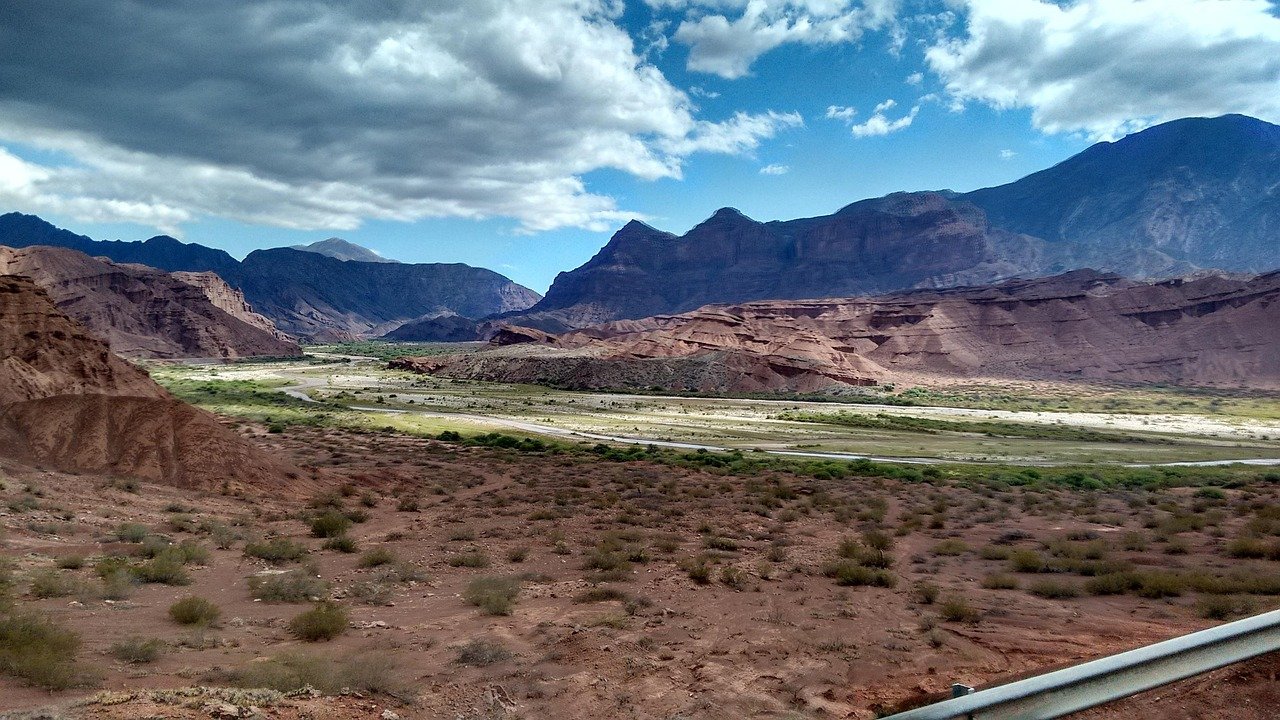
Colour is not something you expect in the desert, and yet the Calchaquí Valley — a vast sweep of river valleys, salt flats, and jagged sierras stretching across northwestern Argentina — is arguably the most intensely coloured landscape on the continent. The Quebrada de las Conchas burns terracotta and sienna. The hills around Cachi glow ochre and rust above whitewashed adobe streets. The vineyards of Cafayate produce some of the world’s highest-altitude wines in a palette of dusty greens against bare red rock. This is ancient country — occupied for eight thousand years, shaped by the Inca, fought over by the Spanish, and still vibrating with Indigenous culture in its festivals, textiles, and food. Travelling through the Calchaquí Valley is less a tourist experience than a slow immersion in one of South America’s most layered and rewarding landscapes.
History of Calchaquí Valley
Human presence in the Calchaquí Valley stretches back approximately eight thousand years, making it one of the longest continuously inhabited regions in South America. The earliest inhabitants left traces in petroglyphs and lithic tools scattered across the high desert. But it was the Santamariano culture — which flourished from around 1000 AD to the eve of the Inca conquest — that left the most visible marks. The Santamariano built fortified settlements called pucarás on hilltops above the valley floors, developed sophisticated irrigation systems to coax agriculture from the arid landscape, and produced a distinctive style of funerary urns painted in black and white geometric patterns that archaeologists have excavated from sites throughout the region. Their ceramic tradition is considered one of the most refined in pre-Columbian South America.
The Inca arrived in the 1470s, incorporating the valleys into the Qullasuyu province — the southernmost reach of Tawantinsuyu, the Inca Empire. They built tambos (waystation settlements) along the roads, maintained llama herds as both transport and currency, and left traces visible today in the route that became the backbone of National Route 40. When the Spanish arrived in the 1530s, collapsing the Inca Empire within a decade, the people of the Calchaquí Valley refused to submit without a fight. The Calchaquí Wars — a series of rebellions against Spanish colonial authority — lasted on and off from the 1560s until 1650, when the region was finally subdued and thousands of Indigenous people were forcibly relocated to other provinces in a policy called “desnaturalización.” It was one of the longest and most determined episodes of Indigenous resistance in colonial Argentina, and its legacy still resonates in the region’s cultural identity. Today the valley’s towns preserve those threads of history in their architecture, their festivals, and the handcrafts sold in markets from Cachi to Santa María.
What to See at Calchaquí Valley
Cafayate and the High-Altitude Wine Region
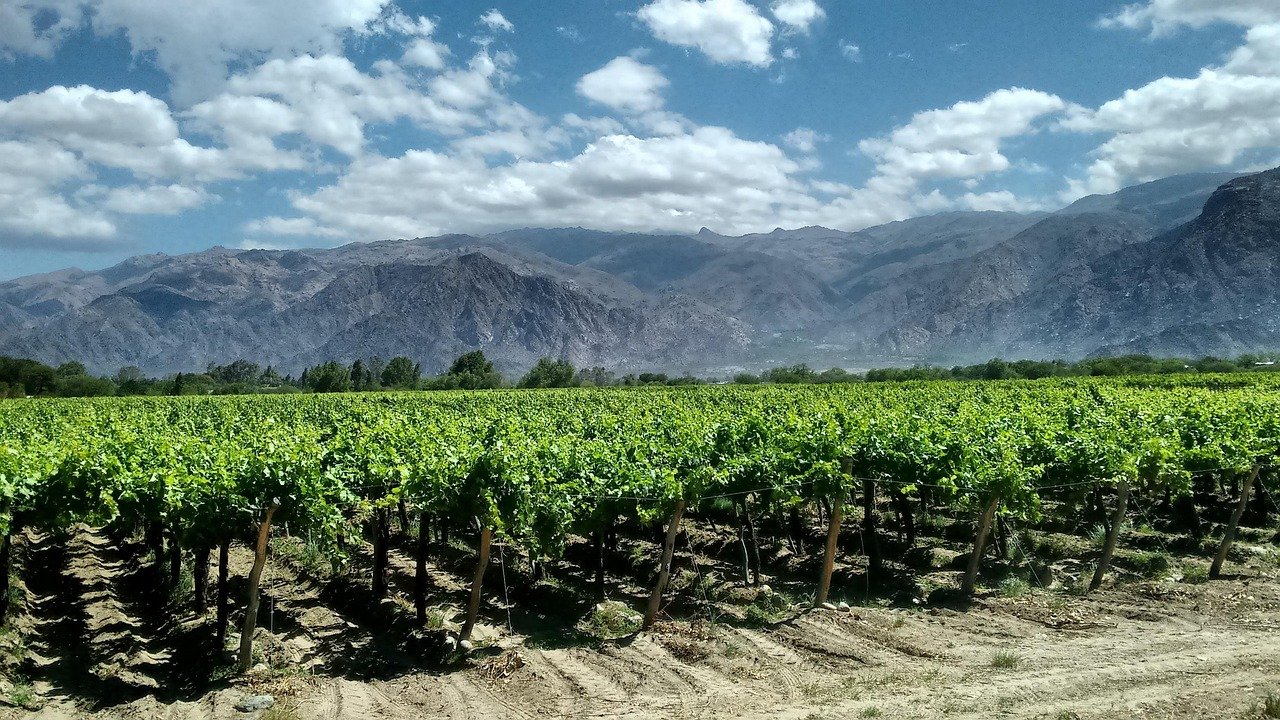
Cafayate sits at 1,683 metres above sea level, surrounded by vineyards that produce wines of unusual complexity and intensity — a consequence of extreme UV radiation, dramatic temperature swings between day and night, and sandy soils that force vines to dig deep. The signature grape is Torrontés, a white variety that thrives at altitude and produces aromatic, dry wines with floral notes found nowhere else in the world. Major bodegas including Etchart, El Esteco, and Nanni offer tastings and tours, most of them housed in historic haciendas with barrel rooms that double as museums of local winemaking heritage. But Cafayate is not only wine: the town square is genuinely handsome, shaded by a massive jacaranda tree that blooms violet in November, and the surrounding countryside is a textbook of geological drama. The Quebrada de las Conchas Managed Nature Reserve, just north of town, protects some of the most spectacular sandstone formations in Argentina — including the Garganta del Diablo (Devil’s Throat), a narrow red canyon that funnels wind into an eerie howl, and El Anfiteatro, a natural amphitheatre whose acoustics are so precise that local musicians regularly perform impromptu concerts there for passing travellers.
Cachi: The White Town Beneath Snow-Capped Peaks
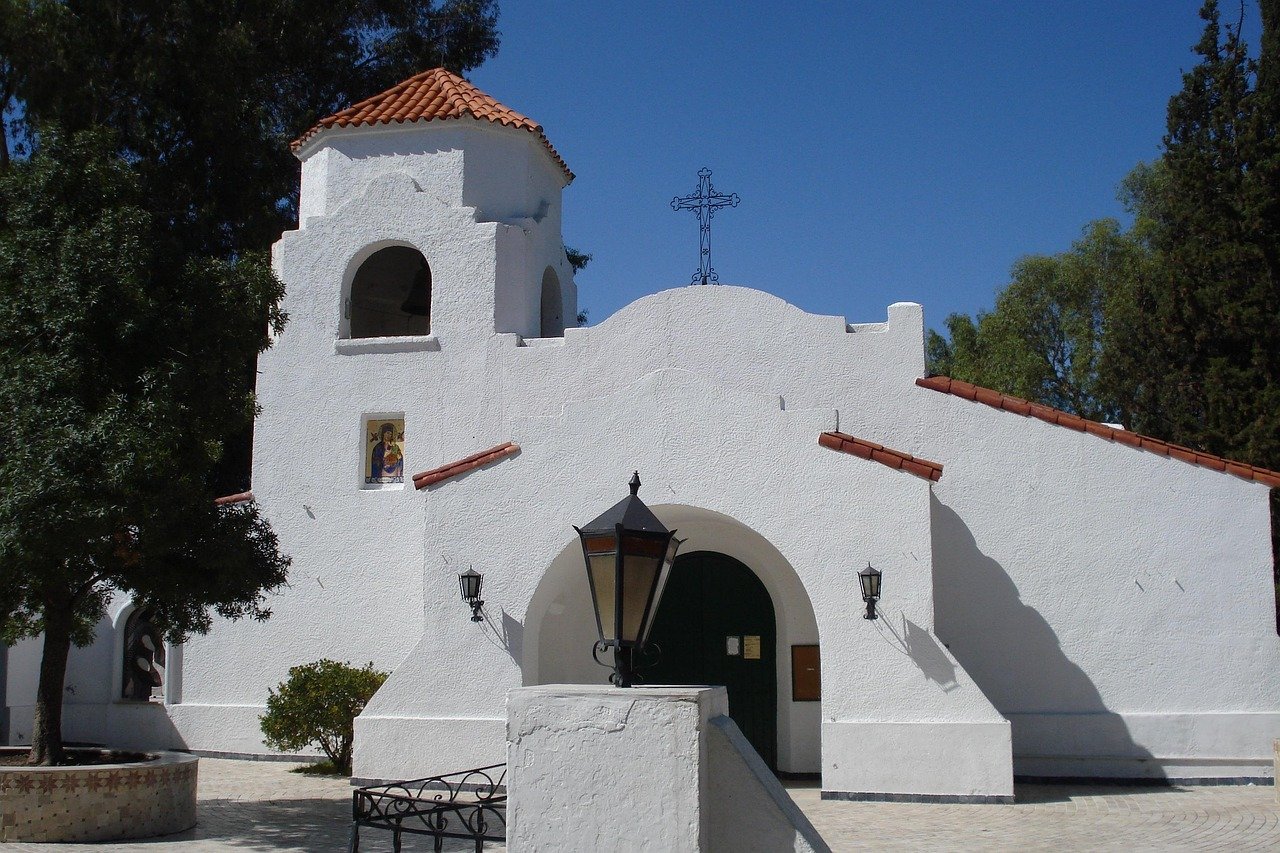
Cachi is arguably the most beautiful town in the Calchaquí Valley — a small settlement of whitewashed adobe streets and red-tile roofs set at 2,280 metres against a backdrop of snow-capped peaks that exceed 6,000 metres. The approach via the Cuesta del Obispo (Priest’s Pass) is itself one of the great drives in Argentina: a 47-kilometre road that climbs through Los Cardones National Park, past fields of enormous cardon cacti that can live for three hundred years, through cloud forest and sudden viewpoints that reveal the valley stretching south like a rumpled cloth. Cachi’s colonial church, built with roof timbers of cactus wood that have survived since the seventeenth century, is both architecturally remarkable and still very much in use. The Pío Pablo Díaz Archaeological Museum in the main square houses pre-Columbian ceramics, textiles, and burial objects that span ten thousand years of valley life — a small but exceptional collection that rewards an unhurried hour of attention. In the surrounding area, the ruins of Pukará de Brealito and several less-visited Inca road sections are accessible with a local guide.
National Route 40 and the Valley Road
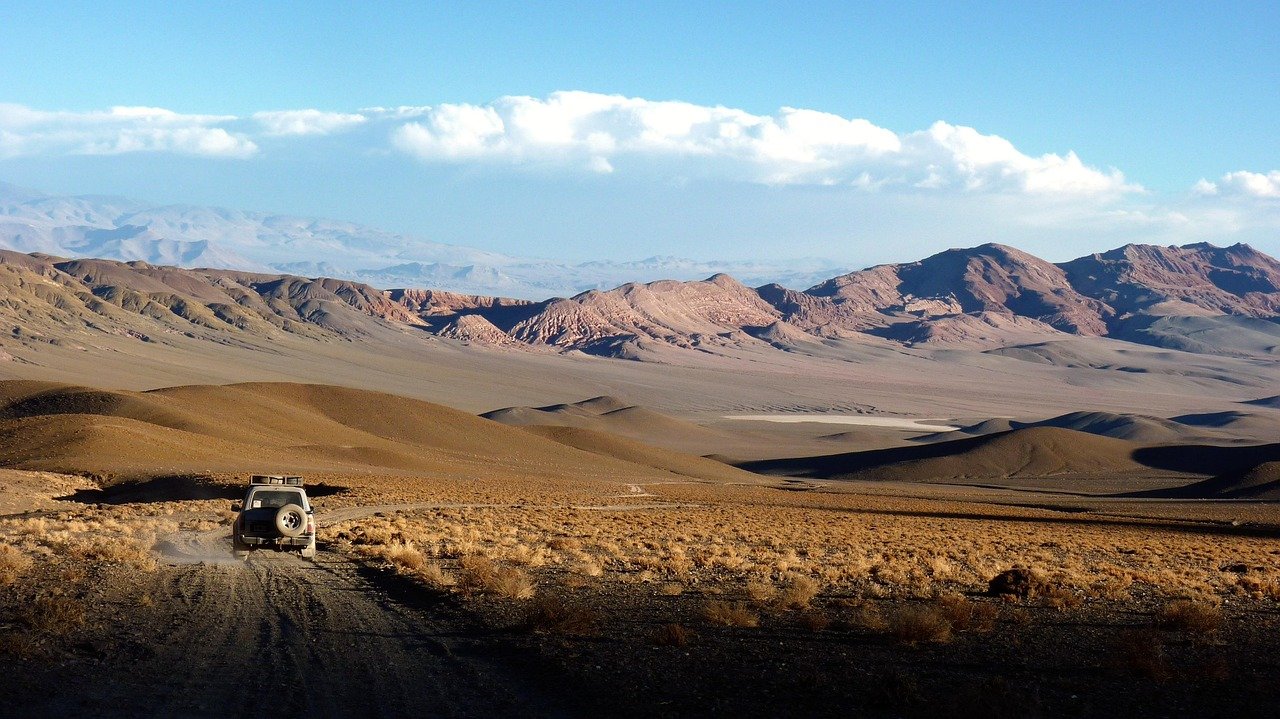
No journey through the Calchaquí Valley is complete without time on National Route 40, the legendary road that runs 5,300 kilometres from the Bolivian border to Patagonia and passes through the valley’s heart. The section between Cafayate and Cachi is unpaved for much of its length — a red dirt track that occasionally narrows to a single lane around blind corners above steep drops — but it is one of the most visually staggering drives in South America. The landscape shifts constantly: broad sandy valley floors give way to red rock gorges, open plateau ringed by distant volcanoes, and small agricultural villages where life operates at the pace of oxcart and irrigation ditch. Look for the wineries of Molinos, the handwoven ponchos of San Carlos, and the salt flats near Angastaco that flash silver-white against red hills. Most travellers drive the route north to south from Salta, ending in Cafayate — a two-day journey if you stop properly, though it can be pushed into one very long day.
Local Insights
Travel smart in the Calchaquí Valley with these concrete tips gathered from guides, winery owners, and experienced regional travellers:
- Visit bodegas on weekday mornings for the best experience. The major Cafayate wineries attract tour groups that arrive around 11 a.m. from Salta. Arriving at 9:30 a.m. on a Tuesday or Wednesday gives you private-style tastings with staff who have time to explain the viticulture. Many smaller family bodegas — Vasija Secreta, Nanni — do not charge for tastings at all if you go without a tour group.
- Carry cash and withdraw in Salta before departure. ATMs exist in Cafayate and Cachi, but they regularly run dry over weekends. Many artisan markets, restaurants, and small accommodation providers only accept pesos. Bring enough for two to three days of meals, accommodation, and shopping before relying on a local ATM.
- Drive the Quebrada de las Conchas from north to south (Salta to Cafayate) in the afternoon. The low western sun illuminates the red rock formations at their most saturated and dramatic from around 3 p.m. onward. The most-photographed formations — El Anfiteatro, the Garganta del Diablo, the Obelisco, Los Castillos — all face west and look flat and washed-out in harsh midday light.
- Altitude acclimatisation matters above Cachi. The Abra del Acay pass north of Cachi reaches 4,895 metres — the highest point on a paved national route in Argentina. If you are driving there from Salta (1,187 m) in a single day, allow rest time in Cachi before continuing north. Symptoms of altitude sickness include headache, nausea, and fatigue; coca tea (mate de coca) is available everywhere and provides genuine relief.
- The best artisan market is in Cachi on Saturday mornings. Local weavers, potters, and leather workers gather around the main square from about 8 a.m. Items are handmade and prices are negotiable in good spirit — bring cash in small denominations. The llaucha (a local fried cheese pastry) sold by street vendors on market day is not to be missed.
Planning Your Visit
- Tickets: There is no general admission fee for the Calchaquí Valley itself — it is an open landscape of towns and national roads. The Pío Pablo Díaz Archaeological Museum in Cachi charges approximately ARS 600 per person. Los Cardones National Park charges ARS 4,000 for foreign visitors. Winery tours and tastings in Cafayate range from free to ARS 3,000–8,000 per person depending on the bodega and the tasting menu selected.
- Opening hours: Bodegas in Cafayate are generally open Monday to Saturday 10 a.m. to 5 p.m., with reduced hours on Sundays. The Cachi Archaeological Museum opens Tuesday to Sunday 9 a.m. to 6 p.m. Most towns observe a midday break (siesta) between approximately 1 p.m. and 4 p.m. when shops and restaurants close.
- Best time: April and May offer the best combination of comfortable temperatures (20–26°C), low rainfall, and lighter crowds. March brings the grape harvest (vendimia) in Cafayate — a festive period with open cellar events. July is peak winter tourist season with clear skies and cold nights. Avoid February, which is the wettest month and can make unpaved Route 40 sections impassable.
- Duration: Allow a minimum of two full days: one for the Quebrada de las Conchas and Cafayate, one for the road north toward Cachi. Three to four days is ideal, allowing time for winery visits, hiking, and visiting smaller towns like Molinos and San Carlos without rushing.
- Booking: Accommodation in Cafayate and Cachi should be booked 2–4 weeks in advance for July (peak season) and during the March harvest festival. Walk-in availability is usually fine in the shoulder months of April–May and October–November. Day tours from Salta city range from ARS 42,000 to 68,000 including transport and winery stops.
Getting There
- By car: The most flexible option. Salta to Cafayate via Route 68 through the Quebrada de las Conchas is 186 km and takes about three hours, including stops. From Cafayate to Cachi via Route 40 (partially unpaved) is approximately 160 km and four to five hours. A standard sedan handles these roads fine in dry conditions; a higher-clearance vehicle is advisable for wet season.
- Public transport: Buses run from Salta’s main terminal (Avenida Hipólito Yrigoyen) to Cafayate three times daily — journey time approximately 3.5 hours, fare around ARS 6,000–9,000. Buses to Cachi run once or twice daily with a change at Chicoana. Schedule services do not cover the Quebrada de las Conchas stops directly; hire a remis (private car) in Cafayate for ARS 15,000–25,000 to cover the scenic formations.
- On foot: The valley towns themselves are compact and walkable. Cachi’s main attractions — the church, museum, and main square — are all within 300 metres of each other. In Cafayate, the town square and nearby bodegas are a short walk, though outlying wineries require transport.
- Taxi/ride-share: Remis services (fixed-fare private cars) operate in Salta, Cafayate, and Cachi. A full-day remis from Salta covering the Quebrada de las Conchas and Cafayate costs approximately ARS 80,000–120,000. Uber does not operate in this region; book remis through your hotel or the local taxi stand.
Frequently asked questions
Is a 4WD vehicle necessary to drive through the Calchaquí Valley?
Not necessarily, but it depends on your route and the season. The Route 68 corridor from Salta to Cafayate through the Quebrada de las Conchas is fully paved and manageable in any vehicle year-round. The stretch of Route 40 between Cafayate and Cachi is mostly unpaved gravel and becomes slippery and occasionally impassable in wet conditions (January–March). A standard sedan handles it fine in dry season; a high-clearance SUV is recommended if you plan to explore secondary roads or travel during summer rain season. Always check road conditions locally before departing on the unpaved sections.
What is the Torrontés wine of Cafayate, and why is it unique?
Torrontés is a white wine grape that produces its most distinctive expression in the high-altitude vineyards of Cafayate and the broader Calchaquí Valley. At elevations between 1,600 and 2,200 metres, intense UV radiation and extreme diurnal temperature variation (warm days, cold nights) produce grapes with exceptionally high aromatic compounds — the wine is dry but intensely floral, with notes of white peach, rose petal, and citrus. It is Argentina’s signature white variety and one of the most distinctive white wines in South America. Most bodegas in Cafayate offer tastings for around ARS 2,000–4,000 per person, typically including three to five wines with brief explanations of the viticulture.
Are there guided tours available, or is self-driving better?
Both approaches work well, but they deliver very different experiences. Guided day tours from Salta (ARS 42,000–68,000) cover the Quebrada highlights and one or two Cafayate wineries efficiently — good for visitors with limited time or those who prefer not to drive. Self-driving gives you complete freedom to linger at geological formations, discover roadside artisan stands, and spend extra time at bodegas that aren’t on the standard tour circuit. If you are staying multiple nights in the valley, self-driving (or using a rented bicycle in Cafayate) is far superior. For the Cachi area, hiring a local guide through the Cachi tourism office is worthwhile — they know which Inca road sections and archaeological sites are open and can arrange access to otherwise-closed areas.
What should I know about altitude in the Calchaquí Valley?
Cafayate (1,683 m) and Cachi (2,280 m) are at meaningful altitudes, but most visitors acclimatise without major difficulty if they spend a day or two in Salta (1,187 m) first. The problem arises when driving north from Cachi toward Iruya or over the Abra del Acay pass (4,895 m) without sufficient acclimatisation time. Classic symptoms — headache, fatigue, mild nausea, disturbed sleep — typically respond well to rest, hydration, and coca leaf tea, widely available throughout the region. If symptoms are severe or include shortness of breath at rest, descend to a lower altitude and seek medical attention in Salta. Avoid alcohol on your first day at high altitude and drink three litres of water per day minimum.