
Laguna de los Tres 💎 Hidden Gem
You scramble up the final scree slope on burning legs and suddenly the whole world opens: a glacial lagoon of impossible turquoise sits at the foot of granite towers so tall they seem to scrape the stratosphere. This is Laguna de los Tres, the crowning moment of a 22-kilometre hike from El Chalten that locals describe simply as the finest day walk in Argentina. Icebergs the size of cars drift silently across the surface, the wind tears at your jacket, and Fitz Roy stands over it all like a sentinel carved from the bones of the earth.
History of Laguna de los Tres
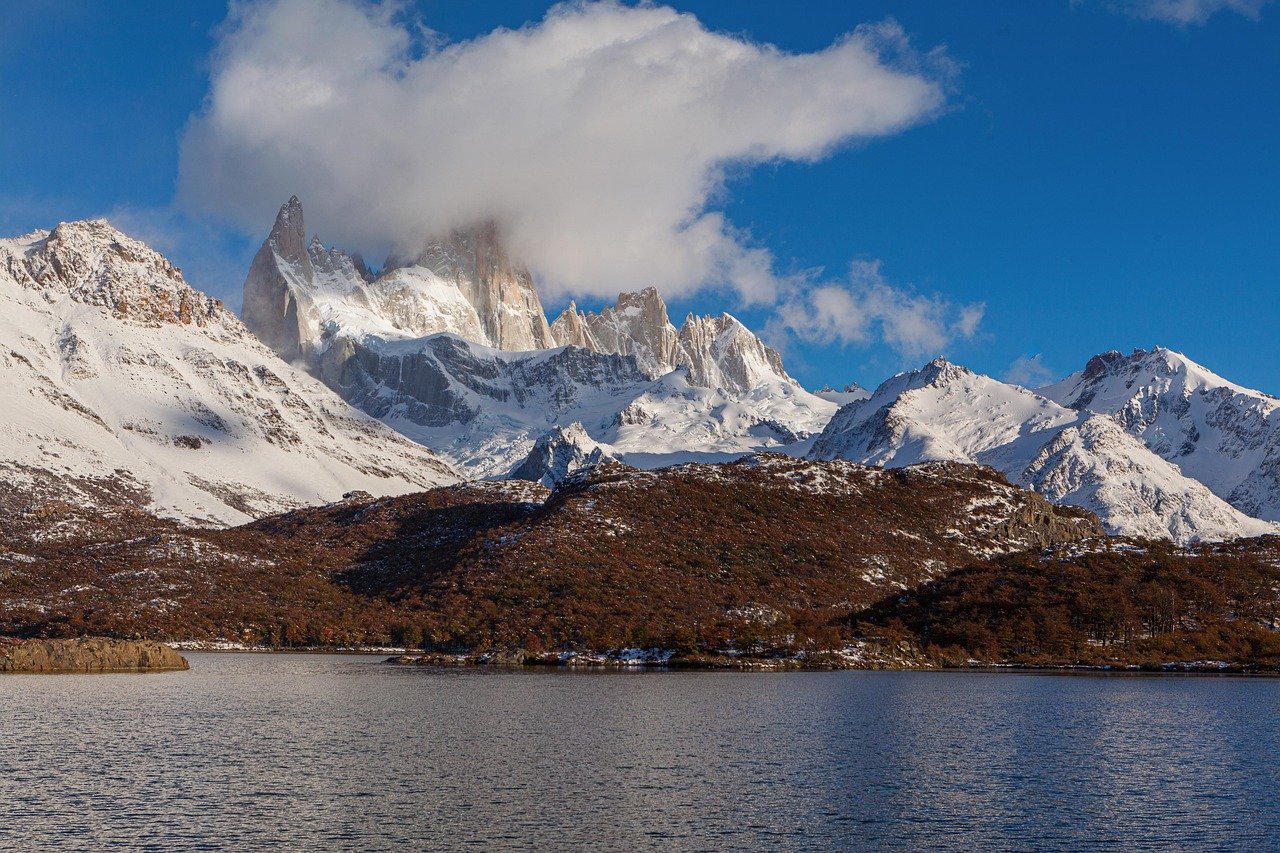
The Laguna de los Tres trail lies entirely within Los Glaciares National Park, established in 1937 and inscribed as a UNESCO World Heritage Site in 1981. The lake was named by a French expedition that made the first ascent of the Fitz Roy massif in 1952 led by Lionel Terray and Guido Magnone; three team members reached the final camp above the lagoon, hence the name. For decades the lake was known mainly to climbers. The opening of El Chalten in 1985 changed everything: suddenly there was a base, and the trail became the centrepiece of Patagonian hiking culture.
In October 2024 Argentina introduced an entrance fee for the El Chalten trekking network, ending the tradition of free access to these trails. The shift reflects the dramatic growth in visitor numbers: over a hundred thousand visitors per year now make the journey.
What to See
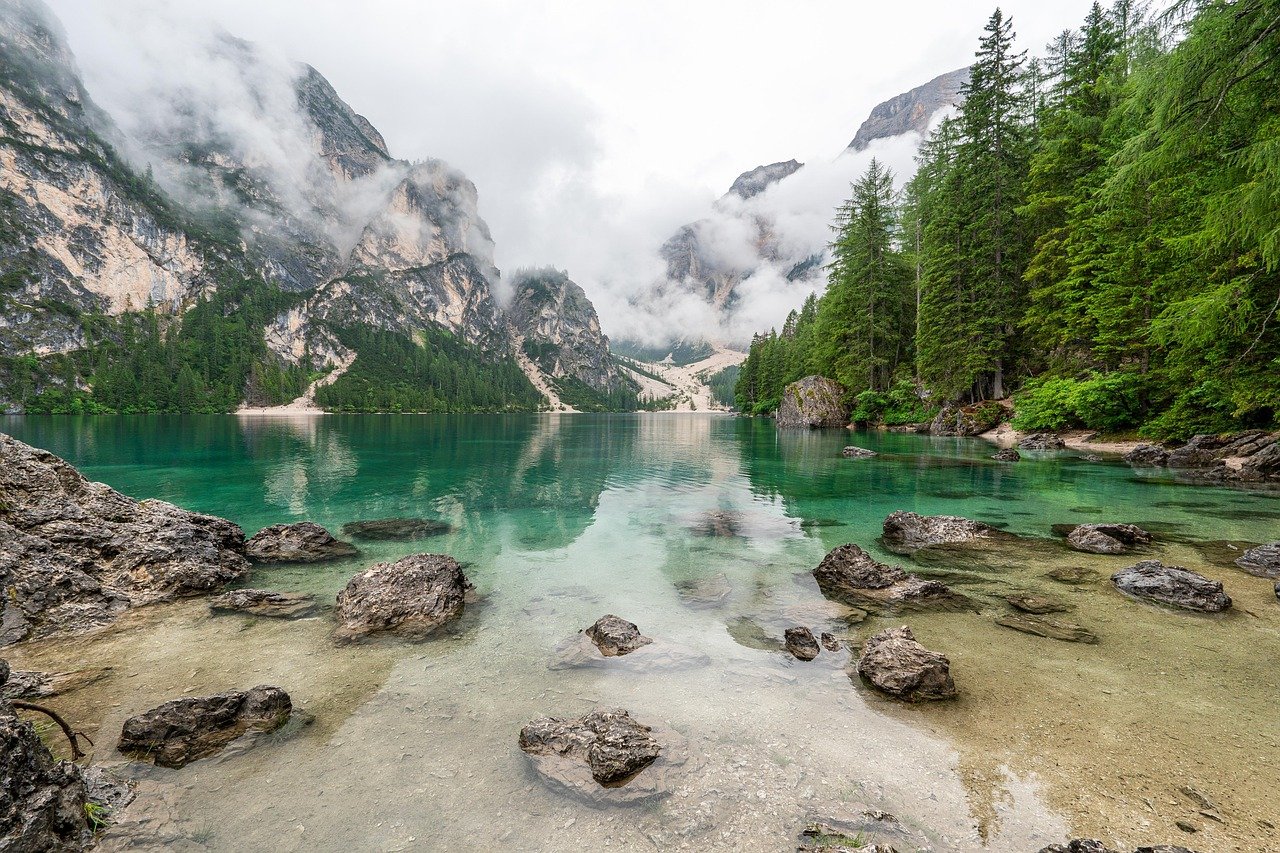
The trail begins at the northern edge of El Chalten and climbs steadily through lenga beech forest to the first viewpoint, where Fitz Roy appears framed between trees. Laguna Capri, a smaller alpine lake about halfway, provides the first proper reflection of the spires on calm mornings. Camp Poincenot sits in a sun-dappled clearing at the foot of the final climb.
The upper section is where the trail earns its reputation: a loose scree gully rises 400 metres in about 1.5 kilometres, requiring careful footing and determination. Then the angle relents, the wind hits full force, and Laguna de los Tres appears in its full turquoise glory, surrounded by glaciers hanging from the faces of Fitz Roy, Aguja Poincenot, and other granite summits. On clear days, the view is genuinely life-altering.
The Upper Lagoon
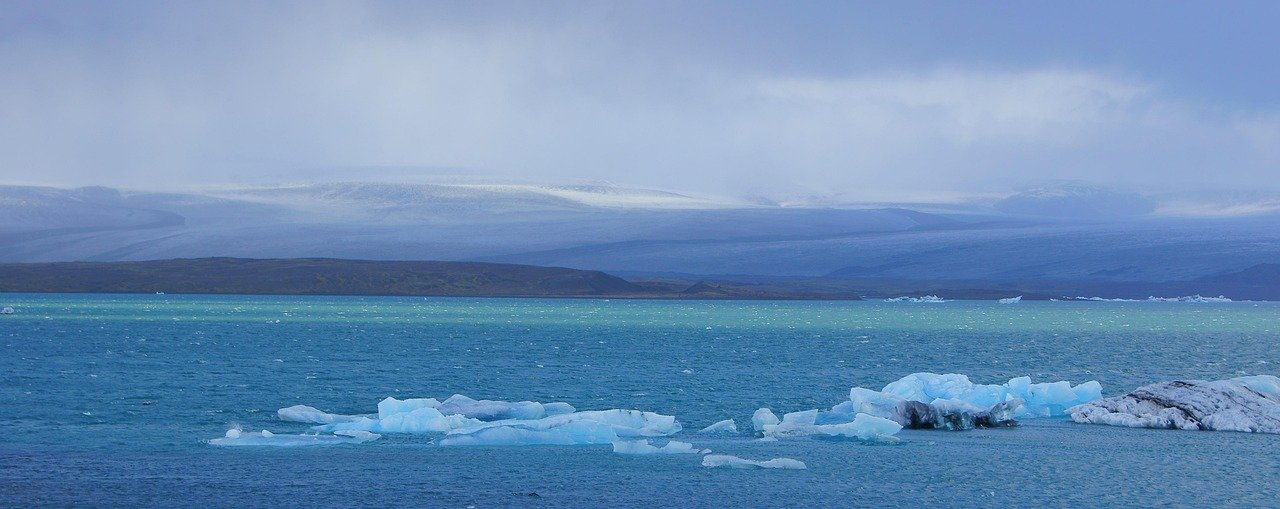
Laguna de los Tres sits at an elevation of approximately 1,170 metres above sea level. The lake is fed by glaciers calving directly from the faces above, which is why it maintains its milky turquoise colour year-round. Icebergs ranging from suitcase-sized to minibus-sized drift across the surface, occasionally calving with a crack audible across the basin. The wind at the lagoon rim can be ferocious, regularly exceeding 80 km/h on summer afternoons.
There is a second, smaller lagoon slightly above, Laguna Sucia, which sits directly beneath the hanging glaciers and often holds larger ice chunks. Many hikers visit both in a single excursion. The optional loop back via the Laguna Torre viewpoint adds several kilometres but rewards with an entirely different perspective on the mountain landscape.
Practical Information
- Tickets: Park entry approximately ARS 45,000 (around USD 45) for international visitors; check current rates at administracionparquesnacionales.gob.ar
- Opening hours: Trails open year-round; ranger office in El Chalten open 08:00-20:00 in high season (November-April)
- Best time to visit: November to March (Patagonian summer); start before 7 am for the best chance of clear weather at the top
- Duration: 8-10 hours round trip; 22 km total distance; 800 m elevation gain
- Booking: No booking required for day hikes; free camping permits issued at the El Chalten ranger office
Local Insights
What locals know that guidebooks do not always tell you:
- Start by 6 am at the latest; the upper scree becomes a highway of hikers by mid-morning and the congestion at the top removes much of the magic.
- Check Meteoblue or the local weather board at El Chalten ranger station the evening before; the mountain is only visible on roughly 30-40 percent of summer days.
- The return via Laguna Capri is quieter than the main trail and offers a different viewpoint of Fitz Roy catching afternoon light.
- Trekking poles are genuinely helpful on the descent from the scree; loose rock and tired legs make the downhill surprisingly technical.
- If you arrive on a cloudy day, stay in El Chalten an extra day; locals say a clear morning often follows a stormy one.
Getting There
- By air: Fly to El Calafate (FTE) via Buenos Aires (EZE)
- By bus: Daily buses from El Calafate to El Chalten, approximately 3 hours
- By car: Drive Ruta 40 north from El Calafate (approximately 215 km)
- On foot from El Chalten: Trailhead at the northern end of Avenida San Martin; walk directly from town centre
Frequently asked questions
Do I need to be an experienced hiker for Laguna de los Tres?
The trail is long and has a steep scree section, but requires no technical skills. A moderate level of fitness is needed. Hiking boots with ankle support and trekking poles are strongly recommended.
Is the trail safe in bad weather?
Patagonia weather can be dangerous. If wind exceeds safe levels, rangers close the upper section. Always carry warm, waterproof layers regardless of morning conditions.
Can I camp at the lagoon?
Camping is not permitted at Laguna de los Tres itself. The nearest legal campsites are Poincenot and De Agostini, about 2 km below. Free permits are issued at the El Chalten ranger station.
What wildlife might I see on the trail?
Andean condors regularly soar on thermals above the valley. Andean foxes patrol the campsites. Upland geese and ducks are common near Laguna Capri.
Are there food or water facilities on the trail?
None. Carry all food from El Chalten. Stream water is plentiful and safe to drink with a filter.