
Nahuel Huapi Lake
On a clear Patagonian morning the waters of Nahuel Huapi Lake shift between shades of steel, turquoise, and deep cobalt, reflecting the snow-dusted peaks of the Andes in a mirror so perfect it seems painted. At 557 square kilometres this is one of the largest lakes in Argentina, cradled within the country’s oldest national park, and its sheer scale can silence even the most seasoned traveller. Condors wheel in unhurried arcs overhead, and the air carries the resinous scent of lenga beech forests rolling down to the rocky shore. Nahuel Huapi is Patagonia at its most theatrical.
History of Nahuel Huapi Lake
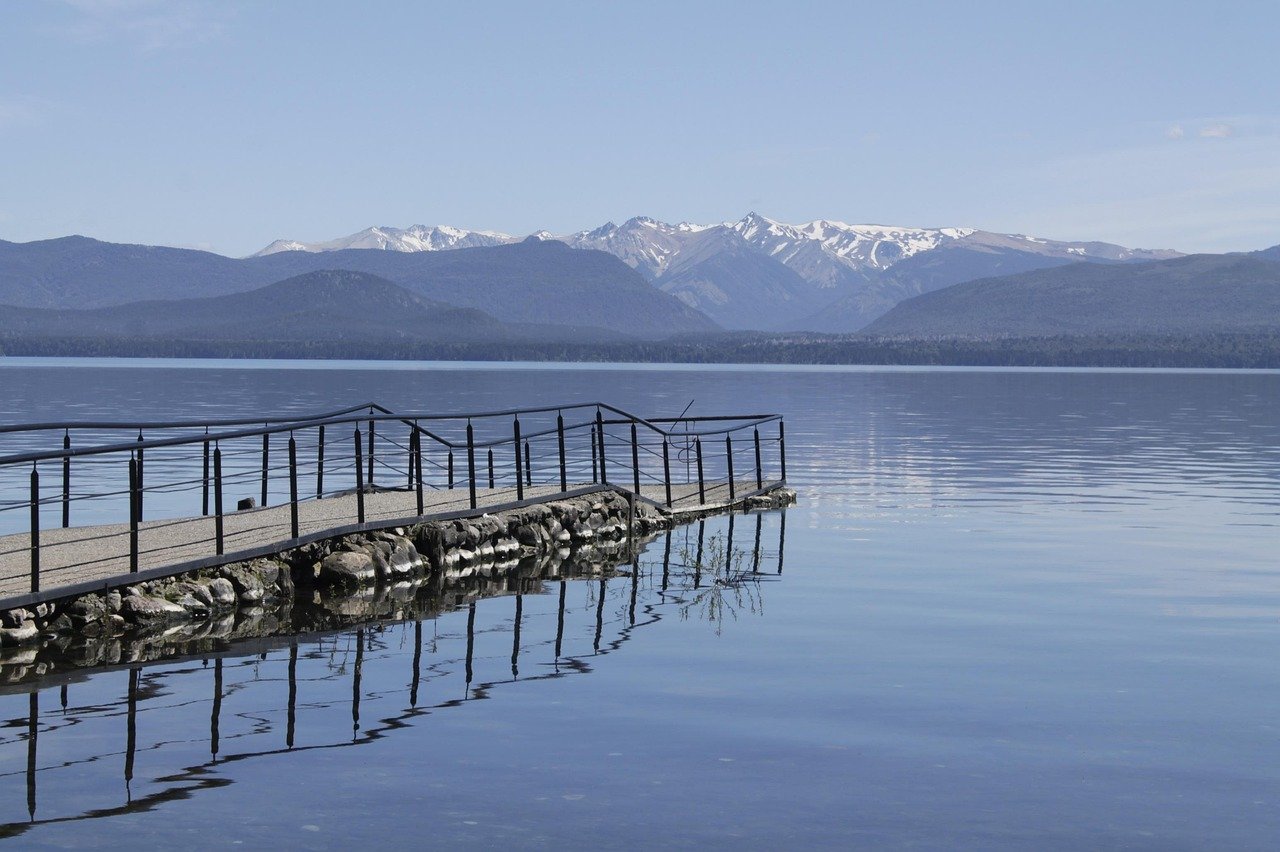
The lake’s name derives from the Mapuche language and means “Island of the Tiger” — a reference to the puma that Mapuche communities revered as lord of this landscape. Long before European contact, Mapuche and Tehuelche peoples navigated these waters in canoes, fishing its cold depths and trading across the mountains with communities in what is now Chile. Spanish Jesuits arrived in the late seventeenth century and established a mission at the lake’s edge, though hostility and the brutal Patagonian winter eventually forced them to abandon the settlement.
The modern era of Nahuel Huapi began in 1903, when Argentine naturalist Francisco Pascasio Moreno — known as Perito Moreno — donated three square leagues of land around the lake to the Argentine state. That gift became the seed of Nahuel Huapi National Park, proclaimed in 1934 and making it the first national park in Argentina and among the oldest in South America. The Swiss-Argentine architect Alejandro Bustillo was commissioned to design the park’s infrastructure, and his Germanic-style alpine buildings at Bariloche — including the iconic Civic Centre and the Llao Llao Hotel — gave the region a character that led to its affectionate nickname, “the Swiss Alps of South America.”
The founding of Bariloche as a gateway city transformed the lake from a remote wilderness into one of Argentina’s premier destinations. Swiss, German, and Italian immigrants settled the shores in the early twentieth century, establishing the chocolate shops, microbreweries, and ski lodges that remain defining features of the region’s culture today. Their legacy is visible in every shingled chalet and stone-fronted tearoom along Bariloche’s Mitre Street.
What to See
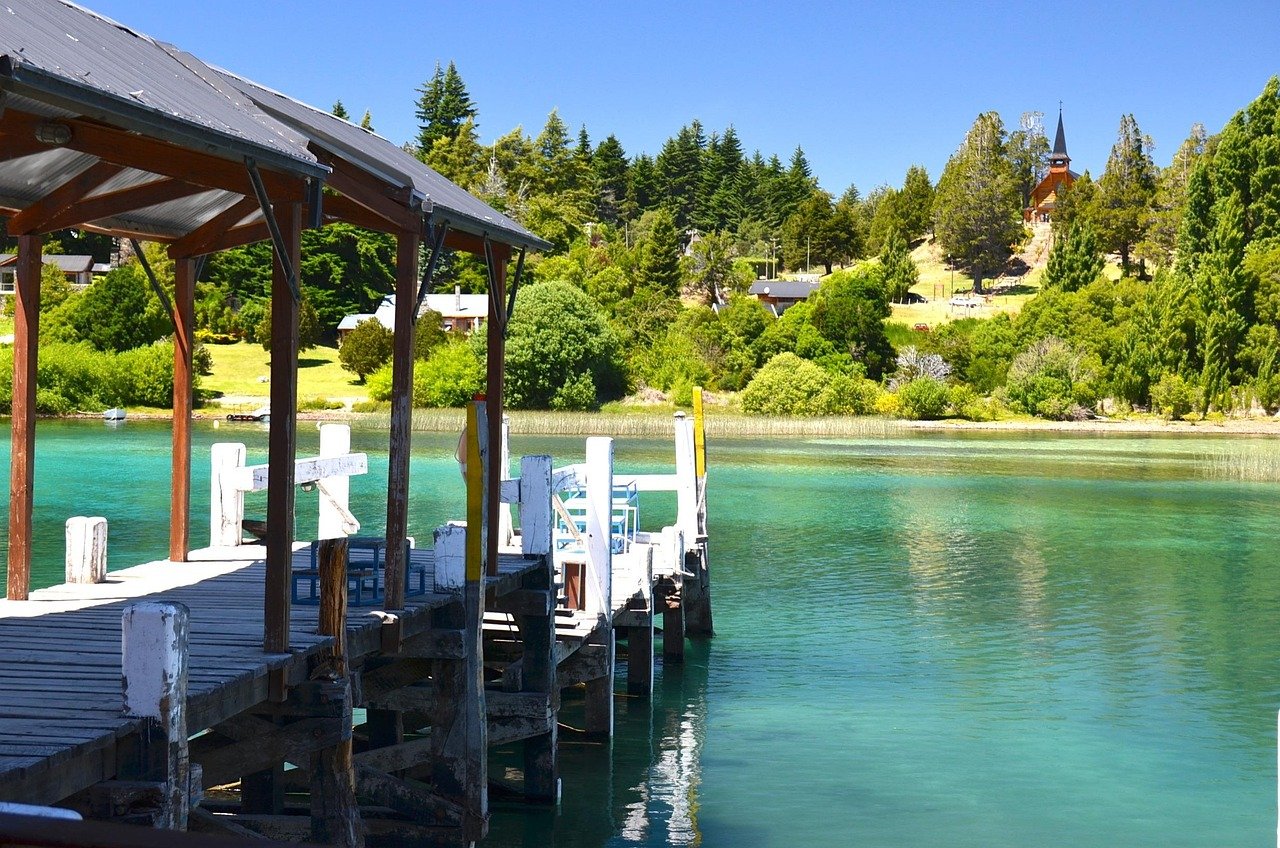
The lake’s seven arms — known as brazos — extend into different valleys, each with its own microclimate and scenery. The most visited area is the central basin around Bariloche, where boat excursions to Isla Victoria are the classic way to experience the lake. The island’s ancient arrayán forest — a grove of cinnamon-barked myrtle trees that inspired part of the Bambi film set after Walt Disney visited in 1941 — is one of the most photographed natural features in all of Argentine Patagonia. The arrayán trees are unique: their bark peels in curling orange and red strips, and on a sunny day the grove shimmers with reflected light.
Beyond the boat tours, the lake’s shores offer a circuit of outstanding viewpoints. Cerro Campanario, reachable by chairlift in eight minutes, provides what many photographers consider one of the finest panoramic lake views in the world. Cerro Catedral, the premier ski resort in South America, offers summer hiking trails above the treeline with views across the entire lake system. The scenic road known as the Circuito Chico — roughly 60 kilometres of paved road — loops through lakeside forest and past the landmark Llao Llao Hotel, offering a perfect afternoon drive or cycle.
The Lakes Crossing to Chile
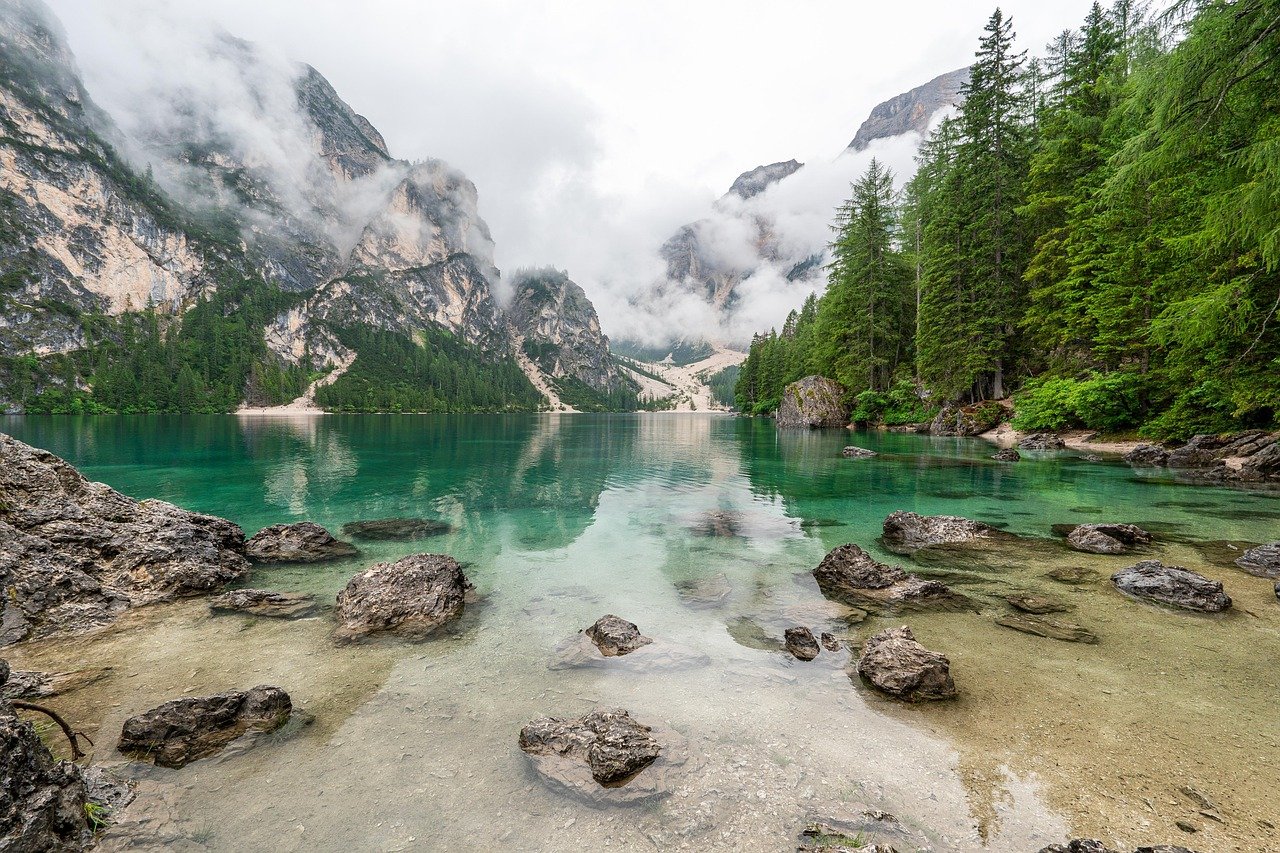
One of the most storied journeys in South America is the Cruce de Lagos — the Lakes Crossing — a multi-day boat and bus journey that links Bariloche to Puerto Montt in Chile by traversing a chain of glacial lakes and passes through Nahuel Huapi and the Andes. The journey takes one or two days depending on the itinerary, and passengers spend their time on small ferries crossing Nahuel Huapi, Fría, Mascardi, and several Chilean lakes, interspersed with short bus transfers through primeval temperate rainforest. The route was originally surveyed in the 1890s by Chilean adventurer Hans Steffen and commercial services have run it since 1935.
The crossing is not a thrill-seeker’s experience — it is a slow, atmospheric journey prized for the quality of its silence and the succession of viewpoints it provides. Passengers watch the vegetation shift from dry Argentine steppe to dripping Chilean rainforest as the landscape changes with every hour. Waterfalls cascade from volcanic peaks, and the ferry sometimes moves so slowly through reed-lined channels that you can hear fish jumping in the shallows. For travellers with time, this remains the most romantic way to cross between the two countries.
Practical Information
- Tickets: Nahuel Huapi National Park entry approx. ARS 4,000–6,000 per person; boat tours to Isla Victoria approx. ARS 15,000–25,000; Cerro Campanario chairlift approx. ARS 4,000
- Opening hours: The park is open year-round; boat tour operators typically run October to April (summer season)
- Best time to visit: November to March for hiking and water activities; July to September for ski season at Cerro Catedral
- Duration: Allow at least 2–3 days to explore the lake and surroundings; 5–7 days for a thorough visit
- Booking: Boat tours bookable at the Bariloche port or through Viator; Circuito Chico can be self-driven; Lakes Crossing requires advance booking with Cruce Andino operators
Local Insights
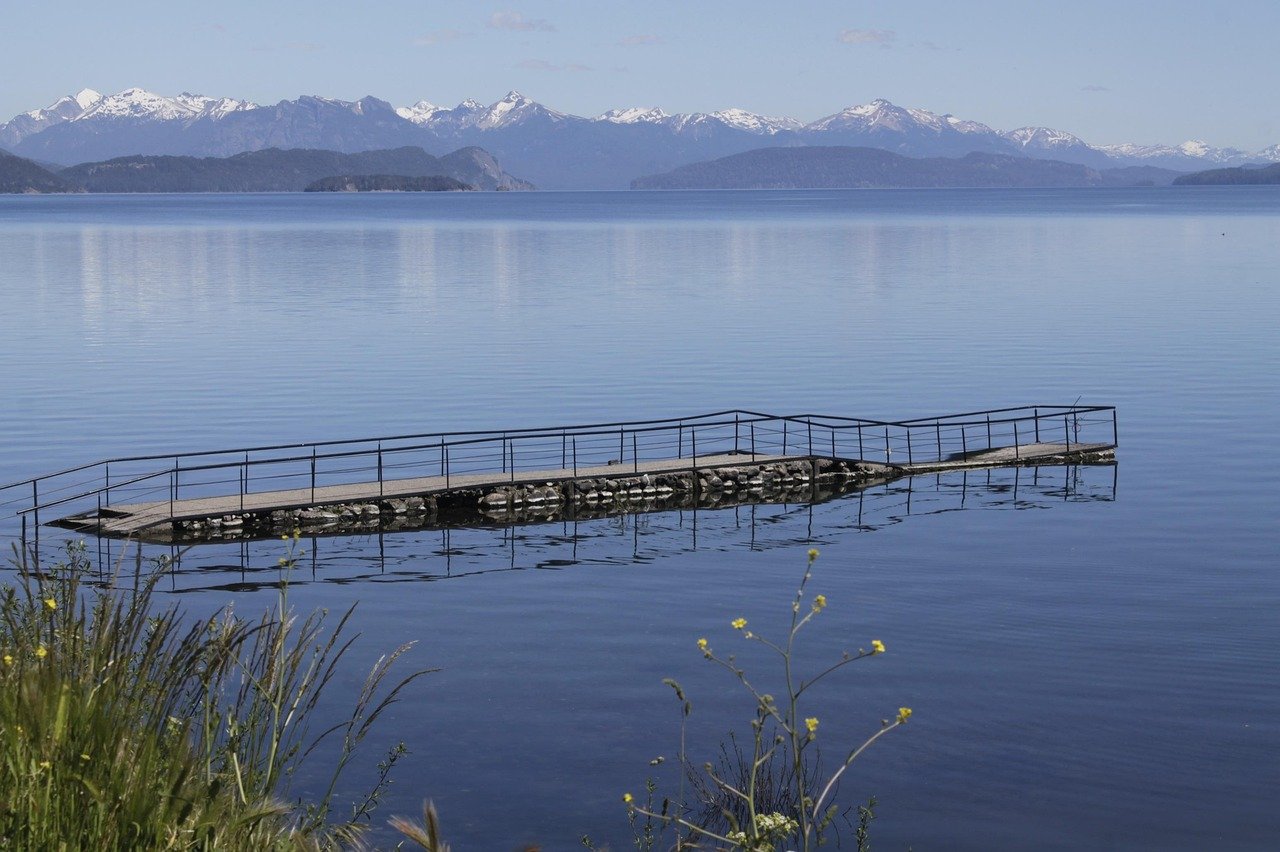
What locals know that guidebooks don’t always tell you:
- Cerro Campanario’s viewpoint is best in the first hour after sunrise — the low-angle light turns the lake gold and the crowds are minimal compared to midday.
- The free public beach at Playa Bonita, 7 kilometres west of Bariloche on the Circuito Chico road, is where locals swim in summer — the water temperature is brisk even in January but the scenery is spectacular.
- Bariloche’s famous chocolate shops on Calle Mitre offer free samples liberally — a morning stroll along the street is an informal tasting tour without spending a peso.
- The Nahuel Huapi has its own legendary lake monster, the Nahuelito — a Patagonian cousin of Nessie reputedly sighted since the 1920s. Local bars sell Nahuelito-themed merchandise and the story makes for good conversation.
- The park’s eastern edge near Villa La Angostura is far less visited than Bariloche and accesses the extraordinary arrayán forests of Los Arrayanes National Park directly — worth a day trip if you want the Isla Victoria experience without the tour boats.
Getting There
- By air: Bariloche International Airport (BRC) receives direct flights from Buenos Aires (2 hours), and connecting flights from other Argentine cities
- By bus: Long-distance buses connect Bariloche to Buenos Aires (20 hours), Mendoza, and other Argentine cities; regional buses serve the lakeside villages
- On foot / by cycle: The Circuito Chico is cycleable from Bariloche; rental shops on Calle Quaglia offer mountain bikes and e-bikes
- Taxi/Rideshare: Remis (private taxis) are the standard option from Bariloche to trailheads; book at agencies near the Civic Centre
Frequently asked questions
Do I need to pay to enter Nahuel Huapi National Park?
Yes, there is a national park entry fee charged to all visitors. In 2025 the fee for non-residents is approximately ARS 4,000–6,000 per person, payable at park entrances or sometimes included in tour prices. The fee is updated periodically so check current rates at the Bariloche park administration office or online.
Is it safe to swim in the lake?
Swimming is popular in summer (December–March) at designated beaches including Playa Bonita and Bahía Serena, but the water remains cold year-round — typically 14–18°C at peak summer. There are no dangerous currents at the designated beaches, but swimmers should stay close to shore and heed any lifeguard warnings.
What is the best boat tour on Nahuel Huapi?
The full-day tour to Isla Victoria and the Arrayán Forest Peninsula is considered the classic excursion. It departs from Puerto San Carlos in Bariloche and includes the Victoria Island arrayán forest and lunch at an estancia. Half-day tours to Puerto Blest and the Cascada de los Cántaros waterfall are an excellent shorter alternative.
Can I visit in winter?
Absolutely. Winter (June–September) brings ski season to Cerro Catedral, making Bariloche one of South America’s busiest ski destinations. The lake is equally beautiful under snow. Non-skiers enjoy snowshoeing, ice fishing, and warming up with craft beer in one of Bariloche’s many breweries.
What other attractions are near the lake?
Los Arrayanes National Park at Villa La Angostura, the Seven Lakes Road north towards San Martín de los Andes, and the El Bolsón artisan market 120 kilometres south are all popular day trips from Bariloche.