
Cafe Tortoni
Step through the brass-handled door at Avenida de Mayo 829 and time seems to slow. The hum of the city fades beneath a ceiling of dark timber and stained glass, replaced by the clink of porcelain and the low murmur of conversation that has filled this room since 1858. CafĂ© Tortoni is not simply a coffee house — it is the living memory of Buenos Aires itself, a place where poets argued over manifestos, tango was born in cigarette smoke, and Nobel Prize winners lingered over medialunas long after the breakfast rush. You do not come here just for the coffee. You come because this gilded room has witnessed more of Argentina’s soul than any museum could hold.
History of Café Tortoni

CafĂ© Tortoni was founded in 1858 by a French immigrant named Touan, who named the establishment after the fashionable CafĂ© de Tortoni on the Boulevard des Italiens in Paris. The original location was a modest affair facing Rivadavia Street, but as Buenos Aires expanded and Avenida de Mayo was carved through the city centre in 1894, the cafĂ© moved to its current address and blossomed into the grand salĂłn that visitors see today. The ornate interior — with its carved wooden columns, Venetian mirrors, vaulted ceilings, and marble tables — reflects the Belle Époque taste that Buenos Aires cultivated as it positioned itself as the Paris of the South in the late nineteenth century. Tortoni quickly became the gathering place for the city’s intellectual and artistic Ă©lite, a tradition it maintained for well over a century.
The walls have absorbed the conversations of an astonishing roster of cultural figures. Writer Jorge Luis Borges was a devoted regular, as were poet Alfonsina Storni, painter Benito Quinquela MartĂn, and the tango legend Carlos Gardel. Scientists and politicians dropped by too: Albert Einstein signed the guest book during his 1925 visit to Argentina, and Federico GarcĂa Lorca spent evenings here during his Buenos Aires sojourn. In 1926, a group of habituĂ©s founded the Peña del Tortoni, a cultural circle that met in the basement billiards room for literary readings, poetry recitals, and early tango performances — effectively turning the cafĂ© into a cradle of Argentine cultural identity. That basement venue still hosts tango shows today, preserving a direct, unbroken line to the golden age.
What to See at Café Tortoni
The Grand Salon
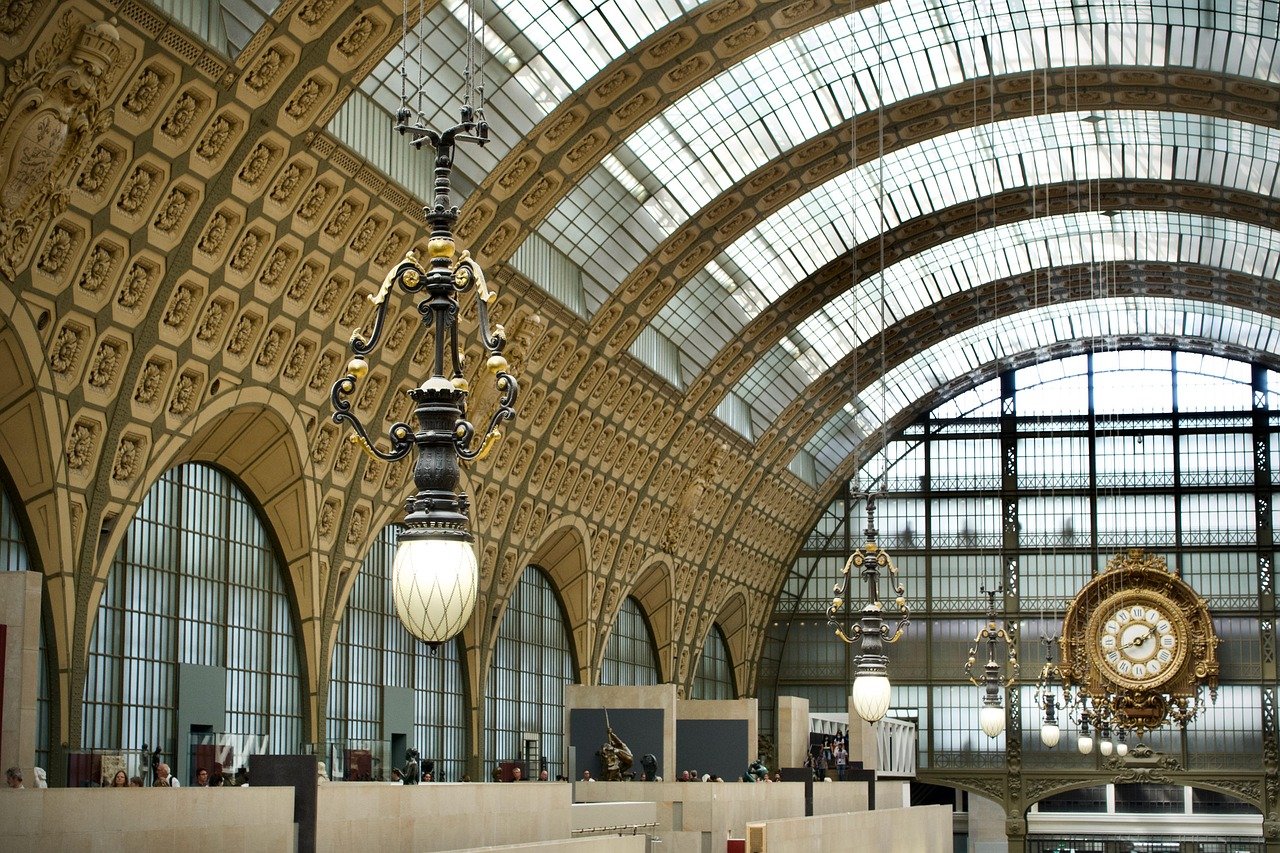
The main hall is a masterwork of late nineteenth-century interior design. Floor-to-ceiling mirrors multiply the warm glow of bronze light fixtures, while mahogany panelling and mosaic floor tiles anchor the room in a sense of permanence that most modern establishments cannot replicate. Look up at the stained glass skylight — on a bright Buenos Aires afternoon, it casts jewelled colour across the marble tabletops below. Many tables bear small brass plaques engraved with the names of famous guests who once occupied them, turning every seat into a quiet conversation with literary and artistic history. The long bar along one wall was the epicentre of café society for decades, and it remains a magnificent piece of craftsmanship worth admiring even if you do not order from it. Staff in white jackets move with unhurried precision, maintaining the rhythm of a place that has learned long ago that elegance requires patience.
The Tango Show in the Peña del Tortoni
Descend the staircase at the back of the café and you enter the Peña del Tortoni, a low-ceilinged cellar lined with photographs of past performers, vintage posters, and memorabilia from a century of artistic life. This is where the cultural circle founded in 1926 held its gatherings, and where the tango show now takes place each evening. The performances are intimate — perhaps sixty guests seated at small tables — and the quality of musicianship and dance is consistently high. A bandoneon player anchors the ensemble while couples in formal evening wear execute the slow-burning drama of milonga and tango vals just metres from your table. The setting strips away every layer of tourist artifice: this is tango in the room where it first took shape, and the difference is palpable. Shows typically run around 75 minutes and require advance ticket purchase.
The Menu and the Medialuna
The kitchen serves a full menu of Argentine café fare, from the classic tostado (toasted ham and cheese) to heartier milanesa sandwiches, empanadas, and daily specials. But the undisputed centrepiece of the experience is the medialunas — crescent-shaped croissants glazed with a light sugar syrup that distinguishes the Buenos Aires style from its European cousin. Paired with a cortado or a submarino (a bar of dark chocolate dissolved in hot milk), they constitute one of the most satisfying café rituals in South America. Prices are in Argentine pesos and subject to fluctuation with local inflation, but the café remains very reasonably priced by international standards — roughly the equivalent of a few US dollars for a full coffee-and-pastry order.
Local Insights
Locals who love Tortoni have developed strategies for navigating the crowds. Here is what regulars know that the tour-bus crowd does not.
- Arrive before 9 am. The café opens at 8 am and the first hour is almost always calm. Morning light through the stained glass is particularly beautiful, the medialunas are at their freshest, and you can hear yourself think — a very different experience from the afternoon rush when queues can stretch out to the pavement.
- Book tango show tickets in person that morning. The evening shows in the Peña del Tortoni sell out regularly, especially on weekends and during peak summer travel from December to February. Walk in when you arrive for coffee, buy the evening tickets at the internal box office, then enjoy the rest of your day without worry.
- Sit at the bar if tables are full. The long wooden bar is a perfectly legitimate place to linger with a coffee and a book. Porteños use bar seats routinely and bartenders are often more forthcoming with stories than floor waitstaff handling larger crowds.
- Walk Avenida de Mayo before or after. The boulevard running from Plaza de Mayo to Congress is lined with Belle Époque buildings and other historic cafés. A short stroll in either direction provides architectural context for the neighbourhood and several excellent photo opportunities.
- Avoid midweek lunch hours and Saturday afternoons. These are the peak tourist windows when the café fills quickly and service slows. Weekday mornings and early evenings — before the tango show crowd arrives around 6 pm — offer the most relaxed visit.
Planning Your Visit
- Tickets: Free entry to the café; no admission charge to sit and order. Tango show tickets in the Peña del Tortoni are purchased separately at the box office or via authorised booking platforms. Menu prices in Argentine pesos; coffee and medialunas cost approximately USD 2–4 at current exchange rates.
- Opening hours: Daily 8:00 am – 9:00 pm (verify seasonal adjustments on the official Instagram @grancafetortoni).
- Best time: Weekday mornings 8:00–10:00 am for the fewest tourists. Late autumn (April–June) and early spring (September–October) offer mild weather and smaller crowds than the summer peak.
- Duration: Allow 45–90 minutes for a relaxed coffee visit; plan 2.5–3 hours if attending the evening tango show in the Peña del Tortoni.
- Booking: No booking required for café entry. Tango show tickets should be purchased in advance at the box office or via the official website. Walk-ins for the show are occasionally possible but unreliable on weekends.
Getting There
- Subte (Subway): Line A runs beneath Avenida de Mayo. The closest station is Piedras (Line A), a two-minute walk from the café at Av. de Mayo 829.
- By car: Street parking on Avenida de Mayo is very limited; use a paid car park on nearby Chacabuco or BolĂvar streets.
- On foot: A 10-minute walk west from Plaza de Mayo along Avenida de Mayo brings you directly to the café. Also a 15-minute walk south from the Obelisco.
- Taxi/ride-share: Uber, Cabify, and local apps (inDriver, DiDi) all operate in Buenos Aires. Ask to be dropped at Café Tortoni, Avenida de Mayo 829.
Café Tortoni and the Birth of Argentine Tango
No account of Café Tortoni is complete without addressing its role in the development of tango, the music and dance form that became Argentina’s most recognisable cultural export. In the late nineteenth and early twentieth centuries, when tango was still a disreputable genre associated with the immigrant tenements of Buenos Aires’s southern neighbourhoods, Tortoni provided a respectable venue where it could evolve into something more sophisticated. Musicians and dancers who gathered in the basement Peña del Tortoni included key figures in the tango’s transition from street dance to art form. Carlos Gardel — the singer who essentially defined what tango could be — is said to have performed and socialised here, as did the bandoneon players and composers who built the genre’s musical vocabulary. By the 1920s, Tortoni had become a bridge between the intellectual world of the café and the emotional world of the tango, two elements of Buenos Aires culture that might otherwise have remained separate. That synthesis still defines the place. When you sit in the gilded salon and hear the sound of a bandoneon drifting up from the basement below, you are hearing a connection maintained across more than a century of Argentine cultural life — not a performance put on for tourists, but a tradition that this room helped to create.
The café also served as an unlikely centre of literary and visual art production. The famous Argentine art movement known as the Florida Group, which debated modernism and European avant-garde ideas in the 1920s, numbered Tortoni among its preferred meeting places. Muralist Benito Quinquela Martín, whose vivid depictions of the working-class La Boca neighbourhood made him one of Argentina’s most beloved painters, had a studio nearby and was a habitué. The walls of the café itself bear artworks collected over a century — not always masterpieces, but pieces with provenance, with stories, with the particular authenticity of objects that arrived here through personal connection rather than institutional acquisition.
Frequently asked questions
Is Café Tortoni free to enter?
Yes — walking into Café Tortoni and sitting down costs nothing beyond what you order from the menu. There is no cover charge, no minimum spend, and no enforced time limit on guests who are ordering. The only separately ticketed component is the evening tango show in the Peña del Tortoni basement, which has its own admission price. Day visitors simply treat the café as they would any working café: sit, order, enjoy the surroundings, and leave when ready. The combination of free entry and very low peso-denominated prices makes this one of the most accessible iconic experiences in Buenos Aires.
Do I need to book ahead for the tango show?
Advance booking is strongly recommended, particularly on Fridays, Saturdays, and during the summer high season from December through February. The Peña del Tortoni holds a limited number of guests and shows sell out regularly. The most reliable approach is to arrive at the café in the morning, visit the box office near the main entrance, and purchase your evening tickets in person. Online booking through the official website or authorised third-party platforms is also an option for those who prefer to arrange tickets before arriving in Buenos Aires.
What is the best thing to order at Café Tortoni?
The signature combination is a submarino — a thick bar of dark chocolate served with a glass of steamed milk that you stir together into a rich drinking chocolate — paired with two or three medialunas de manteca, the buttery, glazed crescent pastries that define the Buenos Aires breakfast ritual. For something savoury, the tostado (grilled ham and cheese on pressed white bread, served warm) is simple, inexpensive, and exactly the kind of cafĂ© food this room was built for. Avoid ordering complex cocktails or elaborate dishes; Tortoni’s enduring charm lies in its simplicity and restraint.
Is Café Tortoni genuinely worth visiting despite the tourist crowds?
Both the acclaim and the crowds are justified. On a busy afternoon the service can feel rushed and the atmosphere less intimate than photographs suggest. However, the building is genuinely magnificent and historically significant — no amount of tourism changes the fact that Borges sat at these tables, that tango grew up in the basement, and that the interior has been preserved with remarkable fidelity to its original Belle Époque form. Visit in the early morning on a weekday and the experience is as authentic and atmospheric as Buenos Aires offers, making the small effort of timing your visit well worth the reward.