
Puente de la Mujer
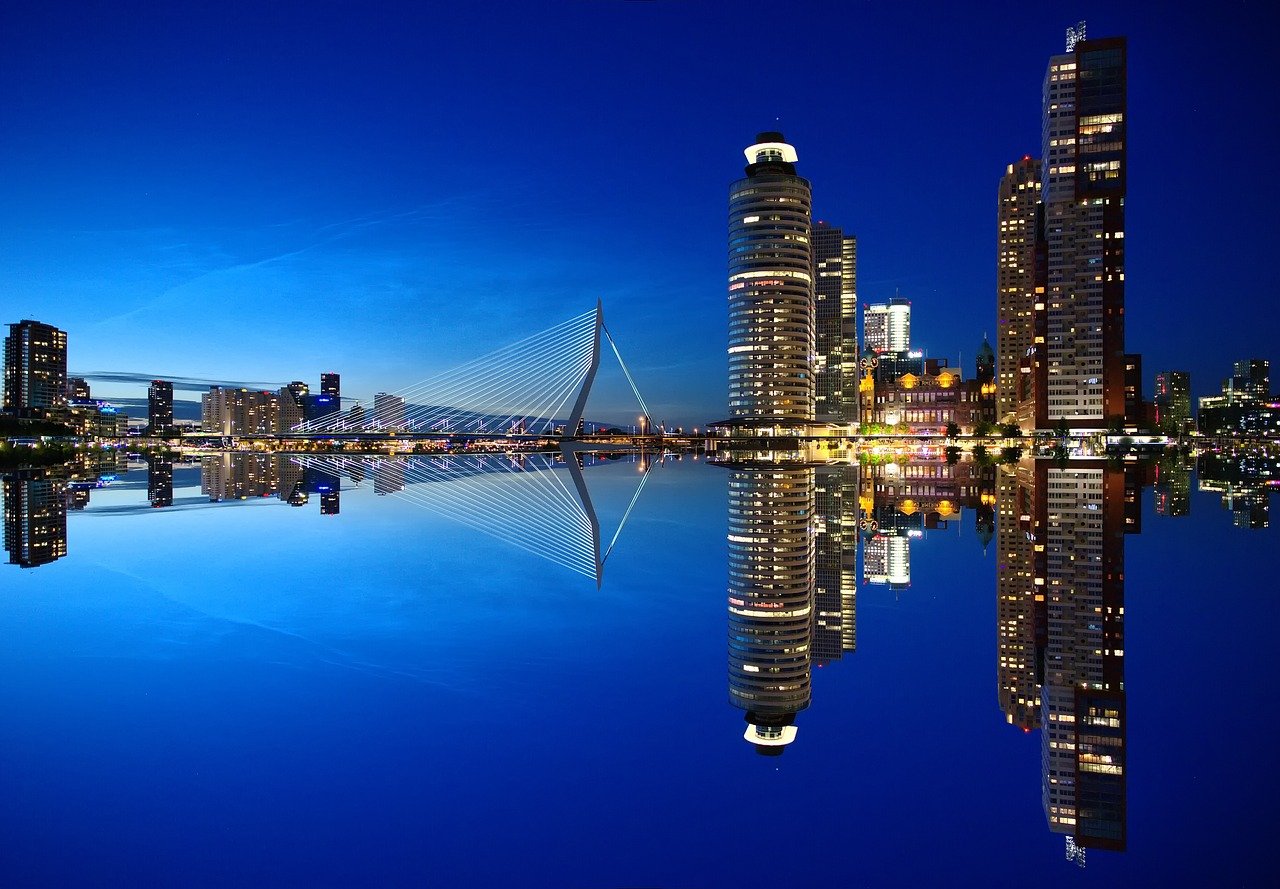
Rising dramatically from the waters of the Rio de la Plata dock in Buenos Aires, the Puente de la Mujer is one of South America’s most celebrated examples of contemporary architecture. This striking rotating footbridge in the upscale Puerto Madero district was designed by Spanish architect Santiago Calatrava and inaugurated in 2001. Its sweeping white form — evoking a couple dancing the tango — has become an icon of modern Buenos Aires and a symbol of the city’s architectural ambition.
Calatrava’s Design
Santiago Calatrava conceived the Puente de la Mujer as a tribute to the women of Argentina, hence its name — Bridge of the Woman. The structure is a cable-stayed rotating bridge whose 102-metre central section can swing 90 degrees to allow large vessels to pass through the dock. A single inclined pylon rises 40 metres above the water, its cables radiating to support the slender deck below. The white paintwork, angular profile, and reflection in the calm dock waters create a composition of exceptional elegance that has made the bridge one of the most photographed sights in Argentina.
Puerto Madero
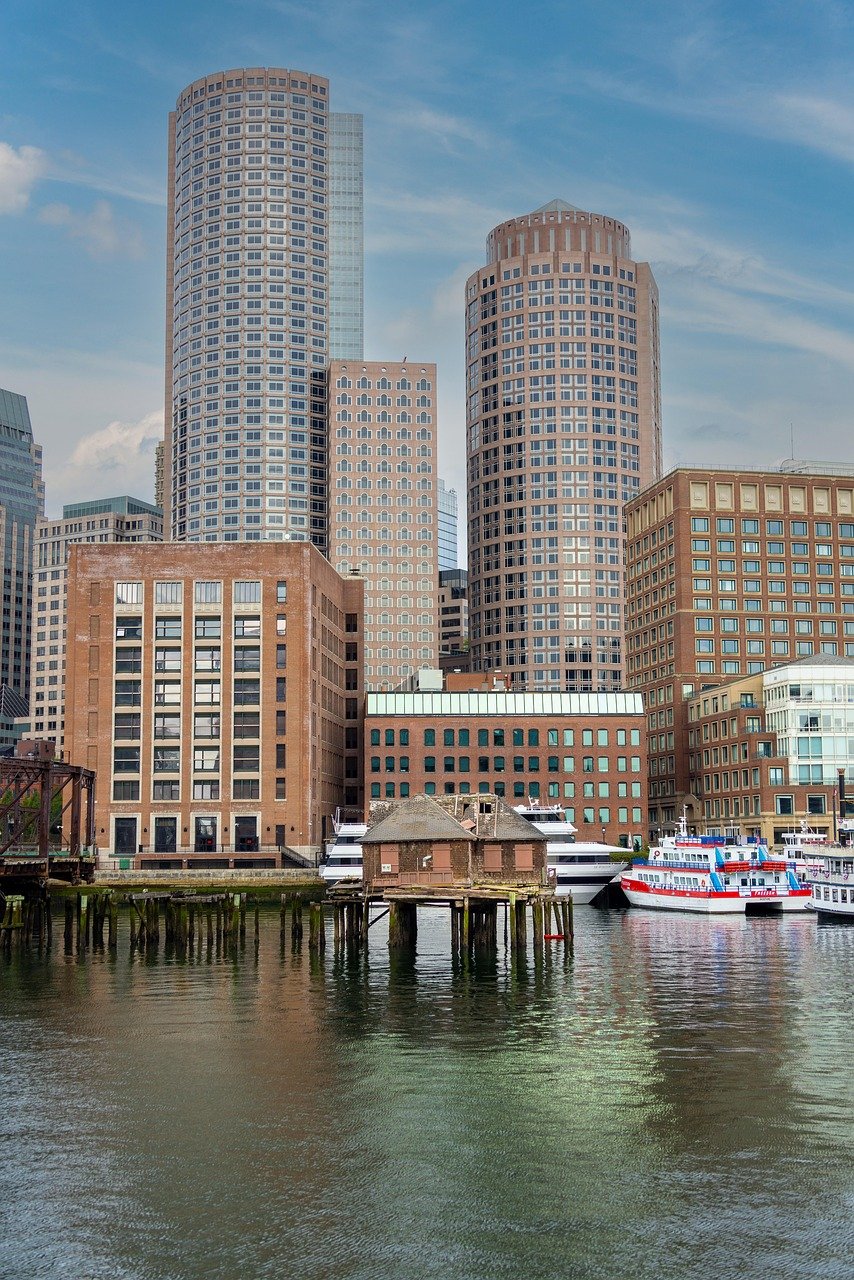
The Puente de la Mujer anchors the northern end of Puerto Madero, Buenos Aires’s newest barrio and most transformed urban neighbourhood. Once the city’s historic port, Puerto Madero was abandoned in the early 20th century and left to decay until a major urban renewal project in the 1990s converted its red-brick warehouses into restaurants, hotels, offices, and apartments. Today it is one of Buenos Aires’s most fashionable districts, with the Ecological Reserve on one side and the gleaming Rio dock on the other.
Exploring the Area
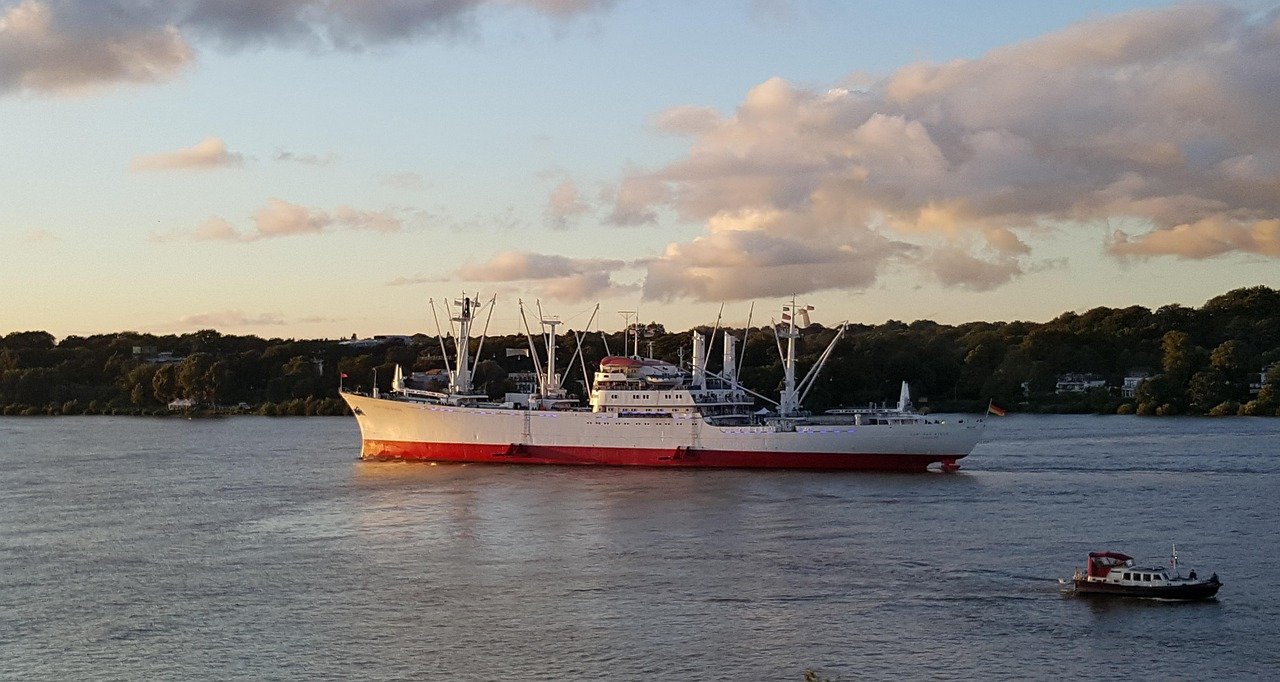
A walk along the Puerto Madero dockside reveals the full transformation of this waterfront precinct. The renovated brick Diques (docks) are lined with excellent restaurants serving Argentine beef and Patagonian seafood. The Coleccion de Arte Amalia Lacroze de Fortabat, a private art museum, sits nearby with works by Toulouse-Lautrec, Turner, and leading Argentine artists. The vast Reserva Ecologica Costanera Sur — a rewilded nature reserve home to over 200 bird species — stretches along the riverside and offers a remarkable natural escape minutes from the city centre.
Practical Information
- The bridge is open to pedestrians and free to cross 24 hours a day
- Best photographed at sunrise or golden hour when light plays on the water
- Combine with dinner at the Puerto Madero restaurants on the dockside
- The Ecological Reserve entry is free and popular on weekends
Getting There
Puerto Madero is a short walk or taxi ride from the historic city centre. The nearest Subte (metro) stations are L.N. Alem on line B and Catedral on line D, each about 15 minutes on foot from the bridge. Many Buenos Aires city buses serve Puerto Madero, and the area is easily reached by remis or taxi from any part of the city.