
Estadio Mâs Monumental
There is a moment, standing at the edge of the upper tier of Estadio Más Monumental, when Buenos Aires seems to stretch endlessly beneath you. The city hums with the particular electricity that only a great football stadium can generate — a cathedral of sport that seats over 84,000 passionate fans, their voices rising in thunderous unison when River Plate takes the field. This is El Monumental, the largest stadium in Argentina and one of the most storied football venues in all of South America. Whether you come on match day or for a behind-the-scenes guided tour, stepping inside this colossus of concrete and colour is a genuinely unforgettable encounter with Argentina’s soul.
History of Estadio Más Monumental
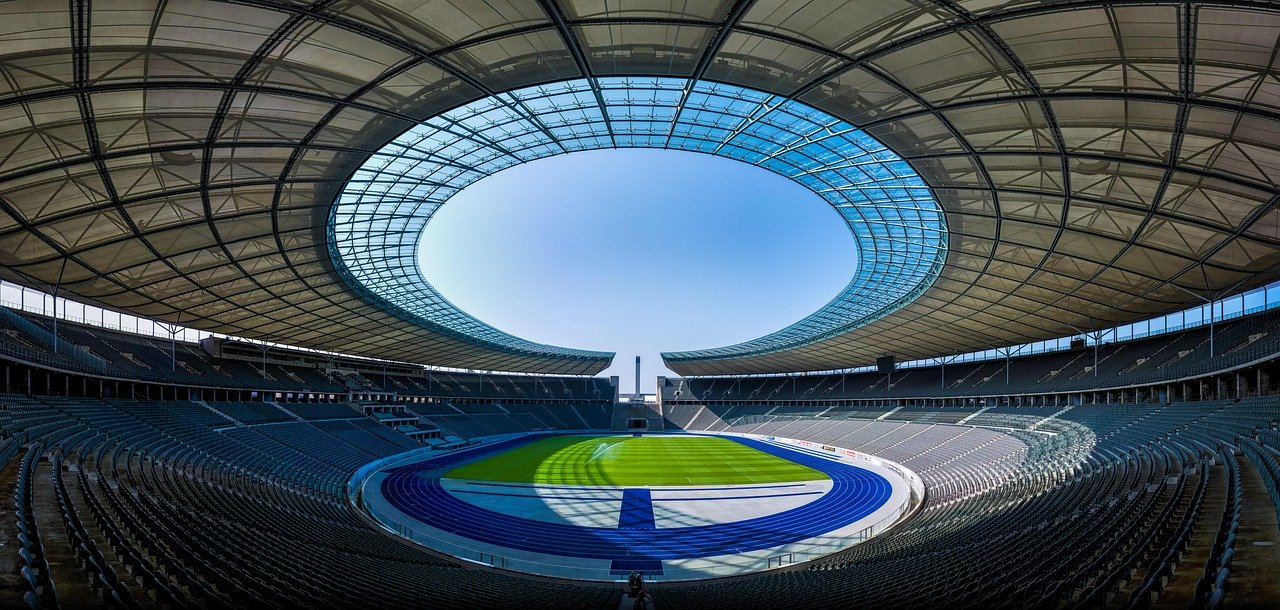
Club Atlético River Plate was founded in 1901, but it was the construction of its permanent home in the leafy Belgrano neighbourhood that cemented the club’s place in footballing legend. The original stadium opened in 1938 under the name Estadio Antonio Vespucio Liberti, honouring the club president who championed its creation. The venue hosted the 1978 FIFA World Cup final between Argentina and the Netherlands — a match that sent a nation into joyous delirium — and that moment of collective triumph is woven into every brick of these walls. Over the following decades, successive expansions pushed capacity ever higher, culminating in the sweeping upper tiers that define its current silhouette. In 2021, a landmark renovation saw the stadium officially rebranded as Estadio Más Monumental, a name that reflects an ambitious upgrade programme adding new stands, state-of-the-art screens, and improved facilities throughout.
The rebranding and renovation project added roughly 11,000 new seats, pushing total capacity to approximately 84,567 — making it not only Argentina’s largest ground but one of the ten largest stadiums in the world by seated capacity. The pitch itself was relaid with premium grass, the changing rooms were completely rebuilt, and a new tunnel configuration now brings players closer to the roar of the crowd than ever before. Throughout this transformation, the spirit of River’s passionate hinchada (supporter base) remained unchanged: the curva that houses the most vocal ultras still throbs with the same intensity it has for generations. Walking through the outer concourse, enormous murals celebrate the club’s Copa Libertadores victories, league titles, and the legendary players — from Marcelo Gallardo to Enzo Francescoli — who have graced this turf.
What to See at Estadio Más Monumental
The Upper Stands and Pitch Views
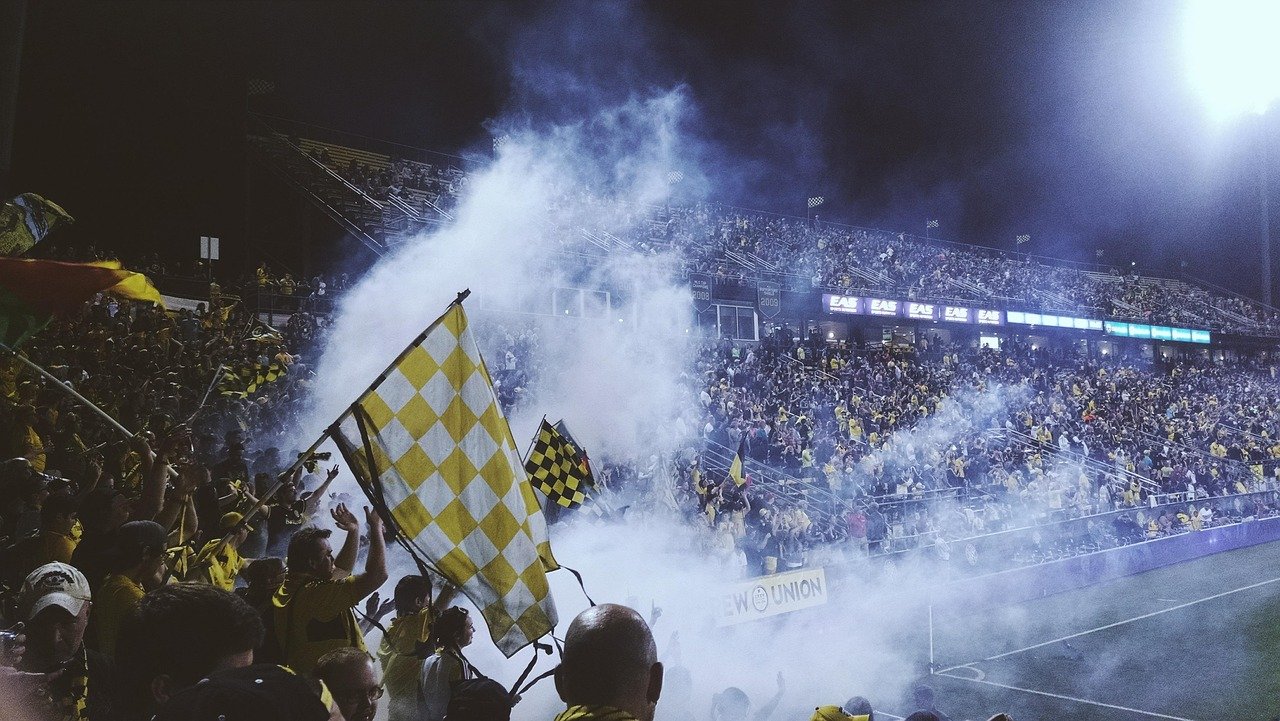
The first thing visitors notice from the upper tier is the sheer scale of the bowl. Rows upon rows of red and white seats cascade down toward a lush rectangle of green, the distance from the top row to the touchline creating a sense of grand theatre that no television broadcast can replicate. On match days, this perspective transforms entirely as the stadium fills and the collective noise becomes almost physical — a wall of sound that presses against your chest. On stadium tour days, the silence is equally powerful, letting you appreciate the engineering ambition behind the sweeping roof that covers all four stands and focuses the acoustic energy back onto the pitch. Guide commentary on the complete tour explains how the roof’s design was calibrated to maximise crowd noise during River’s Copa Libertadores campaigns. Bring a camera and plan time to photograph the pitch from multiple vantage points: the angles from the corner sections are particularly dramatic and give a sense of the dimensions that professional players must negotiate every fortnight.
The Players’ Tunnel and Dressing Rooms

The complete stadium tour takes visitors through the players’ tunnel — the narrow corridor that separates the changing rooms from the pitch — and into the renovated home and away dressing rooms themselves. Standing at the mouth of the tunnel, staring up at a strip of sky and the distant tier of seats, you can imagine what it feels like to lead a team out before 84,000 expectant fans. The home dressing room has been rebuilt to modern professional standards: individual numbered lockers, a central tactical briefing area, and the same red and white colour scheme that runs throughout the club. The away dressing room is deliberately more functional, a reminder of football’s psychological theatre. The tour also visits the medical room, the press conference room where post-match interviews take place, and the private VIP areas used by directors and visiting dignitaries. Throughout, multilingual audio guides provide historical context and match-day anecdotes.
Museo River Inside the Stadium
Beneath the main stand sits the Museo River, a sprawling 3,500 square metre exhibition space that functions as a time tunnel through 120 years of the club’s history. Interactive displays trace River’s origins as a working-class dockside club through its evolution into one of South America’s most decorated sides. The centrepiece is a 360-degree audiovisual experience — a domed cinema that envelops visitors in footage of the club’s greatest moments, including the unforgettable 2018 Copa Libertadores final against arch-rivals Boca Juniors played in Madrid. Trophy cabinets display 37 Argentine league titles and four Copa Libertadores cups, while dedicated galleries celebrate the club’s most celebrated eras: the Maquina of the 1940s, the Gallardo dynasty of the 2010s. The museum alone justifies a visit even for visitors with only a passing interest in football, because what it ultimately displays is Argentine passion itself.
Local Insights
Making the most of a visit to El Monumental requires a little planning — these tips from regular visitors and local guides will help you get it right.
- Book the complete tour, not express. The express tour covers only one grandstand in 15 minutes. The complete 45-minute tour adds the tunnel, dressing rooms, and playing field — the sections that make the experience genuinely memorable. Book online at River’s official site at least a day in advance, as English-language guided slots fill quickly on weekends.
- Arrive early on tour days. The first tours of the morning (around 10:00–10:30 a.m.) have smaller groups, giving you more time in the dressing rooms and on the pitch without jostling. By midday on weekends the groups swell considerably and the shared spaces feel rushed.
- Check the match schedule before you go. On home match days, tours are cancelled or significantly curtailed. However, attending an actual River Plate match is an experience unlike any other in South American football — the choreography of the ultra section alone is worth the price of admission. Buy official tickets through the club website only.
- Combine with the Museo River. The museum entry is included with tour tickets. Allow a separate hour for the museum alone — the 360-degree cinema runs on a loop, and the interactive galleries reward leisurely exploration. If you only buy a museum-only ticket, you still get full museum access without the dressing room circuit.
- Wear comfortable shoes and a layer. The stadium concourses involve significant walking over concrete ramps, and the internal spaces — particularly the tunnel area — can be noticeably cooler than the Buenos Aires heat outside. A light jacket and trainers are the right kit regardless of season.
Planning Your Visit
- Tickets: Museum only: ARS 17,000 / approx. USD 17. Museum + Express Tour (15 min): ARS 22,000 / approx. USD 22. Museum + Complete Tour (45 min): ARS 31,000 / approx. USD 31. Argentine residents receive a 50% discount. Children under 5 free.
- Opening hours: Daily 10:00 a.m. to 7:00 p.m. (opens 9:00 a.m. in winter months June–August). Last complete tour departs 5:30 p.m. Closed or reduced service on home match days — check the River Plate official schedule before visiting.
- Best time: Weekday mornings (Tuesday through Thursday, 10:00–12:00) offer the smallest crowds and most relaxed pace. Avoid Sundays when River has home fixtures. May through September has pleasant BA weather with less humidity.
- Duration: Allow 2–3 hours for the complete tour plus a thorough visit to Museo River. Museum only: 60–90 minutes. Match day attendance: 3–4 hours including arrival queues.
- Booking: Advance booking strongly recommended for weekend tours and English-language slots. Book at museoyestadioriver.com or through the River Plate official website. Walk-up tickets available on weekdays subject to availability.
Getting There
- Subway (Subte): Line D to Congreso de Tucumán station, then a 15-minute walk north along Av. Figueroa Alcorta, or a short taxi ride. The Subte is reliable and air-conditioned — recommended during Buenos Aires summer heat.
- By car: The stadium is at Av. Presidente Figueroa Alcorta 7597, Belgrano. Limited street parking surrounds the complex; paid parking lots operate a few blocks away on Av. del Libertador. Allow extra time during match days when road closures are common in a wide radius.
- On foot: From the Belgrano neighbourhood commercial streets (about 25 minutes on foot), or from the Palermo parks (35–40 minutes along Av. del Libertador, a pleasant riverside walk).
- Taxi/ride-share: Uber and Cabify both operate in Buenos Aires and are the easiest option from the city centre or Palermo. Drop-off is at the main entrance on Av. Figueroa Alcorta. On match days, request the ride at least 30 minutes before you need it as demand surges.
Frequently asked questions
Is the Estadio Más Monumental tour available in English?
Yes, English-language guided tours are available daily, though they run less frequently than Spanish tours. The typical schedule offers one to two English slots per morning and afternoon on weekdays, with additional slots on weekends due to higher tourist demand. The complete tour includes an English audio guide device if a bilingual guide is not available for your specific slot. Book in advance through the official website to secure an English session, particularly if you are visiting as part of a group.
Can I visit Estadio Más Monumental on a match day?
Stadium tours and museum visits are generally suspended several hours before home matches and resume the following day. However, attending an actual River Plate match is a wholly different — and extraordinary — experience. Tickets for matches in the Argentine Primera División start from approximately ARS 15,000 for standing sections, rising to ARS 40,000–60,000 for covered seating. Foreign visitors are advised to purchase through authorised resellers or tour operators rather than attempting to buy at the gate, as the process for non-Argentine ID holders can be complex. Several reputable tour companies in BA offer match packages including transport.
How long is the complete stadium tour?
The complete guided tour runs approximately 45 minutes and departs every 40 minutes throughout the operating day. It covers the main grandstand, the players’ tunnel, the home and away dressing rooms, the press conference room, and — weather and pitch conditions permitting — the playing surface itself. The Museo River is not included in the tour time but is accessible with the same combined ticket immediately before or after. Most visitors spend an additional 60–90 minutes in the museum, so plan a minimum of two hours for the full experience. Groups of 10 or more visitors should pre-arrange their tour time directly with the stadium operations team, as large groups may be allocated dedicated tour slots outside the standard public schedule to ensure the best experience for all visitors.
What is the 360-degree cinema in Museo River?
The 360-degree audiovisual experience is the centrepiece attraction of Museo River and runs on a continuous loop throughout the day. Visitors stand in a domed room surrounded by floor-to-ceiling screens that play an immersive highlights reel spanning the club’s 120-year history — key Copa Libertadores victories, legendary goals, and the roar of full-house atmospheres at El Monumental. The presentation runs for approximately eight minutes and is narrated in Spanish, though English subtitles are displayed simultaneously. It is genuinely moving even for visitors unfamiliar with the club’s specific history.
Is there food available at the stadium complex?
Yes — the Estadio Más Monumental complex includes a themed restaurant and several cafeteria-style concession areas that operate during tour hours, not only on match days. The main restaurant, which is decorated with club memorabilia and overlooks the pitch through large windows, serves Argentine classics including empanadas, milanesas, and locro stew, alongside international options. Prices are moderate by Buenos Aires standards. The concession stands offer coffee, medialunas (Argentine croissants), and cold drinks. On match days, additional food vendors set up around the outer concourse, offering the full range of Argentine street food — choripán (chorizo sandwich) is the quintessential stadium snack and should not be missed by first-time visitors to Argentine football.