
River Plate Museum (Museo River Plate)
Step through the entrance of Museo River and Argentina’s most storied football club opens up before you not as a collection of display cases but as a living, breathing narrative. The museum occupies nearly 3,500 square metres beneath the north stand of Estadio Más Monumental, the giant stadium that River Plate has called home since 1938. Here, more than a century of trophies, jerseys, photographs, and emotion have been curated into an experience that works equally well for devoted hinchas and first-time visitors who barely know the offside rule. Buenos Aires without Museo River would be like Rome without the Colosseum — technically possible, but deeply incomplete.
History of River Plate Museum
Club Atlético River Plate was born on the docks of the La Boca neighbourhood in 1901, the creation of Italian and English immigrant workers who fashioned a football club out of the rough material of a working port district. Within two decades the club had moved upriver to the more prosperous Belgrano barrio, a geographical shift that mirrored an ambition that would define its entire trajectory. The club’s red diagonal sash on white — today one of the most recognisable strips in world football — became a symbol of that ambition. River’s stadium was built in 1938 and the informal museum began with donations of memorabilia from the earliest days: programmes, photographs, a handful of precious jerseys from the amateur era. What was once a modest display room has been transformed, over several successive renovation projects, into the world-class institution it is today.
The modern Museo River opened in its current expanded form in 2013, coinciding with the club’s rehabilitation following a brief and traumatic relegation in 2011 — the only time River had ever dropped out of Argentina’s top division. That period of crisis paradoxically galvanised the institution: the museum was redesigned to tell River’s story not just as a victory parade but as a complete human narrative, with defeat and recovery as central themes alongside the glorious silverware. Since River’s return to the first division, the trophy cabinet has continued to fill at an impressive rate. The 2018 Copa Libertadores victory — the Superclásico final against Boca Juniors, played at neutral Madrid’s Santiago Bernabéu to prevent crowd violence — added perhaps the most emotional chapter yet, and the museum’s dedicated gallery for that match remains one of the most visited sections.
What to See at River Plate Museum
The 360-Degree Audiovisual Experience
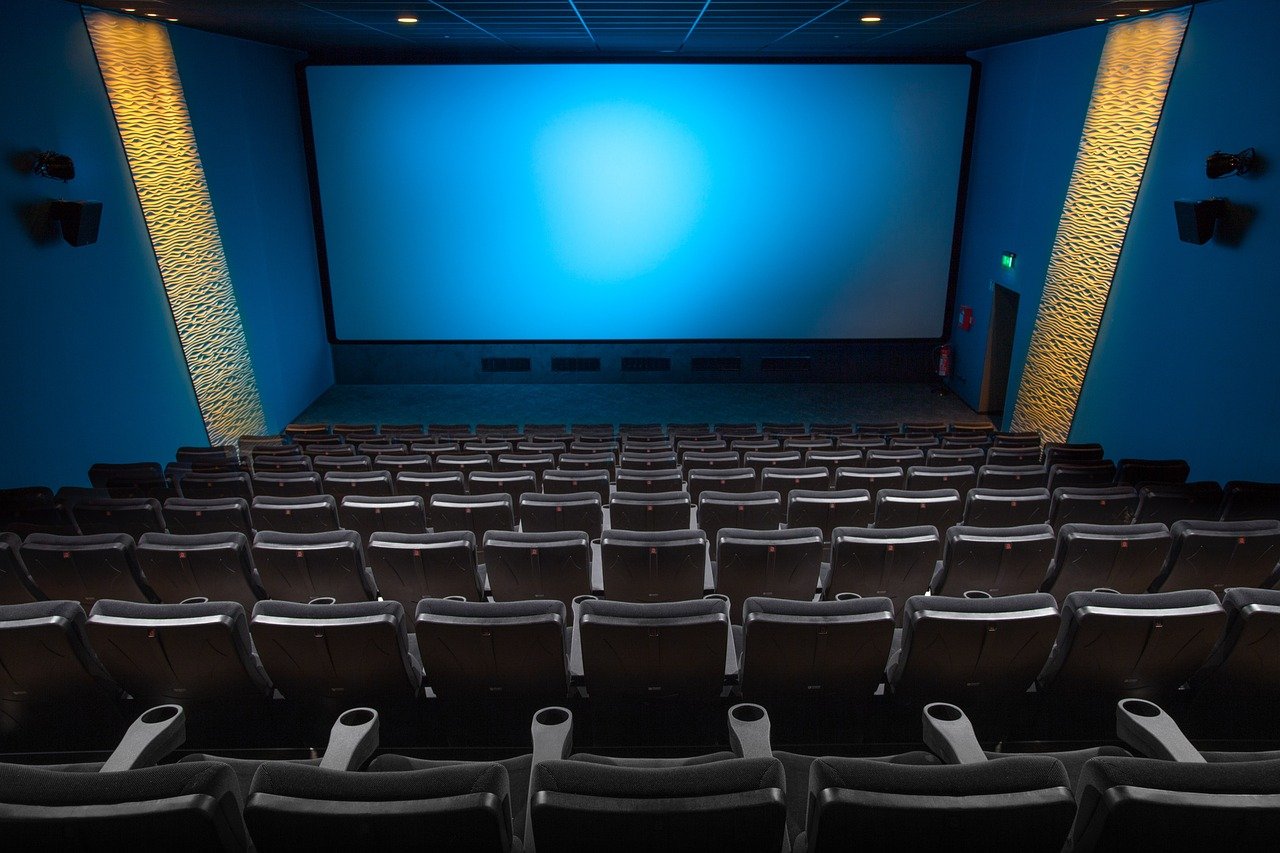
The centrepiece of Museo River is a domed 360-degree cinema that sits at the heart of the permanent collection. Visitors gather in the centre of a circular room while floor-to-ceiling curved screens ignite around them with footage spanning over a century of football: the roar of full-house atmospheres at El Monumental, legendary goals in slow motion, the faces of fans from the 1940s through to the 2020s. The presentation runs for approximately eight minutes and is narrated in Spanish with English subtitles displayed simultaneously. It is deliberately designed to be emotional rather than encyclopaedic — a sensory immersion rather than a lecture — and succeeds entirely. Many visitors who profess no special interest in football emerge visibly moved. The cinema runs continuously throughout the day; join the loop whenever you arrive in that section of the museum, and linger for the full sequence before moving on to the adjacent galleries.
The Trophy Room and Jersey Collection

River Plate’s trophy haul is staggering: 37 Argentine Primera División titles, four Copa Libertadores, three Intercontinental Cups, and a shelf of domestic cups that would dwarf the collection of most European clubs. The main trophy room displays the physical hardware in gleaming cases — imposing silver and gold cups alongside the pennants, medals, and match balls from historic fixtures. Equally compelling is the jersey gallery, which traces the evolution of River’s famous red-sashed white strip from the rough cotton of the early amateur era through the synthetic fabrics of the modern game, with individual display panels devoted to the players who wore each key iteration. Look out for the shirt worn during the Maquina era of the 1940s, when River’s fluid attacking play was considered the most beautiful football ever played in Argentina. Interactive touchscreens alongside the display cases let visitors pull up video footage of the matches associated with each trophy or jersey, adding a dynamic layer to what could otherwise be a static collection.
The Time Tunnel and Historical Galleries
The museum’s structural concept is a time tunnel — a chronological journey from 1901 through to the present day, with each era occupying a dedicated gallery section. Archival photographs, newspaper front pages, and original documents line the walls: River’s first match, the move to Belgrano, the construction of El Monumental, the World Cup of 1978 hosted on this very pitch. Particular attention is given to the Maquina of the 1940s — the free-flowing forward line widely considered the finest in Argentine football history — and the Gallardo era of the 2010s, during which River won four Copa Libertadores in five years. Personal artifacts from legendary players add intimacy to the institutional narrative: boots, shin pads, handwritten notes, photographs of players with their families. The tunnel culminates in a room dedicated to the hinchada, the fan culture that generates the sonic landscape of match days, with recordings of chants and footage of the famous choreographies that the popular sections prepare for big fixtures.
Local Insights
Regulars to Museo River and local football guides offer these tips for getting the most from your visit.
- Buy the combined museum plus complete stadium tour ticket. The museum-only ticket is cheaper, but the combined ticket unlocks the players’ tunnel, dressing rooms, and pitch — areas that contextualise everything you see in the museum. The physical experience of standing in the tunnel after viewing footage of players emerging there is remarkably affecting. The combined complete tour costs approximately ARS 31,000 (USD 31).
- Go on a weekday morning for a quieter experience. Weekends draw large groups, including school parties and tour buses, which can crowd the interactive stations and make the 360-degree cinema feel less intimate. Tuesday through Thursday before noon is typically calm; you can linger at the touchscreens and take photographs without the jostling of weekend crowds.
- Download the official River Plate app before visiting. The app offers augmented reality features that activate in certain gallery sections, overlaying match footage and player statistics onto the physical displays when you point your phone at designated panels. It is free and works in both Spanish and English — a worthwhile addition to the audio guide experience.
- Visit the museum shop strategically. The official club shop at El Monumental offers a wider range of merchandise than generic tourist shops in the city centre, at better prices and with guaranteed authenticity. Personalised replica jerseys can be printed on-site in around 20 minutes. Arrive with time to browse before the last train back to the centre.
- Note the restriction on match days. The museum is closed for several hours before and after home fixtures. Check River Plate’s official fixture list before planning your visit. If your dates coincide with a home match, consider purchasing match tickets instead — seeing the stadium full and roaring is the ultimate complement to everything the museum describes.
Planning Your Visit
- Tickets: Museum only: ARS 17,000 / approx. USD 17. Museum + Express Stadium Tour (15 min): ARS 22,000 / approx. USD 22. Museum + Complete Stadium Tour (45 min): ARS 31,000 / approx. USD 31. Argentine residents receive a 50% discount. Children under 5 free.
- Opening hours: Daily 10:00 a.m. to 7:00 p.m. Last entry for combined tours approximately 5:30 p.m. Closed or restricted on home match days and some public holidays — verify on the River Plate official website before visiting.
- Best time: Weekday mornings (Tuesday to Thursday, 10:00 a.m. to noon) for smallest crowds. May through September offers cooler Buenos Aires weather and reduced summer humidity, making the walk to and from the stadium more comfortable.
- Duration: Museum only: 60–90 minutes. Museum plus complete stadium tour: 2.5–3 hours. Budget extra time if you plan to shop at the club store.
- Booking: Advance booking recommended, especially for English-language tour slots on weekends. Book via museoyestadioriver.com or the River Plate official club website. Walk-up tickets available on weekdays, subject to tour group availability.
Getting There
- Subway (Subte): Line D to Congreso de Tucumán (end of line), then a 15-minute walk north along Av. Presidente Figueroa Alcorta. Alternatively, take a short taxi from the station. The Subte runs frequently and is air-conditioned — ideal for Buenos Aires summers.
- By car: The stadium complex is at Av. Presidente Figueroa Alcorta 7597, Belgrano. Street parking nearby can be scarce on weekends; paid car parks operate on Av. del Libertador a few blocks east. On match days, road closures extend several blocks in all directions.
- On foot: Accessible on foot from northern Belgrano (20–25 minutes) or Palermo (35–40 minutes along the leafy Av. del Libertador, one of Buenos Aires’ most pleasant walking routes).
- Taxi/ride-share: Uber and Cabify are reliable options from Palermo, San Telmo, or the city centre. Journey time from central BA is 25–40 minutes depending on traffic. Request drop-off at the museum entrance on Av. Figueroa Alcorta.
Frequently asked questions
Do I need to speak Spanish to enjoy Museo River?
No — English speakers are well catered for. The 360-degree cinema narration is in Spanish, but English subtitles are displayed throughout. Audio guide devices in English are available for the museum galleries and for the complete stadium tour. Interactive touchscreen panels can be switched to English at any point. Some of the oldest archival materials (newspapers, programmes from the 1930s–1950s) are Spanish-only, but companion panels provide English summaries. The museum’s overall experience — the visual power of the trophies, jerseys, and footage — transcends language almost entirely.
Is Museo River suitable for children?
The museum is very well suited to children, particularly those with any interest in football. The interactive touchscreens, the immersive 360-degree cinema, and the sheer spectacle of the trophy room engage younger visitors effectively. Children under 5 enter free of charge. The stadium tour sections — particularly the tunnel and pitch — tend to be the highlight for children, who respond powerfully to the physical scale of the stadium. Pushchairs and strollers navigate the museum easily; all areas are step-free or have ramp alternatives. Allow at least 90 minutes for a family visit to cover the key sections without rushing.
What is the difference between the express and complete stadium tours?
The express tour runs approximately 15 minutes and covers access to one section of the main grandstand, giving views of the pitch from the stands. The complete tour runs 45 minutes and adds the players’ tunnel, home and away dressing rooms, the press conference room, the medical room, and — conditions permitting — the playing surface itself. For most visitors, the extra cost of the complete tour over the express option is well worth paying: the tunnel and dressing room sections are the highlights that make the experience genuinely memorable rather than simply scenic. Both tour formats depart every 40 minutes throughout the operating day.
Can I buy River Plate merchandise at the museum?
Yes — the official River Plate club shop is located within the stadium complex adjacent to the museum entrance and is accessible with or without a museum ticket. The shop carries the full range of official merchandise: replica jerseys in multiple sizes and styles (including children’s sizes), scarves, caps, training wear, accessories, and gift items. On-site jersey printing is available for personalised shirts with name and number, typically completed in 20 minutes. Prices are generally lower than resellers in the city centre, and all items carry the club’s official authentication. Major credit cards are accepted; the shop also accepts Argentine pesos and US dollars.
Is there food available at Museo River?
Yes — the stadium complex houses a themed restaurant and café areas that operate during museum hours. The restaurant serves Argentine classics including empanadas and milanesas, with large windows overlooking the pitch providing a memorable backdrop for lunch or a pre-tour meal. Concession stands near the museum entrance sell coffee, pastries, and cold drinks. Prices are moderate. For a broader dining experience, the Belgrano neighbourhood surrounding the stadium has numerous cafés and restaurants within a ten-minute walk, offering everything from traditional Argentine parrilla (grill) to international cuisine. The combination of the museum and a proper Belgrano lunch makes for a very satisfying full-morning outing.